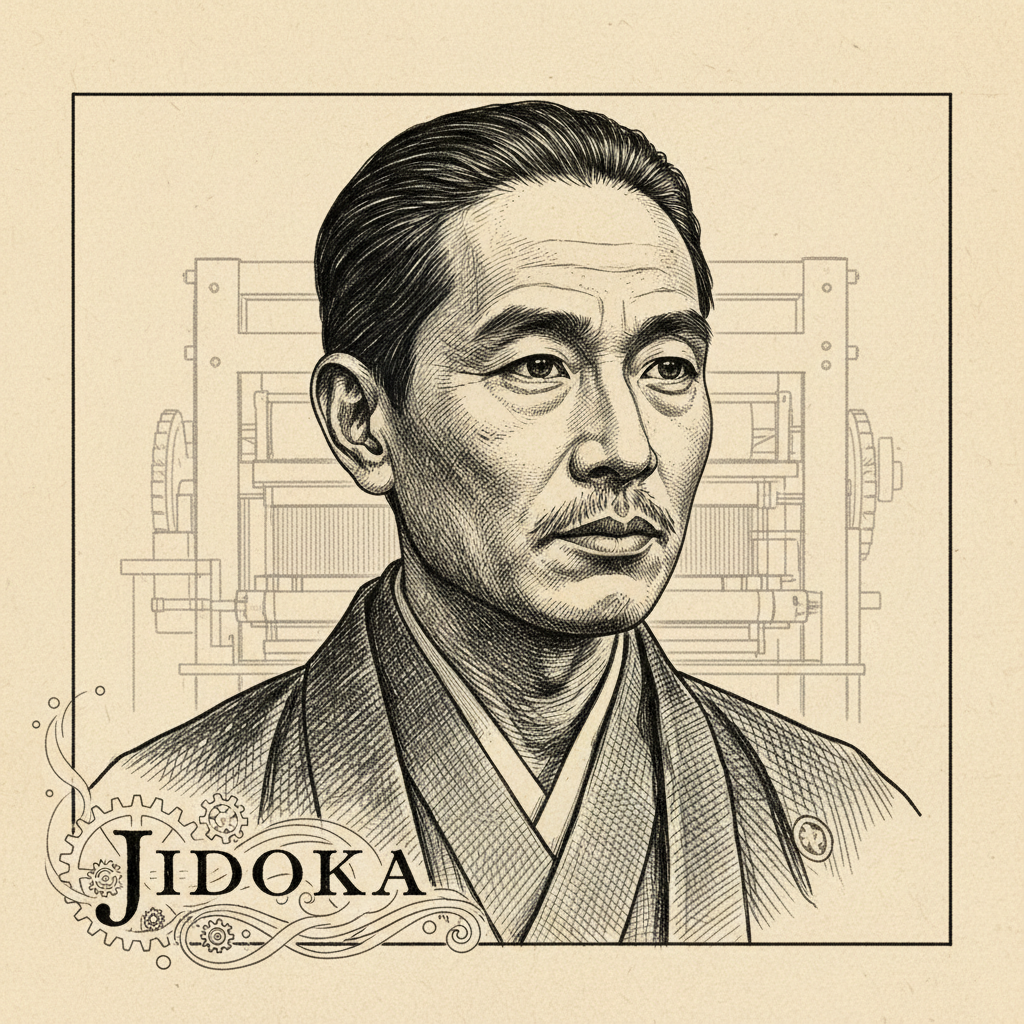
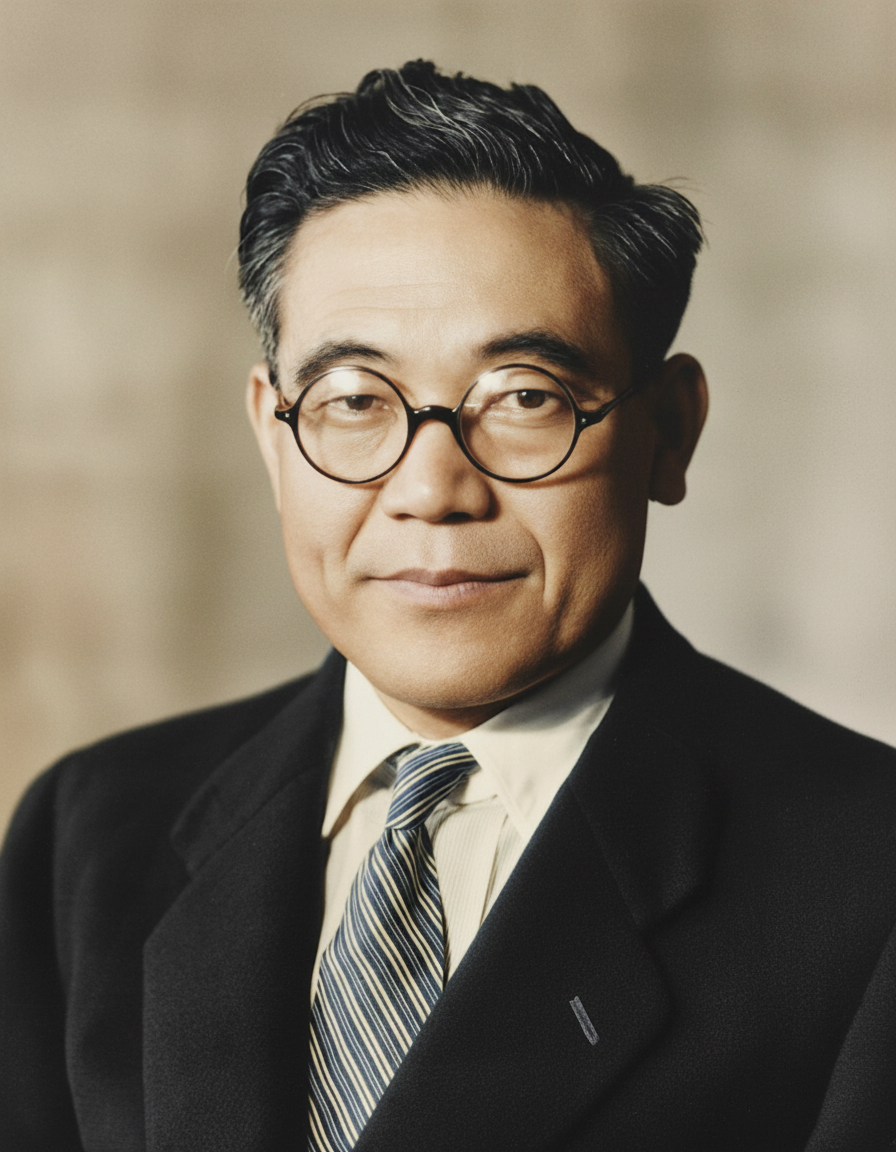
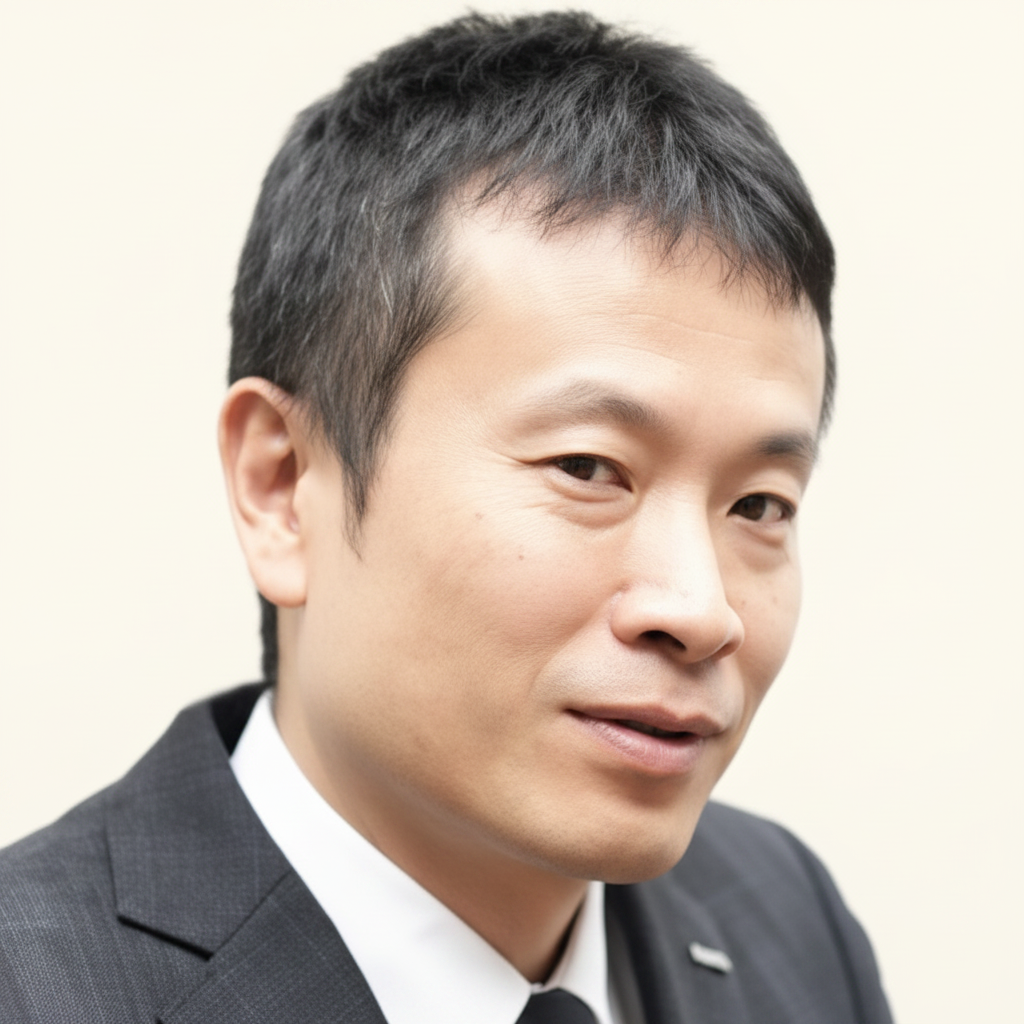
Sakichi Toyoda
The father of the Japanese industrial revolution and founder of Toyota Industries, Sakichi Toyoda pioneered automatic loom technology and established the principles of 'Jidoka' and continuous improvement that underpin modern manufacturing.
Sakichi Toyoda was a prodigious inventor who transformed the textile industry with his automatic loom designs. His relentless pursuit of efficiency and quality led to the development of the 'Jidoka' principle (automation with a human touch) and laid the foundational ethos for what would become the Toyota Production System, influencing global manufacturing practices.
Biography
Accomplishments
- 01Invented the Toyoda Wooden Hand Loom in 1890, significantly improving manual loom efficiency.
- 02Founded Toyoda Loom Works in 1907, a pioneering company in textile machinery manufacturing.
- 03Patented the automatic power loom with an automatic weft replenishment device in 1924, a major advance incorporating the 'Jidoka' principle.
- 04Established Toyoda Automatic Loom Works in 1926, furthering innovation in industrial textiles.
- 05Sold the patent rights for his automatic loom to Platt Brothers (UK) in 1929, funding the establishment of Toyota's automotive division.
- 06Developed the foundational principles of 'Jidoka' (autonomation) and continuous improvement (Kaizen) that would become core to the Toyota Production System.
Lessons for Operators
Key Takeaways
Practical lessons distilled for operators, investors, C-levels, and capital allocators.
Innovation as a Core Business Function
Toyoda's entire career was built on identifying problems and inventing solutions. Companies must embed innovation as an explicit, continuous function, not an ad-hoc activity, to achieve sustainable competitive advantage. This requires allocating consistent R&D budgets and fostering an experimental culture.
The Power of Autonomation (Jidoka)
Implement 'Jidoka' by designing processes and equipment to detect abnormalities and stop automatically. This 'built-in quality' approach drastically reduces rework, improves efficiency, and empowers operators by making issues visible immediately, preventing cascaded defects in downstream processes.
Strategic Capital Allocation from IP
View intellectual property not just as defensive assets, but as potential revenue streams or capital generators for strategic diversification. The timely and valuable sale of the automatic loom patent illustrates how monetizing mature IP can fund disruptive new ventures.
Foundational Principles for Operational Excellence
Toyoda's principles of Jidoka and continuous improvement are not confined to manufacturing. They are universally applicable to any operational context – from software development (early bug detection) to service delivery (process error checks) – to drive quality, efficiency, and waste reduction.
Long-Term Vision and Succession Planning
His decision to fund an automotive division, a stark departure from textiles, demonstrates exceptional long-term vision and effective succession planning by empowering his son to explore new industries with foundational capital and established business principles. Companies should invest in future-proofing and leadership development.
Frameworks & Principles
Named frameworks and strategic principles they popularized or embodied.
Jidoka (Autonomation)
A principle of automation with a human touch, where machines are designed to detect abnormalities and stop automatically, signaling the need for human intervention. This builds quality into the production process, preventing defects from being passed on.
When to useApplicable in any process where quality control is critical, and early defect detection can prevent significant waste. Implement when aiming to reduce manual oversight, improve product quality, and empower operators to resolve issues quickly.
Five Whys
An iterative interrogative technique used to explore the cause-and-effect relationships underlying a particular problem. The primary goal of the technique is to determine the root cause of a defect or problem by repeatedly asking the question 'Why?'
When to useEmploy when encountering recurring problems or when seeking to understand the true root cause of a symptom. Critical for implementing continuous improvement (Kaizen) by moving beyond superficial fixes to systemic solutions.
Kaizen (Continuous Improvement)
A Japanese philosophy or practice that focuses upon continuous improvement of processes in manufacturing, engineering, and business management. It involves all employees, from top management to the cleaning crew.
When to useIntegrate Kaizen across all organizational functions to foster a culture of ongoing small, incremental improvements. Essential for long-term operational excellence, efficiency gains, and adaptability in dynamic markets.
Sources & Further Reading
Profiles, interviews, podcasts, and articles used to compile and verify this entry. Each link opens at the original publisher.
Explore Related Titans
Other figures in the archive who share Sakichi Toyoda's domain, geography, or era.
More in Industrial & Manufacturing







From Japan

Contemporaries — 19th century