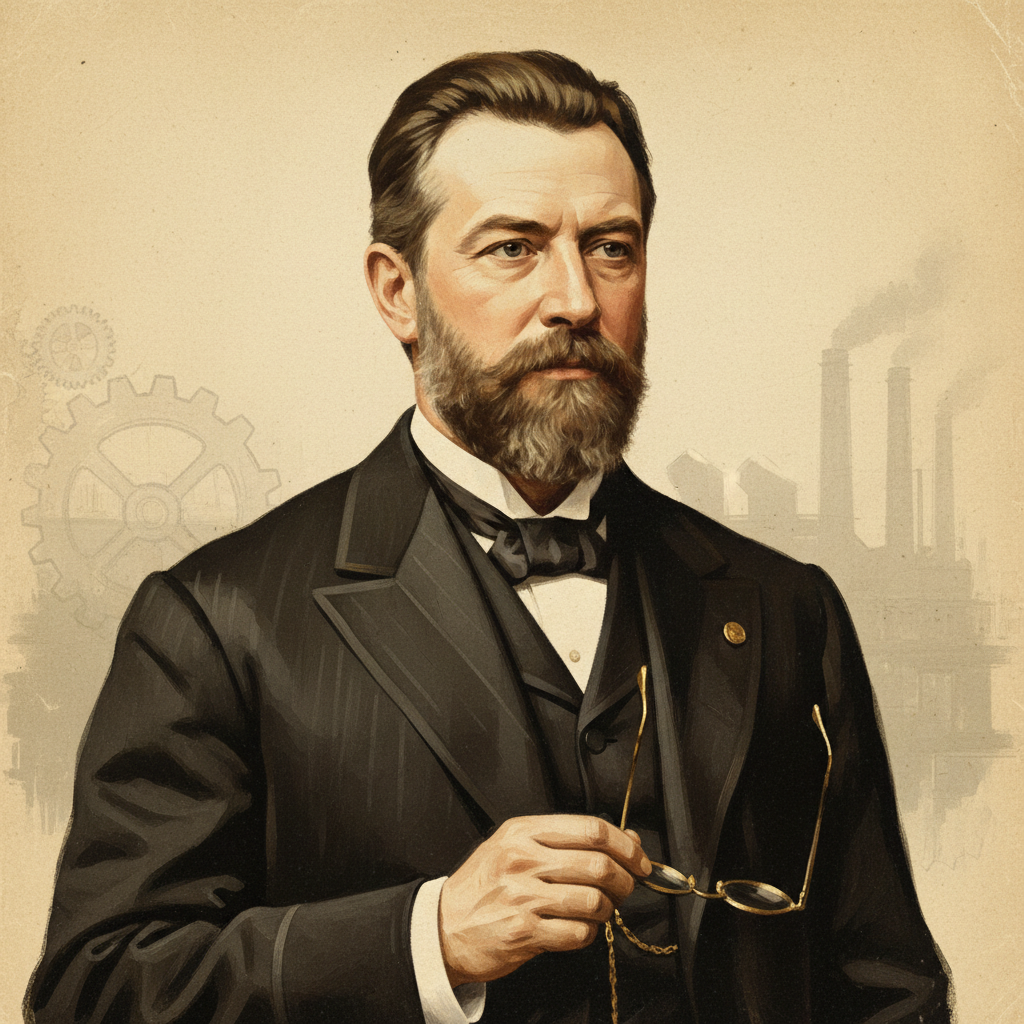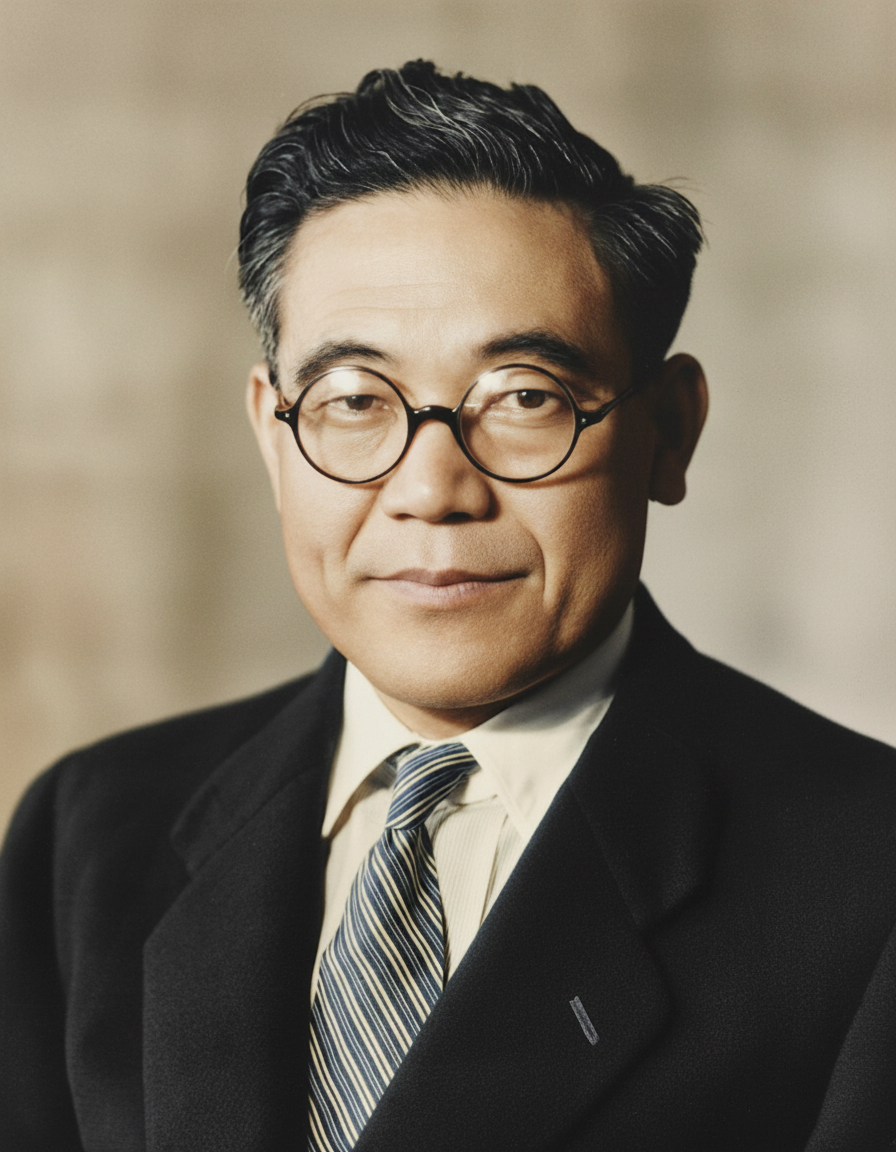
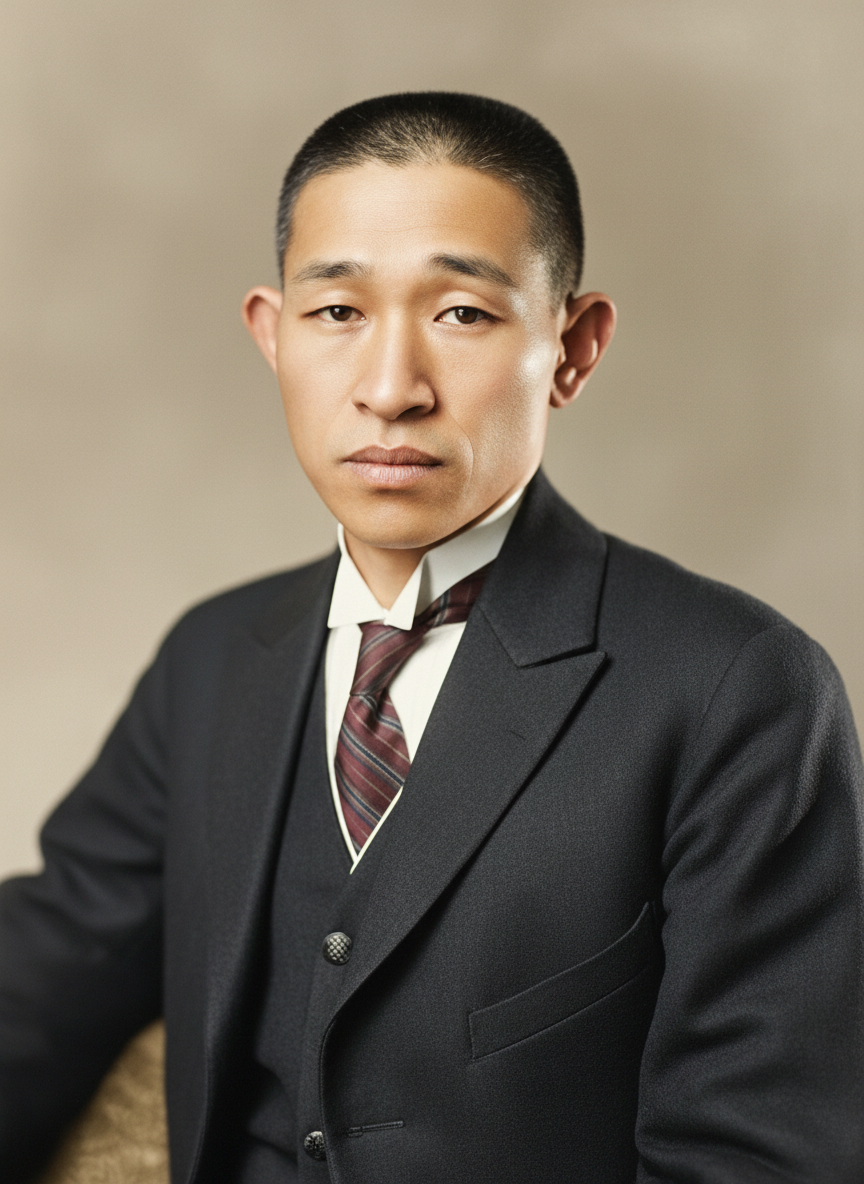
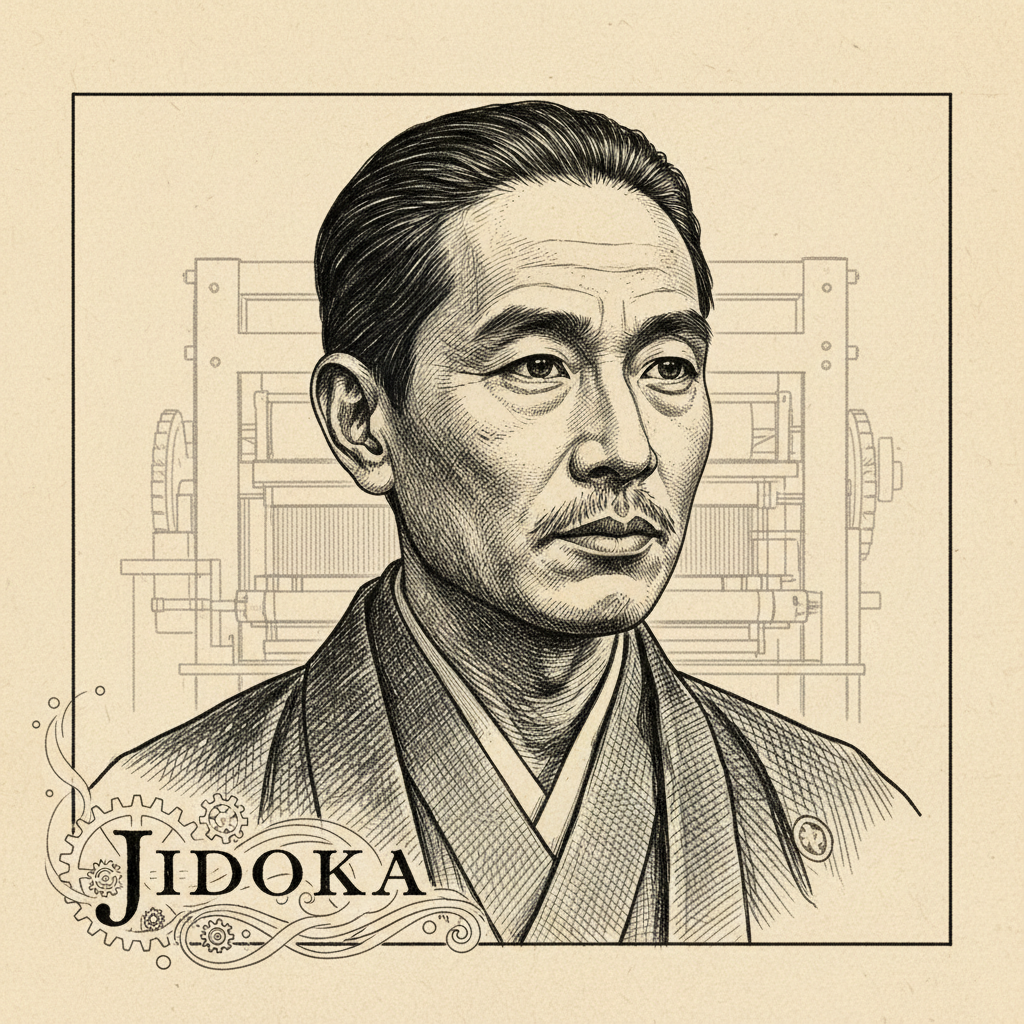
Kiichiro Toyoda
The engineer who pivoted a textile machinery company into a global automotive titan by relentlessly pursuing 'just-in-time' efficiency.
Kiichiro Toyoda, son of Toyota Industries founder Sakichi Toyoda, transitioned the family's textile machinery business into automobile manufacturing. He founded Toyota Motor Corporation in 1937, pioneering innovations like the 'just-in-time' production system and establishing a blueprint for lean manufacturing that reshaped global industry.
Biography
Accomplishments
- 01Founded Toyota Motor Corporation in 1937, initiating Japan's entry into mass automotive production.
- 02Developed the foundational principles of 'just-in-time' (JIT) production, a core component of the Toyota Production System (TPS).
- 03Spearheaded the design and production of Toyota's first passenger car, the Model AA, and the G1 truck, establishing a viable product line.
- 04Successfully transitioned Toyota from a textile machinery manufacturer to a vertically integrated automotive company through strategic division and investment.
- 05Championed product localization, ensuring self-sufficiency for critical components within Japan, crucial for post-war industrial resilience.
- 06Implemented rigorous quality control and efficiency measures from the company's inception, fostering a culture of continuous improvement (Kaizen).
Lessons for Operators
Key Takeaways
Practical lessons distilled for operators, investors, C-levels, and capital allocators.
The Power of Iterative Manufacturing
Toyoda's 'just-in-time' and 'jidoka' principles were not instant doctrines, but solutions to practical challenges. Companies should iteratively refine their production processes, focusing on eliminating waste and empowering operators to halt production on quality issues, rather than blindly scaling.
Strategic Diversification & Spinoffs
Kiichiro's move from textile looms to automobiles within the same corporate group (Toyota Industries) illustrates the potential for strategic spinoffs to unlock new markets. Leaders should assess existing core competencies for applicability in unrelated, high-growth sectors.
Localize for Resilience and Innovation
His insistence on internal development and local sourcing for core components, even engines, built a resilient supply chain largely immune to external shocks and fostered deeper internal engineering capabilities. For critical inputs, 'make' can be superior to 'buy' for long-term strategic advantage.
Leadership by Technical Depth
Kiichiro, an engineer, was deeply involved in product development, often on the factory floor. This technical proficiency at the helm allowed for informed decisions and faster problem-solving. CEOs in technology-driven industries benefit from a strong understanding of their product's engineering.
Patient Capital, Long-Term Vision
The initial automotive venture was funded by the sale of textile loom patents, effectively patient capital. This allowed for significant investment in R&D and manufacturing infrastructure without immediate return pressures, highlighting the importance of long-term capital allocation for ambitious projects.
Frameworks & Principles
Named frameworks and strategic principles they popularized or embodied.
Toyota Production System (TPS) / Lean Manufacturing
A socio-technical system developed by Toyota that organizes manufacturing and logistics for the manufacturer, including interaction with suppliers and customers. It includes 'Just-in-Time' (JIT) to reduce waste (muda) by producing only what is needed, when it is needed, and in the amount needed, and 'Jidoka' (autonomation) for built-in quality.
When to useApplicable for any organization seeking to optimize operational efficiency, minimize waste, foster continuous improvement, and improve quality across manufacturing, service delivery, or administrative processes. Implement when scaling operations or facing competitive pressure requiring cost reduction and responsiveness.
Genchi Genbutsu (Go and See)
A core tenet of TPS, advocating that in order to truly understand a situation or problem, one must go to the actual place where the work is done (genchi) and observe what is happening (genbutsu) with an open mind.
When to useCrucial for problem-solving, strategic planning, or process improvement. Leaders, engineers, and operators should use this when problems arise, during new project planning, or when assessing workflows to ensure decisions are based on direct observation and facts rather than assumptions or secondhand reports.
Vertical Integration Strategy
A strategy where a company expands its operations into different stages of its production path. Kiichiro Toyoda pursued this by developing internal capabilities for engine and chassis production, rather than solely assembling components from external suppliers.
When to useConsider this strategy when facing supply chain vulnerabilities, seeking greater control over quality, aiming to capture more value along the production chain, or when external suppliers cannot meet specialized requirements. Requires significant capital investment and expertise.
Sources & Further Reading
Profiles, interviews, podcasts, and articles used to compile and verify this entry. Each link opens at the original publisher.
Explore Related Titans
Other figures in the archive who share Kiichiro Toyoda's domain, geography, or era.
More in Transportation & Logistics






From Japan


Contemporaries — 19th century