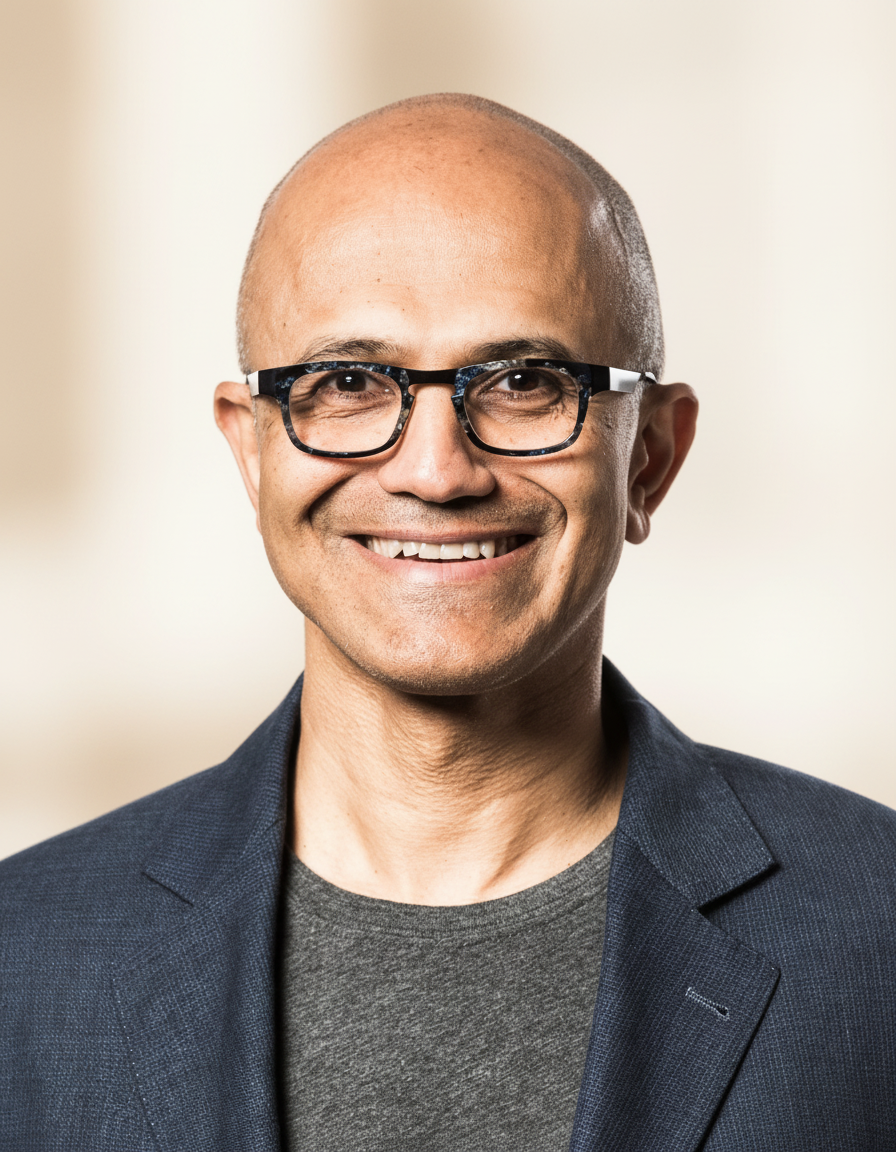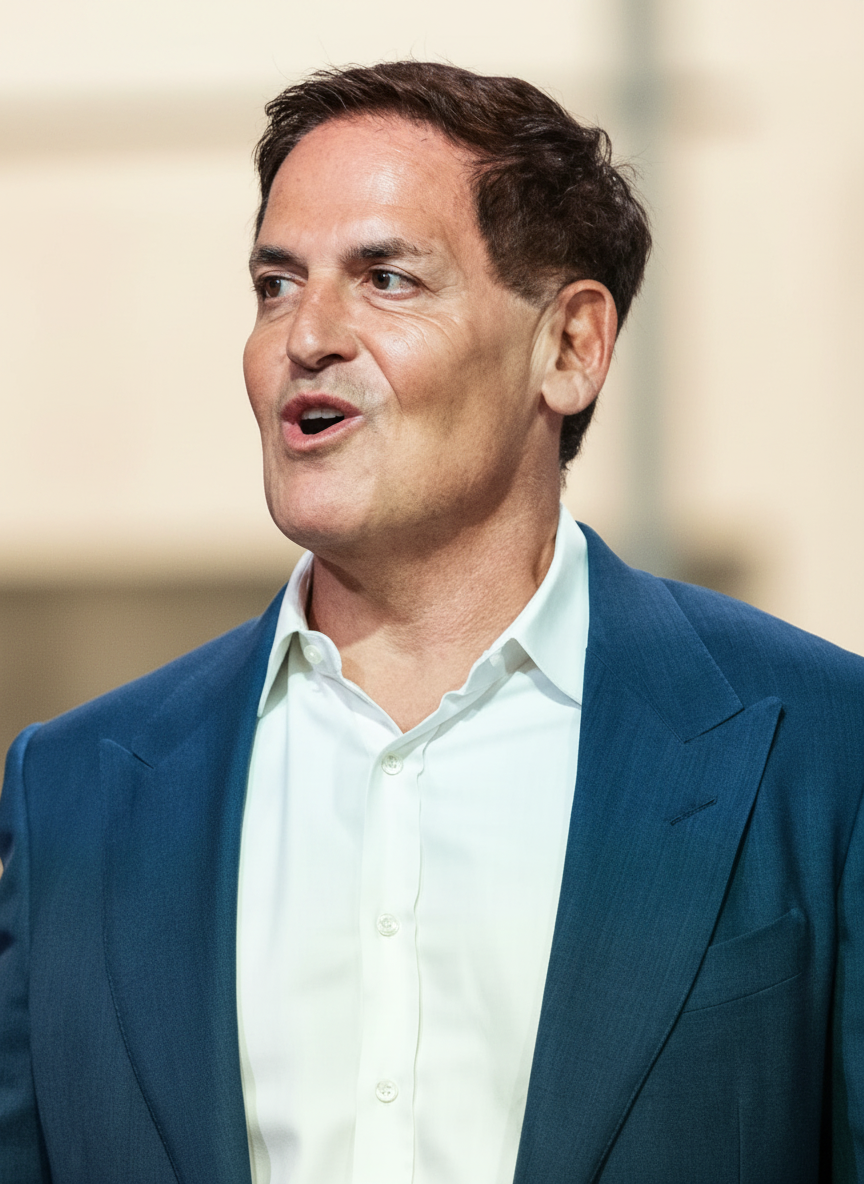
Tom Arseneault
Architect of BAE Systems, Inc.'s strategic growth and operational resilience in the complex US aerospace and defense market.
Tom Arseneault is the President and Chief Executive Officer of BAE Systems, Inc., the U.S. subsidiary of BAE Systems plc, a global defense, aerospace, and security company. He leads a diversified portfolio spanning electronic systems, combat vehicles, shipbuilding, and services for critical national security missions. Arseneault has been instrumental in driving significant acquisitions, fostering technological innovation, and maintaining strong government and industry partnerships.
Biography
Accomplishments
- 01Led BAE Systems, Inc. to secure multiple critical U.S. defense contracts, including the Optionally Manned Fighting Vehicle (OMFV) program for the U.S. Army, modernizing ground combat capabilities.
- 02Orchestrated the strategic acquisition of Collins Aerospace's Military Global Positioning System (GPS) business and Raytheon's Airborne Tactical Radios (ATR) business for approximately $1.925 billion in 2020, significantly expanding BAE Systems' electronic systems portfolio.
- 03Drove BAE Systems, Inc.'s continued investment in and development of advanced electronic warfare (EW) capabilities, including the AN/ASQ-239 system for the F-35 Lightning II, enhancing survivability for warfighters.
- 04Navigated BAE Systems, Inc. through complex supply chain disruptions and geopolitical shifts, maintaining operational continuity and program execution across major platforms such as the Challenger 3 tank upgrade for the UK.
- 05Fostered a culture of innovation, leading to the development and deployment of technologies such as next-generation electric propulsion systems for hybrid electric buses, diversifying BAE Systems' applied technology base.
- 06Maintained strong financial performance for BAE Systems, Inc., consistently contributing to the parent company's global revenue and profitability targets amidst challenging market conditions.
- 07Oversaw the successful completion of the Dreadnought class submarine design and initial construction phases in the U.S. subsidiary's support roles, a cornerstone of the UK's nuclear deterrent program.
Lessons for Operators
Key Takeaways
Practical lessons distilled for operators, investors, C-levels, and capital allocators.
Strategic Portfolio Optimization
Arseneault's leadership underscores the importance of continuously refining a business's portfolio through both organic growth and targeted M&A. The acquisitions of Collins Aerospace GPS and Raytheon ATR demonstrate a clear strategy to acquire specialized, high-margin electronic warfare and navigation capabilities that strengthen core offerings and address evolving defense needs. This teaches operators to be proactive in identifying and integrating complementary assets.
Long-term Technology Investment
BAE Systems, Inc.'s sustained commitment to R&D in areas like electronic warfare and advanced sensing under Arseneault illustrates that long-term competitive advantage in high-tech industries stems from consistent investment in foundational and emerging technologies. Investors should look for companies that balance immediate returns with strategic R&D spend, while operators must champion internal innovation pipelines.
Resilience in Execution
Navigating complex defense programs and global supply chains requires rigorous operational discipline. Arseneault's success in maintaining program delivery amidst significant geopolitical and logistical challenges highlights the necessity of robust program management, strong supplier relationships, and adaptable manufacturing processes. C-levels should prioritize building operational resilience into their organizational structure.
Government Relationship Management
Success in the defense sector is heavily reliant on deep understanding and trusted relationships with government clients. Arseneault's approach emphasizes collaborative problem-solving and consistent delivery, which are critical for securing long-term contracts and influencing future program requirements. Enterprise leaders in regulated industries should emulate this focus on stakeholder partnership.
Talent as a Strategic Asset
In a technology-intensive industry like aerospace and defense, access to highly skilled engineering and technical talent is paramount. Arseneault's leadership highlights the ongoing need for robust talent acquisition, development, and retention strategies to ensure continuous innovation and technical superiority. Fund managers should assess a company's human capital strategy as a key indicator of future performance.
Diversification Beyond Core
While focused on defense, Arseneault has also overseen advancements in commercial applications of defense technologies, such as electric propulsion for buses. This indicates a strategic willingness to leverage core competencies for diversification, opening new revenue streams and markets. Capital allocators should seek companies capable of applying their core intellectual property to adjacent commercial opportunities.
Frameworks & Principles
Named frameworks and strategic principles they popularized or embodied.
Portfolio Management Strategy (for M&A)
A systematic approach to evaluating current business segments and identifying strategic gaps or opportunities for expansion through mergers and acquisitions. It involves assessing market trends, competitive landscape, technological advancements, and financial viability to ensure M&A targets align with long-term strategic goals.
When to useWhen considering major acquisitions or divestitures to reshape the company's capabilities, market presence, or technology footprint. Ideal for C-levels and fund managers evaluating a company's growth strategy.
National Security and Defense Sector Analysis
A framework for understanding the unique dynamics of the defense industry, including government procurement processes, geopolitical influences, regulatory environments (e.g., ITAR, CFIUS), and the long-term cycles of defense spending. It involves analyzing customer needs, threat landscapes, and competitor strategies.
When to useEssential for investors, operators, and C-levels in the aerospace and defense sector to interpret market signals, forecast demand, and mitigate regulatory and political risks. Applicable when assessing opportunities or challenges in government contracting.
Technology Roadmap Development
A strategic planning tool that aligns technology investments with business objectives. It involves identifying critical technologies needed for future products or services, assessing current capabilities, and charting a course for R&D, partnerships, and acquisitions to achieve desired technological leadership.
When to useWhen a company needs to ensure its R&D efforts are strategically aligned with market demands and long-term business goals, especially in technology-intensive industries. Useful for technical leaders, R&D directors, and C-levels overseeing innovation.
Supply Chain Risk Management (SCRM)
A process for identifying, assessing, and mitigating risks within a company's supply chain, encompassing sourcing, manufacturing, and distribution. In the defense sector, this includes managing geopolitical risks, cybersecurity threats, and the reliability of critical components from a global vendor base.
When to useCrucial for operators and C-levels to ensure operational continuity and resilience, particularly in industries with complex, global supply chains susceptible to disruptions, such as defense manufacturing. Applied during strategic planning and operational oversight.
Recent Appearances
Latest interviews, keynotes, and press from the past half year.
 youtube.com
 youtube.com
 youtube.com
 youtube.com
 youtube.com
 youtube.com
 youtube.com
 youtube.com
 youtube.com
 youtube.com
 youtube.com
 youtube.com
 youtube.com
 youtube.com
 youtube.com
 youtube.com
 youtube.com
 m.youtube.com
 m.youtube.com
 youtube.com
Explore Related Titans
Other figures in the archive who share Tom Arseneault's domain, geography, or era.
More in Transportation & Logistics







From United States