Warren Buffett
The Oracle of Omaha: Architect of long-term value investing and compounding returns through disciplined acquisition and intrinsic value focus.
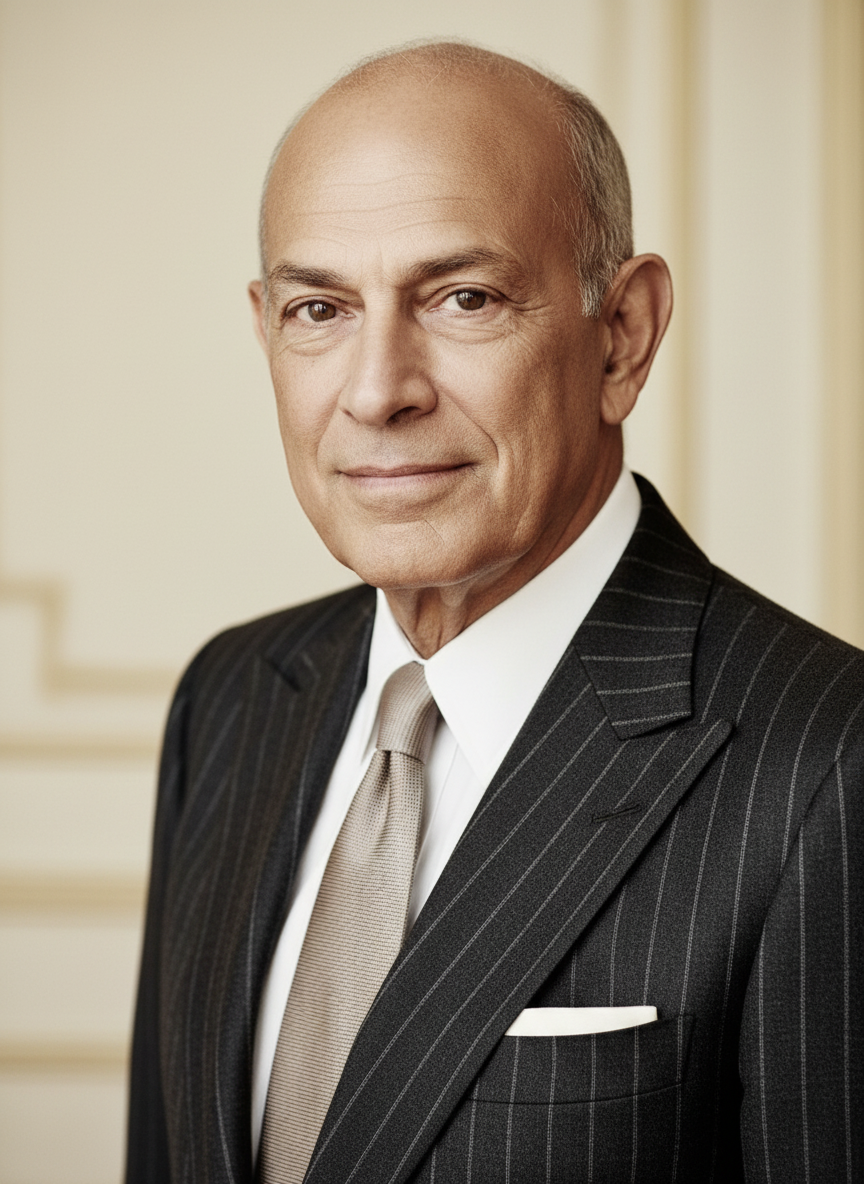
Warren Buffett is a legendary American investor, business magnate, and philanthropist. He is the CEO of Berkshire Hathaway, a diversified holding company. Buffett is renowned for his adherence to value investing principles, focusing on long-term investments in undervalued companies with strong fundamentals and durable competitive advantages.
Biography
Accomplishments
- 01Transformed Berkshire Hathaway from a failing textile mill into a diversified holding company with a market capitalization exceeding $800 billion.
- 02Achieved an average annual return of 20.0% for Berkshire Hathaway's Class A shares from 1965 to 2023, significantly outperforming the S&P 500's 10.2% over the same period.
- 03Successfully acquired and integrated major enterprises, including GEICO (fully acquired in 1996), Burlington Northern Santa Fe (BNSF) in 2010 for $26.4 billion, and Precision Castparts in 2016 for $37.2 billion.
- 04Maintained a strong balance sheet for Berkshire Hathaway, often holding substantial cash reserves to seize opportune investments during market downturns, as demonstrated during the 2008 financial crisis with investments in Goldman Sachs and Bank of America.
- 05Authored widely anticipated annual letters to shareholders, providing transparent insights into business operations, investment philosophy, and corporate governance, recognized for their clarity and wit.
- 06Pledged over 99% of his wealth to philanthropy, primarily via the Bill & Melinda Gates Foundation, becoming a leading figure in charitable giving with a total contribution estimated to be over $50 billion.
Lessons for Operators
Key Takeaways
Practical lessons distilled for operators, investors, C-levels, and capital allocators.
Compounding is key
Buffett's success is largely attributed to the power of compounding returns over an extended period. Identify quality assets and allow time for their value to multiply. This requires patience and resistance to short-term distractions.
Business understanding over market timing
Instead of predicting market movements, focus intensely on understanding the underlying businesses. A deep comprehension of a company's economics, competitive landscape, and management quality is paramount to long-term success.
Intrinsic value-driven decisions
Every investment decision should be anchored to an estimated intrinsic value. Pay less than what the business is truly worth, providing a 'margin of safety' against errors or adverse events.
Capital allocation discipline
As a CEO, disciplined capital allocation — whether reinvesting in existing operations, acquiring new businesses, or repurchasing shares — is critical to shareholder value creation. Buffett's track record at Berkshire Hathaway is a masterclass in this.
Embrace simplicity
Buffett often states he looks for 'simple, understandable businesses.' Avoid unnecessary complexity in investing and operations. Clarity leads to better decision-making and reduces risk.
Long-term relationships
Buffett fosters long-term relationships with the managers of acquired companies, emphasizing trust and autonomy. This approach minimizes integration friction and retains entrepreneurial drive within the broader conglomerate.
Frameworks & Principles
Named frameworks and strategic principles they popularized or embodied.
Value Investing
An investment paradigm focused on buying securities that, based on fundamental analysis, appear to be trading for less than their intrinsic or book value. It involves identifying companies with strong balance sheets, high profits, and durable competitive advantages trading at a discount.
When to useApplicable for long-term investors seeking to build wealth systematically, particularly during market downturns or when specific companies are out of favor but possess strong underlying fundamentals. Requires thorough diligence and patience.
Economic Moats
Refers to a company's sustainable competitive advantages that protect its long-term profits and market share from competing firms. Examples include strong brands, patent protection, network effects, high switching costs, and cost advantages.
When to useEssential for evaluating the long-term viability and profitability of a business before investment or acquisition. Companies with wider and more durable moats generally make for more reliable and higher-returning investments. Operators can use this to identify and strengthen their own competitive advantages.
Circle of Competence
The concept of sticking to what one knows and understands well. Investors should only evaluate and invest in businesses within their personal expertise, avoiding speculative ventures in unfamiliar territories.
When to useApplies universally to investment decisions, strategic planning, and business development. Leaders should focus resources and decisions within their core areas of expertise, seeking external advice or partnerships for ventures outside this circle to mitigate risk.
Quotations
"Price is what you pay. Value is what you get."
"Our favorite holding period is forever."
"Be fearful when others are greedy, and greedy when others are fearful."
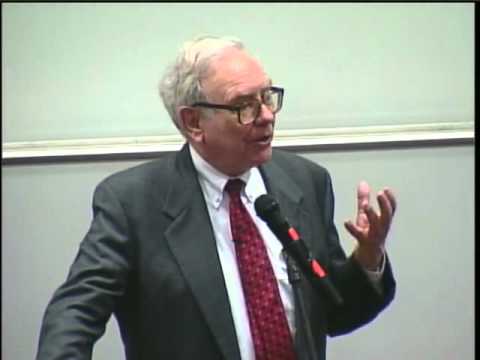
Evergreen Talks & Interviews
Foundational talks, lectures, and interviews worth revisiting.

Sources & Further Reading
Profiles, interviews, podcasts, and articles used to compile and verify this entry. Each link opens at the original publisher.
Explore Related Titans
Other figures in the archive who share Warren Buffett's domain, geography, or era.
More in Finance & Investing
From United States

Contemporaries — born 1930s