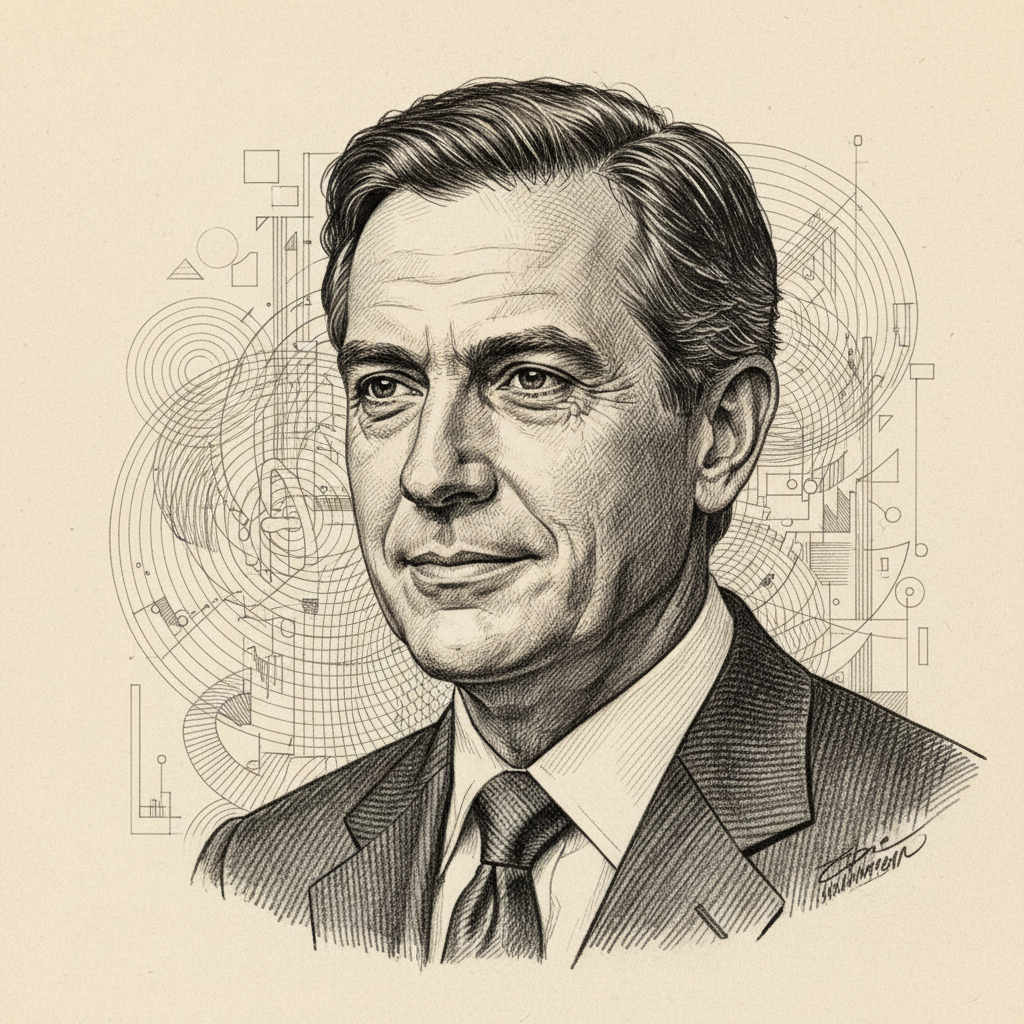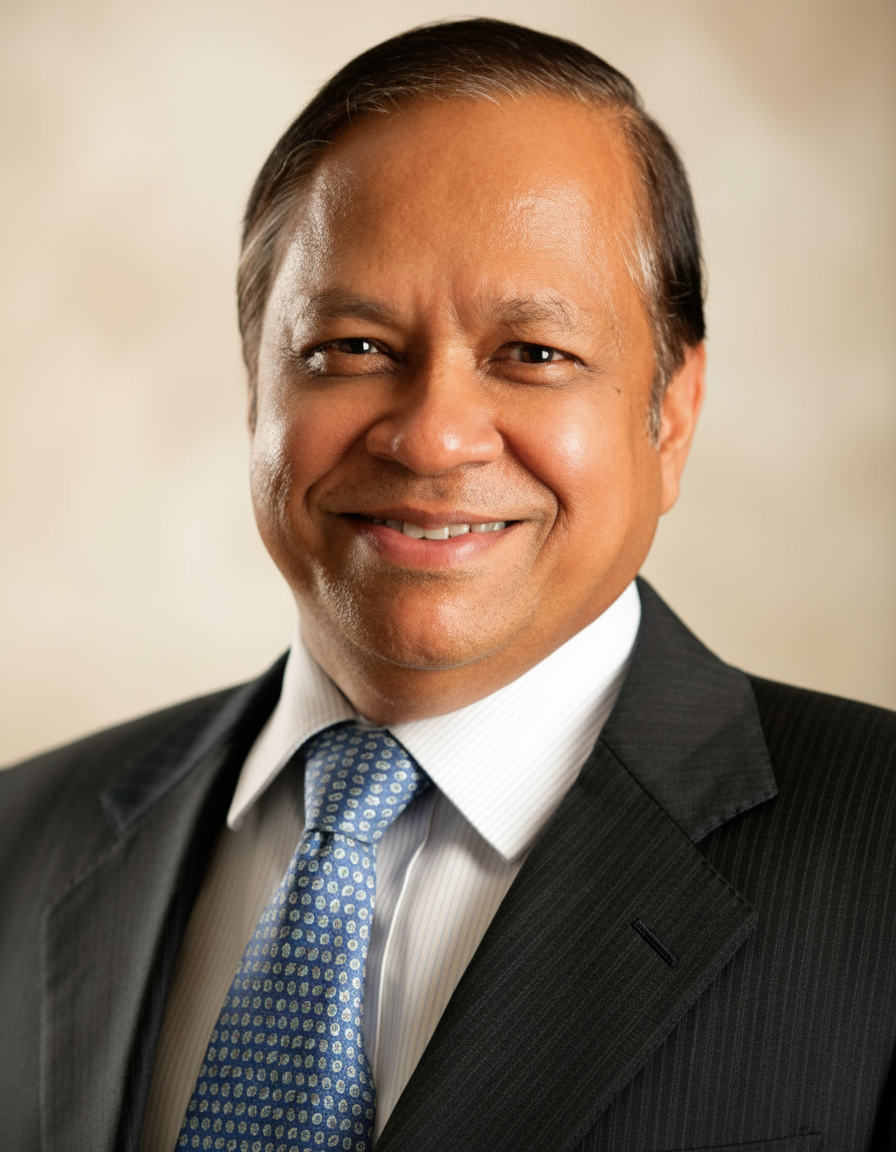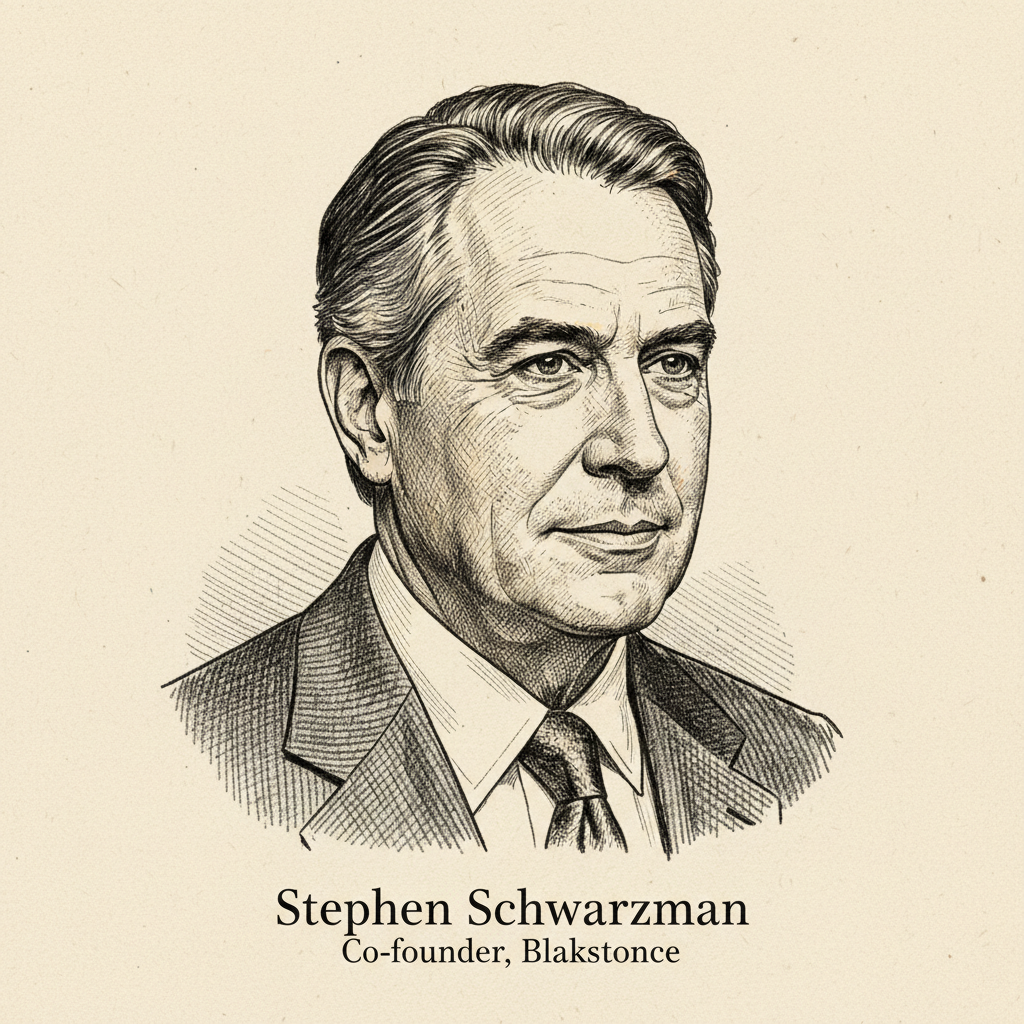
Stephen Schwarzman
Co-founder, Chairman, and CEO of Blackstone, Stephen A. Schwarzman engineered the firm's evolution into the world's largest alternative asset manager.
Stephen A. Schwarzman is the Chairman and CEO of Blackstone, a global investment firm he co-founded in 1985. Under his leadership, Blackstone has pioneered the institutionalization of alternative investments, growing into the world's largest alternative asset manager with over $1 trillion in assets under management. His career spans over five decades in finance, marked by transformative deals and strategic expansion into private equity, real estate, credit, and hedge fund solutions.
Biography
Accomplishments
- 01Co-founded Blackstone in 1985 and scaled it into the world's largest alternative asset manager, overseeing over $1 trillion in AUM across private equity, real estate, credit, and more.
- 02Pioneered the institutionalization of alternative investments, making private equity and real estate widely accepted asset classes for pension funds and endowments.
- 03Led monumental transactions such as the $39 billion acquisition of Equity Office Properties Trust in 2007, demonstrating large-scale real estate private equity execution.
- 04Successfully navigated Blackstone through its 2007 IPO, transforming the firm while maintaining its entrepreneurial culture and growth trajectory.
- 05Established the Schwarzman Scholars program at Tsinghua University ($350 million gift) and made significant donations to institutions like MIT ($300 million) and the New York Public Library ($100 million), demonstrating impactful philanthropy.
Lessons for Operators
Key Takeaways
Practical lessons distilled for operators, investors, C-levels, and capital allocators.
Strategic Diversification
Blackstone's success is rooted in its calculated expansion beyond core private equity into real estate, credit, and hedge fund solutions. Operators should assess adjacent opportunities that leverage existing core competencies and market expertise to create new revenue streams and mitigate single-asset class risk. This means constantly evaluating market trends and capabilities.
Long-Term Capital & Operational Value Creation
Schwarzman championed patient capital and rigorous operational improvement, not just financial engineering. Investors and C-levels should prioritize investing in the fundamental improvement of acquired or existing assets, focusing on sustainable growth drivers rather than short-term arbitrage. This requires detailed due diligence and post-acquisition operational plans.
Talent as the Ultimate Asset
Schwarzman's relentless focus on recruiting, developing, and retaining exceptional talent is a cornerstone of Blackstone's sustained performance. Enterprise leaders must invest proactively in human capital, fostering a culture that rewards merit, entrepreneurship, and collaboration. This includes clear performance metrics and a strong mentorship culture.
The Power of Scale and Brand
Blackstone effectively leveraged its growing AUM and brand reputation to access larger deals, attract more capital, and expand its global footprint. Fund managers should understand that scale can create a flywheel effect, enabling better deal flow, deeper expertise, and enhanced market positioning, which in turn attracts more capital and talent. Build your enterprise brand meticulously.
Adaptive Strategy
From M&A advisory to principal investing and then broad alternative asset management, Blackstone consistently adapted its strategy to evolving market conditions. Leaders must maintain an agile strategic planning process, regularly re-evaluating core business models and willingness to pivot when market dynamics or competitive landscapes shift significantly.
Frameworks & Principles
Named frameworks and strategic principles they popularized or embodied.
The Blackstone Value Creation Playbook
A systematic approach to identifying, acquiring, and optimizing assets. It involves deep sectoral expertise, rigorous due diligence, proactive operational engagement post-acquisition (e.g., supply chain optimization, revenue growth initiatives, cost cutting), and a clear exit strategy. This framework emphasizes fundamental business improvement over financial leverage alone.
When to useApplicable for private equity investors, corporate development teams, and C-levels looking to acquire and integrate businesses. It guides the entire lifecycle of an investment from sourcing to exit, focusing on tangible operational enhancements.
Institutionalization of Alternatives
Schwarzman's strategy involved packaging alternative investments (private equity, real estate) into structures accessible to large institutional investors (pension funds, endowments). This required transparent reporting, robust governance, diversification of offerings, and education of limited partners. It essentially 'productized' illiquid asset classes for broader institutional adoption.
When to useRelevant for fund managers, wealth managers, and financial product developers seeking to innovate in illiquid or complex asset classes. It involves creating standardized, scalable products with clear risk/return profiles, and robust investor relations.
Global Platform Expansion
Blackstone's growth involved not only diversification across asset classes but also aggressive geographic expansion, establishing offices and investment teams in key global markets. This allows for sourcing diverse deal flow, understanding local market nuances, and attracting a global talent pool. It requires balancing centralized strategy with localized execution.
When to useUseful for enterprises and investment firms planning international expansion. It emphasizes strategic market entry, building local talent pools, and understanding regulatory and cultural complexities to achieve global scale.
Sources & Further Reading
Profiles, interviews, podcasts, and articles used to compile and verify this entry. Each link opens at the original publisher.
Explore Related Titans
Other figures in the archive who share Stephen Schwarzman's domain, geography, or era.
More in Finance & Investing





From United States





Contemporaries — born 1940s