Larry Ellison
Oracle's Architect: A relentless competitor who built the dominant enterprise database and cloud platform.
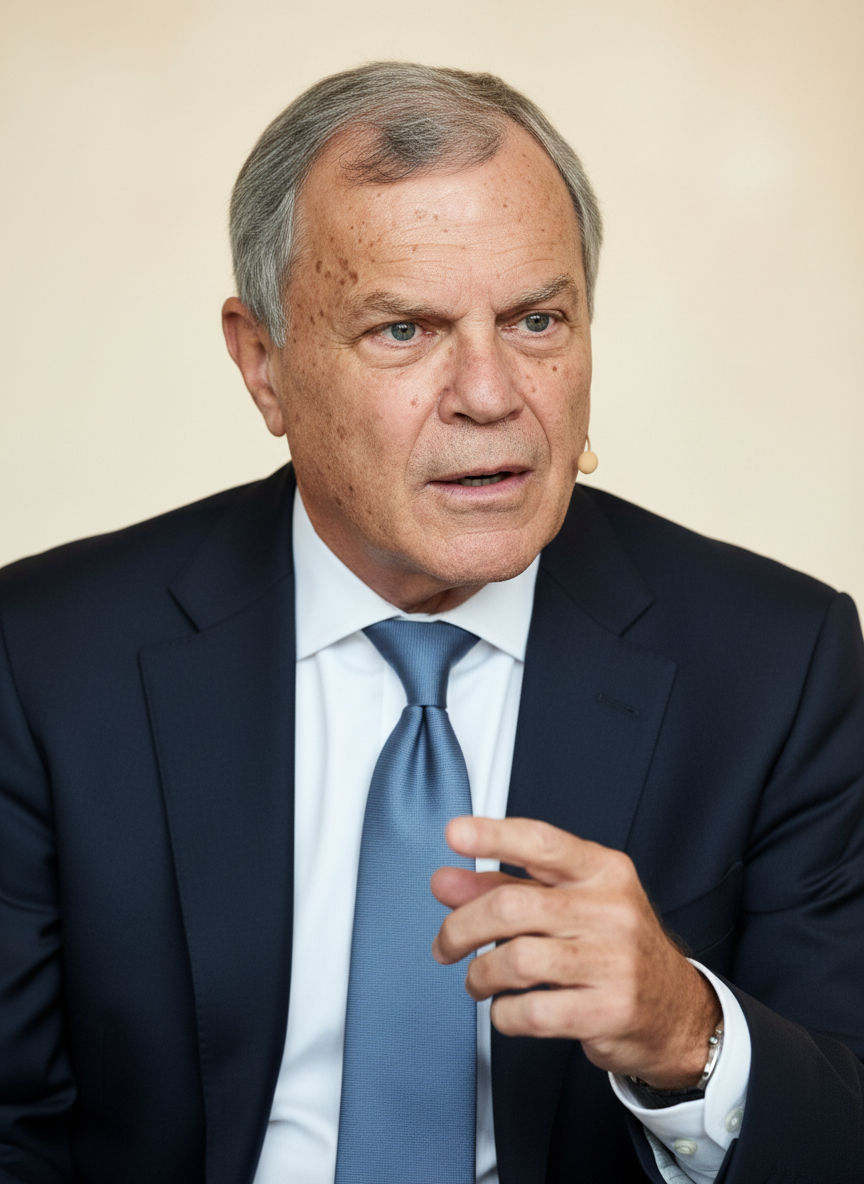
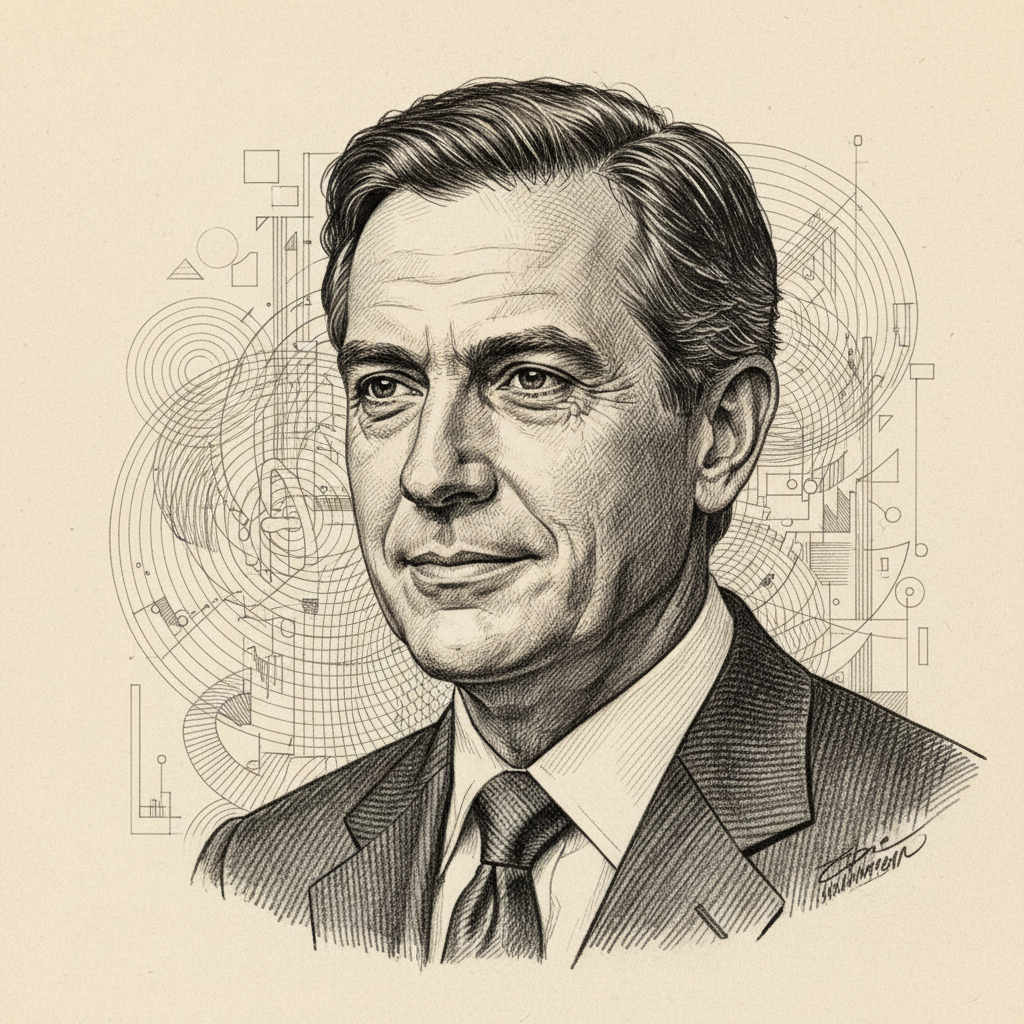
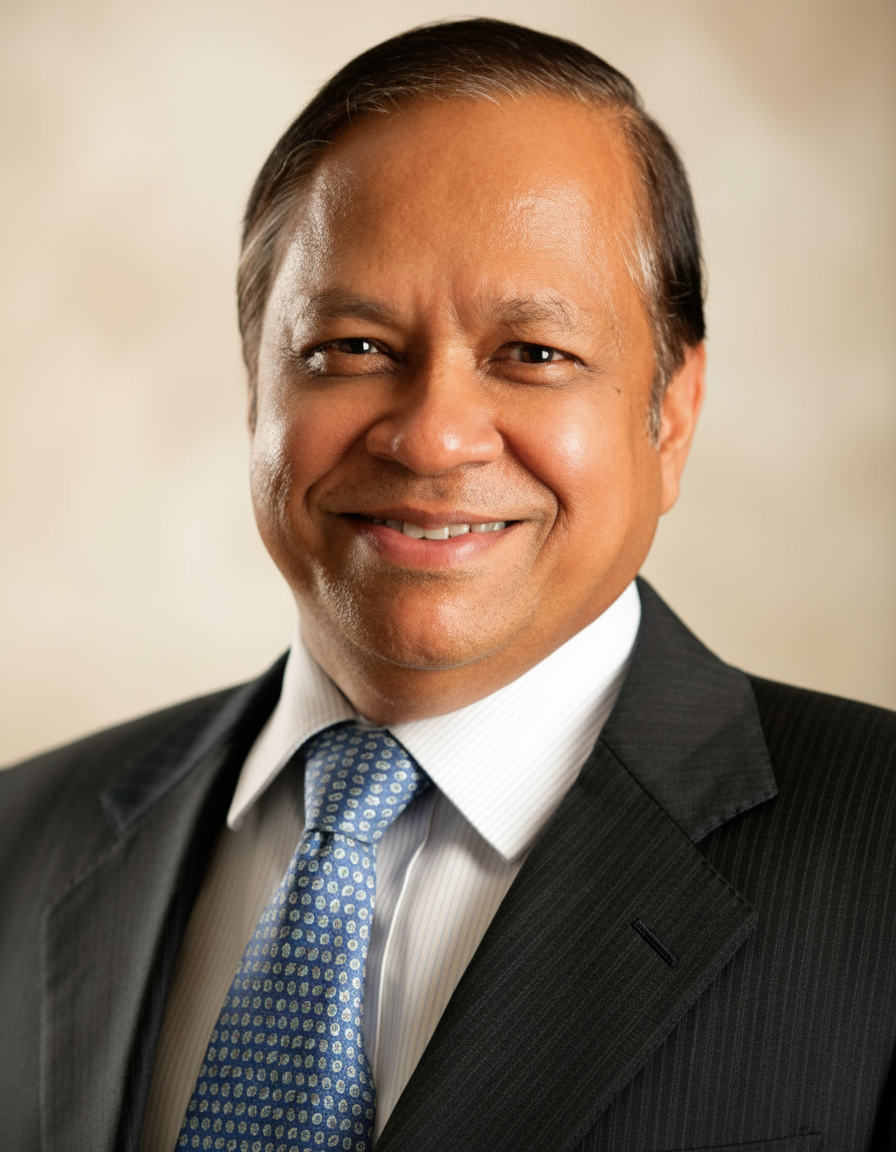
Larry Ellison is the co-founder, former CEO (1977-2014), current CTO, and Executive Chairman of Oracle Corporation. He built Oracle from a three-person startup into the world's second-largest software company, primarily through aggressive product development, strategic acquisitions, and fierce competition in the database and enterprise applications market.
Biography
Accomplishments
- 01Co-founded Oracle Corporation in 1977, building it into the world's second-largest software company by revenue.
- 02Led the development and commercialization of the Oracle Database, establishing it as the dominant enterprise relational database system globally, integral to countless mission-critical systems since the 1980s.
- 03Spearheaded Oracle's aggressive and successful acquisition strategy, integrating major players like Peoplesoft ($10.3B, 2005), Siebel Systems ($5.85B, 2006), and Sun Microsystems ($7.4B, 2010), significantly expanding Oracle's market share and product offerings.
- 04Drove Oracle's pivot to cloud computing, investing heavily in Oracle Cloud Infrastructure (OCI) and repositioning the company's core database and application suite for the cloud era, demonstrating significant market traction and revenue growth in cloud services.
- 05Maintained Oracle's position as a leading enterprise software provider for over four decades, navigating multiple technological shifts from mainframe to client-server to internet and cloud computing.
- 06Built a global technology empire impacting virtually every major industry, with Oracle technology underpinning critical operations for enterprises worldwide.
Lessons for Operators
Key Takeaways
Practical lessons distilled for operators, investors, C-levels, and capital allocators.
Stack Ownership Strategy
Oracle's pursuit of controlling the entire technology stack, from infrastructure to applications (e.g., through Sun Microsystems acquisition), allows for optimized performance, enhanced security, and simplified support. Leaders should evaluate where vertical integration can create sustainable competitive advantages and better customer experiences, especially in complex enterprise environments.
Aggressive Market Consolidation
Ellison demonstrated the effectiveness of M&A to rapidly expand market share, acquire critical IP, and eliminate competition. Organizations should identify strategic targets that either complement their existing offerings or fill critical gaps, and execute integrations efficiently to realize value quickly.
Unwavering Product Focus on Enterprise Foundation
Oracle’s core strength has always been its database—a fundamental component of nearly all major enterprises. Building indispensable, mission-critical infrastructure creates deep customer lock-in and resilient revenue streams. Businesses should identify and invest in foundational products that become central to their customers' operations.
The Imperative of Reinvention
Despite being a major incumbent, Oracle's pivot to cloud computing (OCI) highlights that continuous innovation and willingness to disrupt one's own business model are essential for long-term survival. Leaders must foster a culture that embraces change and invests in next-generation technologies, even if it means cannibalizing existing revenue streams.
High-Performance Sales and Marketing
Oracle's historical dominance was fueled by an assertive and highly incentivized sales force. A robust sales engine, coupled with clear messaging and competitive positioning, is crucial for market penetration and growth in competitive enterprise sectors. Invest in sales talent, training, and strategic compensation.
Strategic Patience and Long-Term Vision
Oracle's cloud journey was not an overnight success; it involved substantial, sustained investment over many years to build out a competitive offering. This demonstrates that strategic shifts, especially in infrastructure, require patience and a long-term capital allocation mindset beyond quarterly earnings cycles.
Frameworks & Principles
Named frameworks and strategic principles they popularized or embodied.
The 'Integrated Stack' Advantage
This framework posits that owning and optimizing more layers of the technology stack (hardware, operating system, database, applications) yields superior performance, security, and total cost of ownership for customers. It reduces integration complexity and points of failure.
When to useWhen evaluating opportunities to differentiate in crowded markets by offering optimized, 'full-stack' solutions. Useful for strategic planning regarding vertical integration, M&A, and platform development where control over multiple layers adds value.
Aggressive Market Consolidation Strategy
A strategy centered on acquiring competitors or complementary technologies to expand market share, eliminate rivals, gain intellectual property, and achieve economies of scale. Requires significant capital and a robust post-acquisition integration capability.
When to useWhen markets are fragmented, scaling rapidly is critical, or competitive threats emerge that can be neutralized through acquisition. Applicable for growth-oriented companies seeking to dominate specific niches or broaden their total addressable market.
The 'Second Mover Advantage' in Infrastructure
While often lauded for being first-to-market, Ellison demonstrated that entering established markets (like cloud infrastructure) as a fast second or even third mover, with a highly differentiated and often technically superior product, can achieve significant market share if executed with substantial investment and focus.
When to useWhen a market is mature but underserved by existing solutions, or when a significant technological leap allows for a differentiated offering. Applicable for companies with substantial resources willing to play a long game to disrupt incumbents by addressing their weaknesses.
Evergreen Talks & Interviews
Foundational talks, lectures, and interviews worth revisiting.

Sources & Further Reading
Profiles, interviews, podcasts, and articles used to compile and verify this entry. Each link opens at the original publisher.
Explore Related Titans
Other figures in the archive who share Larry Ellison's domain, geography, or era.
More in Technology







From United States


Contemporaries — born 1940s