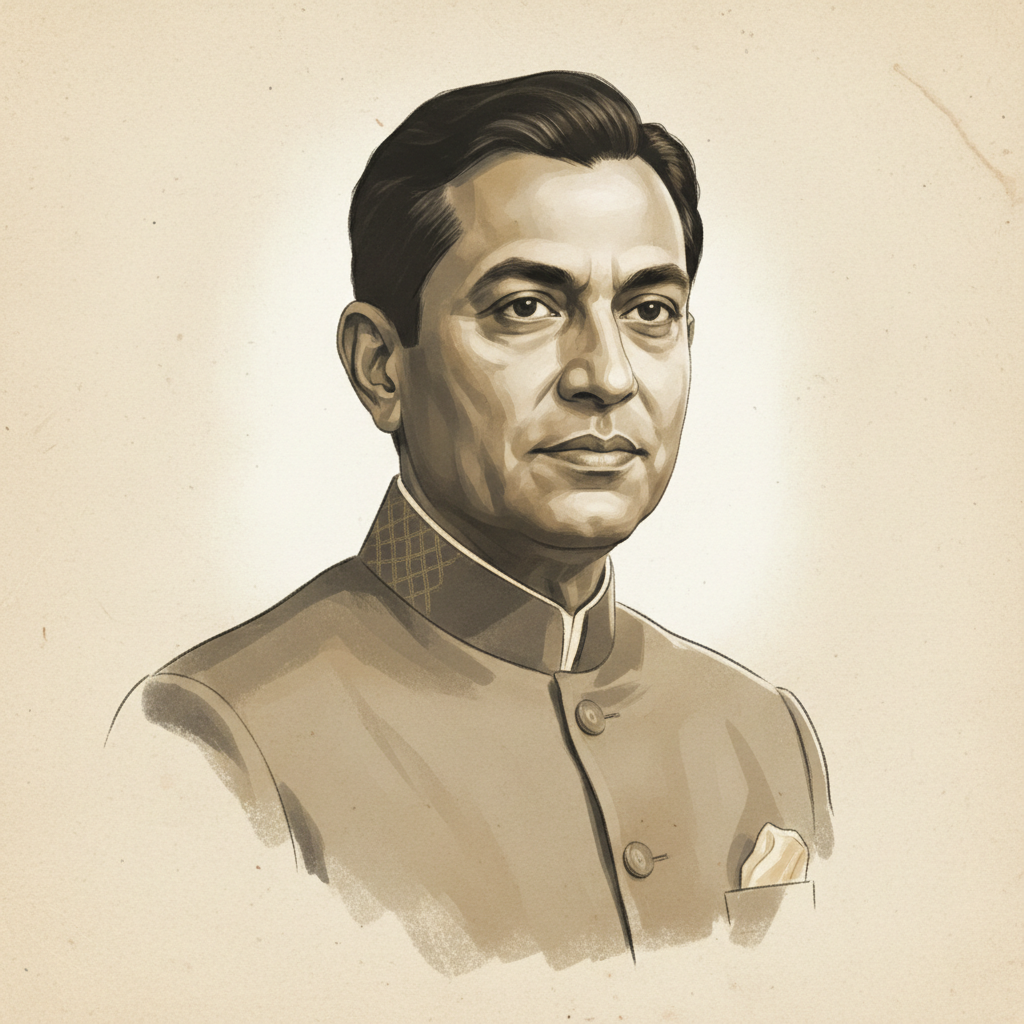
S. P. Lohia
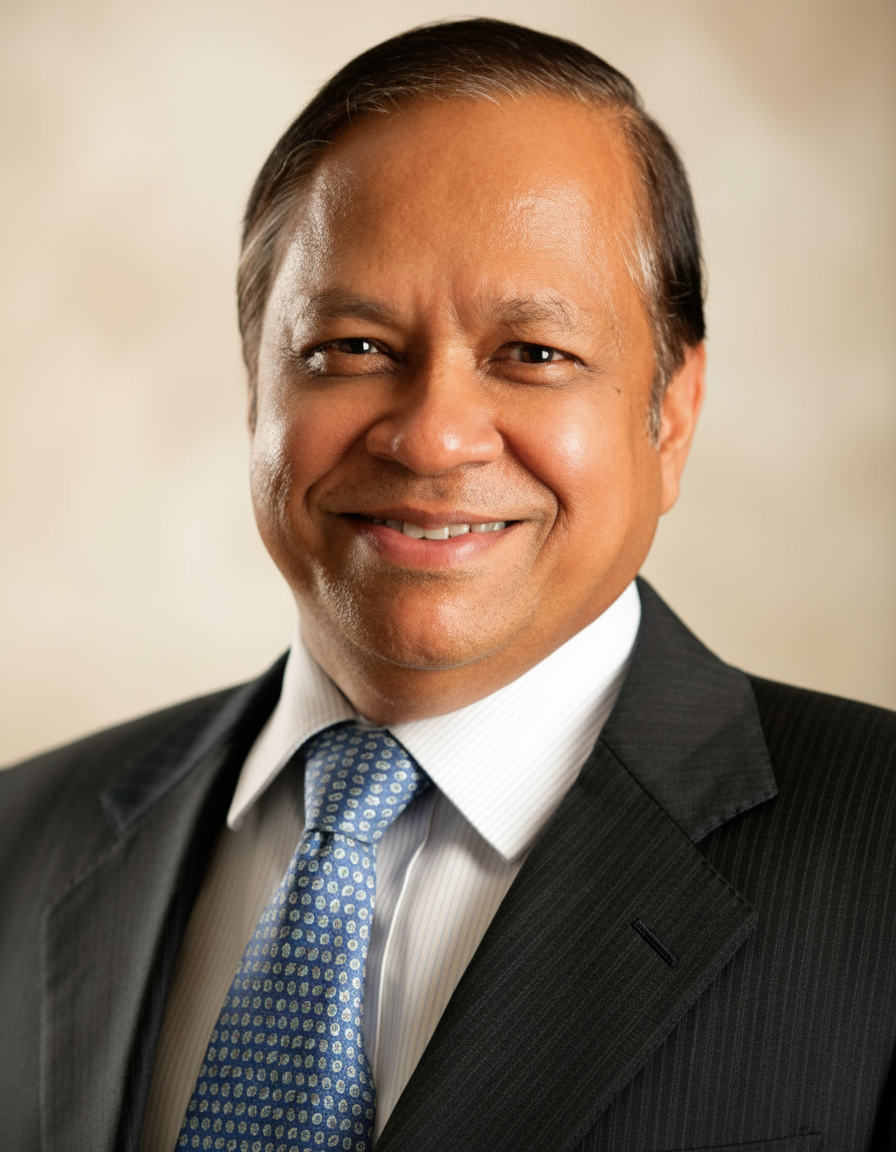
The architect of a global petrochemical and textile conglomerate built on strategic acquisitions and vertical integration.
S. P. Lohia is the founder and chairman of Indorama Corporation, a multinational diversified industrial group with significant operations in petrochemicals, fertilizers, polymers, and textiles. Starting with a small spinning mill in Indonesia in 1976, he systematically expanded the group through organic growth, greenfield projects, and strategic acquisitions globally, adapting to evolving market dynamics and leveraging vertical integration.
Biography
Accomplishments
- 01Founded Indorama Synthetics in Indonesia (1976), establishing the precursor to a global industrial conglomerate.
- 02Engineered the strategic acquisition and turnaround of Eleme Petrochemicals (now IEPL) in Nigeria (2006), transforming it into a petrochemical powerhouse and diversifying Indorama's core business.
- 03Led Indorama's expansion into the fertilizer sector, establishing Indorama Eleme Fertilizers & Chemicals Limited (IEFCL) in Nigeria, becoming a major African producer.
- 04Implemented extensive vertical integration strategies across textiles, polymers, and petrochemicals, enhancing supply chain control and cost efficiency.
- 05Successfully executed numerous international acquisitions and greenfield projects across diverse geographies (e.g., Uzbekistan, USA, Nigeria), demonstrating global market acumen.
- 06Built Indorama Corporation into one of the world's largest producers of polyester, intermediates, and industrial chemicals.
Lessons for Operators
Key Takeaways
Practical lessons distilled for operators, investors, C-levels, and capital allocators.
Strategic Vertical Integration
Adopt a vertical integration strategy to gain control over critical supply chains, improve cost structures, and insulate operations from market volatility. This is particularly effective in commodity-intensive industries.
Global Opportunism in Acquisitions
Actively seek and evaluate acquisition targets in diverse global markets, especially those with divestiture opportunities, privatizations, or distressed assets, where potential for turnaround and value creation is high.
Agile Diversification
Be prepared to diversify into adjacent industries that leverage existing operational expertise and market knowledge, even if it means moving away from traditional core businesses, to mitigate risk and unlock new growth avenues.
Relentless Focus on Operational Efficiency
Prioritize operational excellence, cost optimization, and technological upgrades in all production facilities. This ensures competitiveness and profitability, especially in high-volume, low-margin sectors.
Patience in Growth and Capital Allocation
Success in building a global enterprise requires a long-term perspective. Allocate capital with a multi-decade vision, understanding that significant returns often accrue over extended periods through sustained strategic execution.
Frameworks & Principles
Named frameworks and strategic principles they popularized or embodied.
Vertical Integration Strategy
A business strategy where a company acquires control over stages of its production process. For Indorama, this involved moving from textile production to manufacturing polyester, then to producing raw materials like PTA and ethylene.
When to useApplicable when seeking to reduce supply chain risk, control costs, improve quality, and gain competitive advantage in industries with high raw material costs or volatile supply, or where specialized inputs are crucial.
Opportunistic M&A in Emerging Markets
Identifies and acquires undervalued assets or privatized state-owned enterprises in developing economies, often leveraging local market knowledge and operational expertise to turn them around.
When to useSuitable for companies with strong operational turnaround capabilities looking for high-growth potential markets and willing to navigate complex regulatory and political landscapes. Requires effective due diligence and risk assessment.
Growth via Diversification into Adjacent Industries
Expanding the business into sectors that are functionally related or leverage existing core competencies (e.g., chemical processing expertise from textiles to petrochemicals or fertilizers). This can de-risk a portfolio and open new revenue streams.
When to useShould be considered when core markets are mature, when there's an opportunity to apply existing technological or operational strengths to new products, or to enhance resilience against industry-specific downturns.
Explore Related Titans
Other figures in the archive who share S. P. Lohia's domain, geography, or era.
More in Industrial & Manufacturing



Contemporaries — born 1940s