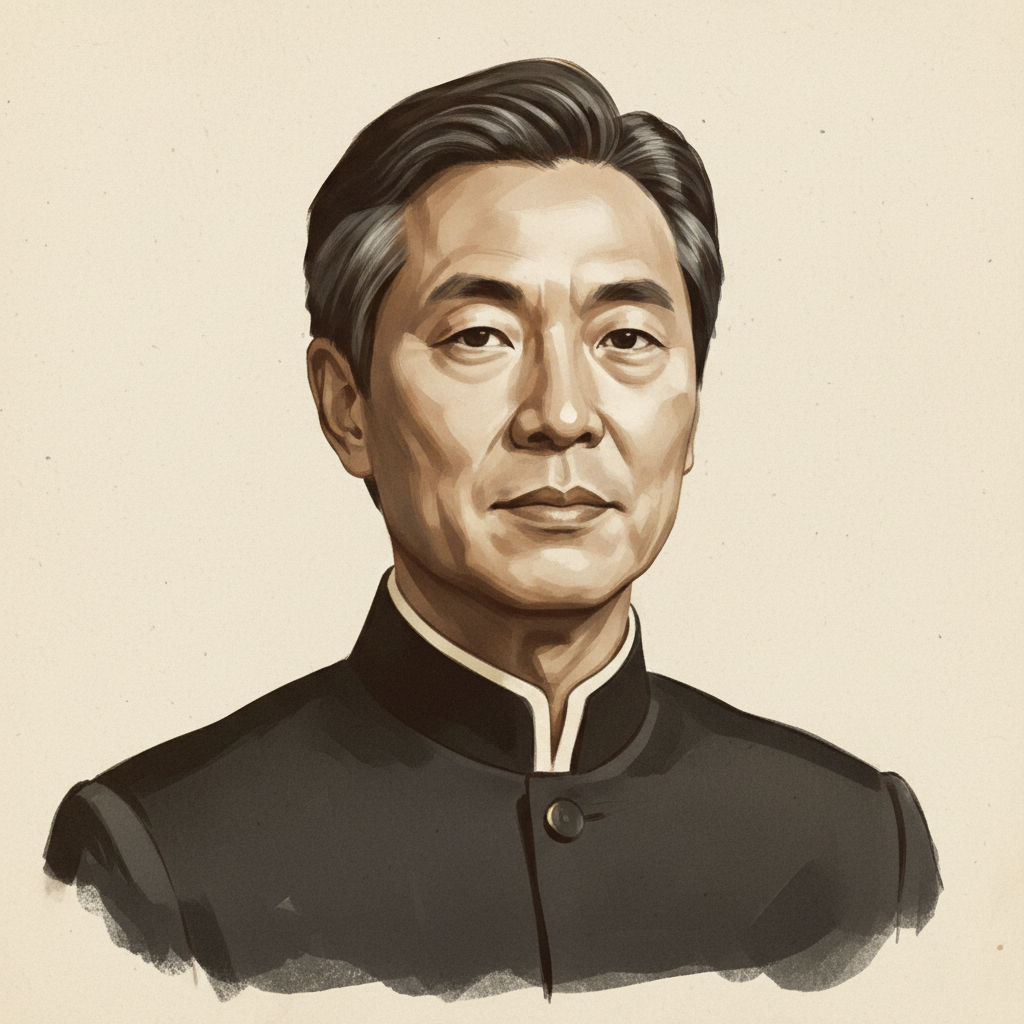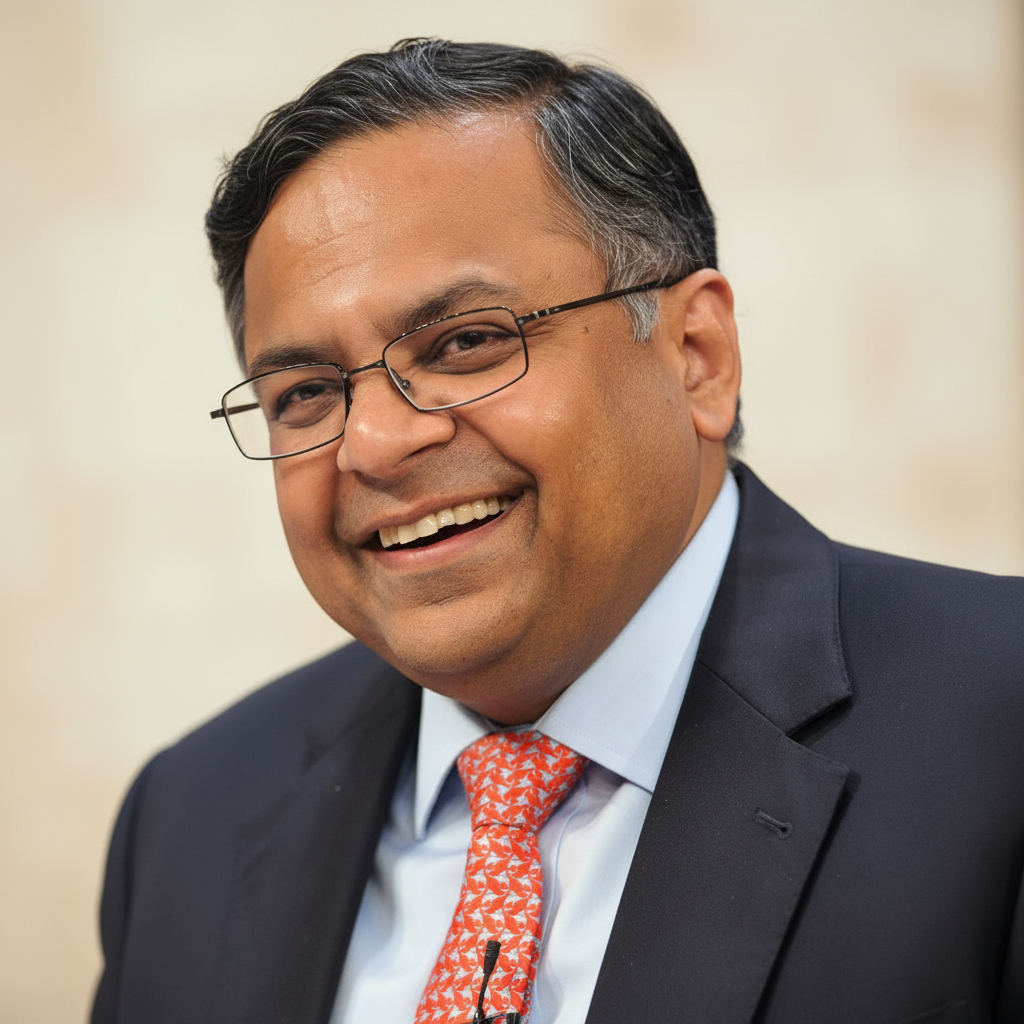
Natarajan Chandrasekaran
Architect of Tata Group's digital transformation and strategic consolidation.
Natarajan Chandrasekaran, known as 'Chandra,' is a career Tata executive who ascended to the chairmanship of Tata Sons, the holding company of the Tata Group, in February 2017. He previously led Tata Consultancy Services (TCS) as CEO and MD from 2009, transforming it into a global IT services powerhouse through an aggressive focus on digital technologies and large-scale client engagement. At Tata Sons, he has orchestrated a significant strategic recalibration, divesting non-core assets, simplifying the group's complex structure, and emphasizing digital integration across its diverse portfolio.
Biography
Accomplishments
- 01Transformed Tata Consultancy Services (TCS) into India's largest IT services company, growing revenue from $6 billion to $16.5 billion and significantly increasing its market capitalization as CEO (2009-2017).
- 02Orchestrated the strategic simplification of the Tata Group portfolio, including divestments like Tata Steel's UK assets and consolidation of multiple subsidiaries.
- 03Led Tata Digital's aggressive foray into e-commerce with the launch of the 'Tata Neu' super-app in 2022, integrating diverse consumer brands (e.g., BigBasket, 1mg, Croma, Air India Express, IHCL).
- 04Successfully acquired Air India in 2022, repatriating the national carrier to its original founders, Tata Group, and initiating a comprehensive turnaround strategy.
- 05Spearheaded significant deleveraging efforts across various Tata Group companies, improving overall financial health and capital allocation efficiency.
- 06Initiated and accelerated the digital transformation agenda across the entire Tata Group, positioning traditional businesses for future growth in the digital economy.
Lessons for Operators
Key Takeaways
Practical lessons distilled for operators, investors, C-levels, and capital allocators.
Conglomerate Rejuvenation through Digital
Chandrasekaran demonstrates that even century-old conglomerates can be revitalized by embracing a digital-first strategy, consolidating parallel efforts, and creating unified customer experiences across diverse verticals. This requires top-down commitment and significant investment in new platforms.
The Power of an Ecosystem
His vision for Tata Neu exemplifies the strategy of building integrated ecosystems. Operators should consider how their disparate offerings can be bundled or interlinked to create greater value and stickiness for customers, beyond mere product silos.
Bold Capital Realignment
Investors and C-levels can learn from his proactive approach to portfolio pruning and strategic acquisitions (like Air India). This isn't just about growth, but about optimizing capital deployment and shedding value destroyers, even if they are historic assets.
Operational Rigor at Scale
Chandrasekaran's background at TCS honed his ability to manage complex operations globally. This rigor is now applied across Tata's diverse businesses – a critical factor for successful integration post-acquisition and for achieving efficiency gains across the group.
Visionary Leadership in Transition
He took the helm during a turbulent period for Tata Sons. His steady, strategic, and forward-looking leadership underscores the importance of a clear vision and decisive action when steering a large, complex organization through periods of significant change and internal challenges.
Frameworks & Principles
Named frameworks and strategic principles they popularized or embodied.
Portfolio Rationalization & Simplification
A systematic approach to evaluating all group businesses, identifying non-core or underperforming assets for divestment or consolidation, and streamlining corporate structures. Focuses on capital efficiency and strategic alignment.
When to useWhen managing a diversified conglomerate with a complex legacy portfolio, underperforming units, or an inefficient capital structure. Ideal for freeing up capital and management bandwidth for high-growth areas.
Digital Conglomerate Ecosystem Strategy
Building an integrated digital platform (e.g., a 'super-app') that unifies various consumer-facing businesses within a conglomerate. Aims to leverage cross-selling opportunities, enhance brand loyalty, and collect unified customer data.
When to useApplicable for diversified groups with significant consumer presence across multiple industries. Useful for creating network effects, improving customer engagement, and accelerating digital transformation across the group.
Value-Based Acquisition & Turnaround
The strategic acquisition of significant assets (e.g., Air India) that either fill a critical gap, offer significant long-term value, or hold symbolic importance, followed by an aggressive turnaround plan focused on operational efficiency, technological upgrades, and financial restructuring.
When to useWhen a strategic opportunity arises to acquire a distressed but fundamentally valuable asset. Requires strong post-acquisition integration capabilities and a long-term commitment to restructuring and revitalization.
Sources & Further Reading
Profiles, interviews, podcasts, and articles used to compile and verify this entry. Each link opens at the original publisher.
Explore Related Titans
Other figures in the archive who share Natarajan Chandrasekaran's domain, geography, or era.
More in Industrial & Manufacturing

From India
Contemporaries — born 1960s