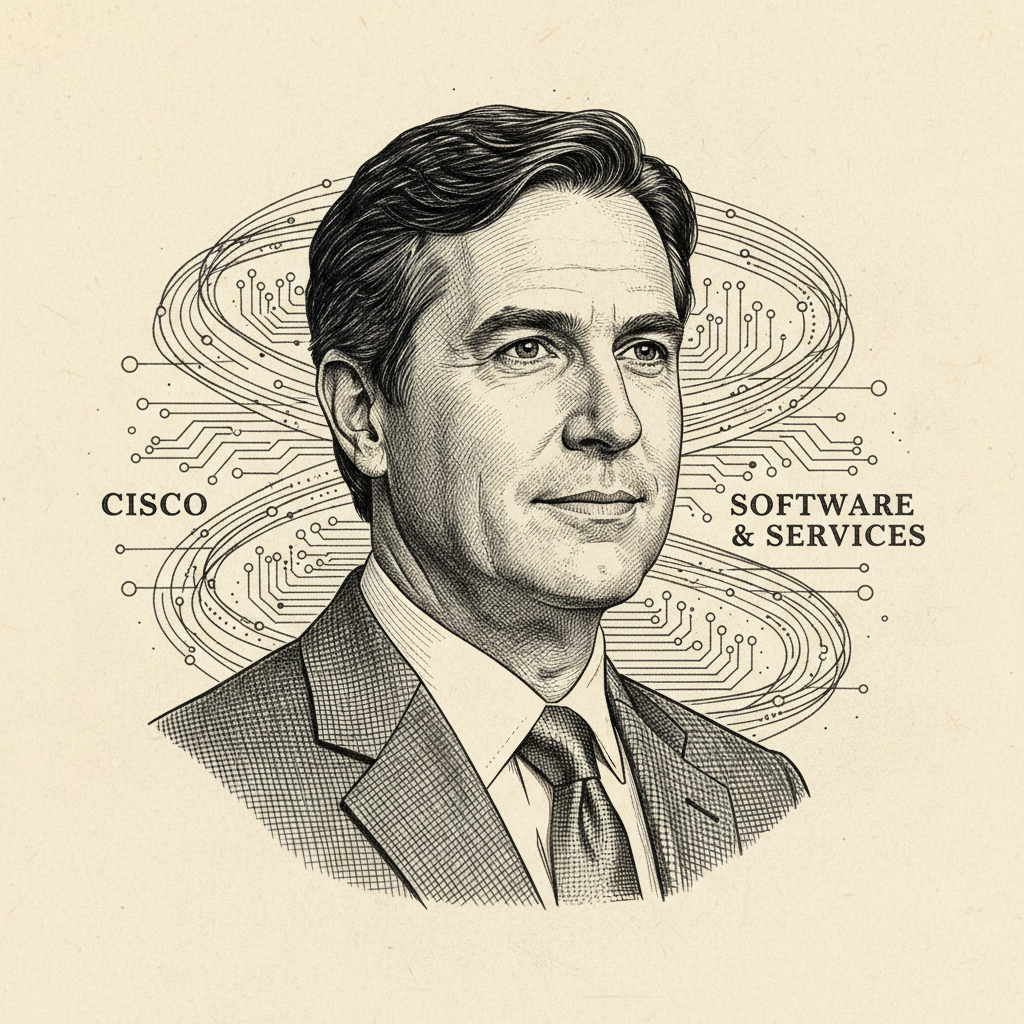
Piyush Gupta
Architect of DBS's digital transformation and leading global recognition for banking innovation.
Piyush Gupta is the Chief Executive Officer and Director of DBS Group, a leading financial services group in Asia. Appointed in November 2009, he has spearheaded a comprehensive digital transformation strategy, repositioning DBS from a regional bank to a global leader in banking innovation.
Biography
Accomplishments
- 01Led DBS to be recognized as 'World's Best Bank' three times (2018, 2020, 2021) by Global Finance, and 'Best Bank in the World' by Euromoney (2019, 2021) and The Banker (2021), unprecedented for an Asian bank.
- 02Orchestrated a comprehensive digital transformation, migrating the vast majority of banking transactions to digital channels and integrating AI/ML across core processes, resulting in significant efficiency gains.
- 03Launched digibank by DBS in India (2016) and Indonesia (2017), a mobile-only bank that acquired millions of customers, demonstrating successful challenger bank strategies within an incumbent structure.
- 04Established the DBS Vickers Digital Exchange (DDX) in 2020, offering tokenized assets and cryptocurrency trading, positioning DBS at the forefront of institutional digital asset innovation.
- 05Achieved sustained shareholder value creation, with DBS's market capitalization growing substantially under his tenure, reflecting strong financial performance and strategic execution.
- 06Championed a culture of innovation and agile methodologies, transforming DBS into a '27,000-person startup' by fostering experimentation and rapid product development.
Lessons for Operators
Key Takeaways
Practical lessons distilled for operators, investors, C-levels, and capital allocators.
Proactive Digitalization
Do not wait for disruption; initiate your own transformation. Allocate significant capital and leadership focus to digital initiatives years before competitive pressure forces it. (e.g., DBS's 2014 digital roadmap).
Customer Journey Mapping
Re-engineer processes and service delivery around the customer's needs and preferences, using technology to simplify and enrich their experience. (e.g., 'invisible banking' vision for digibank).
Cultural Re-tooling for Agility
Invest in training, re-skilling, and organizational changes (e.g., agile squads, hackathons) to foster a mindset of continuous innovation and rapid iteration across the enterprise, even in regulated industries.
Ecosystem Strategy
Look beyond direct competition; identify opportunities to integrate with or enable other businesses through open APIs and platform development, expanding reach and value propositions. (e.g., DBS's open API platform with over 400 APIs).
New Asset Classes & Technologies
Explore and strategically invest in emerging technologies (e.g., blockchain, AI) and asset classes (e.g., digital assets) to future-proof the business and capture first-mover advantages in nascent markets. (e.g., DBS Digital Exchange).
Frameworks & Principles
Named frameworks and strategic principles they popularized or embodied.
27,000-Person Startup
A cultural framework emphasizing speed, agility, and experimentation within the scale of a large enterprise. It involves breaking down silos, adopting agile methodologies, and fostering an entrepreneurial mindset among employees.
When to useApplicable for large organizations aiming to accelerate innovation, improve time-to-market for new products, and cultivate a responsive, adaptable workforce while maintaining operational rigor.
GANDALF (Go and Do a New, Awesome, Lovely Feature)
An internal framework at DBS for encouraging rapid prototyping and iterative development. It allows teams to quickly conceptualize, build, and test new features or products, often with minimal bureaucracy.
When to useEffective for product development teams seeking to reduce lead times, gather early user feedback, and foster a culture of continuous improvement through short development cycles.
Customer Journey Transformation
A holistic approach to re-imagining customer interactions by mapping out existing journeys, identifying pain points, and leveraging digital technologies to create seamless, intuitive, and personalized experiences.
When to useEssential when significant dissatisfaction exists in customer touchpoints, or when aiming for industry leadership in customer experience through digital channels. Requires cross-functional collaboration and a deep understanding of customer behavior.
Sources & Further Reading
Profiles, interviews, podcasts, and articles used to compile and verify this entry. Each link opens at the original publisher.
Explore Related Titans
Other figures in the archive who share Piyush Gupta's domain, geography, or era.
More in Finance & Investing










From India









Contemporaries — born 1960s