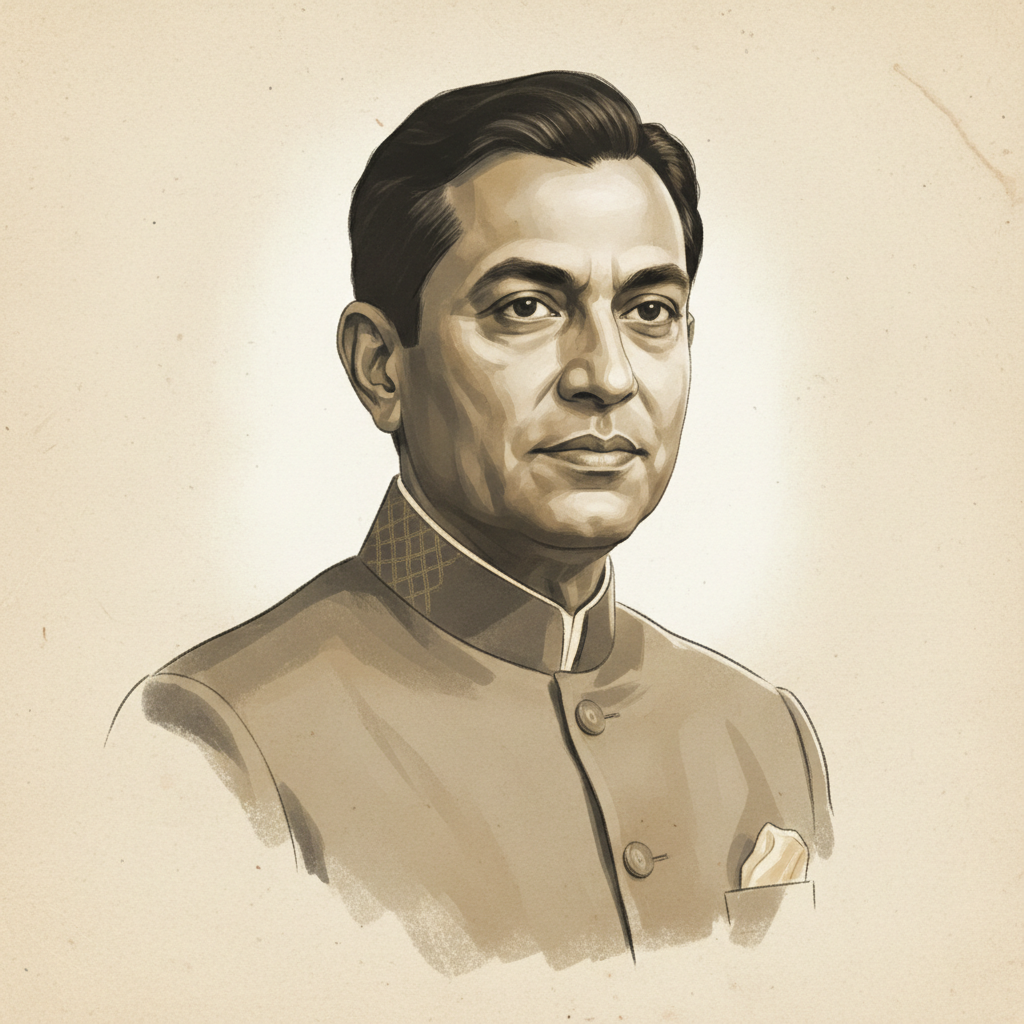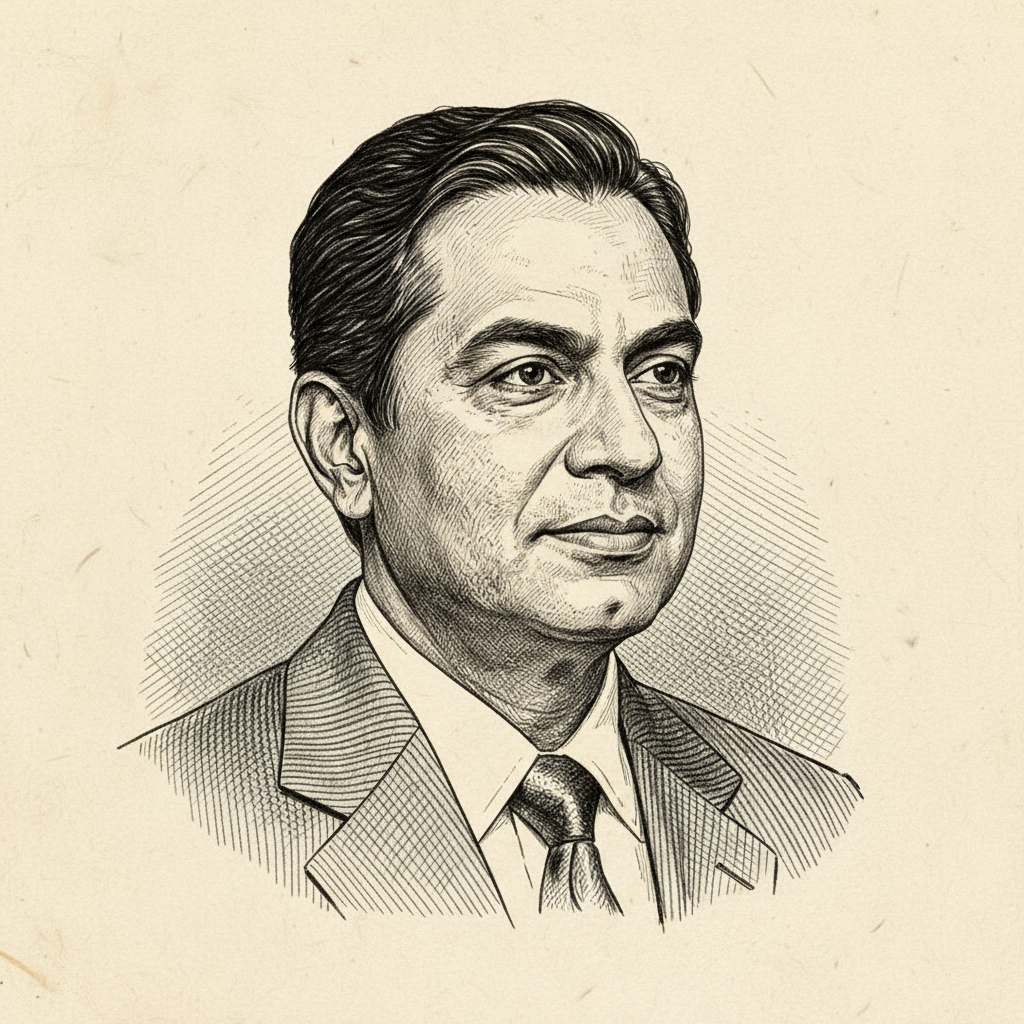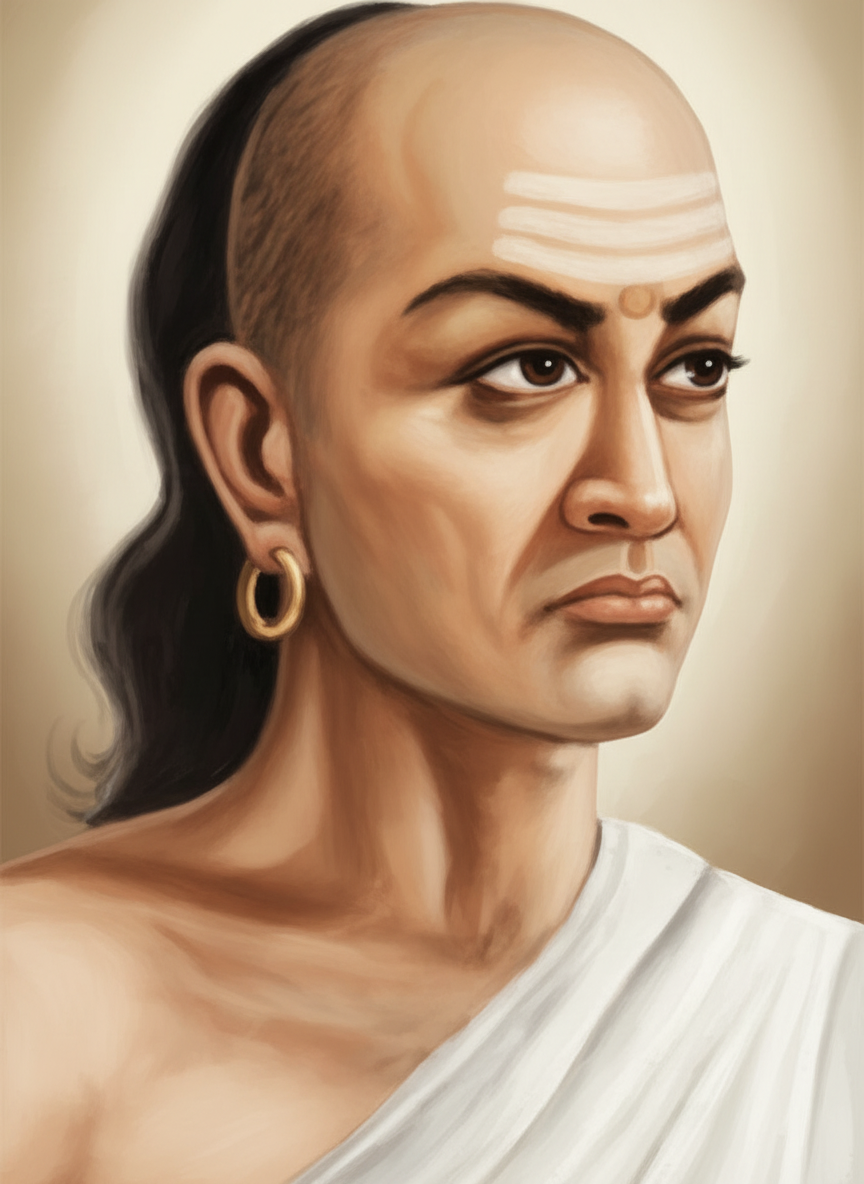
Chanakya
The architect of unified India, master strategist, and foundational thinker in statecraft and economics.
Chanakya, also known as Kautilya or Vishnugupta, was an ancient Indian polymath who served as chief advisor to Emperor Chandragupta Maurya. He was instrumental in the overthrow of the Nanda Dynasty and the establishment of the Maurya Empire, the first pan-Indian empire. His treatise, the 'Arthashastra,' provides a comprehensive framework for economics, statecraft, and military strategy.
Biography
Accomplishments
- 01Orchestrated the overthrow of the powerful Nanda Dynasty, paving the way for the Maurya Empire.
- 02Mentored Chandragupta Maurya from a commoner to the founder and first emperor of the Maurya Dynasty (circa 322 BCE).
- 03Authored the 'Arthashastra', a seminal work on statecraft, economic policy, and military strategy, offering practical guidance for rulers.
- 04Established a highly centralized and efficient administrative system for the Maurya Empire, encompassing espionage, justice, and resource management.
- 05Formulated robust economic policies, including taxation, land reforms, and trade regulations, fostering prosperity within the empire.
- 06Developed sophisticated foreign policy doctrines, including diplomacy, alliances, and asymmetric warfare, crucial for imperial expansion and stability.
Lessons for Operators
Key Takeaways
Practical lessons distilled for operators, investors, C-levels, and capital allocators.
Pragmatic Realism in Governance
Chanakya's core philosophy is one of pragmatic realism. He advocated for decisions based on practical outcomes and state interests, rather than abstract moral ideals. For C-levels, this means making data-driven decisions, prioritizing organizational survival and growth, and adapting strategies based on market realities, even if unpopular in the short term.
The Interconnectedness of Power and Wealth
He meticulously detailed how economic strength (kosha) directly correlates with military might (danda) and political influence. Leaders must recognize that financial stability and robust economic performance are not just bottom-line metrics but fundamental enablers for strategic initiatives, market dominance, and long-term organizational endurance.
Intelligence as a Strategic Asset
Espionage and information gathering are central themes in the 'Arthashastra'. Chanakya deployed vast networks to monitor internal dissent, external threats, and competitor activities. Enterprise leaders should invest heavily in competitive intelligence, market research, and data analytics to anticipate trends, identify threats, and uncover opportunities before competitors.
The Art of Alliance and Diplomacy
Chanakya's diplomatic strategies, including forming alliances with weaker states against a dominant enemy (the 'circle of states' theory), were crucial for expanding Maurya power. For businesses, this underscores the importance of strategic partnerships, joint ventures, and ecosystem development to gain market access, share risk, and enhance collective bargaining power.
Institutional Design for Longevity
Beyond conquest, Chanakya focused on establishing enduring administrative structures, clear laws, and effective taxation systems. This highlights that sustainable success is not merely about achieving a goal (e.g., market entry) but developing robust, scalable operational frameworks, governance structures, and repeatable processes to ensure long-term stability and growth.
Frameworks & Principles
Named frameworks and strategic principles they popularized or embodied.
Saptanga Theory (Seven Limbs of the State)
This framework posits that a state is composed of seven interdependent elements: Swami (King/Leader), Amatya (Ministers/Management), Janapada (Territory/Market), Durga (Fortified City/Infrastructure), Kosha (Treasury/Capital), Danda (Army/Workforce), and Mitra (Allies/Partners). A weakness in any limb affects the entire body.
When to useApplicable for C-levels and enterprise leaders when conducting a holistic strategic review of their organization. It helps in identifying operational weaknesses, assessing market positioning, evaluating financial health, and optimizing external relationships for sustained growth and resilience.
Mandala Theory (Circle of States)
This diplomatic framework suggests that a king's immediate neighbor is an enemy, the neighbor's neighbor is an ally, and so on. It outlines a complex set of relationships (friends, enemies, neutrals, middle, etc.) for strategic alliances and rivalries.
When to useUseful for businesses operating in highly competitive or interconnected ecosystems. Fund managers can use it to analyze industry consolidation, potential M&A targets, and competitive dynamics. CEOs can apply it for competitive intelligence, partnership strategies, and identifying disruptive threats or opportunities in their extended industry value chain.
Four Upayas (Tactics of State Policy)
These are Sama (conciliation/negotiation), Dana (gifts/inducement), Bheda (dissension/division), and Danda (force/punishment). Rulers should employ these tactics sequentially or in combination to achieve their objectives.
When to useRelevant for leaders engaged in high-stakes negotiations, conflict resolution, or competitive maneuvering. Can be applied to internal organizational change management (e.g., incentives, restructurings) or external market strategies (e.g., offering discounts, disrupting competitor partnerships, aggressive market entry).
Quotations
"Before you start some work, always ask yourself why am I doing it, what the results might be, and will I be successful."
Recent Appearances
Latest interviews, keynotes, and press from the past half year.
 youtube.com
 youtube.com
 youtube.com
 youtube.com
 youtube.com
 youtube.com
 youtube.com
Sources & Further Reading
Profiles, interviews, podcasts, and articles used to compile and verify this entry. Each link opens at the original publisher.
Explore Related Titans
Other figures in the archive who share Chanakya's domain, geography, or era.
More in Other




From India