Andrew Jackson
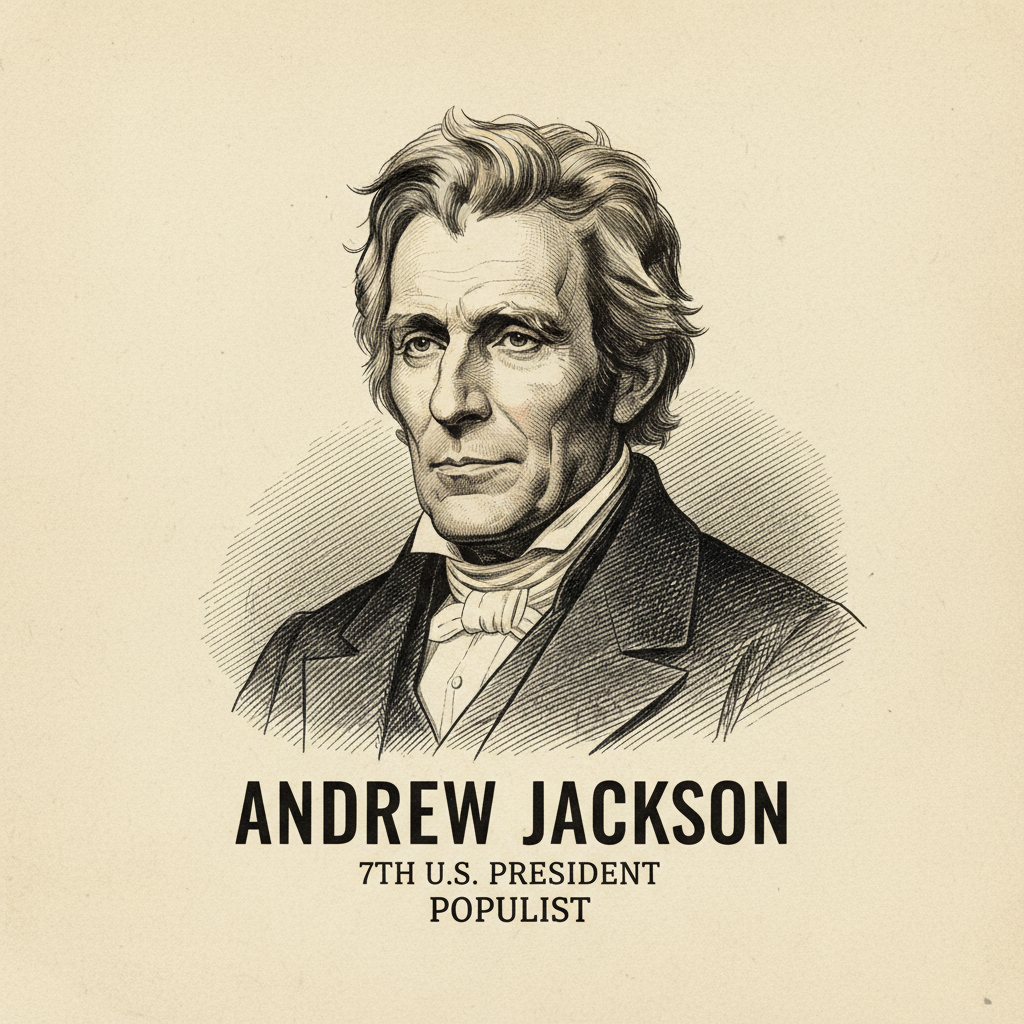
The architect of modern presidential power and a relentless executor of policy.
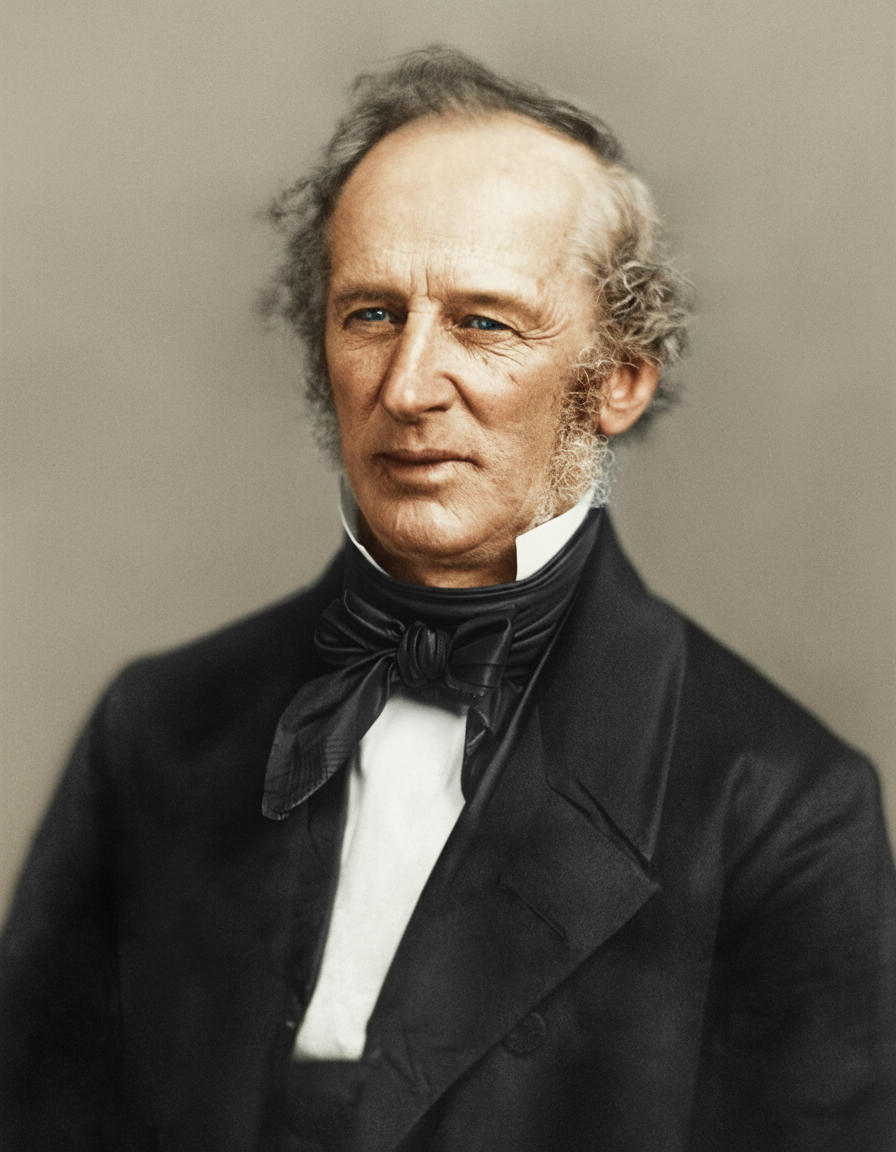
Andrew Jackson, the seventh U.S. President, rose from an orphaned frontier background to command armies and reshape the American political landscape. Known for his decisive leadership, often controversial policies including the Indian Removal Act, and his foundational role in establishing the modern Democratic Party, Jackson centralized executive power and championed the 'common man,' profoundly impacting American governance and economic policy.
Biography
Accomplishments
- 01Victory at the Battle of New Orleans (1815): Led American forces to a decisive victory against the British, cementing national independence and his heroic status.
- 02Founding of the modern Democratic Party (circa 1828): Orchestrated the transition from a fragmented political landscape to a two-party system, defining party organization and popular appeal.
- 03Veto of the Second Bank of the United States recharter (1832): Dismantled a powerful, privately-held national bank, asserting executive power over financial institutions and promoting specie circulation.
- 04Resolution of the Nullification Crisis (1832-1833): Successfully confronted South Carolina's attempt to nullify federal law, upholding the supremacy of federal authority and preserving the Union.
- 05Indian Removal Act (1830) and subsequent policies: Though highly controversial and devastating to Native American tribes, this policy irrevocably reshaped the geopolitical landscape of the American South.
- 06Expansion of Executive Power: Transformed the presidency from a more constrained office to a dynamic, assertive branch of government, setting precedents for future executive actions.
Lessons for Operators
Key Takeaways
Practical lessons distilled for operators, investors, C-levels, and capital allocators.
Assertive Executive Leadership
Jackson's presidency defined a new standard for presidential power, using the veto more frequently than all his predecessors combined and directly challenging both legislative and judicial branches. This demonstrated that a strong executive can drive a bold agenda, but also carries significant risks of overreach.
Populist Appeal and Mass Mobilization
Jackson successfully harnessed the nascent democratic impulses of his era, creating a broad-based political party that appealed to the 'common man.' Understanding and mobilizing your base, regardless of the 'elite' opinion, is critical for achieving and maintaining power/market share.
Strategic Risk-Taking and Confrontation
From military campaigns to the Bank War, Jackson was unafraid to confront powerful adversaries directly. His success often stemmed from calculated risks and an unyielding will to prevail, even when facing significant opposition and potential political fallout.
The Duality of Visionary Leadership
Jackson's actions exemplified how a leader's vision can concurrently lead to significant progress (e.g., strengthening federal union) and profound moral failures (e.g., Indian Removal). Every strategic decision has a complex array of consequences, which must be acknowledged and continuously evaluated.
Financial System Influence
His dismantling of the Second Bank of the United States profoundly altered the course of American finance, ushering in an era of decentralized banking. This highlights how policy decisions concerning core financial infrastructure can have cascading, long-term effects on economic development and capital flows.
Frameworks & Principles
Named frameworks and strategic principles they popularized or embodied.
Jacksonian Democracy Model
A political approach characterized by an appeal to the 'common man,' expansion of suffrage (for white males), limited government intervention in the economy (except in specific cases like tariffs or central banking), and a strong executive branch. It favored direct political participation over elite mediation.
When to useApplicable when strategizing mass market penetration, campaigning for broad public support for a product or policy, or when aiming to disrupt established elite structures by empowering a larger, less-represented group of stakeholders. Warning: This framework also carries historical baggage of exclusion and potentially authoritarian tendencies in execution.
Executive Unilateralism Strategy
A method of governance or leadership where the executive (President, CEO, etc.) acts decisively using their inherent powers, often bypassing or overriding legislative or consensual processes. It leverages direct authority and popular mandate to implement policy or drive organizational change quickly.
When to useTo be considered during organizational crises requiring rapid decisions, when confronting institutional gridlock, or when a clear, overwhelming mandate exists for a specific direction. Caution is advised as this approach can centralize power excessively and bypass necessary checks and balances, leading to internal or external backlash.
The 'Bank War' Model (Market Disruption via Regulation)
A strategy involving the direct confrontation and dismantling of powerful, often monopolistic, existing market institutions through executive or regulatory action, often justified by populist rhetoric or concerns about concentrated power. The goal is to redistribute economic power or reshape market structures.
When to useRelevant when a dominant industry player is perceived as stifling competition, wielding undue influence, or acting contrary to broader public or stakeholder interests. This framework requires immense political will and carries significant risks of economic instability and entrenched opposition.
Recent Appearances
Latest interviews, keynotes, and press from the past half year.
 youtube.com
 youtube.com
![How Andrew Jackson EXPANDED Federal Power [APUSH Review]](https://i.ytimg.com/vi/5ofOfZIZc5I/hqdefault.jpg) youtube.com
youtube.com youtube.com
 youtube.com
 youtube.com
 youtube.com
 youtube.com
 youtube.com
 youtube.com
 youtube.com
 youtube.com
 youtube.com
 youtube.com
 youtube.com
 youtube.com
 youtube.com
 youtube.com
 youtube.com
 youtube.com
 youtube.com
 youtube.com
 youtube.com
 m.youtube.com
 youtube.com
 youtube.com
 youtube.com
 youtube.com
 youtube.com
 youtube.comyoutube.com
 youtube.com
 youtube.com
 youtube.com
 youtube.com
 youtube.com
 youtube.com
 youtube.com
 youtube.com
 youtube.com
 youtube.com
 youtube.com
 youtube.com
 youtube.com
 youtube.com
 youtube.com
 youtube.com
 youtube.com
 youtube.com
 youtube.com
 youtube.com
 youtube.com
 youtube.com
 youtube.com
 youtube.com
 youtube.com
 youtube.com
 youtube.com
 youtube.com
 youtube.com
 youtube.com
 youtube.com
 youtube.com
 youtube.com
 youtube.com
 youtube.com
 youtube.com
 youtube.com
 youtube.com
 youtube.com
 youtube.com
 youtube.com
 youtube.com
 youtube.com
 youtube.com
 youtube.com
 youtube.com
 youtube.com
 youtube.com
 youtube.comyoutube.com
 youtube.com
 youtube.com
 youtube.com
 youtube.com
 youtube.com
 youtube.com
 youtube.com
 youtube.com
 youtube.com
 youtube.com
 m.youtube.com
 m.youtube.com
 youtube.com
 youtube.com
 youtube.com
 youtube.com
 youtube.com
 youtube.com
 youtube.com
 youtube.com
 youtube.com
 youtube.com
 youtube.com
 youtube.com
 youtube.com
 youtube.com
 youtube.com
 youtube.com
 youtube.com
 youtube.com
 youtube.com
 m.youtube.com
 youtube.com
 youtube.com
 youtube.com
 youtube.com
 youtube.com
 m.youtube.com
 youtube.com
 youtube.com
 youtube.com
 youtube.com
 m.youtube.com
 youtube.com
 m.youtube.com
 m.youtube.com
 youtube.com
 youtube.com
 youtube.com
 youtube.com
 youtube.com
 youtube.com
 youtube.com
 youtube.com
 youtube.comm.youtube.com
 youtube.com
 youtube.com
 youtube.com
 youtube.com
 youtube.com
 youtube.com
 youtube.com
 youtube.com
 youtube.com
 youtube.com
 m.youtube.com
 youtube.com
 youtube.com
 youtube.com
 m.youtube.com
 youtube.com
 youtube.comyoutube.com
 youtube.com
 youtube.com
 youtube.com
 youtube.com
 youtube.com
 m.youtube.com
 youtube.com
 youtube.comyoutube.com
 youtube.com
Sources & Further Reading
Profiles, interviews, podcasts, and articles used to compile and verify this entry. Each link opens at the original publisher.
Explore Related Titans
Other figures in the archive who share Andrew Jackson's domain, geography, or era.
More in Other



From United States






Contemporaries — 18th century