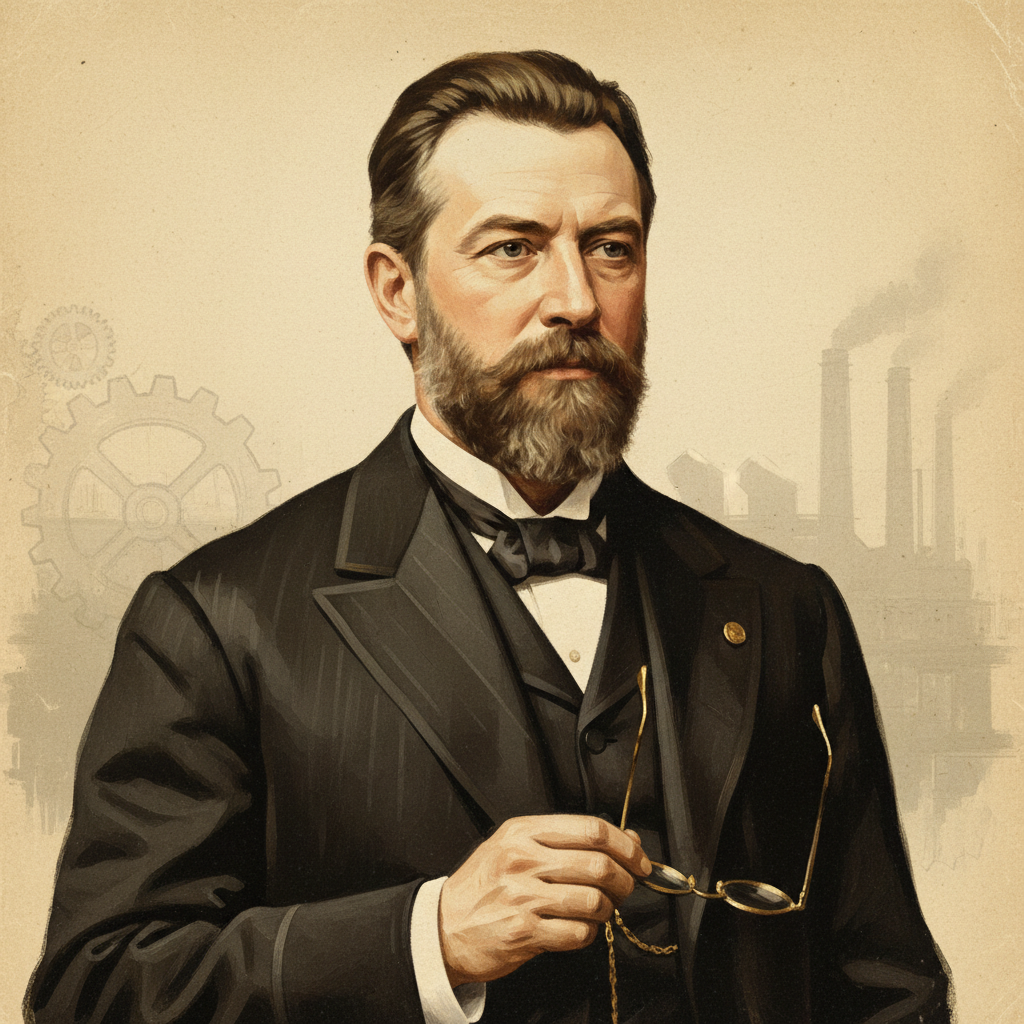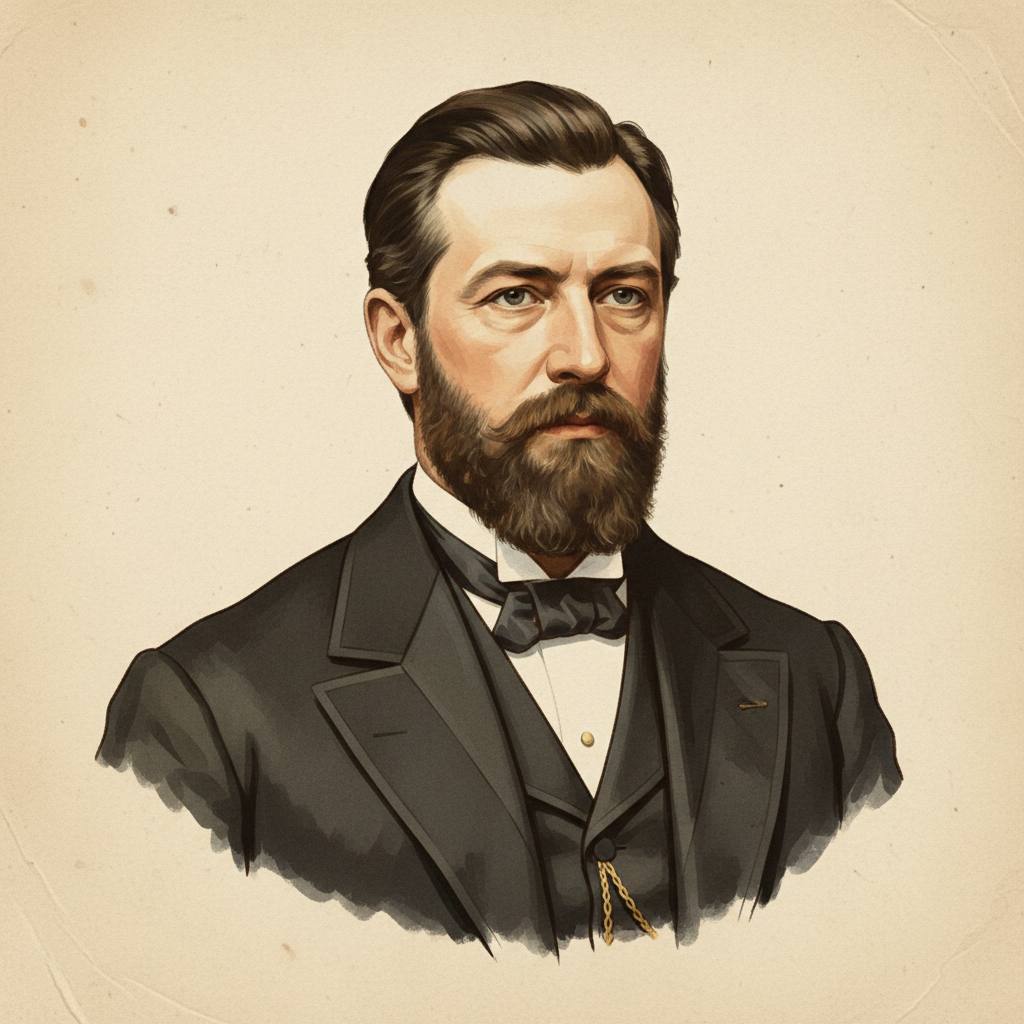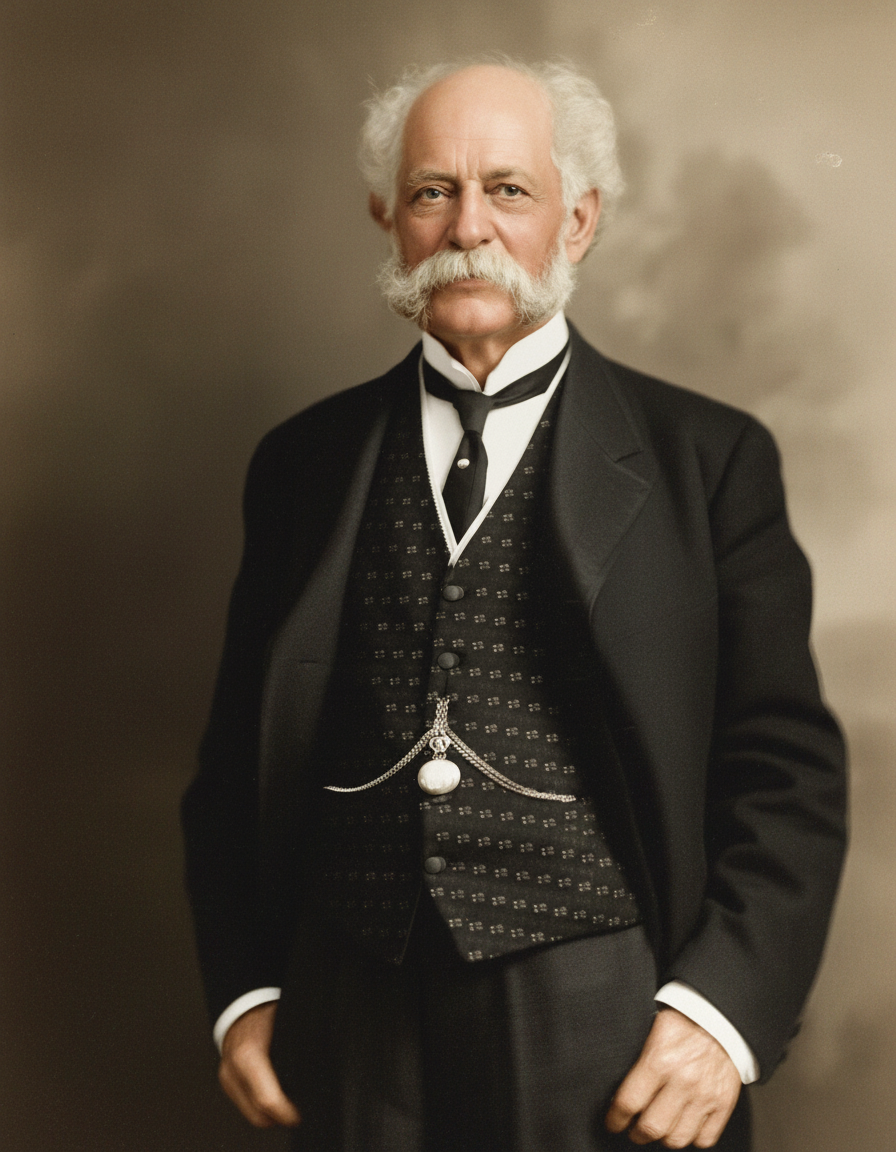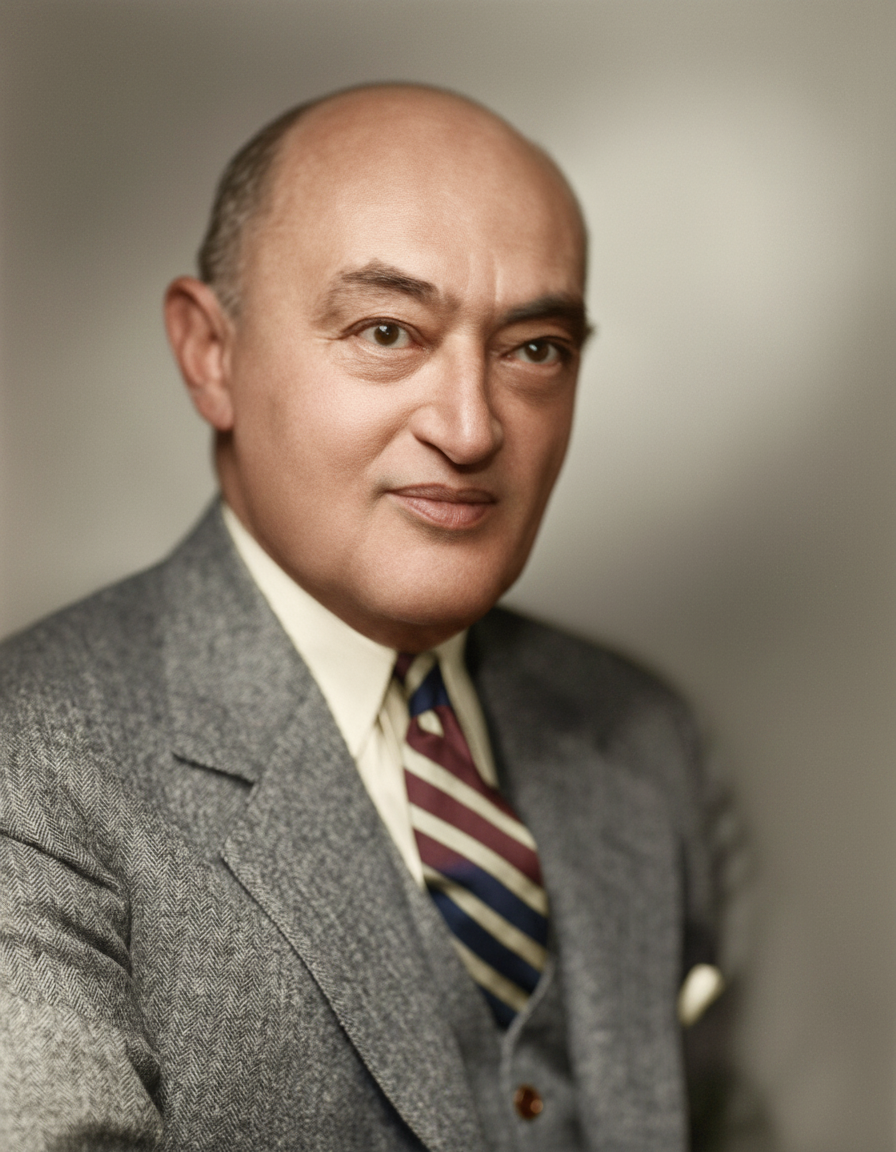
Joseph Schumpeter
The prophet of 'creative destruction' and the fundamental role of innovation in economic evolution.
Joseph Schumpeter was an Austrian-American economist who championed the role of entrepreneurship and innovation as the central drivers of economic development. He coined the term 'creative destruction' to describe the incessant process of industrial mutation that revolutionizes the economic structure from within, incessantly destroying the old one, incessantly creating a new one.
Biography
Accomplishments
- 01Published 'The Theory of Economic Development' (1911), introducing the entrepreneur as the central agent of economic change and innovation as the engine of development, not just capital accumulation.
- 02Coined and extensively developed the concept of 'creative destruction' in 'Capitalism, Socialism and Democracy' (1942), describing the continuous process by which new innovations displace outdated industries and methods, driving long-term economic growth.
- 03Developed a theory of business cycles (e.g., 'Business Cycles: A Theoretical, Historical, and Statistical Analysis of the Capitalist Process,' 1939) based on the clustering of innovations and their disruptive impact.
- 04Predicted the eventual decline of capitalism due to the bureaucratization of innovation and the erosion of the entrepreneurial function, despite recognizing its unparalleled dynamism.
- 05Served as Austria's Minister of Finance (1919), though his tenure was brief and ended without significant policy success, providing him practical insight into economic governance.
Lessons for Operators
Key Takeaways
Practical lessons distilled for operators, investors, C-levels, and capital allocators.
The Entrepreneur as the Catalyst
Schumpeter argued that the entrepreneur, not the capitalist, is the dynamic force in economic development. This individual identifies opportunities for new combinations of resources and executes them, fundamentally altering markets and industries. Invest in and empower intrapreneurs and external founders.
Creative Destruction is Inevitable and Necessary
The process where new innovations displace old ones is brutal but essential for progress. Organizations must continuously assess their vulnerability to disruption and proactively engage in self-disruption. Kodak, despite inventing the digital camera, failed to embrace its own disruptive innovation, leading to its 2012 bankruptcy.
Innovation is the Root of Competitive Advantage
Sustainable advantage comes from novelty – new products, new processes, new markets. Businesses that merely optimize existing paradigms will eventually be outmaneuvered. Apple's continuous product innovation, from the iPod to the iPhone, exemplifies this principle.
Capitalism's Dynamic but Potentially Self-Destructive Nature
Schumpeter saw capitalism as highly dynamic but also containing the seeds of its own demise, largely due to the bureaucratization of innovation and the rise of managerialism over entrepreneurial spirit. Leaders must foster cultures that protect and reward disruptive thinking, even if it challenges established internal practices.
Frameworks & Principles
Named frameworks and strategic principles they popularized or embodied.
Creative Destruction Cycle
This framework describes the process by which new innovations disrupt existing markets and industries, rendering old technologies, products, or business models obsolete. It is a continuous cycle of destruction and creation.
When to useApply when analyzing market shifts, evaluating the sustainability of established businesses, predicting industry trajectories, or formulating strategies for disruptive innovation. Useful for M&A, R&D allocation, and strategic pivots.
The Entrepreneurial Function
Schumpeter defined the entrepreneur not merely as a business owner or a capitalist, but as an innovator who introduces 'new combinations' (new products, methods, markets, etc.) that drive economic development, distinct from routine management.
When to useUse when designing organizational structures that foster innovation, identifying key talent for new ventures or product development, or assessing the innovative capacity of an economy or industry. Crucial for venture capital, corporate innovation labs, and executive talent management.
Innovation-Driven Business Cycles
This framework posits that business cycles are driven by the discontinuous appearance and clustering of major innovations, leading to boom periods as these innovations are diffused, followed by downturns as the old economic structures are liquidated.
When to useEmploy when forecasting macroeconomic trends, timing investments in new technologies, or understanding the long-term impact of technological revolutions. Useful for fund managers and capital allocators planning for sector rotation and technological paradigm shifts.
Sources & Further Reading
Profiles, interviews, podcasts, and articles used to compile and verify this entry. Each link opens at the original publisher.
Explore Related Titans
Other figures in the archive who share Joseph Schumpeter's domain, geography, or era.
More in Other






Contemporaries — 19th century