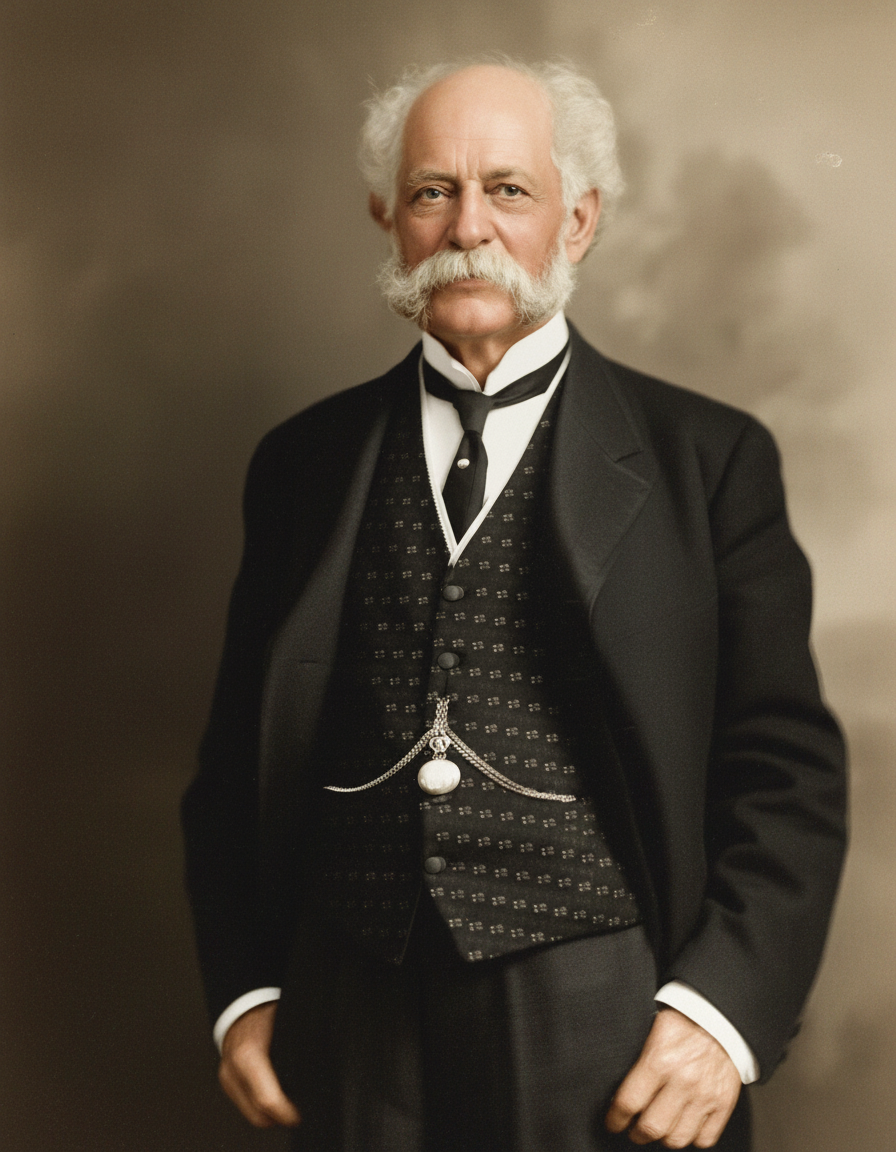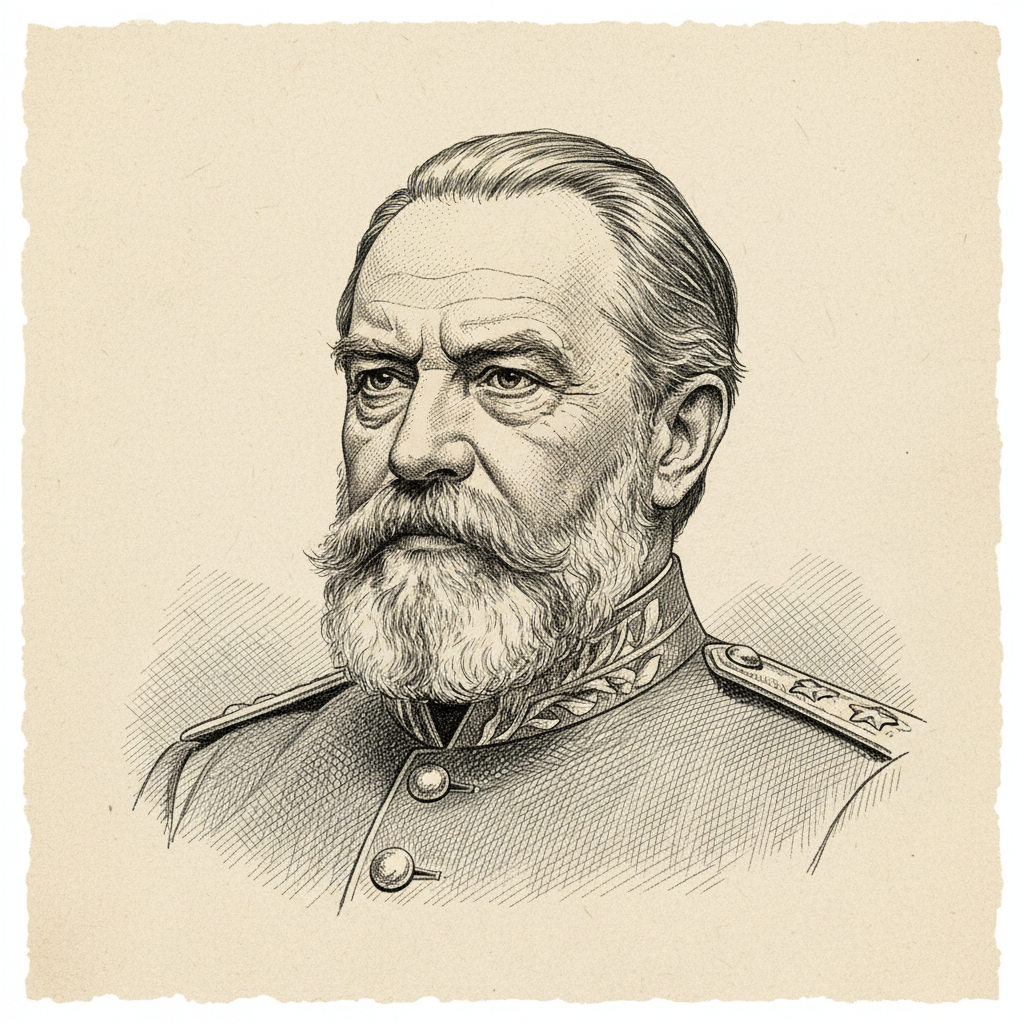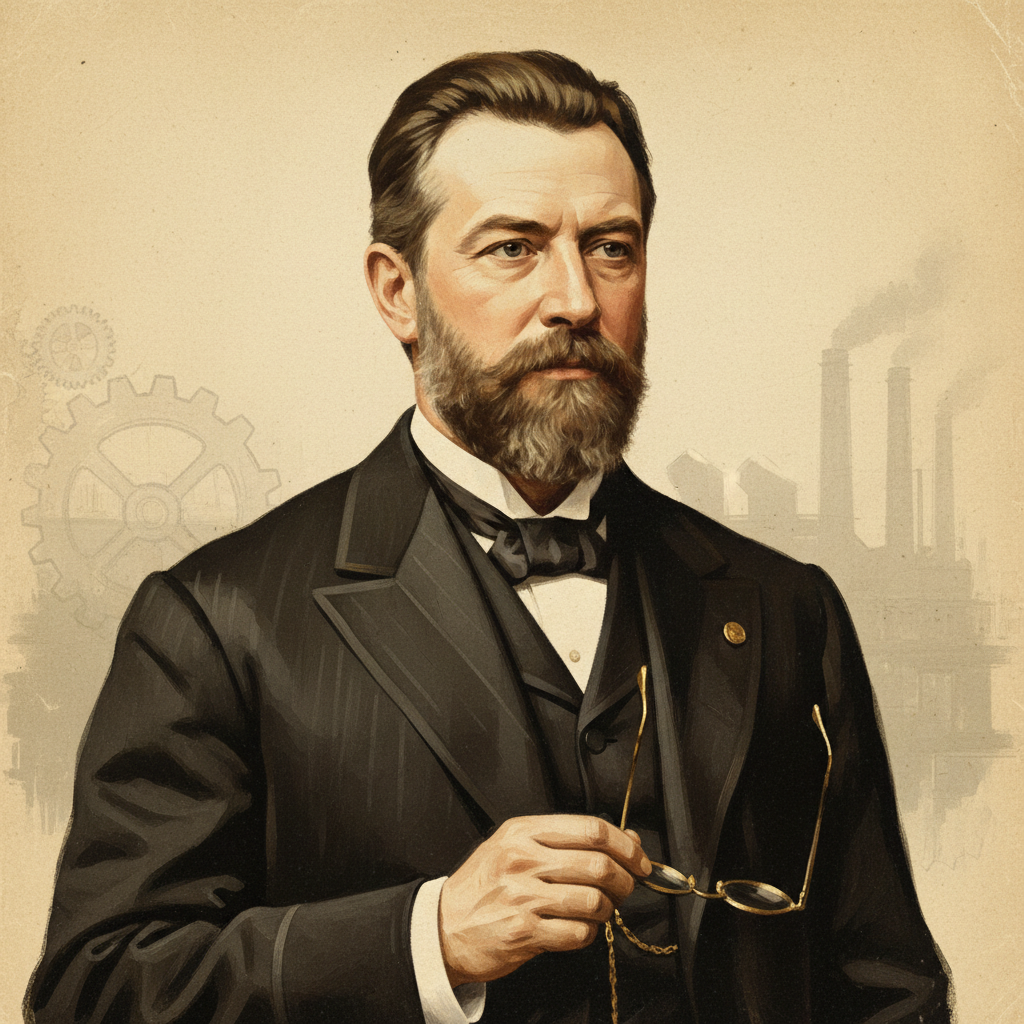
Andrew Carnegie
The architect of American steel supremacy and a pioneering industrialist whose innovations in cost control and vertical integration reshaped global manufacturing.
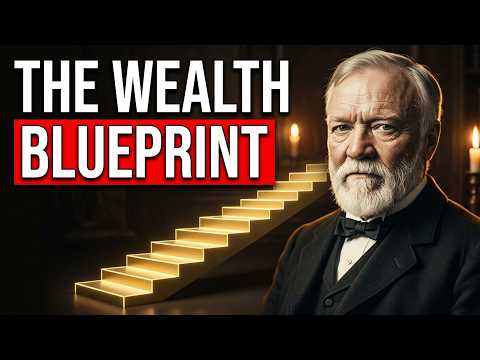
Andrew Carnegie emigrated from Scotland to the United States in 1848, rising from a bobbin boy to a telegraph operator, eventually building the Carnegie Steel Company into the largest steel producer in the world. His mastery of cost efficiency, vertical integration, and strategic market timing allowed him to dominate the nascent American steel industry. After selling Carnegie Steel in 1901 for $480 million, he dedicated the rest of his life to philanthropy.
Biography
Accomplishments
- 01Built Carnegie Steel Company into the world's largest and most profitable steel producer, achieving unrivaled economies of scale and cost efficiency.
- 02Pioneered vertical integration in the manufacturing sector, owning raw material sources, transportation, and refining processes, thereby controlling costs and supply chains.
- 03Successfully leveraged and adapted the Bessemer process for steel production, making steel affordable and widely available for infrastructure development (railroads, bridges, skyscrapers).
- 04Orchestrated the sale of Carnegie Steel to J.P. Morgan in 1901 for $480 million, creating U.S. Steel Corporation, the first billion-dollar corporation in the world.
- 05Formulated and implemented the 'Gospel of Wealth' philosophy, donating approximately 90% of his fortune to philanthropic endeavors, establishing public libraries, universities (Carnegie Mellon), and peace initiatives.
- 06Mentored and empowered a highly effective management team, decentralizing operations while maintaining strict cost oversight.
- 07Recognized and capitalized on the burgeoning demand for steel in the American industrial boom, strategically timing investments in new technologies and capacities.
Lessons for Operators
Key Takeaways
Practical lessons distilled for operators, investors, C-levels, and capital allocators.
Cost Leadership as a Foundation
Carnegie's enterprise was built on an unwavering commitment to being the lowest-cost producer. For operators, this means obsessive focus on efficiency, waste reduction, and process optimization. For investors, it signals a strong competitive advantage and resilience during market downturns. Leaders must instill a culture where every expenditure is scrutinized for maximum value.
Strategic Vertical Integration
By owning the mines, railroads, and factories, Carnegie controlled his supply chain from end to end. This strategy reduces vulnerability to supplier price increases, ensures consistent quality, and unlocks economies of scope. Evaluate critical dependencies in your business and consider strategic integration or long-term contractual control to de-risk operations and improve margins.
Innovation Adoption and Scale
Carnegie was not an inventor but a master adapter and scaler of technology (e.g., the Bessemer converter). Identify breakthrough technologies in your sector early, assess their potential, and be prepared to invest aggressively to achieve scale before competitors. This requires bold capital allocation and a willingness to disrupt existing practices.
Talent Development and Incentivization
Carnegie's success was amplified by his ability to identify and empower highly motivated individuals, offering them profit-sharing and ownership stakes. This decentralized yet performance-driven management style fosters innovation and accountability. C-levels should focus on creating robust talent pipelines, clear incentive structures, and environments that reward measurable results.
Counter-Cyclical Investment Philosophy
Carnegie frequently expanded and modernized his plants during economic depressions when input costs were low and competitors were retrenching. This allowed him to gain significant market share when the economy recovered. Fund managers and capital allocators should recognize the potential for outsized returns by deploying capital strategically during downturns, provided the underlying business model is sound.
Market Forethought and Aggressive Expansion
He correctly anticipated the industrial revolution's insatiable demand for steel and built capacity ahead of the curve. Leaders should engage in rigorous market analysis to identify secular growth trends and allocate capital to build future capacity, rather than just reacting to current demand.
Frameworks & Principles
Named frameworks and strategic principles they popularized or embodied.
The Gospel of Wealth
Carnegie's personal philosophy advocating that the wealthy should act as trustees of their fortunes, using their surplus resources for the benefit and improvement of society during their lifetimes. It emphasized systematic philanthropy rather than indiscriminate charity.
When to useApplicable for high-net-worth individuals, family offices, and corporate foundations considering strategic philanthropic initiatives. Provides a long-term framework for impactful giving focused on societal advancement rather than pure endowment.
Cost Accounting & Variance Analysis (Carnegie's Method)
Carnegie developed sophisticated internal accounting systems to track every input cost (coal, ore, labor, transportation) down to the smallest unit, allowing for immediate identification of inefficiencies and cost overruns. This facilitated real-time decision making to optimize profitability.
When to useEssential for any manufacturing, logistics, or large-scale operational business aiming for cost leadership. Implement robust cost tracking and reporting systems to identify variances from budgeted costs and drive continuous improvement. Useful for C-suite decision-makers seeking granular operational control and efficiency gains.
Vertical Integration Strategy
The corporate strategy of owning or controlling multiple stages of a supply chain. Carnegie implemented this by acquiring iron ore mines, coal fields, coke ovens, and railway lines, ensuring consistent supply, quality control, and significant cost reductions.
When to useConsider for businesses with critical input dependencies, high external supplier costs, or significant logistical challenges. Applicable for enterprise leaders evaluating M&A targets or strategic alliances to integrate key components of their value chain, enhance operational resilience, and secure competitive advantage.
Quotations
"The man who dies thus rich dies disgraced."
"Concentrate your energies, your thoughts and your capital."
Recent Appearances
Latest interviews, keynotes, and press from the past half year.
 youtube.com
 youtube.com
 youtube.com
 youtube.com
 youtube.com
 youtube.com
 youtube.com
 youtube.com
 youtube.com
 youtube.com
 youtube.com
 youtube.com
 youtube.com
 youtube.com
 youtube.com
 youtube.com
 youtube.com
 youtube.com
 youtube.com
 youtube.com
 youtube.com
 youtube.com
 youtube.com
 youtube.com
 youtube.com
 youtube.com
 youtube.com
 youtube.comyoutube.com
 youtube.com
 youtube.com
 youtube.com
 youtube.com
 youtube.com
 youtube.com
 youtube.com
 youtube.com
 youtube.com
 youtube.com
 youtube.com
 youtube.com
 youtube.com
 youtube.com
 youtube.com
 youtube.com
 youtube.com
 youtube.com
 youtube.com
 youtube.com
 youtube.com
 youtube.com
 youtube.com
 youtube.com
 youtube.comyoutube.com
 youtube.com
 youtube.com
 youtube.com
 youtube.com
 youtube.com
 youtube.com
 youtube.com
 youtube.com
 youtube.com
 youtube.com
 youtube.com
 m.youtube.com
 youtube.com
 youtube.com
 youtube.com
 youtube.com
 youtube.com
 youtube.com
 youtube.com
 youtube.com
 youtube.com
 youtube.com
 youtube.com
 youtube.com
 youtube.com
 youtube.com
 youtube.com
 youtube.com
 youtube.com
 youtube.comyoutube.com
 youtube.com
 youtube.com
 m.youtube.com
 youtube.com
 youtube.com
 youtube.com
 youtube.com
 youtube.com
 youtube.com
 youtube.com
 youtube.com
 youtube.com
 youtube.com
 youtube.com
 youtube.com
 youtube.com
 youtube.com
 youtube.com
 youtube.com
 youtube.com
 youtube.com
 youtube.com
 youtube.com
 youtube.com
 youtube.com
 youtube.com
 youtube.comm.youtube.com
 youtube.com
 youtube.com
 youtube.com
 youtube.com
 youtube.com
 youtube.com
 youtube.comm.youtube.com
 youtube.com
 youtube.com
 youtube.com
 m.youtube.com
 youtube.com
 youtube.com
 youtube.com
 youtube.com
 youtube.com
 youtube.com
 youtube.com
 youtube.com
 youtube.com
 youtube.com
 m.youtube.com
 youtube.com
 youtube.com
 youtube.com
 youtube.com
 youtube.com
 youtube.com
 youtube.com
 youtube.com
 youtube.com
 youtube.com
 youtube.com
 youtube.com
 youtube.com
 youtube.com
 youtube.com
 youtube.com
 youtube.com
 youtube.com
 youtube.com
 youtube.com
 youtube.com
 youtube.com
 youtube.com
 youtube.comyoutube.com
 youtube.com
 youtube.com
 youtube.com
 youtube.com
 m.youtube.com
 youtube.com
 youtube.comyoutube.com
Sources & Further Reading
Profiles, interviews, podcasts, and articles used to compile and verify this entry. Each link opens at the original publisher.
Explore Related Titans
Other figures in the archive who share Andrew Carnegie's domain, geography, or era.
More in Energy & Resources





From United States









Contemporaries — 19th century