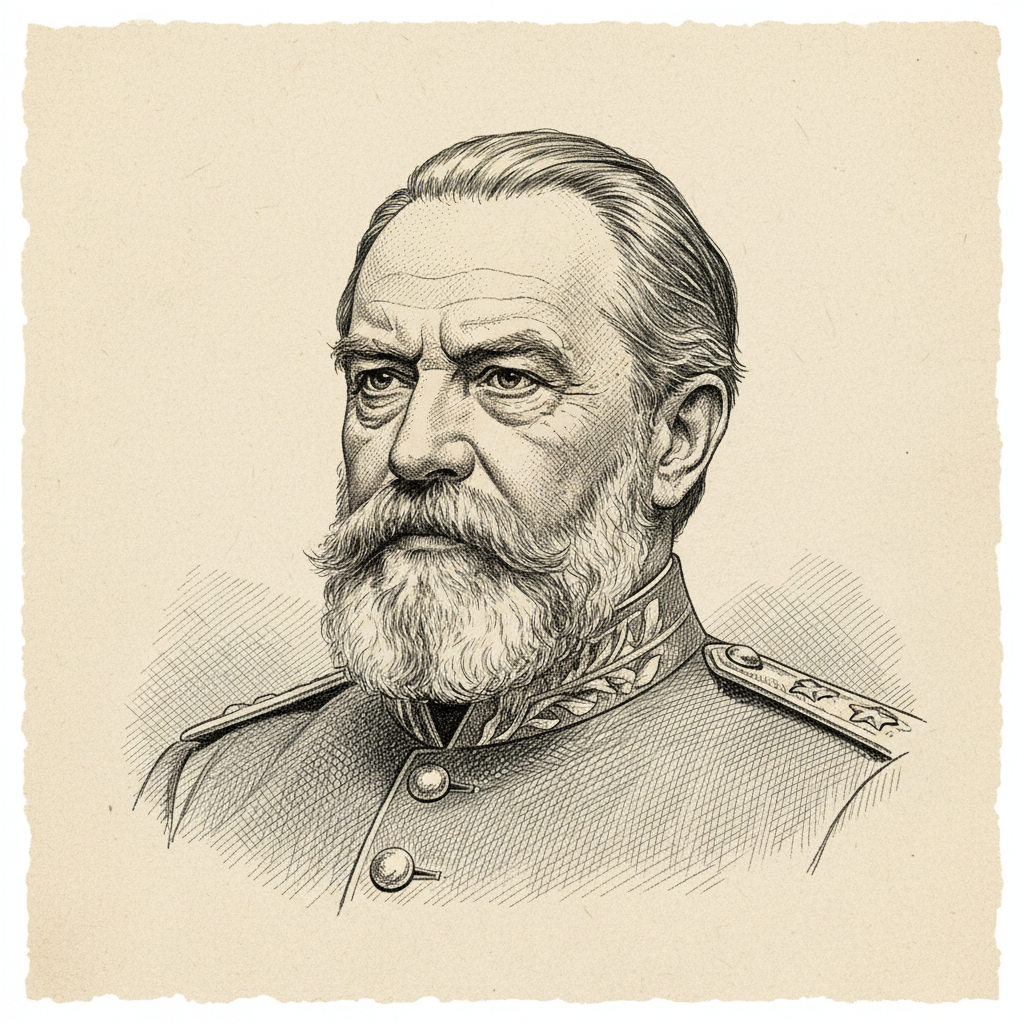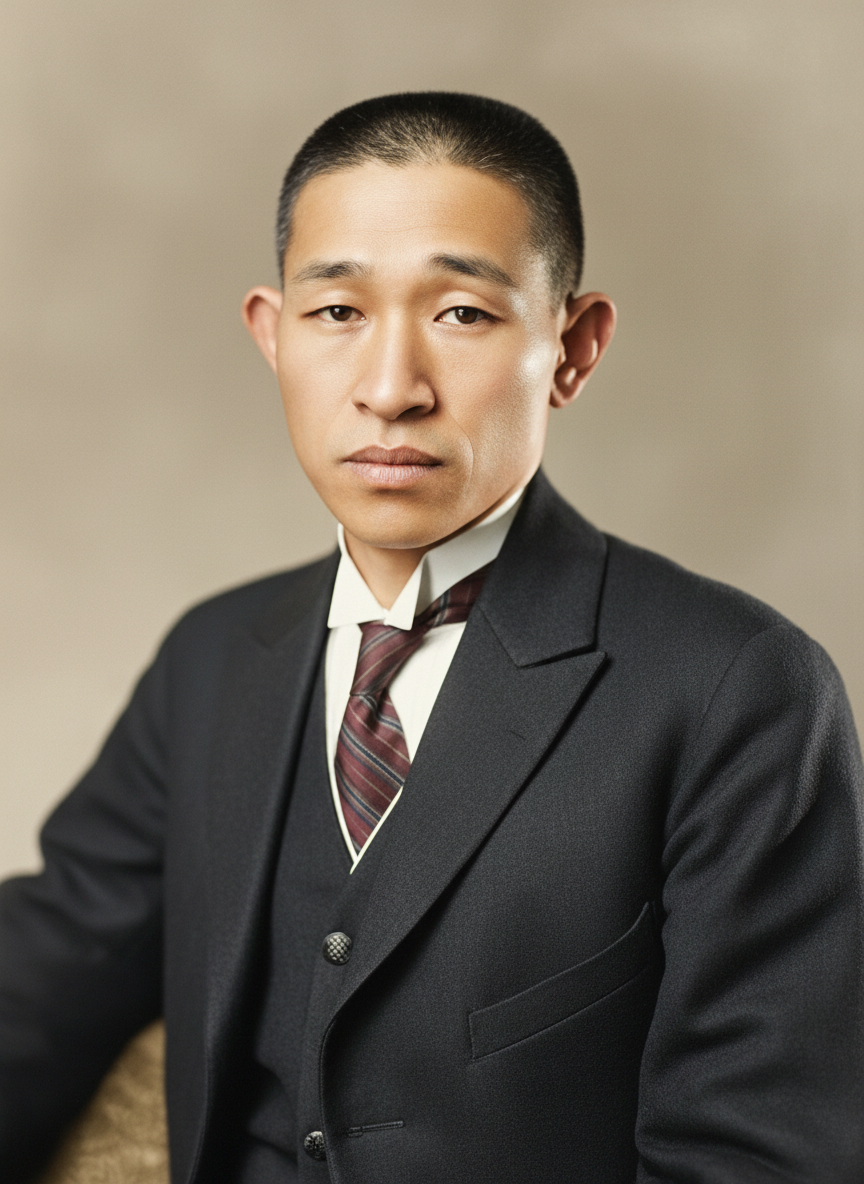
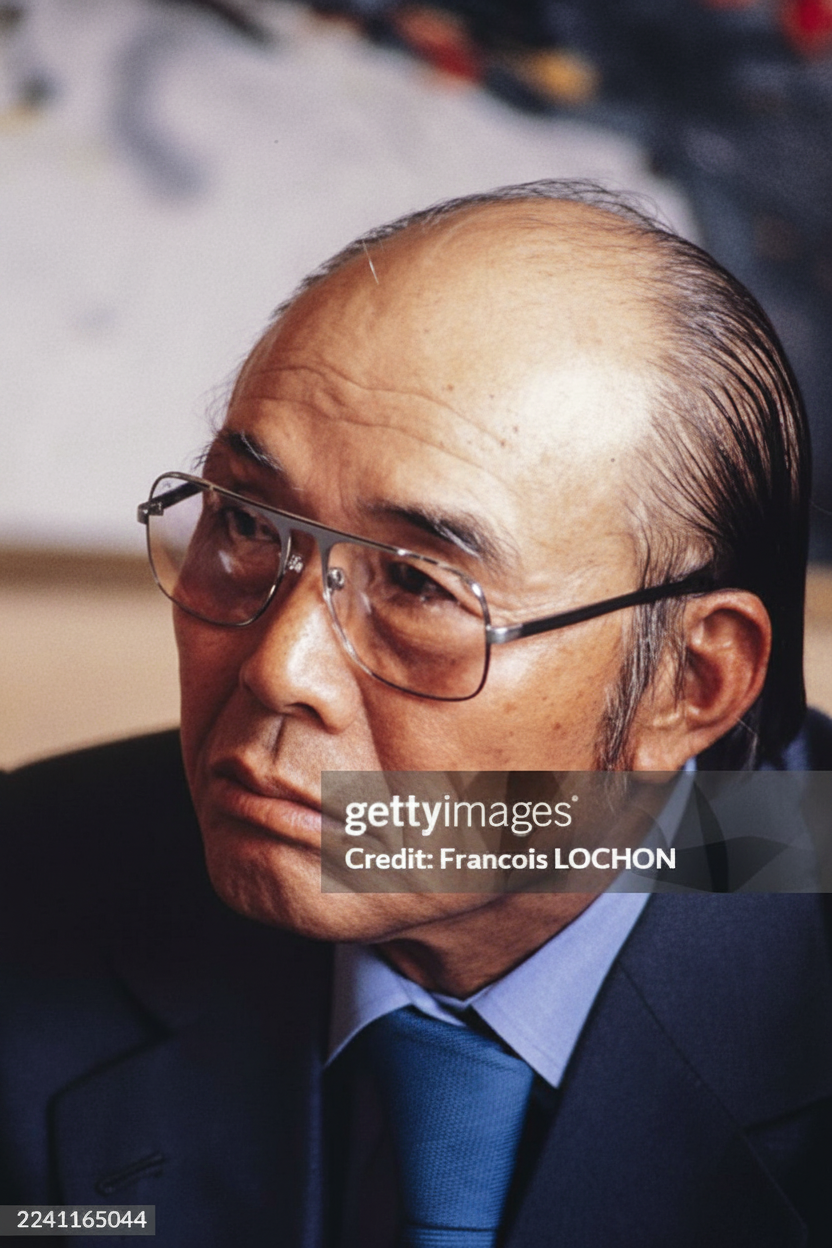
Konosuke Matsushita
The Founder of Panasonic, pioneered mass-market electronics and the 'management philosophy' approach to business.
Konosuke Matsushita, born in 1894, founded Matsushita Electric Industrial Co., Ltd. (now Panasonic Corporation) in 1918. A self-taught entrepreneur, he transformed a small operation producing light bulb sockets into one of the world's largest electronics manufacturers, emphasizing quality, affordability, and a unique management philosophy focused on employee welfare and societal contribution. He retired as president in 1961, assuming the role of chairman, and remained deeply involved in the company's strategic direction until his death in 1989.
Biography
Accomplishments
- 01Founded Matsushita Electric Industrial Co., Ltd. (now Panasonic Corporation) in 1918, growing it into a global electronics powerhouse.
- 02Pioneered the 'divisional system' in 1933, decentralizing management and fostering accountability within product lines, a common practice today.
- 03Developed a distinct 'management philosophy' (Keiei Tetsugaku) in 1932, emphasizing social responsibility, employee well-being, and continuous improvement, predating modern ESG principles.
- 04Navigated and rebuilt the company successfully after the devastation of World War II, expanding into new product categories like televisions and home appliances.
- 05Introduced innovative products for the mass market, such as improved light bulb sockets, battery-powered bicycle lamps (1927), and affordable radios, driving consumer adoption of electronics.
- 06Established the Matsushita Institute of Government and Management in 1979 to educate future leaders for Japan, reflecting his commitment to societal development.
- 07Implemented progressive labor practices, including a five-day work week and comprehensive employee training, fostering loyalty and productivity.
Lessons for Operators
Key Takeaways
Practical lessons distilled for operators, investors, C-levels, and capital allocators.
Holistic Management Philosophy
Matsushita believed business existed to serve society, not just shareholders. His 'seven spiritual values' (e.g., service to the public, fairness, humility) formed the bedrock of Panasonic's culture. For leaders: Articulate a clear, ethical purpose that inspires employees and stakeholders beyond quarterly results. This builds resilience and long-term value.
Decentralization as a Growth Engine
The divisional system introduced in 1933 granted significant autonomy to product divisions, fostering internal entrepreneurship and efficient resource allocation. For operators: Empower business units with decision-making authority and performance accountability. This speeds up market response, identifies new opportunities, and prevents bureaucratic inertia in expanding enterprises.
Customer-Centric Innovation
His core strategy was to produce high-quality electrical products at affordable prices for the common person. Examples include the successful battery-powered bicycle lamp. For investors and C-levels: Focus R&D and product development on solving widespread consumer problems with accessible, reliable solutions. Market share and brand reputation accrue from delivering tangible value to the broadest possible base.
Employee Engagement and Development
Matsushita was pioneering in employee welfare, offering training, recreational facilities, and even a five-day work week before it was common. He viewed employees as partners. For enterprise leaders: Invest proactively in employee training, development, and well-being. A skilled, motivated, and loyal workforce is a critical differentiator and a source of competitive advantage, reducing turnover and boosting productivity.
Resilience and Long-Term Vision
Matsushita steered his company through multiple crises, including the Great Depression and WWII, always maintaining a long-term perspective. His 250-year plan (articulated in 1932) exemplified this. For capital allocators: Prioritize companies demonstrating robust long-term strategic planning and adaptive resilience over those solely focused on short-term gains. Sustainability often trumps immediate profitability.
Frameworks & Principles
Named frameworks and strategic principles they popularized or embodied.
Matsushita's Management Philosophy (Keiei Tetsugaku)
A holistic business philosophy emphasizing social contribution, fairness, cooperation, honesty, gratitude, and adaptability. It prioritizes the creation of high-quality, affordable goods to enrich society, with profit as a necessary outcome, not the sole purpose.
When to useApplicable when defining or refining organizational culture, mission, and values. Useful for leaders seeking to align business goals with broader societal impact, fostering employee engagement, and building long-term brand equity and trust in diverse markets.
Divisional System (事業部制)
A decentralized organizational structure where distinct product groups or business units operate with significant autonomy, managing their own R&D, manufacturing, sales, and profit-and-loss responsibilities, while adhering to overall corporate strategy.
When to useEffective for large, diversified organizations facing complex markets or multiple product lines. Use when seeking to improve agility, foster internal entrepreneurship, delegate decision-making, and clearly assign accountability for specific business outcomes.
Dam Management (ダム式経営)
A concept advocating for building reserves (like water in a dam) in production, inventory, and capital. This enables businesses to absorb shocks, ensure steady supply, and invest in innovation during downturns, promoting stability and continuous operation.
When to useRelevant for companies managing supply chains in volatile markets, those with unpredictable demand, or capital-intensive operations. Apply when planning for economic downturns, seeking to maintain operational consistency, or fund strategic growth initiatives through internal resources.
Sources & Further Reading
Profiles, interviews, podcasts, and articles used to compile and verify this entry. Each link opens at the original publisher.
Explore Related Titans
Other figures in the archive who share Konosuke Matsushita's domain, geography, or era.
More in Technology






From Japan

Contemporaries — 19th century