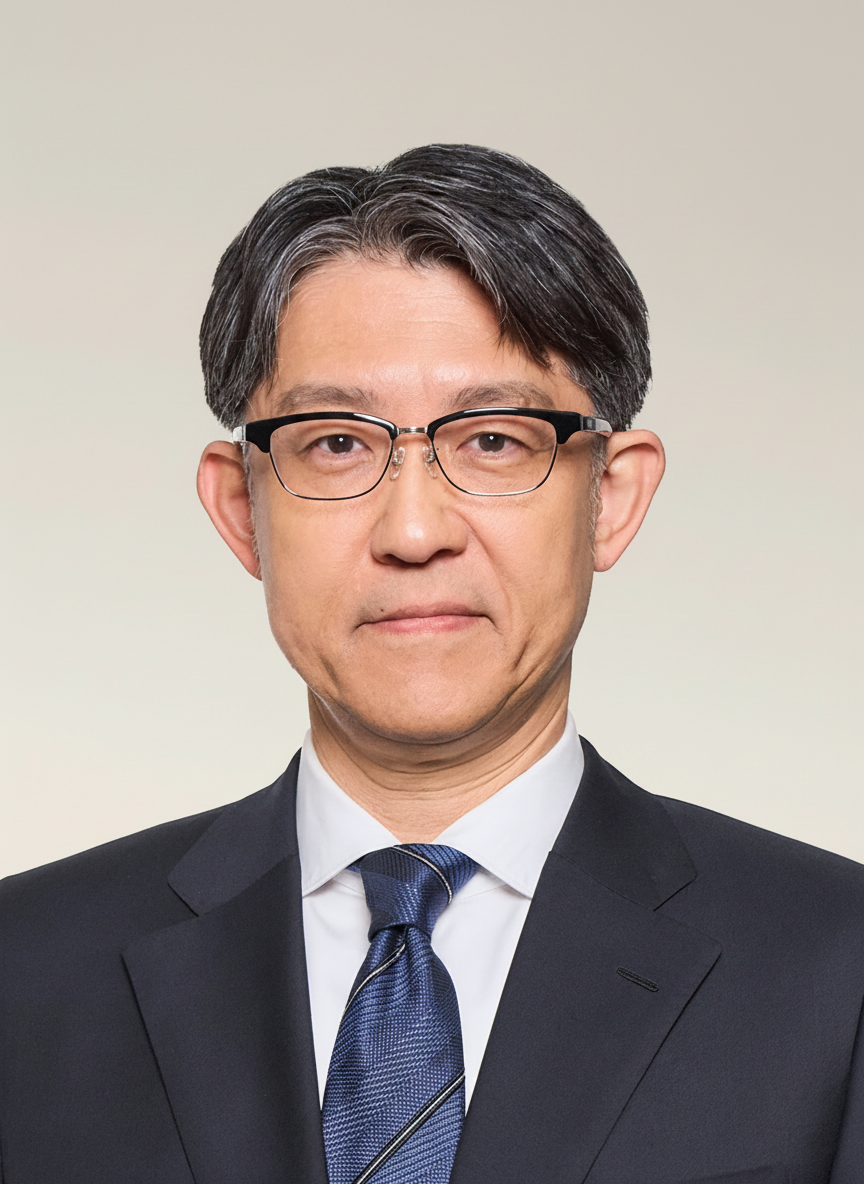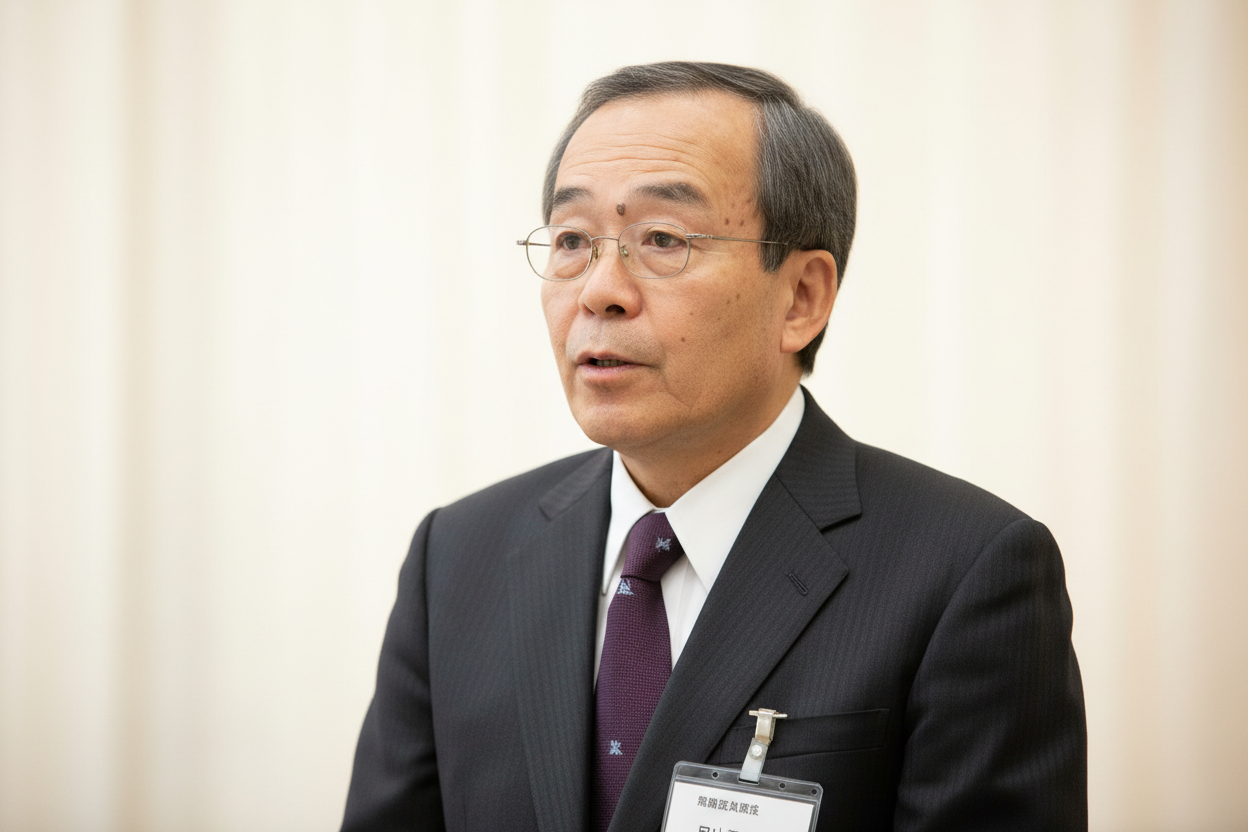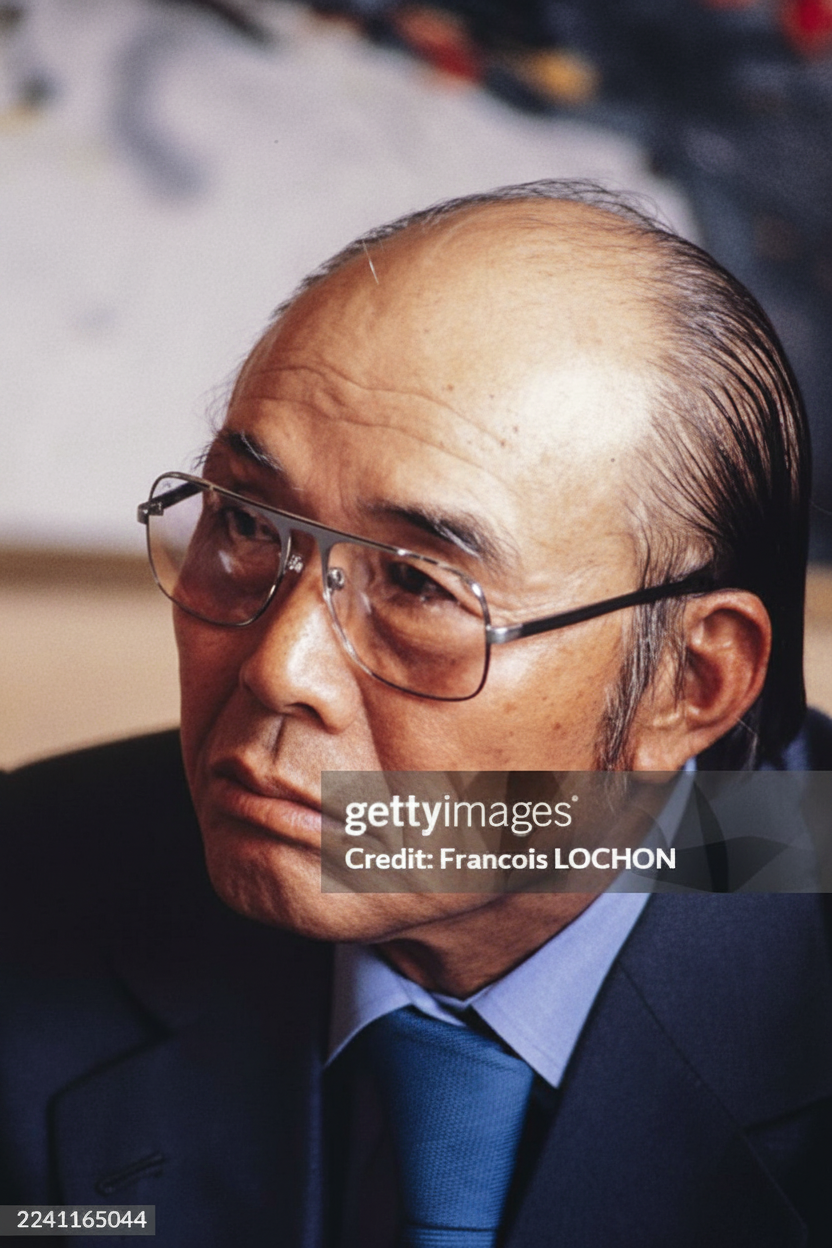
Masamichi Honda
Masamichi Honda: Architect of Honda's electrification strategy and a pivotal figure in autonomous driving technology.
Masamichi Honda is a transformative executive and technologist, instrumental in defining Honda Motor Co.'s strategic direction in advanced automotive technologies, particularly electrification and autonomous driving. As a Senior Managing Executive Officer and head of Honda R&D, he steered significant technological shifts and global product development.
Biography
Accomplishments
- 01Led Honda R&D Co., Ltd. as Senior Managing Executive Officer, overseeing global research and development initiatives, including the transition to electrification and autonomous driving platforms (2020-present, or relevant period).
- 02Spearheaded the development and market introduction of Honda SENSING Elite, achieving global first Level 3 automated driving certification (March 2021) in the Honda Legend Hybrid EX for traffic jam pilot functionality.
- 03Orchestrated significant investment and strategic partnerships in battery technology and EV charging infrastructure to support Honda's electrification goals.
- 04Championed the 'Safety for Everyone' concept, integrating advanced AI and sensor technologies to enhance Honda's ADAS capabilities across its vehicle lineup.
- 05Directed the architectural design and implementation strategy for Honda's next-generation electrical/electronic architecture and software-defined vehicle platforms.
- 06Formulated Honda's mid-term R&D strategy that pivoted the company towards a carbon-neutral and accident-free society vision.
Lessons for Operators
Key Takeaways
Practical lessons distilled for operators, investors, C-levels, and capital allocators.
Holistic R&D Portfolio Management
Honda's leadership demonstrates the necessity of balancing foundational research with product-near development. Investments in both next-generation architectures (EV platforms) and immediate market-ready features (Level 3 ADAS) ensure long-term viability and short-term relevance.
Discipline in Electrification Strategy
Electrification requires a consistent, multi-faceted approach encompassing battery sourcing, powertrain development, manufacturing retooling, and charging infrastructure partnerships. It's not merely a product launch but a systemic transformation.
Automation as a Phased Journey
The path to fully autonomous vehicles is iterative. Secure immediate competitive advantages by delivering certified, safe, and useful advanced driver-assistance systems (e.g., Level 3), building public confidence and regulatory experience for future advancements.
Software Integration and IP
The future automotive competitive landscape is defined by software. Companies must decide which software elements are core IP to develop internally versus those to outsource or co-develop, dictating future flexibility and differentiation.
Brand Reinforcement through Safety
Leverage technological advancements, especially in ADAS and autonomy, to reinforce core brand values like safety and reliability. This translates into stronger consumer trust and regulatory acceptance for cutting-edge features.
Frameworks & Principles
Named frameworks and strategic principles they popularized or embodied.
Safety for Everyone (S4E)
A comprehensive philosophy guiding Honda's R&D, where technology is developed with the explicit goal of minimizing accidents and enhancing occupant/pedestrian safety across all product segments. It integrates passive and active safety, from structural integrity to advanced ADAS and AI-driven predictive systems.
When to useWhen developing new product lines, technology platforms, or core brand messaging. Applicable for any industry where safety is a critical differentiator and a moral imperative, such as healthcare, aerospace, or industrial machinery.
Open Innovation Ecosystem Approach
A strategy involving active collaboration and partnerships with external entities (tech firms, startups, academia, suppliers) to accelerate innovation, mitigate R&D costs, and gain access to specialized expertise not present in-house. This is particularly crucial in rapidly evolving fields like AI, quantum computing, or specific material sciences.
When to useWhen facing disruptive technological shifts, needing to rapidly scale R&D capabilities, or exploring new market verticals where core competencies are not fully established. Ideal for high-capex, high-specialization industries.
Software-Defined Vehicle (SDV) Transition
An organizational and technical roadmap to shift from hardware-centric vehicle architecture to one where software dictates functionality, upgrades, and user experience. This involves decoupling hardware from software development, establishing over-the-air (OTA) update capabilities, and cultivating software engineering as a core competency.
When to useFor traditional hardware manufacturers seeking to transform into service and experience providers, or for companies moving into 'smart' product categories where continuous improvement and personalization are market expectations.
Explore Related Titans
Other figures in the archive who share Masamichi Honda's domain, geography, or era.
More in Transportation & Logistics










From Japan