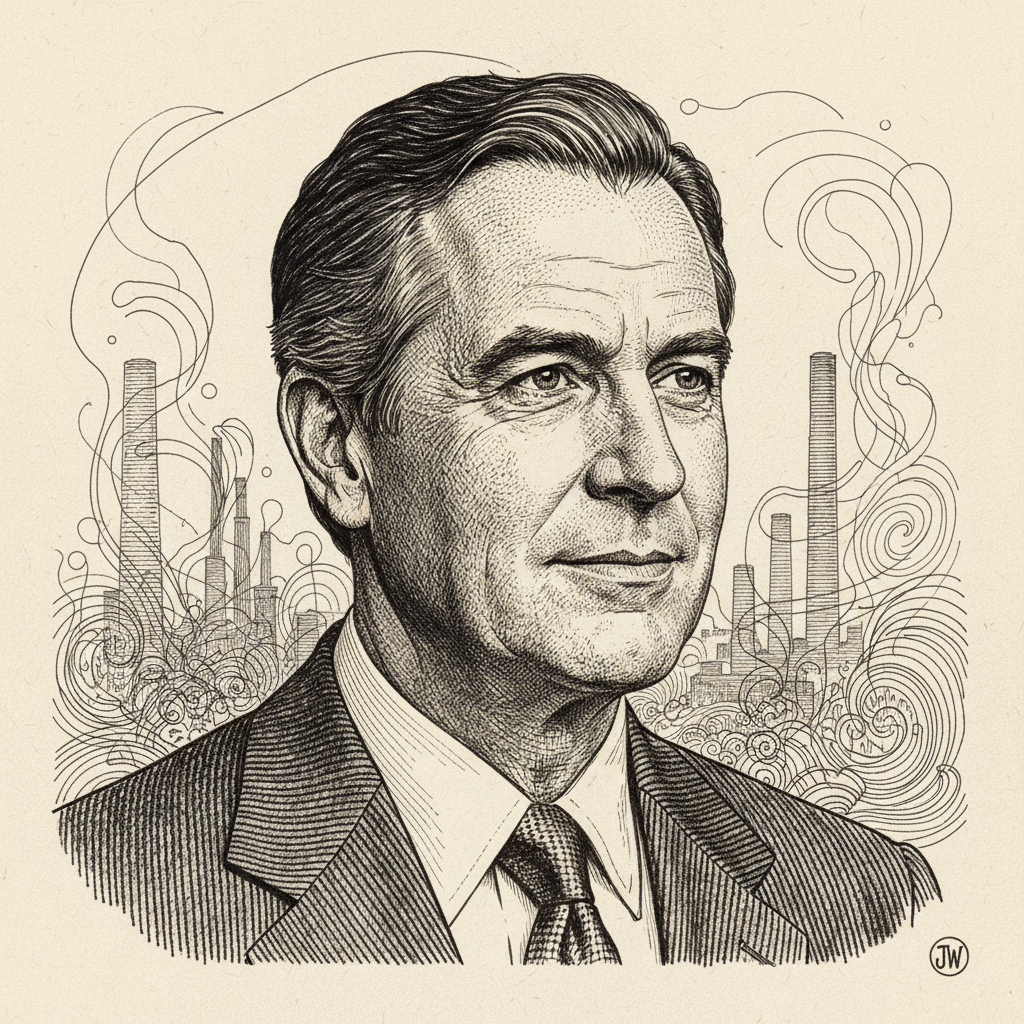
Mary Barra
The architect of General Motors' historic transition from internal combustion to an all-electric future, navigating significant technological and cultural shifts.
Mary Barra, an American automotive executive, has served as the Chairman and CEO of General Motors Company since January 15, 2014. She is the first female CEO of a major global automaker. Her tenure is marked by a pivot towards electric vehicles, autonomous driving technology, and a significant cultural transformation within the company, including navigating a major ignition switch recall and restructuring global operations.
Biography
Accomplishments
- 01Became the first female CEO of a major global automaker (January 2014).
- 02Successfully navigated the widespread ignition switch recall crisis, implementing comprehensive safety reforms and a victim compensation program (2014-2015).
- 03Divested unprofitable European operations (Opel/Vauxhall) to PSA Group in 2017, streamlining GM's global footprint.
- 04Accelerated GM's transition to electric vehicles, committing over $35 billion in EV and AV investments through 2025 and launching the Ultium battery platform (2020).
- 05Championed autonomous vehicle technology through the significant investment and scaling of Cruise Automation.
- 06Maintained strong financial performance and shareholder returns despite substantial investments in future technologies.
Lessons for Operators
Key Takeaways
Practical lessons distilled for operators, investors, C-levels, and capital allocators.
Crisis Management & Transparency
Barra's handling of the ignition switch recall demonstrated the critical importance of immediate, transparent, and accountable leadership in preserving corporate reputation and public trust during a major crisis.
Strategic Portfolio Transformation
Her decision to shed legacy, unprofitable operations like Opel/Vauxhall allowed GM to reallocate significant capital and management focus towards high-growth, future-oriented sectors like EVs and AVs, showcasing effective portfolio management.
Visionary Leadership in Disruption
Barra established a clear, aspirational vision for GM's future ('Zero Crashes, Zero Emissions, Zero Congestion'), providing a guiding principle for the company's massive technological and cultural transformation towards sustainable mobility.
Internal Culture Shift
Beyond technology, Barra prioritized a cultural shift towards safety, accountability, and innovation within a historically hierarchical organization, recognizing that operational excellence underpins strategic success.
Capital Allocation for Future Growth
Her strategy reflects a deliberate choice to reallocate substantial capital from traditional internal combustion engine development to future-defining technologies, a critical move for legacy companies facing industry disruption.
Frameworks & Principles
Named frameworks and strategic principles they popularized or embodied.
Vision-Driven Transformation
Articulating a clear, ambitious, and long-term vision to guide significant organizational and strategic shifts, particularly in response to disruptive market forces.
When to useWhen leading a legacy organization through fundamental industry change (e.g., from ICE to EV) and needing to align internal and external stakeholders on a new direction.
Crisis Accountability Model
A framework for managing corporate crises that emphasizes immediate transparency, full accountability, swift corrective actions, and proactive victim compensation/support.
When to useApplicable in any significant corporate crisis involving product safety, ethical breaches, or public trust, where decisive, transparent leadership is paramount.
Portfolio Rationalization for Growth
The strategic process of divesting non-core, unprofitable, or declining assets to free up resources (capital, talent, management attention) for investment in higher-growth, strategic priorities.
When to useWhen a diversified company needs to re-focus its efforts, improve profitability, or fund new ventures by shedding underperforming or non-strategic business units.
Ecosystem Partnership Strategy
Developing strategic alliances, joint ventures, and collaborations with external partners (including competitors) to accelerate innovation, share risks, and gain access to complementary capabilities or markets.
When to useWhen entering new, capital-intensive, or rapidly evolving technological areas (e.g., EV batteries, autonomous driving) where internal development alone is too slow or costly.
Recent Appearances
Latest interviews, keynotes, and press from the past half year.
 youtube.com
 youtube.com
 youtube.com
 youtube.com
 youtube.com
 youtube.com
 youtube.com
 youtube.com
 youtube.com
 youtube.com
 youtube.com
 youtube.com
 youtube.com
 youtube.com
 youtube.com
 youtube.com
 youtube.com
 youtube.com
 youtube.com
 youtube.com
 youtube.com
 youtube.com
 youtube.com
 youtube.com
 m.youtube.com
 youtube.com
 youtube.com
 youtube.com
 youtube.com
Sources & Further Reading
Profiles, interviews, podcasts, and articles used to compile and verify this entry. Each link opens at the original publisher.
Explore Related Titans
Other figures in the archive who share Mary Barra's domain, geography, or era.
More in Transportation & Logistics





From USA







Contemporaries — born 1960s