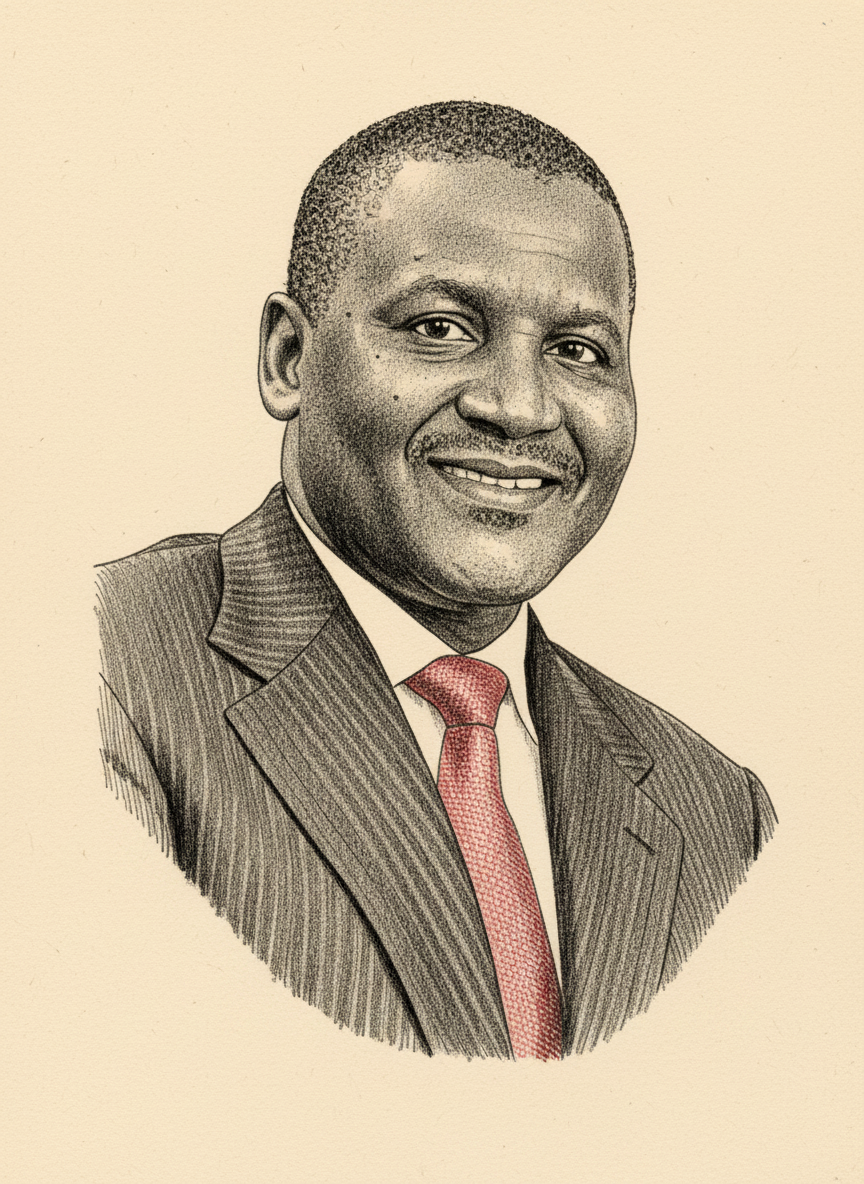
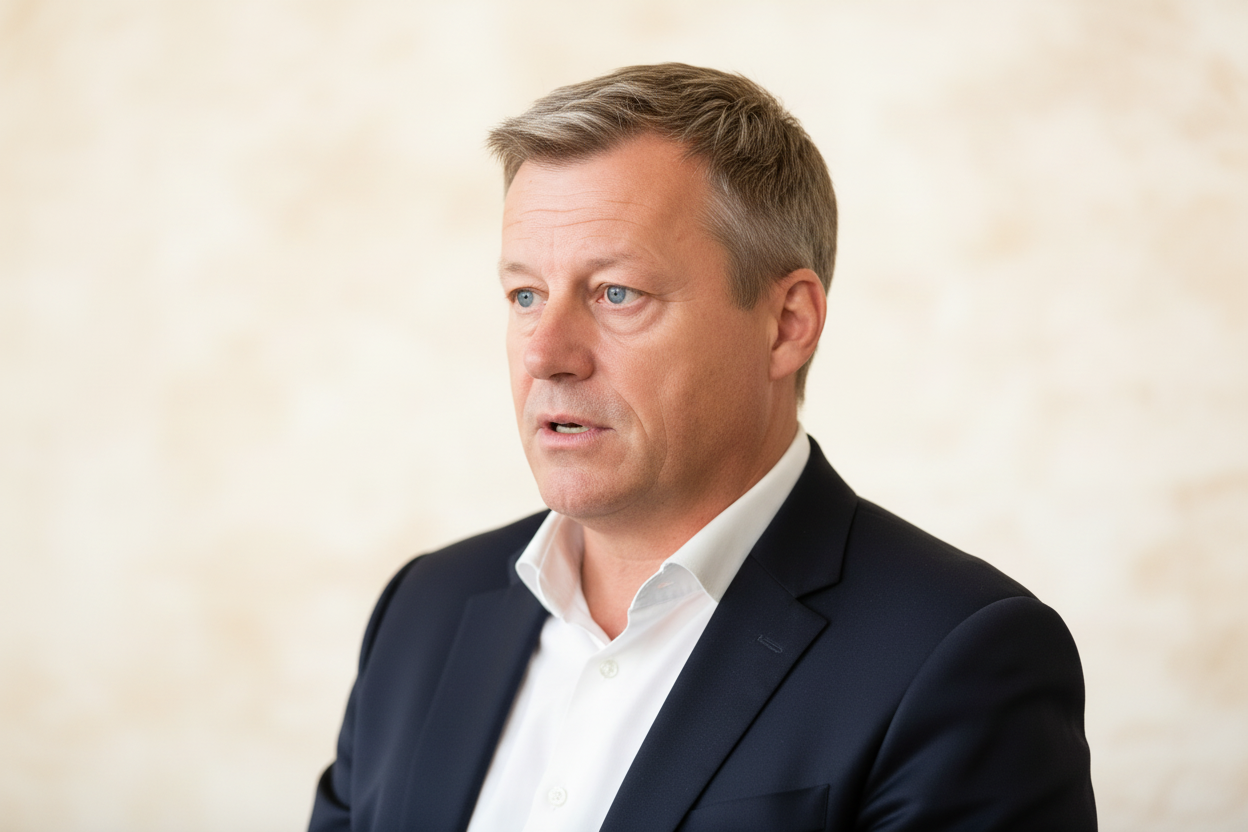
Håkan Samuelsson
Architect of Volvo Cars' modern renaissance and electrification strategy.
Håkan Samuelsson is a Swedish businessman known for his leadership roles in the automotive industry, notably as CEO of Volvo Cars Corporation AB from October 2012 to January 2022, and previously as CEO of MAN SE from January 2005 to November 2009. His tenure at Volvo Cars was marked by significant strategic shifts towards electrification and autonomous driving.
Biography
Accomplishments
- 01Led Volvo Cars from a period of uncertainty under Geely ownership to global profitability and market share growth, notably from October 2012 to January 2022.
- 02Orchestrated Volvo Cars' comprehensive electrification strategy, committing to an all-electric lineup by 2030 and launching models like the XC40 Recharge.
- 03Successfully navigated Volvo Cars through its initial public offering (IPO) on the Nasdaq Stockholm exchange in October 2021, raising approximately $2.9 billion.
- 04Established Polestar as a successful standalone electric performance car brand, leveraging Volvo's engineering and manufacturing capabilities.
- 05Formed strategic alliances for technology development, including joint ventures for battery production with Northvolt and advanced driver-assistance systems with Zenseact.
- 06Oversaw a significant increase in Volvo Cars' annual sales, expanding its global footprint and enhancing brand perception as a leader in safety and sustainability.
Lessons for Operators
Key Takeaways
Practical lessons distilled for operators, investors, C-levels, and capital allocators.
Decisive Strategic Repositioning
Samuelsson's mandate at Volvo Cars was clear: redefine the brand for the future. This involved a complete pivot towards electrification, autonomous driving, and new business models, rather than incremental improvements. Operators should identify core shifts in their industry and commit to a bold, multi-year strategy to adapt.
Empowering Independent Growth
Under Samuelsson, Volvo Cars thrived under Geely ownership by maintaining operational independence while leveraging key resources. The cultivation of Polestar as a separate, premium EV brand exemplifies a strategy of distributed innovation and market segmentation. C-levels should evaluate opportunities for subsidiary autonomy to foster agility and specialized market capture.
Partnerships as Accelerators
Recognizing the vast capital and technological demands of the EV transition, Samuelsson proactively pursued strategic joint ventures (e.g., Northvolt for batteries, Zenseact for ADAS). This reduced R&D burden and sped up market entry. Enterprise leaders should actively seek external collaborations to address capability gaps and accelerate strategic initiatives.
Financial Re-Engineering for Growth
Samuelsson successfully guided Volvo Cars to an IPO in 2021, securing significant capital for future investments. This demonstrated a leader's ability to not only drive operational performance but also to optimize the capital structure to fund ambitious growth plans. Fund managers and capital allocators should look for leaders who can strategically access and deploy capital effectively.
Brand Integrity Amidst Change
Despite radical shifts in technology and ownership, Volvo's core brand tenets of safety and design were maintained and even enhanced under Samuelsson. This consistency helped retain customer loyalty while attracting new segments. Leaders must ensure their brand's core values remain steadfast even as business models and products evolve.
Frameworks & Principles
Named frameworks and strategic principles they popularized or embodied.
Strategic Brand Pillars Reinforcement
Maintain and reinforce core brand values (e.g., Volvo's safety) while undergoing significant technological and market transformation.
When to useWhen evolving a legacy brand in a rapidly changing industry; ensures customer trust and differentiation amid new product launches.
Distributed Innovation through Spin-offs
Cultivating specialized, high-growth ventures (like Polestar) as distinct entities to capture niche markets or accelerate specific technologies, leveraging parent company resources but operating with agility.
When to useWhen a large corporation needs to innovate in adjacent or disruptive markets without encumbering existing operations, or to attract specialized talent and investment.
Ecosystem Partnering for Capital-Intensive Transition
Forming strategic joint ventures and alliances to share the financial burden, risk, and expertise required for significant industry shifts (e.g., EV battery production).
When to useWhen facing high-cost, high-risk technological transitions where internal resources alone are insufficient, or to gain speed to market.
Sources & Further Reading
Profiles, interviews, podcasts, and articles used to compile and verify this entry. Each link opens at the original publisher.
Explore Related Titans
Other figures in the archive who share Håkan Samuelsson's domain, geography, or era.
More in Transportation & Logistics






From Sweden





Contemporaries — born 1950s