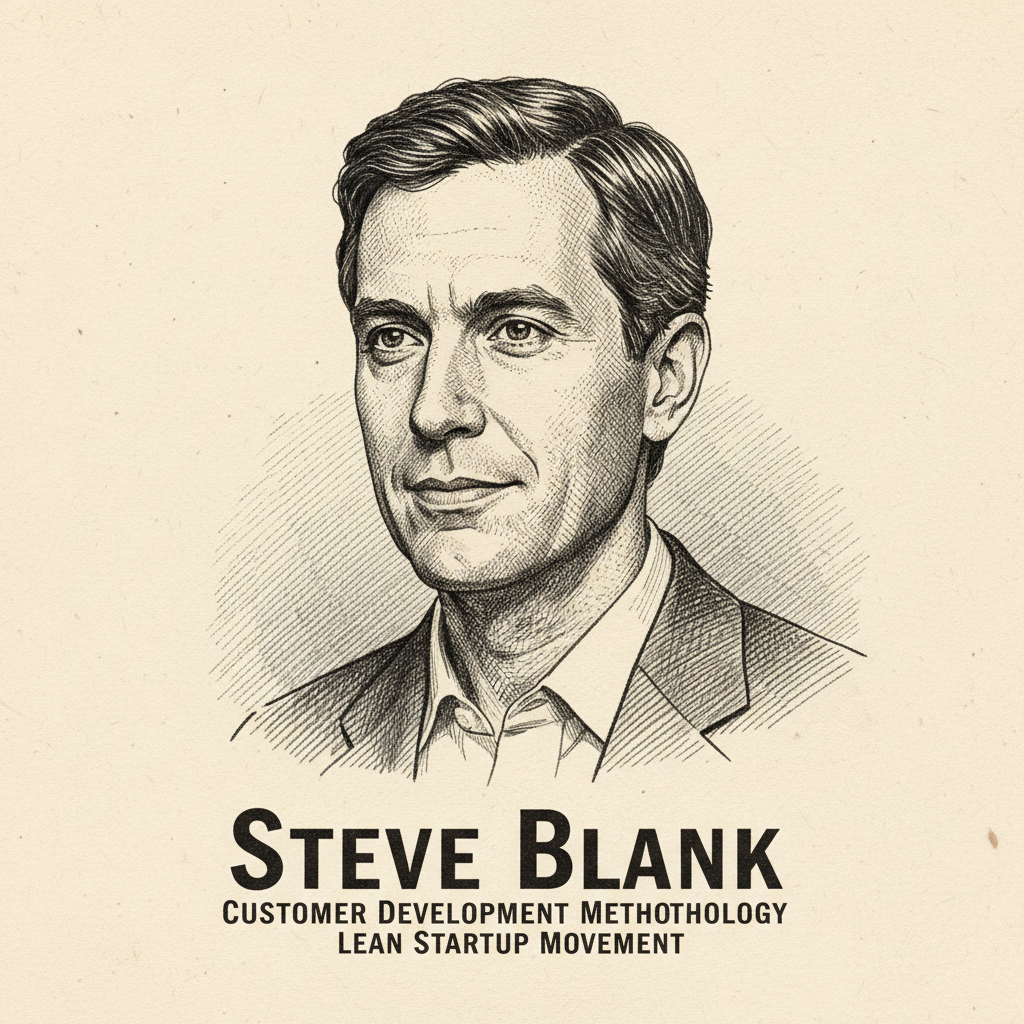
Howard Schultz
The architect of the modern coffee experience and a pioneer in scaling purpose-driven enterprise.
Howard Schultz transformed Starbucks from a Seattle-based coffee bean retailer into a global coffeehouse phenomenon. His leadership was marked by aggressive expansion, an emphasis on employee benefits (including healthcare and stock options for part-time workers), and a deep commitment to the 'Starbucks experience,' blending Italian coffee culture with community focus. He served multiple stints as CEO, guiding the company through periods of immense growth and strategic recalibration.
Biography
Accomplishments
- 01Scaled Starbucks from 11 stores in 1987 to over 28,000 global locations by 2017, achieving market dominance in the specialty coffee sector.
- 02Pioneered comprehensive healthcare benefits and stock options for all full- and part-time employees (Bean Stock, introduced 1991), fundamentally reshaping retail employee welfare standards.
- 03Engineered a successful turnaround during the 2008 financial crisis, reactivating Starbucks' brand purpose and driving innovation in digital and loyalty programs (Starbucks Rewards, mobile order & pay).
- 04Conceptualized and executed the 'third place' strategy, cultivating Starbucks as a community hub distinct from home or work, which became a foundational element of its brand identity and customer loyalty.
- 05Successfully globalized the coffeehouse concept, adapting it to diverse markets while maintaining brand consistency and experience.
- 06Introduced premium concepts like Starbucks Reserve Roasteries, diversifying the brand and elevating the customer experience at higher price points.
Lessons for Operators
Key Takeaways
Practical lessons distilled for operators, investors, C-levels, and capital allocators.
Define Your 'Third Place'
For operators, identify how your business can offer more than just a product or service; create an experience or environment that fulfills a deeper need or desire, fostering customer loyalty beyond transactional utility. For investors, seek businesses creating or owning such 'third places'.
Invest in Human Capital as a Strategic Asset
Enterprise leaders must view employee benefits and empowerment not as costs but as investments that improve service quality, reduce churn, and build a stronger brand. Capital allocators should scrutinize companies' human capital strategies for indicators of future performance and resilience.
Embrace Purpose-Driven Growth
Schultz demonstrated that commercial success and social impact are not mutually exclusive. Companies that authentically integrate purpose into their core strategy often build stronger brands, attract better talent, and resonate deeper with consumers in the modern era.
Leadership Matters in Turnarounds
When facing decline, a visionary and decisive leader capable of making bold, even unconventional, moves (like closing stores for retraining) can be the difference between failure and renewed growth. Investors should assess leadership's capacity for strategic recalibration during downturns.
Scalability Through Consistency (Not Just Volume)
Starbucks' global expansion was predicated on a consistent, repeatable 'experience.' Operators expanding should focus on replicating the core brand promise and quality, not just opening doors. Fund managers should evaluate a business's ability to maintain core values and quality at scale.
Innovate Within Your Core
Schultz introduced loyalty programs, mobile ordering, and premium concepts like Reserve, all while staying true to the coffee experience. Enterprise leaders should seek innovation that enhances, rather than dilutes, their core offering.
Frameworks & Principles
Named frameworks and strategic principles they popularized or embodied.
The 'Third Place' Strategy
This framework centers on creating an environment that serves as a vital community hub, distinct from home (first place) and work (second place). It emphasizes comfort, community, and consistency in atmosphere and service to foster brand loyalty.
When to useApplicable for retail, hospitality, services, or any business aiming to build deep customer engagement and foster a sense of belonging beyond transactional interactions. Useful for brand differentiation in saturated markets.
Values-Based Scaling
This framework posits that rapid business expansion can be sustained and even enhanced by embedding strong core values, particularly regarding employee welfare and social responsibility, into the operational DNA. It suggests these values become a competitive advantage.
When to useIdeal for startups or growing enterprises aiming for significant scale while preserving brand integrity, attracting mission-driven talent, and building a loyal customer base sensitive to corporate ethics. Especially relevant in consumer-facing industries.
The 'Return to Core' Turnaround
This strategy involves a leader stepping back into a struggling organization to intensely refocus on foundational brand principles, customer experience, and core product/service quality, often through bold, short-term disruptive actions (e.g., mass retraining, divesting non-core assets).
When to useApplicable for established companies facing brand erosion, customer dissatisfaction, or strategic drift. Requires decisive leadership and a willingness to make unpopular but necessary decisions to reset the company's trajectory.
Experiential Retail/Service Design
Focuses on designing the entire customer journey to evoke specific emotions and create memorable experiences beyond the basic product or service. This includes store aesthetics, service interactions, product presentation, and sensory details (e.g., aroma, music).
When to useEssential for any consumer-facing business looking to differentiate through emotional connection and build non-price-based loyalty. Particularly effective in competitive markets where product commoditization is high.
Evergreen Talks & Interviews
Foundational talks, lectures, and interviews worth revisiting.

Sources & Further Reading
Profiles, interviews, podcasts, and articles used to compile and verify this entry. Each link opens at the original publisher.
Explore Related Titans
Other figures in the archive who share Howard Schultz's domain, geography, or era.
More in Technology










From United States




Contemporaries — born 1950s