Ray Dalio
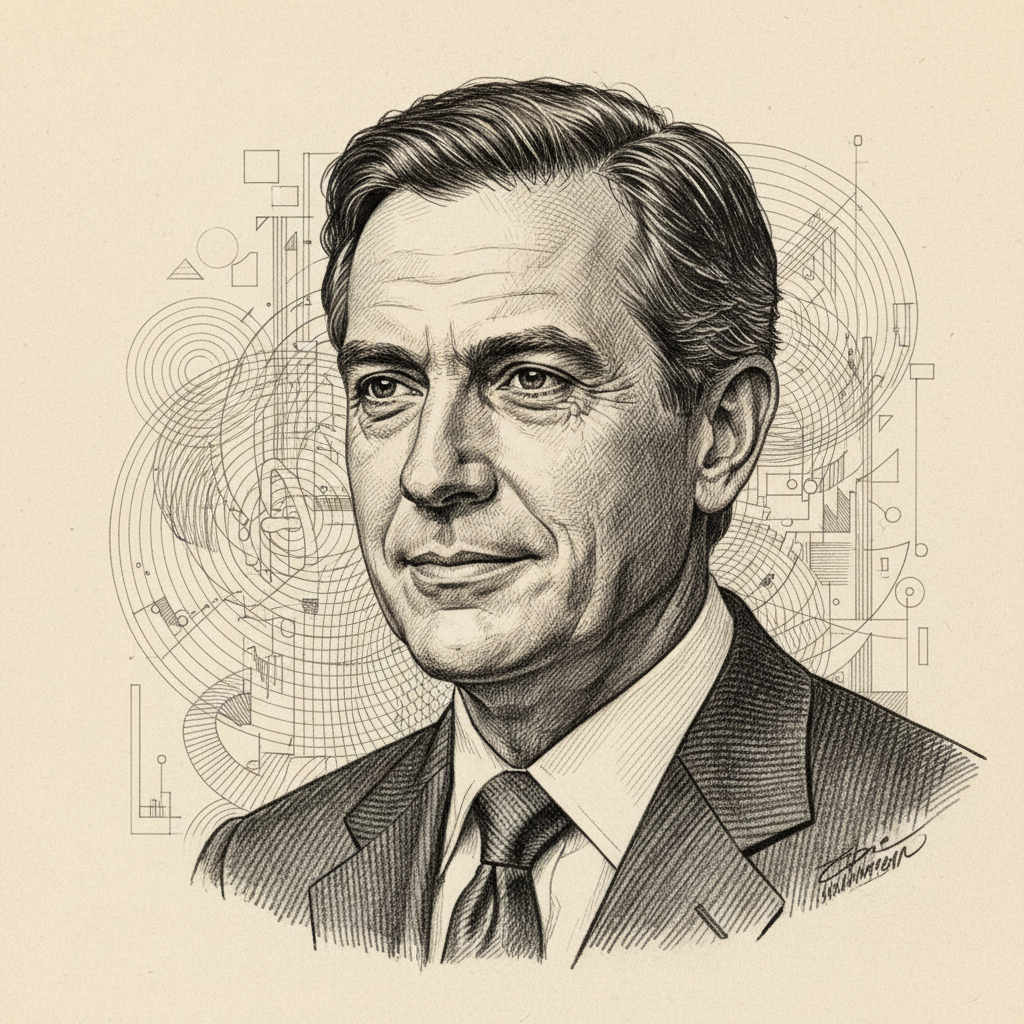
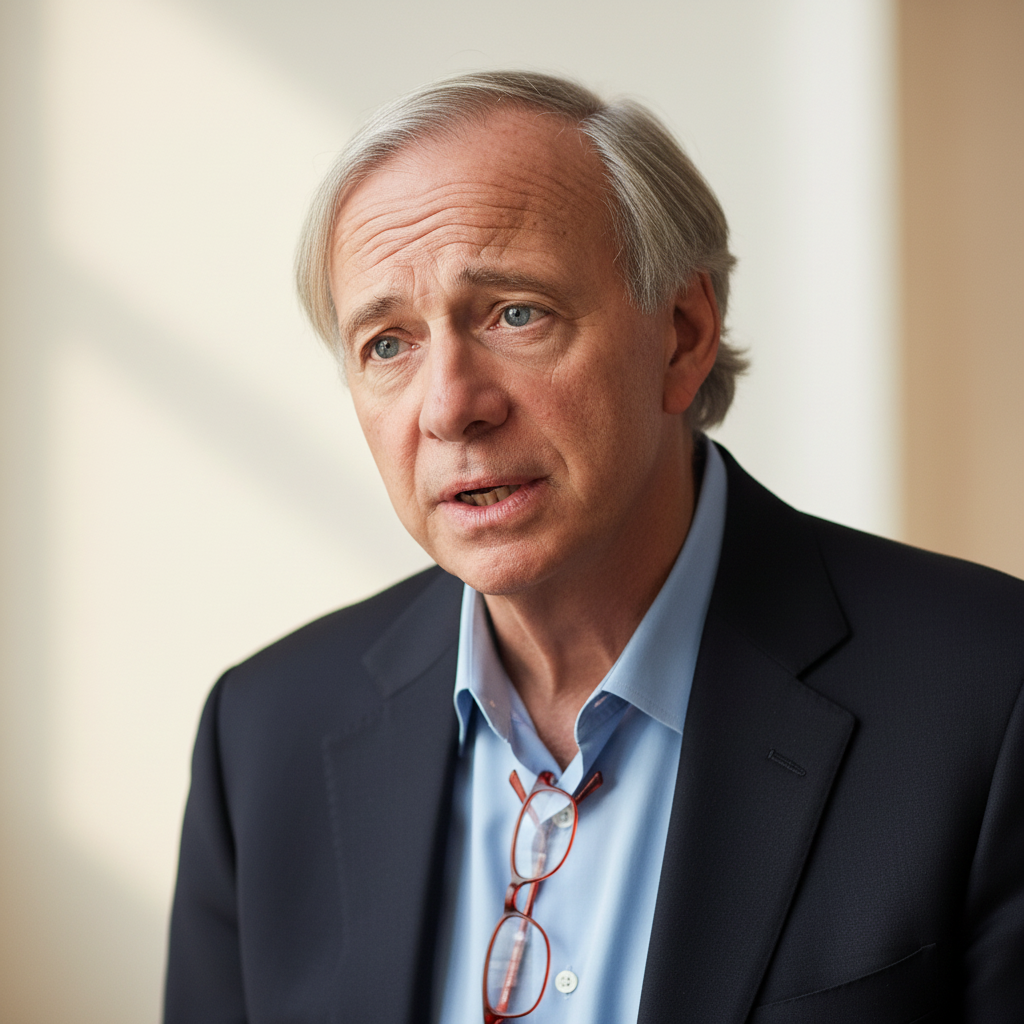
The architect of 'radical transparency' and systematic investing, Ray Dalio built Bridgewater Associates into one of the world's largest and most influential hedge funds.
Raymond Thomas Dalio is an American billionaire investor and founder of Bridgewater Associates, one of the world's largest hedge funds. After completing his full exit from Bridgewater in 2025, Dalio assumed the role of chief investment officer of the Dalio Family Office, managing his personal investments and philanthropic activities.
Biography
Accomplishments
- 01Founded Bridgewater Associates in 1975, growing it into the world's largest hedge fund with over $160 billion in assets under management at its peak.
- 02Pioneered 'Pure Alpha' and 'All Weather' investment strategies, demonstrating consistent long-term returns and risk-mitigation, notably navigating the 2008 financial crisis effectively.
- 03Authored 'Principles: Life & Work,' a New York Times bestseller, which codified his management and investment philosophies and has sold over 5 million copies globally.
- 04Developed a highly systematic, rules-based approach to investing, employing algorithms and technology to remove human biases from decision-making.
- 05Successfully transitioned leadership at Bridgewater Associates, stepping down as co-CEO in 2017 and completing his full exit in 2025, demonstrating effective succession planning.
- 06Established The Dalio Foundation, a significant philanthropic entity supporting ocean exploration, public education, and mental health initiatives, donating over $1 billion.
Lessons for Operators
Key Takeaways
Practical lessons distilled for operators, investors, C-levels, and capital allocators.
Build an Idea Meritocracy
Foster an environment where the best ideas win out, regardless of hierarchy. This requires radical transparency, objective feedback mechanisms, and a culture that values thoughtful disagreement over consensus for its own sake. Implement systems (like Dalio's 'dot collector') to gather and analyze real-time feedback.
Codify Your Principles
Document your decision-making rules, whether for investment, management, or life. This forces clarity, allows for systematic improvement, and enables others to understand and apply your logic, leading to more consistent and rational outcomes.
Master Economic Cycles
Recognize that economies and markets operate in recurring cycles driven by productivity, credit, and monetary policy. Develop a deep understanding of these 'economic machines' to anticipate shifts and position your business or portfolio accordingly, rather than reacting to daily noise.
Diversify for All Environments
Construct portfolios or business strategies that are resilient across a wide range of future economic conditions. This 'All Weather' approach minimizes reliance on uncertain predictions and provides more stable outcomes by balancing assets or strategies that perform well in different regimes.
Embrace Pain and Failure as Learning Opportunities
View mistakes and setbacks not as failures but as crucial data points. Dalio emphasizes using these experiences to refine principles, improve systems, and strengthen future decision-making, leading to continuous personal and organizational evolution.
Systematize Leadership Succession
Proactively plan and execute multi-year leadership transitions. This ensures continuity, maintains organizational stability, and allows for the gradual transfer of institutional knowledge and authority, mitigating founder dependence.
Frameworks & Principles
Named frameworks and strategic principles they popularized or embodied.
Principles of Life & Work
A comprehensive set of rules and guidelines developed by Dalio over decades, covering both personal and organizational decision-making. It advocates for radical truth and radical transparency, encouraging open feedback and objective analysis to achieve meritocratic outcomes.
When to useWhen building an organizational culture, making strategic decisions, developing personal growth habits, or designing feedback systems within an organization. Useful for leaders aiming to institutionalize objective decision-making and performance improvement.
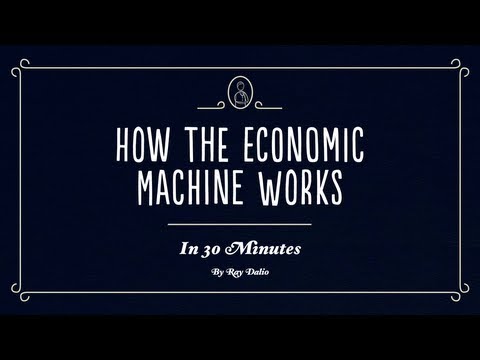
The Economic Machine
Dalio's conceptual model explaining how the economy works by breaking it down into fundamental components: productivity growth, the short-term debt cycle (business cycle), and the long-term debt cycle. It illustrates the interdependencies between credit, spending, production, and inflation.
When to useWhen analyzing macroeconomic trends, making investment allocation decisions, understanding monetary policy impacts, or forecasting economic environments. Essential for investors, economists, and business strategists seeking a fundamental framework for market analysis.
All Weather Strategy
An investment portfolio strategy designed to perform robustly across all economic environments (inflationary growth, deflationary growth, inflationary recession, deflationary recession). It achieves this through diversification across various asset classes (e.g., stocks, bonds, commodities, gold) weighted based on their sensitivity to these regimes.
When to useWhen constructing a long-term, low-volatility investment portfolio, managing risk across different market conditions, or seeking to remove the need for accurate short-term market forecasting. Applicable to institutional and individual investors alike.
Evergreen Talks & Interviews
Foundational talks, lectures, and interviews worth revisiting.

Sources & Further Reading
Profiles, interviews, podcasts, and articles used to compile and verify this entry. Each link opens at the original publisher.
Explore Related Titans
Other figures in the archive who share Ray Dalio's domain, geography, or era.
More in Finance & Investing


From United States







Contemporaries — born 1940s