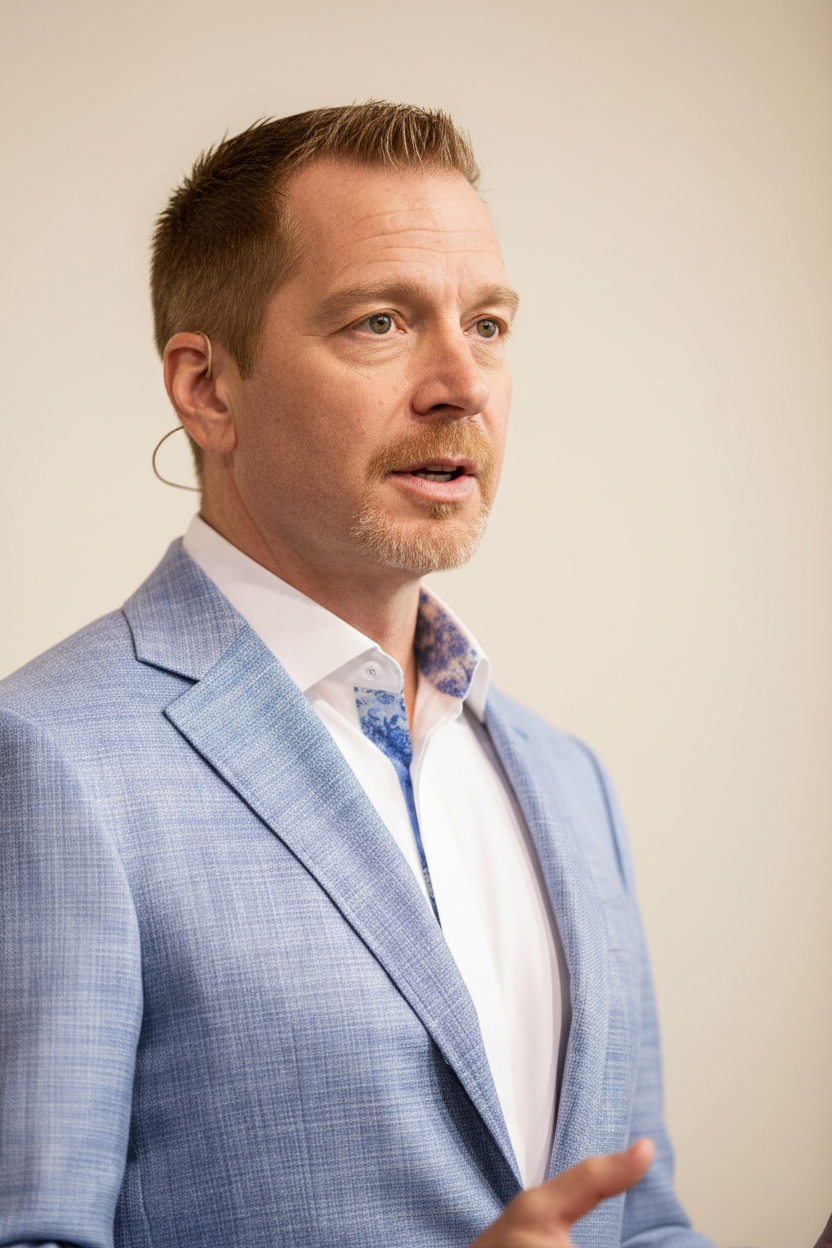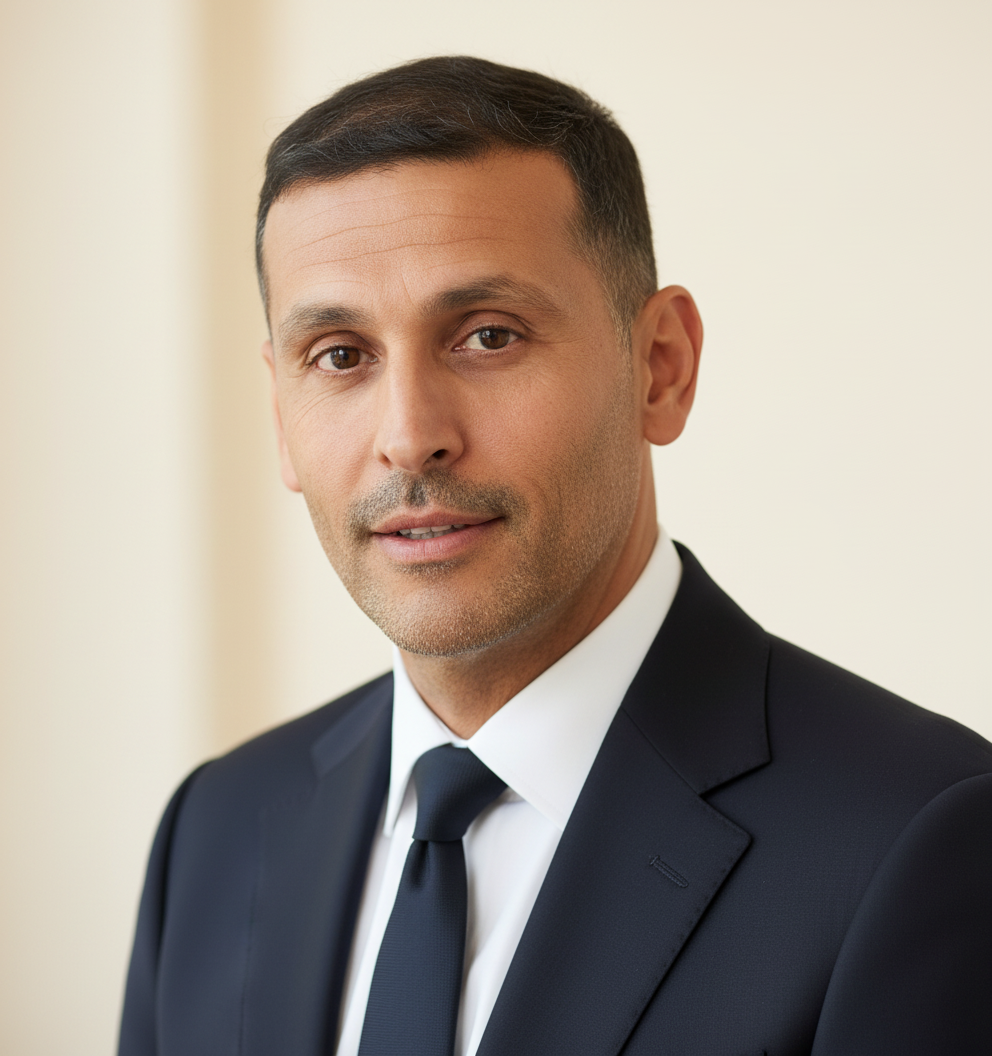
Khaldoon Khalifa Al Mubarak
Architect of Abu Dhabi's diversified economic future through strategic sovereign wealth management and international engagement.
Khaldoon Khalifa Al Mubarak is an Emirati government official and business leader, pivotal in shaping Abu Dhabi's economic diversification strategy. As CEO and Managing Director of Mubadala Investment Company, he oversees a global portfolio designed to generate sustainable financial returns and achieve strategic socio-economic benefits for Abu Dhabi. His influence extends across critical government functions, including membership in the Executive Council since 2006, the Supreme Council for Financial and Economic Affairs, and as founding chairman of the Executive Affairs Authority. Concurrently, he serves the UAE Federal government as Presidential Special Envoy to the People's Republic of China since 2018.
Biography
Accomplishments
- 01Transformation and growth of Mubadala Investment Company: Orchestrated the merger of Mubadala Development Company and IPIC in 2017, growing the combined entity into a global sovereign wealth fund with over USD 276 billion in assets, diversifying Abu Dhabi's economy beyond oil.
- 02Strategic Global Investments: Led Mubadala's investments in key sectors including GlobalFoundries (semiconductor manufacturing, established 2009), Yahsat (satellite communications, established 2007), and Masdar (renewable energy, established 2006), fostering new industries within the UAE.
- 03Founding and chairing the Executive Affairs Authority (EAA): Established the EAA, a crucial body advising the Abu Dhabi Executive Council on strategic initiatives and policy, directly influencing governmental direction and project execution since its inception.
- 04Leadership in UAE Federal Diplomacy: Appointed as Presidential Special Envoy to the People's Republic of China in 2018, strengthening bilateral relations and economic cooperation between the UAE and a major global power.
- 05Diversification of Abu Dhabi's economy: Through Mubadala, implemented a long-term strategy to create new economic sectors and reduce reliance on hydrocarbon revenues, contributing to sustainable economic growth for the Emirate.
Lessons for Operators
Key Takeaways
Practical lessons distilled for operators, investors, C-levels, and capital allocators.
Sovereign Capital as a Development Tool
Al Mubarak demonstrates how sovereign wealth funds can serve dual mandates: generating financial returns and driving national economic development by investing in strategic sectors and infrastructure, rather than purely passive portfolio management.
Investing in Future Industries
His leadership illustrates that identifying and committing capital to high-tech, knowledge-based industries (e.g., semiconductors, AI, clean energy) is crucial for long-term economic resilience, even if immediate returns are not apparent.
Government-Business Interoperability
Al Mubarak's simultaneous high-level roles in both sovereign investment and government policy underscore the effectiveness of integrated governance for impactful economic transformation. This provides a direct channel for investment strategy to inform policy and vice versa.
Global Diplomacy Through Economic Ties
His role as Special Envoy to China exemplifies how economic leadership and investment capabilities can be leveraged as foreign policy tools, fostering strategic international relationships and unlocking new markets for trade and capital.
Disciplined Long-Term Commitment
The sustained growth and diversification of Mubadala's portfolio, often involving multi-year or multi-decade investment horizons, emphasizes the value of patience and disciplined capital allocation in achieving profound strategic objectives.
Frameworks & Principles
Named frameworks and strategic principles they popularized or embodied.
Dual Mandate Investment Model
This framework involves managing a capital pool (e.g., sovereign wealth fund) with two interconnected objectives: achieving competitive financial returns AND fulfilling strategic national development goals (e.g., economic diversification, job creation, technology transfer).
When to useApplicable for institutional investors, government-backed funds, or large corporate development arms seeking to align financial performance with broader societal or strategic objectives. Requires clear metrics for both financial and non-financial returns.
Strategic Sector Development
A top-down approach to economic diversification where a state or large entity identifies key future industries (e.g., aerospace, renewable energy, advanced manufacturing) and allocates significant capital, policy support, and infrastructure development to foster their growth, often through targeted investments and partnerships.
When to useUtilize when seeking to build new core competencies or industries in a region or organization that lacks existing infrastructure or expertise. Requires substantial long-term capital, government backing, and risk tolerance for nascent sectors.
Economic Diplomacy & Investment Leverage
Leveraging a nation's or entity's economic power, investment capacity, and market access as tools for international relations and diplomatic influence. This transforms 'aid' or 'trade talks' into 'strategic economic partnerships' that benefit all parties.
When to useRelevant for nations, multinational corporations, or large investment funds looking to enhance geopolitical standing, secure resource access, or open new markets through reciprocal economic agreements and strategic capital deployments.
Sources & Further Reading
Profiles, interviews, podcasts, and articles used to compile and verify this entry. Each link opens at the original publisher.
Explore Related Titans
Other figures in the archive who share Khaldoon Khalifa Al Mubarak's domain, geography, or era.
More in Finance & Investing



From United Arab Emirates
Contemporaries — born 1970s