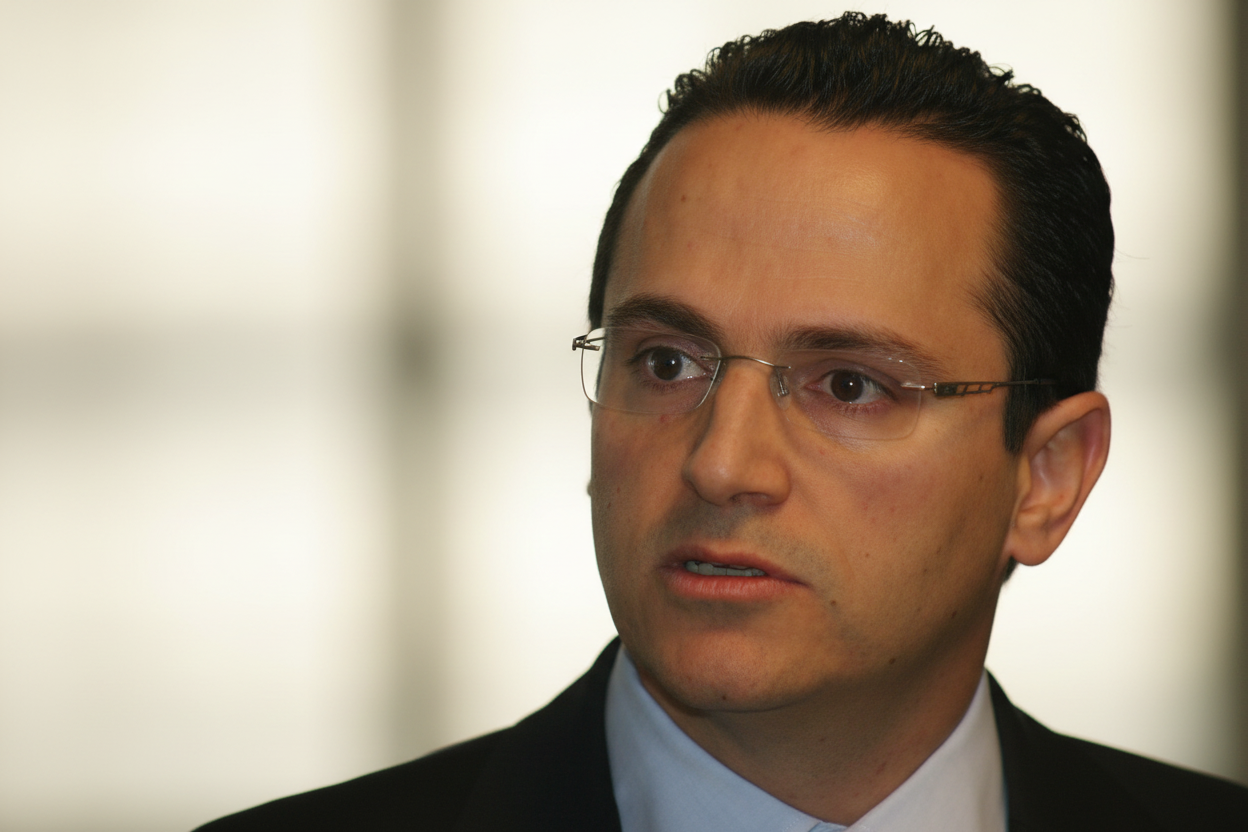
Houtan Homayounpour
Architect of impactful labor policy and social justice initiatives across diverse international landscapes.
Houtan Homayounpour is a distinguished International Expert and Policy Advisor specializing in Public Policy, Labor Economics, and Social Justice. His career, primarily at the International Labour Organization (ILO), spans over two decades, focusing on complex labor issues, human trafficking, and forced labor across Asia, Africa, and the Middle East. He is recognized for his pragmatic approach to designing and implementing impactful policy frameworks in challenging geopolitical environments.
Biography
Accomplishments
- 01Led the implementation of comprehensive labor reforms in Qatar since 2021 (as Head of ILO Office), including the dismantling of key aspects of the Kafala system, establishment of a non-discriminatory minimum wage, and creation of a worker support fund, impacting millions of migrant workers.
- 02Spearheaded multi-million dollar large-scale technical cooperation projects on forced labor and human trafficking in Thailand (2015-2020), leading to strengthened national action plans and legislative frameworks in critical sectors like fishing and agriculture.
- 03Instrumental in developing and executing national strategies against bonded labor in Pakistan (2005-2011) as National Coordinator for ILO's SAP-FL, achieving significant advancements in legislative reform advocacy and direct victim assistance.
- 04Provided expert advisory to governments and social partners across South Asia (2011-2014) on international labor standards, particularly concerning forced labor, human trafficking, and fair recruitment, fostering regional cooperation on labor migration governance.
- 05Managed technical cooperation projects for the elimination of child labor and forced labor in Iran (2002-2005), demonstrating early impact in complex geopolitical settings.
Lessons for Operators
Key Takeaways
Practical lessons distilled for operators, investors, C-levels, and capital allocators.
Sustainable Reform Requires Systemic Change
Homayounpour's track record illustrates that tackling deeply entrenched issues like forced labor or exploitative labor practices isn't about isolated interventions. It demands comprehensive legislative overhauls, strengthened enforcement mechanisms, robust social dialogue, and genuine political will. Operators should consider how their supply chain due diligence and corporate social responsibility efforts contribute to, or detract from, systemic improvements in labor practices.
Diplomacy and Partnership are Force Multipliers
His success in Qatar and Thailand, among others, highlights the critical role of diplomatic engagement and building multi-stakeholder partnerships (governments, employers, workers' organizations, civil society). Investors and C-levels seeking to enter or operate in sensitive markets can learn that robust, ethical engagement with local power structures and advocacy groups is not merely compliance, but a strategic imperative for long-term viability and risk mitigation.
Economic Imperatives Drive Social Progress
Homayounpour often frames labor reforms not just as human rights issues but as economic necessities leading to improved productivity, reduced turnover, and enhanced international standing. This reframing can be a powerful tool for businesses to advocate for better labor standards internally and within their ecosystems, demonstrating that 'doing good' can align with 'doing well'.
The Power of Incremental but Persistent Progress
Real and lasting change, especially in public policy, is rarely achieved overnight. His career demonstrates the value of persistent, incremental gains, building on small victories to achieve larger, transformative reforms. This approach is valuable for operators undertaking large-scale, long-term strategic initiatives or cultural transformations within their organizations.
Due Diligence Extends Beyond Financials
For capital allocators and fund managers, Homayounpour's work underscores that 'ESG' is not abstract. Deep dives into labor practices, human rights records, and policy engagement are crucial for assessing the true risk and sustainability of an investment, particularly in sectors prone to labor exploitation or in regions with weak governance.
Frameworks & Principles
Named frameworks and strategic principles they popularized or embodied.
ILO's Decent Work Agenda
A holistic framework encompassing four strategic objectives: rights at work, employment, social protection, and social dialogue. Homayounpour's career is built upon operationalizing these principles, particularly rights at work and social protection, into national policies.
When to useApplicable for any organization, investor, or government entity seeking to develop or assess comprehensive labor strategies, improve working conditions, or ensure fundamental rights in the workplace and broader economy. Provides a benchmark for ethical and sustainable labor practices.
Multi-Stakeholder Partnerships for Social Impact
This approach emphasizes the critical role of collaboration between governments, employers' organizations, workers' organizations, and civil society to achieve sustainable social and labor reforms. Homayounpour consistently builds and leverages these partnerships to drive policy change and implementation.
When to useEssential for leaders addressing complex challenges that require broad societal buy-in, such as supply chain sustainability, industry-wide labor standards, or community development projects. Facilitates shared responsibility and more effective resource allocation beyond a single point of influence.
Evidence-Based Policy Development
A methodology prioritizing the use of rigorous data, research, and impact assessments to inform the design, implementation, and evaluation of public policies. Homayounpour's work in assessing forced labor prevalence and the economic impact of reforms exemplifies this.
When to useCritical for C-levels and leaders making strategic decisions, particularly when advocating for significant changes or investments. Ensures that initiatives are grounded in reality, quantifiable, and likely to yield intended outcomes, mitigating risks associated with speculative or anecdotal decision-making.
Explore Related Titans
Other figures in the archive who share Houtan Homayounpour's domain, geography, or era.
More in Other








From France









Contemporaries — born 1970s