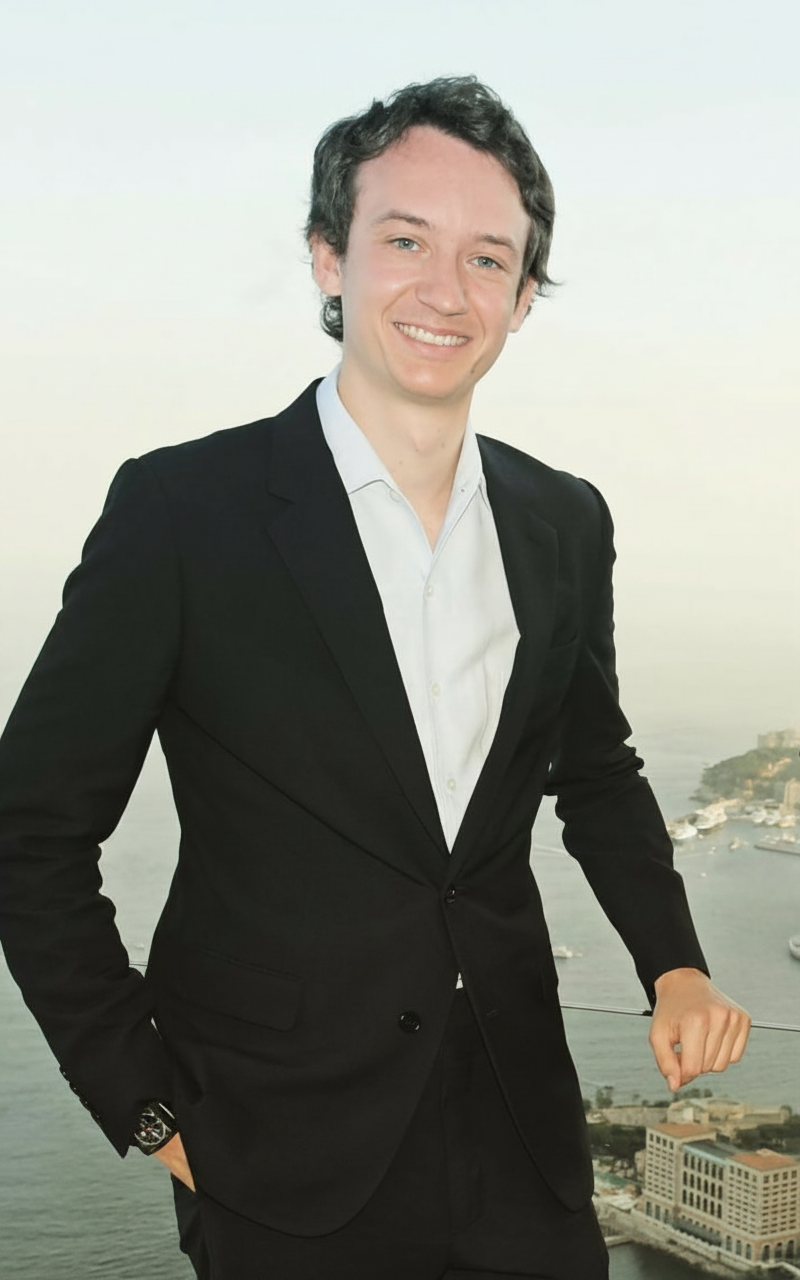
Frédéric Arnault
Architect of brand revitalization and digital transformation in luxury goods.
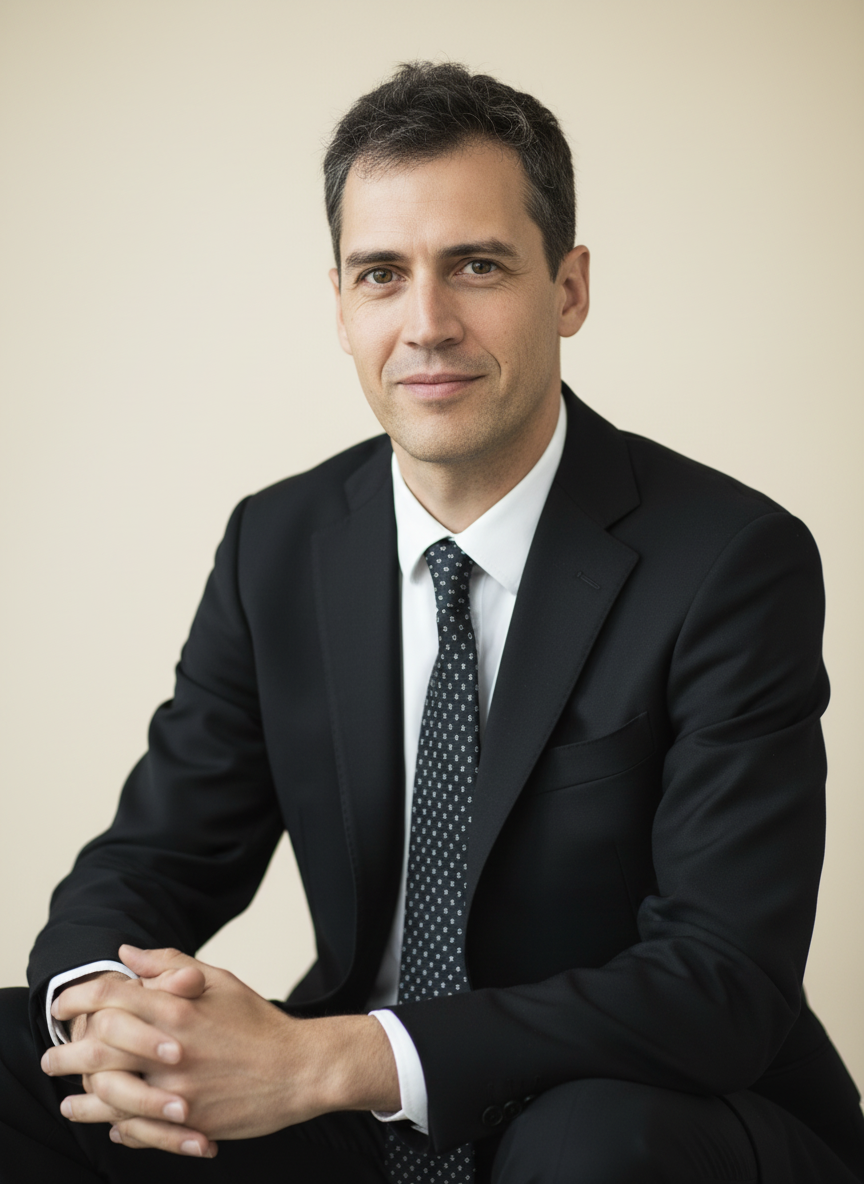
Frédéric Arnault, the second son of Bernard Arnault, is a prominent executive within the LVMH Moët Hennessy Louis Vuitton conglomerate. Known for his strategic vision in digital transformation and brand revitalization, he previously served as CEO of TAG Heuer from 2020 to 2023, where he spearheaded a significant modernization effort. As of 2024, he assumed the role of CEO of LVMH Watches, overseeing Hublot, TAG Heuer, and Zenith, and by 2025 became CEO of Loro Piana, continuing his trajectory of leadership in premium luxury brands.
Biography
Accomplishments
- 01Spearheaded the digital transformation of TAG Heuer, significantly boosting e-commerce sales and online brand presence.
- 02Launched the successful TAG Heuer Connected Calibre E4 smartwatch series, integrating cutting-edge technology with luxury watchmaking.
- 03Expanded TAG Heuer's market reach through strategic partnerships and ambassadorships, including in esports and cultural domains.
- 04Achieved significant brand revitalization for TAG Heuer, modernizing its appeal while preserving its heritage during his CEO tenure (2020-2023).
- 05Promoted to CEO of LVMH Watches in 2024, overseeing strategy and development for Hublot, TAG Heuer, and Zenith.
- 06Appointed CEO of Loro Piana in 2025, demonstrating LVMH's trust in his ability to lead diverse luxury maisons.
- 07Successfully navigated luxury watch brands through volatile market conditions, maintaining relevance and growth.
Lessons for Operators
Key Takeaways
Practical lessons distilled for operators, investors, C-levels, and capital allocators.
Digital First for Luxury
Luxury brands must prioritize digital channels, from e-commerce to social media engagement, not merely as supplements but as central components of their commercial and brand-building strategies. Frédéric Arnault's success at TAG Heuer exemplifies this necessity.
Strategic Brand Evolution
Successful brand leadership in luxury involves a delicate balance: honoring historical legacy while aggressively innovating in product, marketing, and distribution. This ensures relevance to both loyal and emerging consumer bases.
Diversification of Appeal
To broaden market reach and maintain contemporary relevance, luxury brands should explore strategic partnerships outside traditional domains, carefully integrating them to enhance, not diminish, brand prestige.
Integrated Product Innovation
Integrating advanced technology, such as smart features in watches, into luxury product lines can open new revenue streams and attract tech-savvy consumers, provided the innovation maintains the brand's core values of craftsmanship and design.
Youthful Leadership and Vision
Entrusting significant executive roles to younger leaders with a strong grasp of modern consumer trends and technological capabilities can inject dynamism and forward-thinking strategies into established organizations.
Frameworks & Principles
Named frameworks and strategic principles they popularized or embodied.
Digital Transformation Roadmap
A structured approach to overhaul an organization's digital capabilities, encompassing e-commerce, CRM, data analytics, and digital marketing, to enhance customer experience and operational efficiency.
When to useWhen a heritage brand needs to modernize its reach and consumer engagement, or when a business seeks to align its operations with contemporary digital consumption patterns.
Brand Revitalization Strategy
A comprehensive plan to refresh a brand's image, offerings, and market positioning to regain relevance, attract new segments, and drive growth, often involving product innovation, marketing adjustments, and channel diversification.
When to useApplicable when a brand is experiencing stagnation, declining market share, or needs to appeal to a younger demographic while retaining its core identity.
Luxury Market Segmentation
Analyzing and categorizing the luxury consumer base into distinct groups based on demographics, psychographics, behavior, and purchasing power to tailor marketing and product development efforts more effectively.
When to useEssential for luxury brands looking to identify underserved niches, optimize product portfolios, or target specific high-net-worth individual segments with precision.
Strategic Partnership Evaluation
A systematic process for identifying, assessing, and selecting partners (e.g., celebrities, other brands, tech companies) that can mutually benefit brand visibility, product innovation, and market access, ensuring brand alignment and risk mitigation.
When to useWhen a brand seeks to expand its reach, enhance its image, or innovate its product line through collaboration, requiring careful due diligence and strategic fit.
Recent Appearances
Latest interviews, keynotes, and press from the past half year.
 youtube.com
 youtube.com
 youtube.com
 youtube.com
 youtube.com
 youtube.com
 youtube.com
 youtube.com
 youtube.com
 youtube.com
 youtube.com
 youtube.com
 youtube.com
 youtube.com
 youtube.com
 youtube.com
 youtube.com
 youtube.com
 youtube.com
 youtube.com
 youtube.com
 youtube.com
 youtube.com
 youtube.com
 youtube.com
 youtube.com
Sources & Further Reading
Profiles, interviews, podcasts, and articles used to compile and verify this entry. Each link opens at the original publisher.
Explore Related Titans
Other figures in the archive who share Frédéric Arnault's domain, geography, or era.
More in Consumer & Retail

From France



Contemporaries — born 1990s