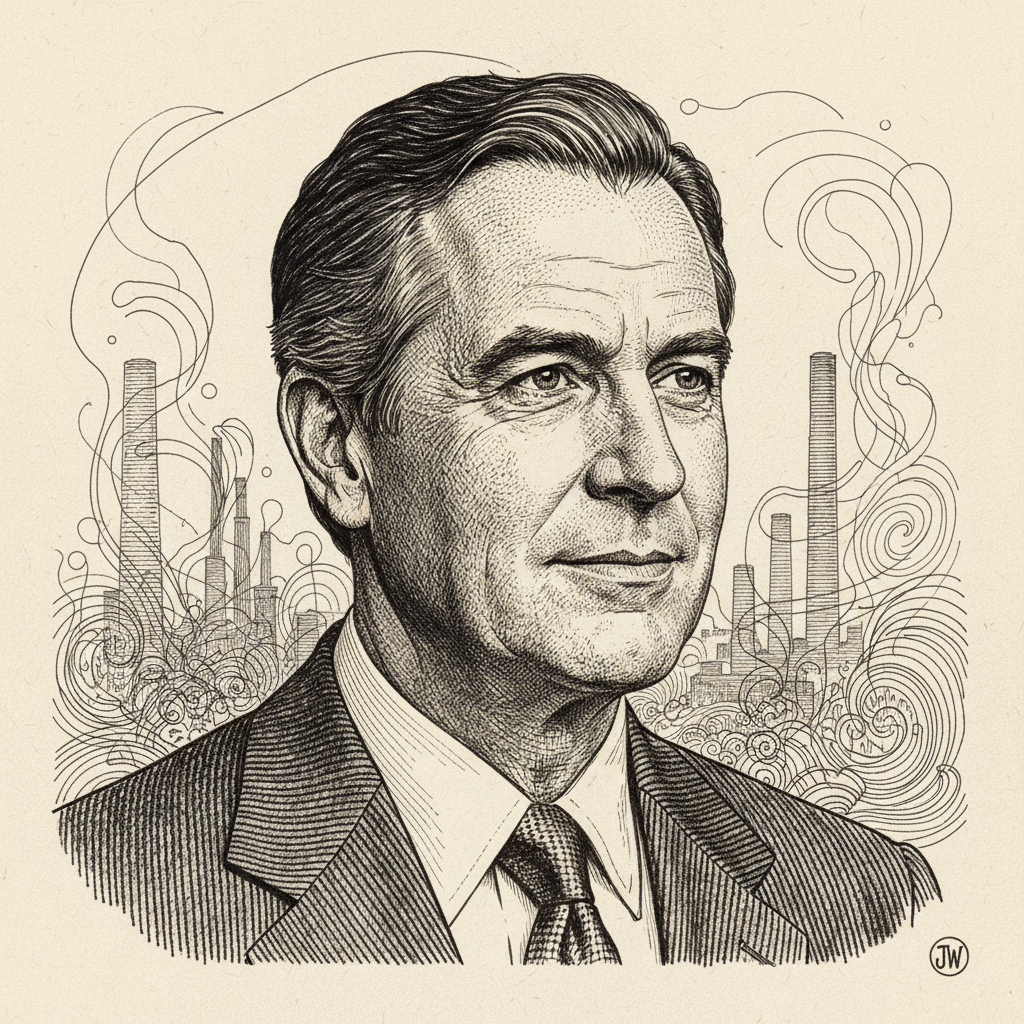
Phil Knight
Phil Knight: The Visionary Architect of Nike, who transformed athletic footwear from functional gear into a global cultural phenomenon.
Philip H. Knight, born in Portland, Oregon in 1938, is the co-founder of Nike, Inc. A former middle-distance runner at the University of Oregon, Knight started Blue Ribbon Sports (BRS) in 1964 with his former track coach, Bill Bowerman. Initially importing low-cost, high-quality running shoes from Japan, BRS evolved into Nike, Inc. in 1978. Under Knight's leadership as CEO until 2004 and Chairman until 2016, Nike grew into the world's largest supplier of athletic shoes and apparel, recognized globally for its innovative products, powerful branding, and pervasive marketing strategies. Knight's entrepreneurial journey exemplifies strategic vision, relentless execution, and a deep understanding of consumer psychology, culminating in the creation of an enduring global brand.
Biography
Accomplishments
- 01Co-founded Blue Ribbon Sports (BRS) in 1964, which later became Nike, Inc., and built it into the world's leading athletic footwear and apparel company.
- 02Pioneered the asset-light business model in footwear by outsourcing manufacturing to Asia, enabling focus on design, marketing, and distribution.
- 03Orchestrated iconic athlete endorsement deals (e.g., Michael Jordan in 1984, establishing the Air Jordan brand) that revolutionized sports marketing and branding.
- 04Led Nike through its 1980 IPO, securing capital for global expansion and product development, solidifying its position as a publicly traded powerhouse.
- 05Championed product innovation (e.g., Nike Air technology, 1978) and design that consistently delivered performance advantages and aesthetic appeal.
- 06Developed a potent brand narrative and marketing strategy with Wieden+Kennedy, including the 'Just Do It' campaign (1988), which resonated globally.
Lessons for Operators
Key Takeaways
Practical lessons distilled for operators, investors, C-levels, and capital allocators.
Visionary Long-Term Planning
Knight's journey began with a graduate school paper outlining his business model, demonstrating the power of a well-researched, long-term strategic vision. His execution was incremental but always aligned with this foundational idea.
Asset-Light Model Adoption
By outsourcing manufacturing, Nike minimized capital expenditure and focused resources on design, marketing, and distribution. This allowed rapid scalability and agility in a dynamic market.
Brand as a Strategic Asset
Knight invested heavily in brand building through innovative marketing, athlete endorsements, and compelling narratives. Nike became more than a shoe company; it became a symbol of athletic aspiration and cultural coolness, driving premium pricing and customer loyalty.
Relentless Product Innovation
Nike's consistent introduction of new technologies (e.g., Nike Air, Flyknit) and performance-enhancing designs kept it at the forefront of the industry, attracting both professional athletes and everyday consumers.
Mastery of Distribution and Retail
From selling out of a car to establishing a global network of retailers and eventually direct-to-consumer channels, Knight ensured Nike products were accessible and prominently displayed, controlling the customer experience.
Strategic Partnership Leveraging
The groundbreaking partnership with Michael Jordan transcended a simple endorsement, creating a sub-brand (Air Jordan) that generated massive revenue and solidified Nike's cultural dominance, proving the power of deeply integrated brand partnerships.
Frameworks & Principles
Named frameworks and strategic principles they popularized or embodied.
Asset-Light Business Model
A strategy where a company owns few physical assets, typically outsourcing manufacturing or logistics to third parties. This reduces capital expenditure and increases flexibility and scalability.
When to useApplicable for businesses seeking rapid growth and market penetration without incurring heavy fixed costs, especially in industries with complex supply chains or variable demand. Ideal for companies prioritizing brand, design, and distribution over direct production.
Brand-Centric Growth Strategy
Focusing organizational efforts and investments on building a strong, resonant brand identity and narrative. This involves strategic marketing, consistent messaging, and aligning product/service with core brand values to create emotional connections with consumers.
When to useEssential for companies operating in competitive markets where product differentiation alone is insufficient. Particularly effective for consumer goods, luxury brands, and businesses aiming to command premium pricing and foster long-term customer loyalty beyond functional benefits.
Endorsement Marketing
Utilizing influential public figures (athletes, celebrities, experts) to promote products or services. The endorser's credibility, popularity, or expertise is leveraged to persuade a target audience and build brand affinity.
When to useHighly effective for brands targeting specific demographics or niche markets, especially in sports, fashion, and lifestyle sectors. Requires careful selection of endorsers whose personal brand aligns authentically with the company's values and target audience.
Evergreen Talks & Interviews
Foundational talks, lectures, and interviews worth revisiting.

Recent Appearances
Latest interviews, keynotes, and press from the past half year.
 youtube.com
 youtube.com
 youtube.com
 youtube.com
 youtube.com
 youtube.com
 youtube.com
 youtube.com
 youtube.com
 youtube.com
 youtube.com
 youtube.com
 youtube.com
 youtube.com
 youtube.com
 youtube.com
 youtube.com
 youtube.com
 youtube.com
 youtube.com
 youtube.com
 youtube.com
 youtube.com
 youtube.com
 youtube.com
 youtube.com
 youtube.com
 youtube.com
 youtube.com
 m.youtube.com
 youtube.com
 youtube.com
 youtube.com
 m.youtube.com
 youtube.com
 youtube.com
Sources & Further Reading
Profiles, interviews, podcasts, and articles used to compile and verify this entry. Each link opens at the original publisher.
Explore Related Titans
Other figures in the archive who share Phil Knight's domain, geography, or era.
More in Consumer & Retail



From United States






Contemporaries — born 1930s