Madam C.J. Walker
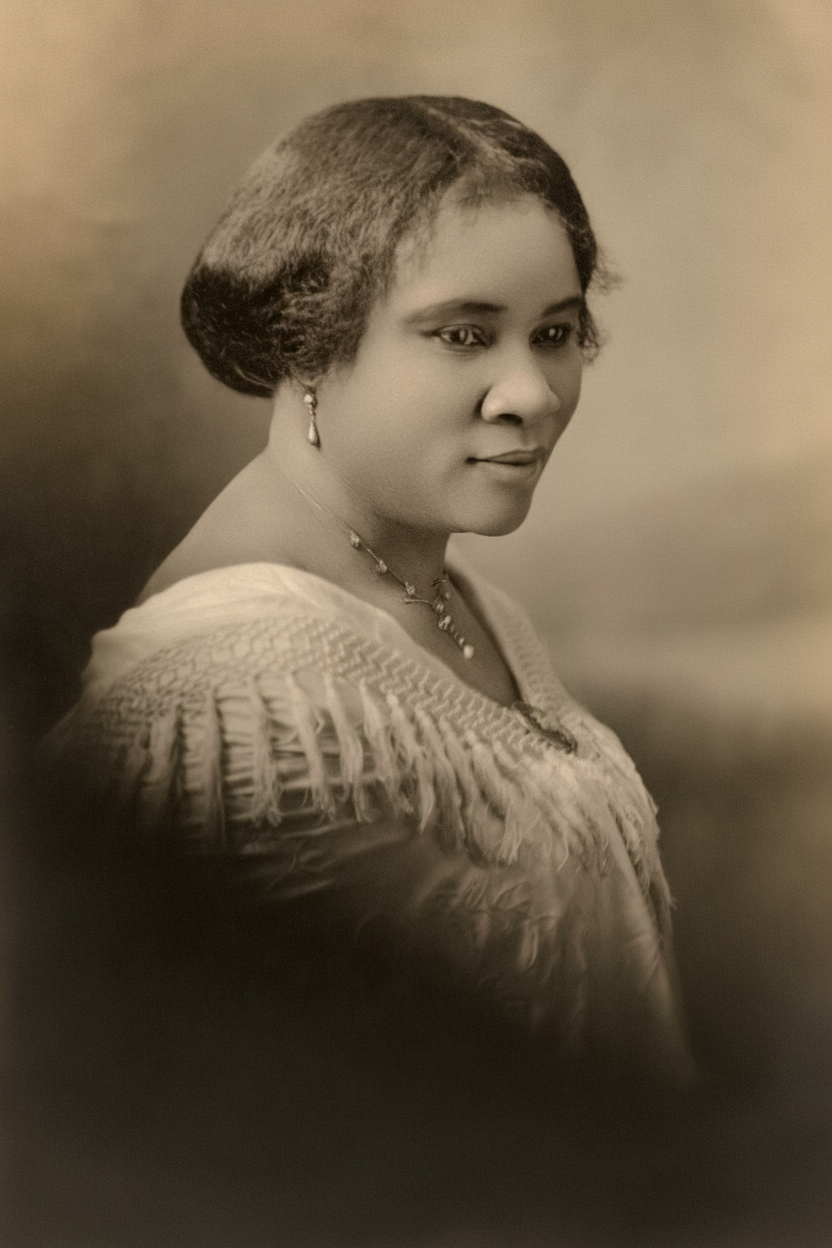
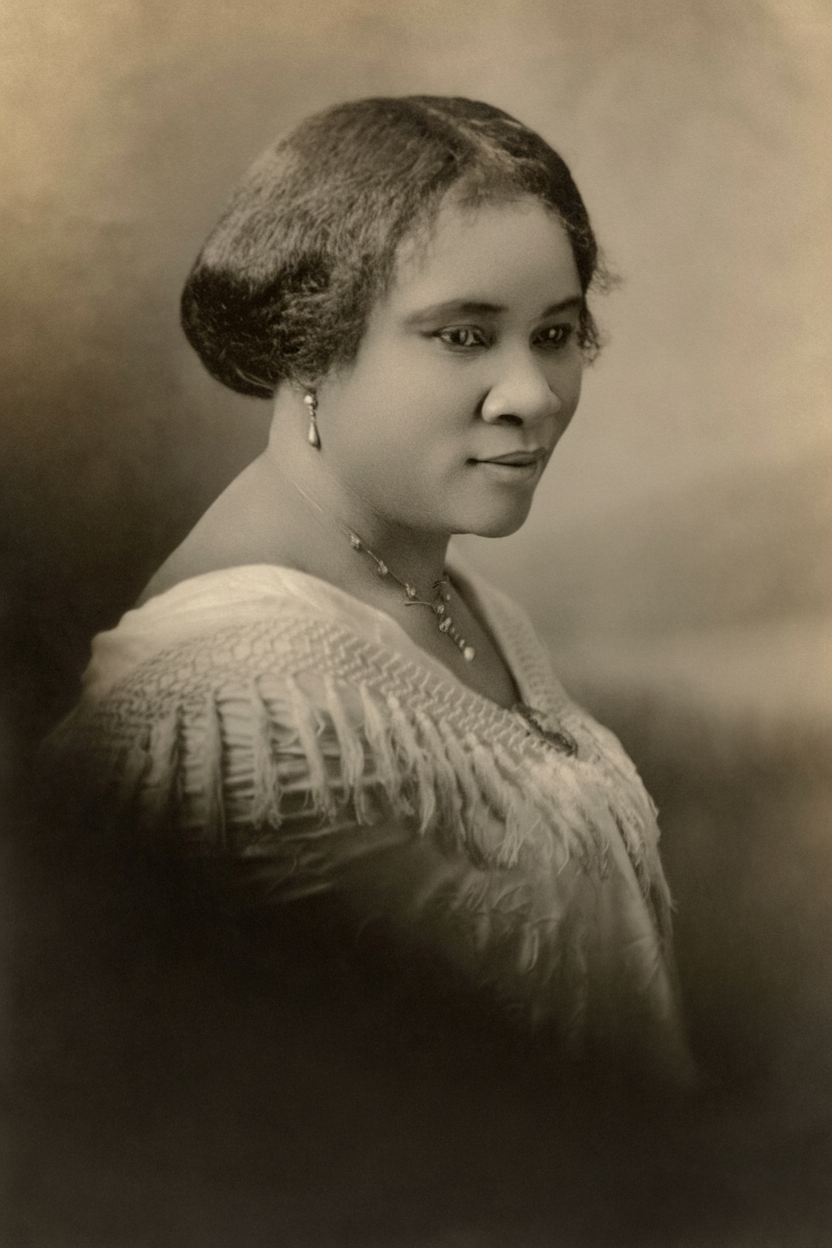
Madam C. J. Walker: Pioneering hair care entrepreneur, philanthropist, and America's first documented self-made female millionaire.
Madam C. J. Walker, born Sarah Breedlove, built a multi-million-dollar hair care empire catering to African American women at the turn of the 20th century. She innovated products, established a direct-sales force, and became a prominent philanthropist and activist, recognized by Guinness World Records as the first female self-made millionaire in America.
Biography
Accomplishments
- 01Founded the Madam C. J. Walker Manufacturing Company (circa 1906), a multi-million-dollar enterprise in hair care and cosmetics.
- 02Developed the 'Walker System' of hair care, including specific products and methodologies, catering to the unique needs of African American women.
- 03Established a direct-sales network of over 20,000 'Walker Agents' by 1917, providing economic opportunities for thousands of Black women.
- 04Achieved status as the first female self-made millionaire in America, according to the Guinness Book of World Records, with her wealth meticulously documented.
- 05Became a significant philanthropist, donating substantial sums to educational institutions (e.g., Tuskegee Institute, Bethune-Cookman College) and civil rights organizations (e.g., NAACP, anti-lynching campaigns).
- 06Constructed Villa Lewaro (1918), a lavish 34-room estate in Irvington-on-Hudson, New York, serving as both a residence and a symbolic testament to Black achievement and economic power.
- 07Utilized aggressive and innovative marketing and advertising strategies, including her own image and testimonials, to build brand recognition.
Lessons for Operators
Key Takeaways
Practical lessons distilled for operators, investors, C-levels, and capital allocators.
Niche Market Dominance
Walker's success stemmed from identifying a specific, underserved market (African American women's hair care) and developing tailored solutions. Operators should seek out neglected segments where existing solutions are inadequate.
Distributed Sales Network
Her creation of the 'Walker Agents' model established a highly effective, scalable distribution channel that provided both product access and entrepreneurial opportunities. Investors should look for business models that leverage decentralized or community-based sales forces for efficient market penetration.
Brand as a Personal Narrative
Walker's personal journey from poverty to wealth, incorporated into her branding, built trust and aspirational value. C-level executives can use authentic founder stories or mission-driven narratives to forge stronger connections with their customer base.
Strategic Philanthropy
Her substantial philanthropic contributions were not merely charity but an integral part of her public image and a demonstration of her commitment to her community. Enterprise leaders should consider how social impact initiatives can enhance brand equity and stakeholder relations.
Product-Market Fit Longevity
The 'Walker System' was more than just products; it was a comprehensive method, demonstrating a deep understanding of customer needs and behaviors. Fund managers should assess ventures that develop holistic solutions rather than just singular products, as this often indicates stronger, more enduring product-market fit.
Frameworks & Principles
Named frameworks and strategic principles they popularized or embodied.
Walker's Underserved Market Strategy
This framework involves meticulously identifying economically significant but neglected consumer segments, understanding their unmet needs, and developing purpose-built products or services to address them. It emphasizes direct engagement and custom solutions over broad market offerings.
When to useApplicable when evaluating new venture opportunities, particularly in sectors where incumbent players overlook specific demographic or cultural needs, or when seeking to differentiate in a crowded market by targeting a niche with high loyalty potential.
Distributed Empowerment Model
A business model where growth is fueled by empowering an independent, commission-based sales and service force, often within the target community. This decentralizes operations, reduces overhead, and provides economic agency to sales agents, creating a network effect for distribution and brand advocacy.
When to useRelevant for companies considering direct-to-consumer strategies, network marketing models, or when seeking to rapidly scale distribution in fragmented or hard-to-reach markets. It is also effective where personalized service and community trust are crucial for product adoption.
Integrated Brand Storytelling
This framework emphasizes weaving the founder's personal journey, the company's mission, and its social impact directly into the brand narrative and marketing efforts. It aims to build a deeper emotional connection with customers and stakeholders beyond product features.
When to useUseful for startups and established companies seeking to build a strong, authentic brand identity. It's particularly effective when founders have compelling personal stories or when a company's mission has significant social resonance.
Sources & Further Reading
Profiles, interviews, podcasts, and articles used to compile and verify this entry. Each link opens at the original publisher.
Explore Related Titans
Other figures in the archive who share Madam C.J. Walker's domain, geography, or era.
More in Consumer & Retail


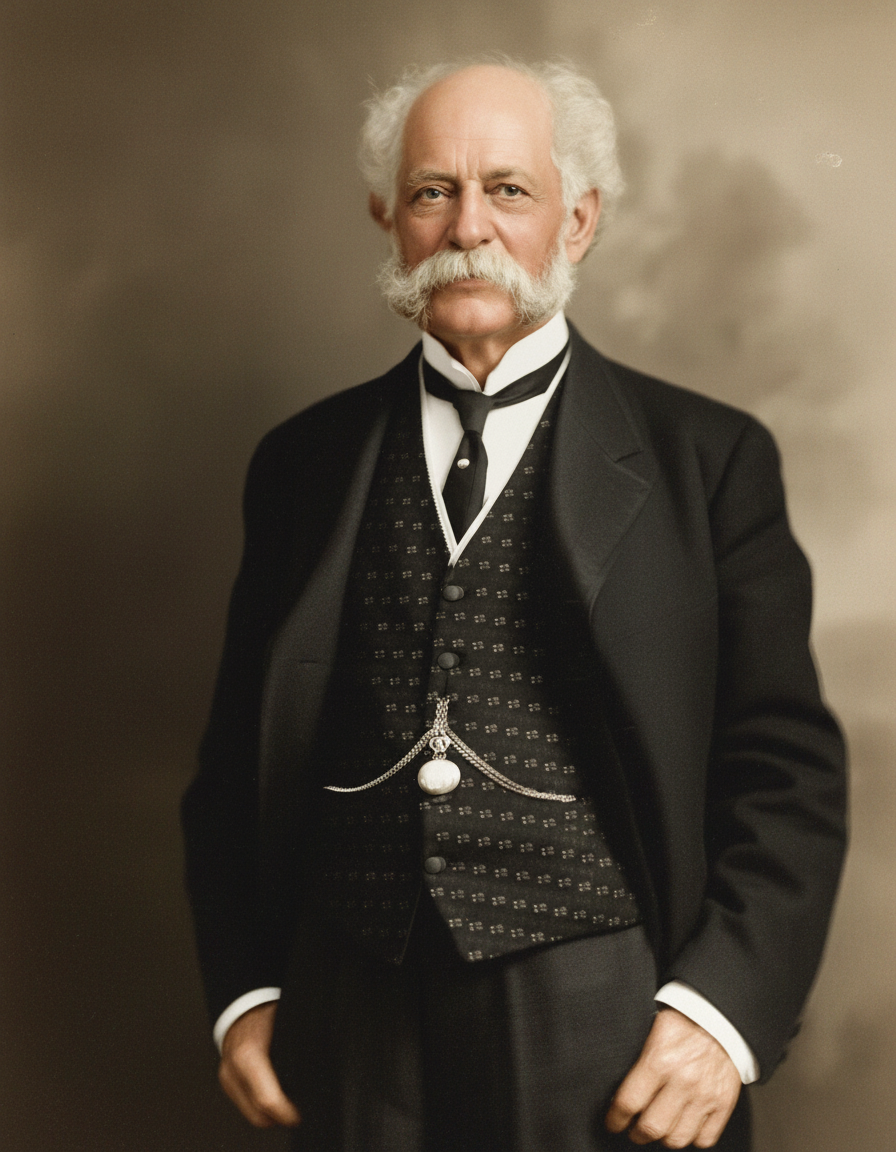



From United States









Contemporaries — 19th century