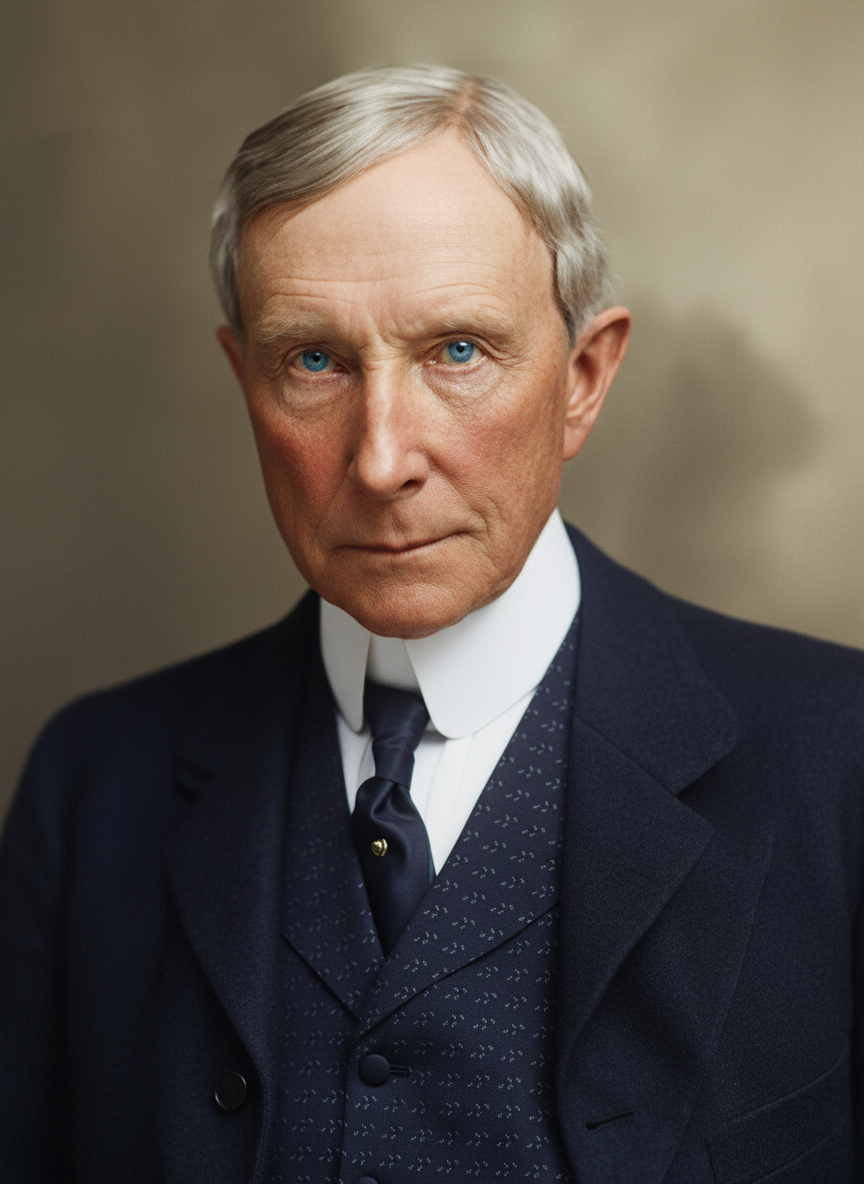
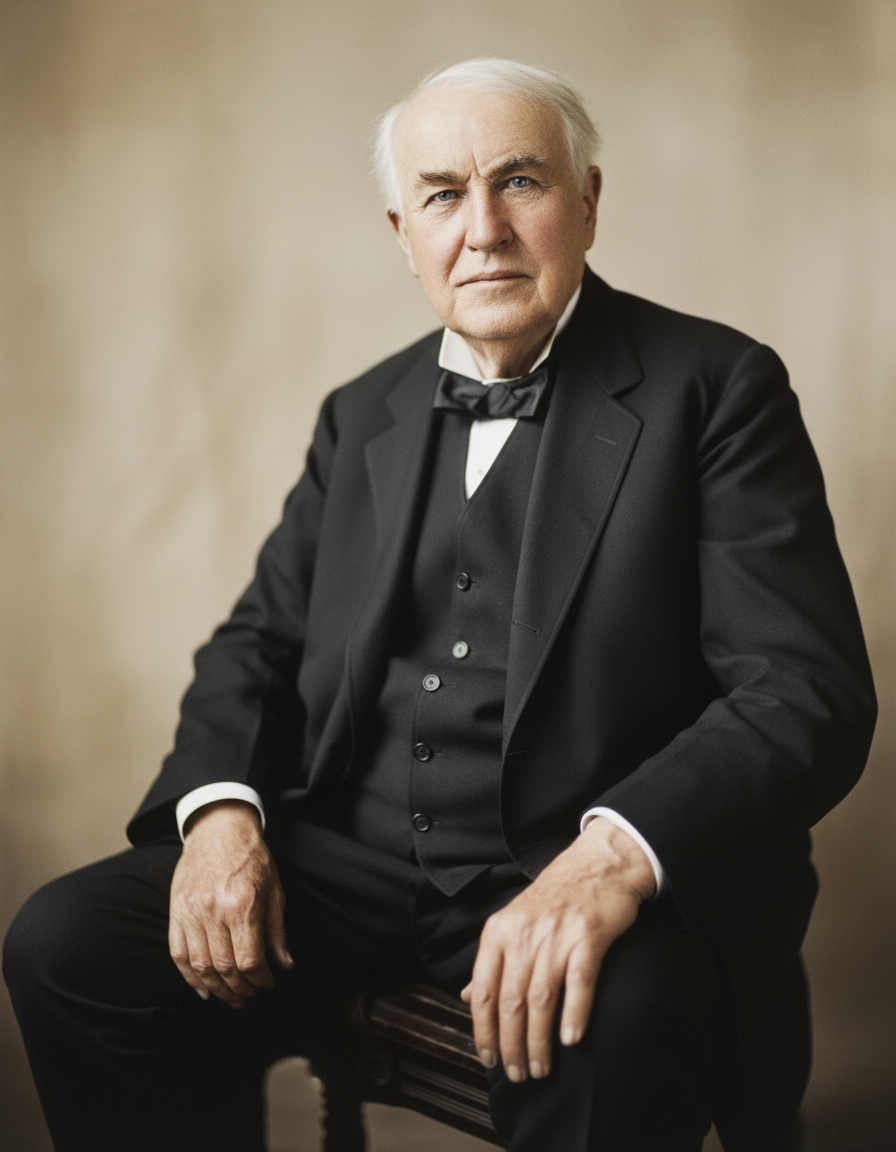
John D. Rockefeller
Architect of Standard Oil: Pioneering Vertical and Horizontal Integration in the Petroleum Industry.
John D. Rockefeller built the Standard Oil Company into one of the largest and most powerful corporations in history, dominating the American petroleum industry through relentless pursuit of efficiency, vertical and horizontal integration, and aggressive business practices. His innovative organizational structures and financial strategies set precedents for modern corporate management, while his later philanthropy established enduring institutions.
Biography
Accomplishments
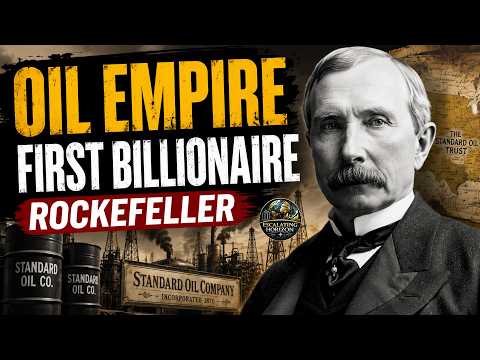
- 01Co-founded Standard Oil Company in 1870, which grew to dominate 90% of the U.S. oil refining market by 1879.
- 02Pioneered and perfected modern corporate structures, including the 'trust' model, to manage vast, multi-state enterprises.
- 03Engineered comprehensive vertical integration, acquiring pipelines, terminals, and distribution networks, which drastically reduced costs and increased market control.
- 04Standardized refining processes and product quality, contributing to lower prices and wider accessibility of kerosene for consumers.
- 05Successfully navigated the dissolution of Standard Oil in 1911, retaining substantial equity in the successor companies that became major global oil firms.
- 06Established influential philanthropic institutions, including the Rockefeller Foundation and the University of Chicago, significantly advancing education and public health.
- 07Demonstrated the power of economies of scale and scope in transforming fragmented industries into efficient, high-volume operations.
- 08Maintained control and expanded wealth through strategic investment in emerging industries and post-breakup asset management.
Lessons for Operators
Key Takeaways
Practical lessons distilled for operators, investors, C-levels, and capital allocators.
Monopolistic Efficiency vs. Market Competition
Rockefeller demonstrated that a consolidated entity could achieve unprecedented operational efficiencies and cost reductions, benefiting consumers through lower prices (e.g., kerosene). However, this came at the cost of market competition and innovation from smaller players, leading to calls for antitrust intervention. Leaders must balance efficiency gains with maintaining a healthy, competitive market environment, understanding regulatory thresholds.
The Power of Infrastructure Control
Standard Oil's control over pipelines and railroad rebates was a critical competitive advantage, allowing them to undercut rivals and expand rapidly. For modern businesses, identifying and controlling crucial infrastructure (digital platforms, logistics networks, data ownership) can provide similar leverage and competitive insulation.
Innovation in Corporate Structure
The Standard Oil Trust, though ultimately deemed illegal, was a groundbreaking organizational innovation that allowed for centralized control of disparate entities across state lines. This foreshadowed modern holding companies and complex corporate structures. Leaders should continuously evaluate and adapt their organizational design to optimize for scale, legal compliance, and strategic flexibility.
Long-Term Vision and Patient Capital
Rockefeller's success stemmed from a long-term vision for the oil industry, not just short-term gains. He consistently reinvested profits, endured price wars, and built durable assets. This requires patient capital and a strategic horizon that extends beyond quarterly earnings, focusing on sustainable market position and infrastructure build-out.
Ruthless Execution and Negotiation
Rockefeller was known for his decisive and often aggressive business tactics, including acquiring rivals through pressure or offering compelling buy-out terms. While modern ethics and laws constrain some of these methods, the lesson is in the importance of firm negotiation, clear strategic intent, and decisive execution to achieve business objectives.
Adaptability Post-Disruption
Despite the forced breakup of Standard Oil, Rockefeller's underlying assets and diversified holdings continued to thrive, forming the basis of some of the world's largest oil companies. This highlights the importance of asset management, diversification, and retaining core value even when regulatory or market forces necessitate significant structural changes.
The Dual Legacy of Industrialists
Rockefeller's legacy is complex: an undisputed titan of industry who built immense wealth through aggressive means, yet also a pioneering philanthropist who dedicated much of that wealth to public good. This underscores the potential for profound societal impact, both positive and negative, inherent in large-scale business enterprise and wealth accumulation.
Data-Driven Management
Rockefeller, beginning as a bookkeeper, had an obsessive focus on data, cost figures, and financial details. His ability to understand and leverage precise operational metrics gave him an unparalleled advantage. Modern leaders must embed data analytics deeply into all aspects of their operations to make informed, strategic decisions.
Frameworks & Principles
Named frameworks and strategic principles they popularized or embodied.
Rockefeller's Integration Model (Vertical & Horizontal)
A strategy involving comprehensive control over the entire supply chain (vertical integration, e.g., drilling, refining, pipelines, distribution) combined with consolidating competitors at each stage of production (horizontal integration, e.g., acquiring rival refineries).
When to useWhen operating in a fragmented industry with high capital intensity, significant logistical dependencies, and opportunities for economies of scale. Useful for gaining cost advantages, ensuring supply chain stability, and dominating market share. Consider regulatory implications before aggressive horizontal consolidation.
Cost Leadership Strategy (Rockefeller's Application)
Achieving the lowest production and operating costs in an industry, allowing for competitive pricing and higher profit margins. Rockefeller relentlessly pursued efficiency, eliminating waste, and leveraging scale to drive down the cost of kerosene production.
When to useApplicable in mature, commoditized industries where price is a primary competitive factor. Requires meticulous attention to operational efficiency, scale, and process optimization. Essential for maintaining profitability in highly competitive or price-sensitive markets.
Trust/Holding Company Structure (Historical Precedent)
An organizational structure where a central entity (the 'trust' or holding company) owns and controls a group of related but legally distinct businesses, allowing for unified management and strategic direction across a vast enterprise. (Note: The 'trust' model as used by Standard Oil was eventually deemed illegal under antitrust laws, but the concept of a holding company remains vital).
When to useWhen managing a diversified portfolio of companies, seeking to centralize control, or needing to navigate complex regulatory environments across multiple jurisdictions. Modern holding companies provide similar benefits without the illegal monopolistic intent of historical trusts. Useful for large conglomerates or private equity firms.
Strategic Philanthropy Model
Applying business principles (e.g., strategic planning, long-term impact, rigorous evaluation) to charitable giving, focusing on systemic change rather than just reactive donations. Rockefeller's foundations targeted root causes in education, science, and public health.
When to useFor high-net-worth individuals or corporations seeking to make a significant, measurable, and sustainable social impact. Useful for building a legacy, enhancing public image, and addressing complex societal challenges through structured, data-driven initiatives.
Quotations
"Do not be afraid to give up the good to go for the great."
Recent Appearances
Latest interviews, keynotes, and press from the past half year.
 youtube.com
 youtube.comyoutube.com
 youtube.com
 youtube.com
 youtube.com
 youtube.com
 youtube.com
 youtube.com
 youtube.com
 youtube.com
 youtube.com
 youtube.com
 youtube.com
 youtube.com
 youtube.com
 youtube.com
 youtube.com
 youtube.com
 youtube.com
 youtube.com
 youtube.com
 youtube.com
 youtube.com
 youtube.com
 youtube.com
 youtube.com
 youtube.com
 youtube.com
 youtube.com
 youtube.com
 youtube.com
 youtube.com
 youtube.com
 youtube.com
 m.youtube.com
 youtube.com
 youtube.com
 youtube.com
 youtube.com
Sources & Further Reading
Profiles, interviews, podcasts, and articles used to compile and verify this entry. Each link opens at the original publisher.
Explore Related Titans
Other figures in the archive who share John D. Rockefeller's domain, geography, or era.
More in Energy & Resources







From United States








Contemporaries — 19th century