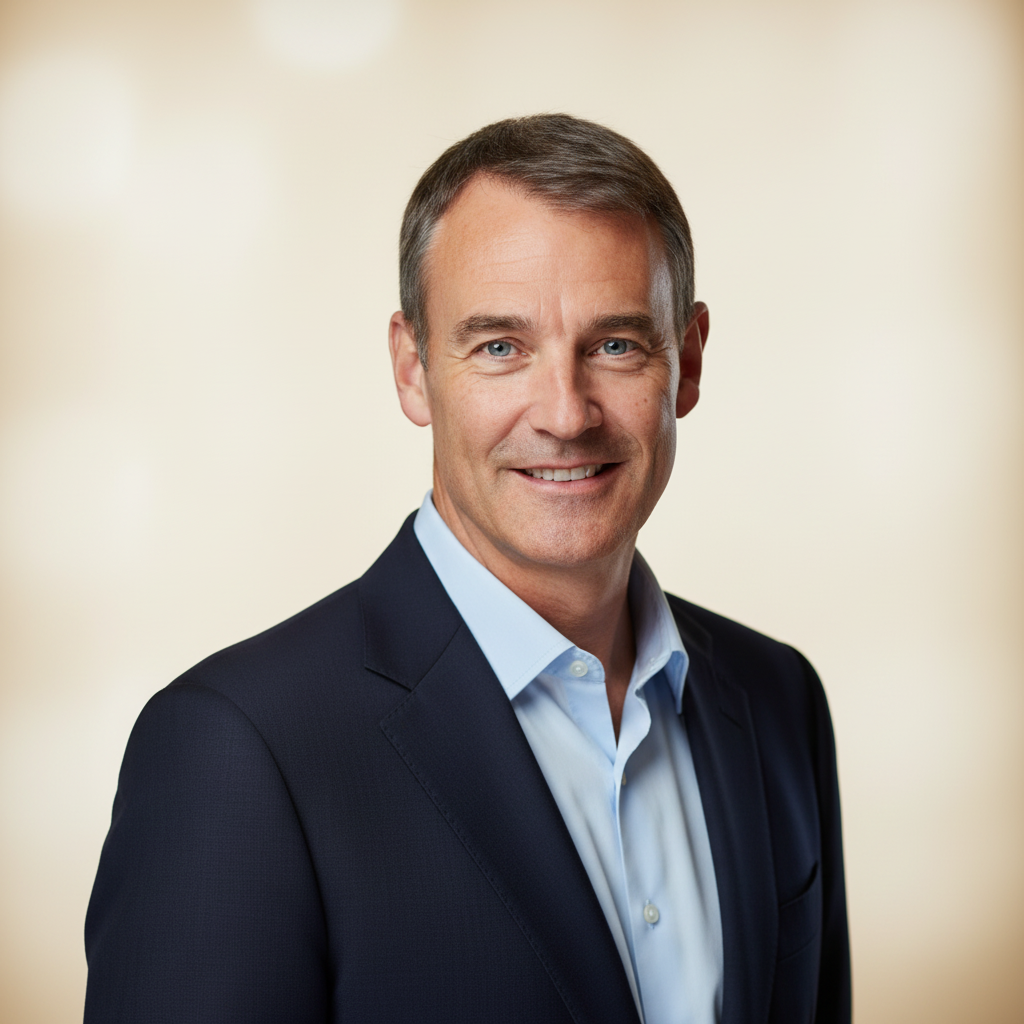
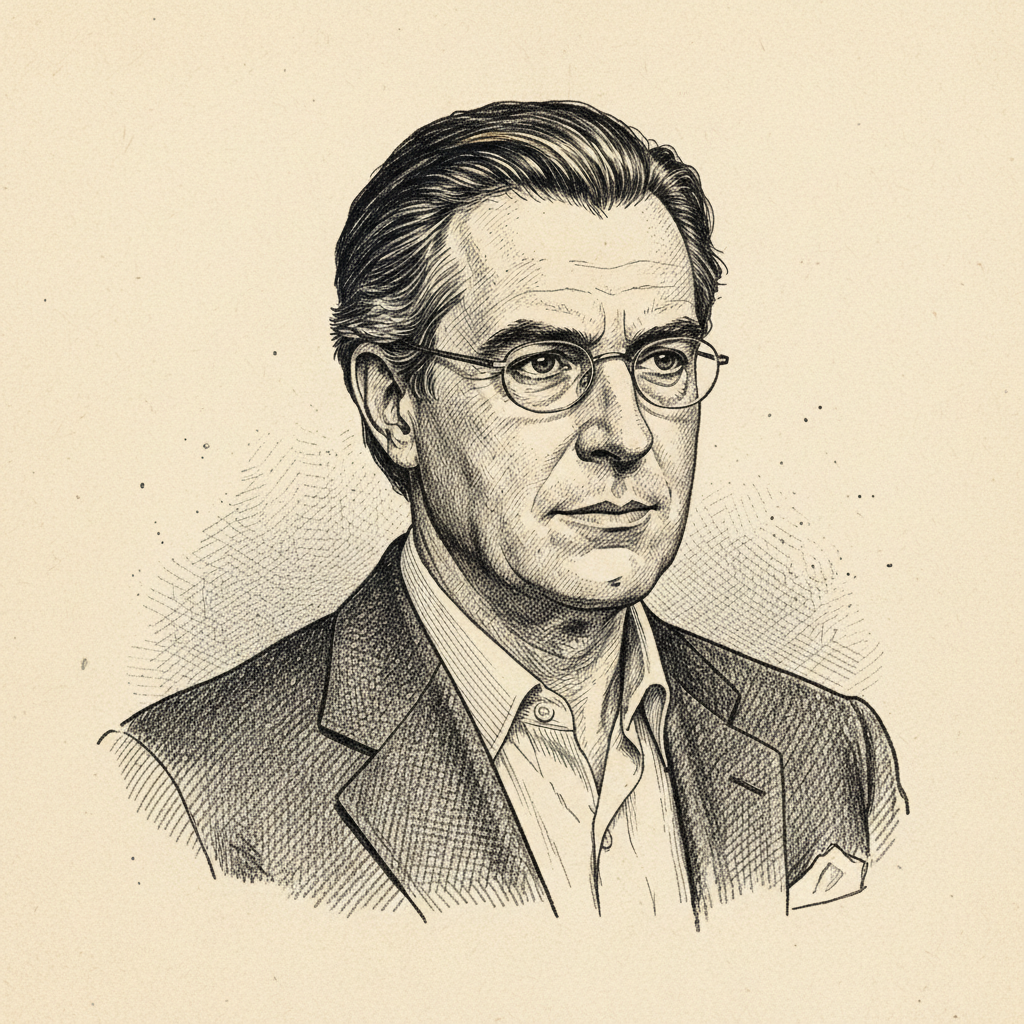
Bernard Looney
Architect of BP's 'net zero' ambition and a pivotal figure in the energy transition.
Bernard Looney served as CEO of BP plc from February 2020 to September 2023. He championed a radical transformation strategy aimed at repositioning the oil and gas supermajor as an 'integrated energy company' focused on renewable energy and significantly reducing its carbon emissions.
Biography
Accomplishments
- 01Launched BP's 'net zero' ambition in August 2020, committing the company to eliminate operational emissions by 2050 and reduce the carbon intensity of products sold.
- 02Orchestrated significant portfolio restructuring, including the divestment of BP's petrochemicals business for $5 billion and a commitment to reducing oil and gas production by approximately 40% by 2030.
- 03Accelerated BP's investment in renewable energy, including strategic partnerships and acquisitions in offshore wind (e.g., with Equinor in the US), solar (e.g., Lightsource BP expansion), and EV charging infrastructure (e.g., acquisitions like Amply Power).
- 04Navigated BP through the initial phases of the COVID-19 pandemic, preserving financial stability while initiating large-scale strategic shifts.
- 05Led BP's Upstream business as CEO from 2016-2020, achieving record production and improving safety performance.
Lessons for Operators
Key Takeaways
Practical lessons distilled for operators, investors, C-levels, and capital allocators.
Decarbonization as a Core Strategy
For energy companies, decarbonization is no longer a peripheral concern but a central pillar of future viability and competitive advantage. Integrating environmental goals into the core business model is paramount.
Capital Allocation for the Future
Successful long-term growth requires continuous assessment and reallocation of capital away from declining segments towards emerging, high-growth sectors. This involves disciplined divestment and strategic investment.
Navigating Investor Expectations
Transformative strategies must balance the long-term vision with short-to-medium term investor returns. Clear financial modeling and communication are essential to maintain investor confidence during periods of significant change.
Organizational Alignment for Change
A radical shift in corporate strategy demands comprehensive internal communication, retraining, and cultural adaptation to ensure the workforce is aligned with and capable of executing the new direction.
Partnerships in Emerging Industries
Entering nascent or rapidly evolving industries often requires strategic partnerships, joint ventures, and acquisitions to gain expertise, scale, and market access more quickly than organic development alone.
Frameworks & Principles
Named frameworks and strategic principles they popularized or embodied.
Strategic Repositioning
A framework for fundamentally altering a company's business model, market position, and core identity to adapt to changing environmental, technological, or market landscapes.
When to useWhen an established industry faces existential threats or profound shifts, requiring a fundamental re-evaluation of its mission, core competencies, and long-term value proposition (e.g., oil & gas in a decarbonizing world).
Portfolio Optimization & Rebalancing
A systematic approach to evaluating all business units and asset classes within a portfolio, determining which to grow, maintain, divest, or acquire, based on strategic fit, growth potential, and financial performance.
When to useTo align capital allocation with long-term strategic goals, improve financial efficiency, or shift focus towards new market opportunities (e.g., divesting mature assets to fund renewable energy growth).
Integrated Energy Company Model
A conceptual framework suggesting that traditional oil and gas companies evolve into broader energy providers, incorporating renewables, biofuels, carbon capture, and other low-carbon solutions alongside conventional fossil fuels.
When to useFor traditional energy companies seeking to diversify their revenue streams, achieve sustainability targets, and mitigate risks associated with fossil fuel dependence, by building a comprehensive energy offering.
Recent Appearances
Latest interviews, keynotes, and press from the past half year.
![PODCAST 🎙️ [Summary] : Bernard Looney, CEO of BP - YouTube](https://i.ytimg.com/vi/74g44Tpmjkc/hqdefault.jpg) youtube.com
youtube.com youtube.com
 youtube.com
 youtube.com
 youtube.com
 youtube.com
 youtube.com
 youtube.com
 youtube.com
 youtube.com
 youtube.com
 youtube.com
 youtube.com
 youtube.com
 youtube.com
 youtube.com
 youtube.com
 youtube.com
 youtube.com
 youtube.com
 youtube.com
 youtube.com
 youtube.com
 youtube.com
 youtube.com
 youtube.com
 youtube.com
 youtube.com
 youtube.com
 youtube.com
 youtube.com
 youtube.com
 youtube.com
 youtube.com
 youtube.com
 youtube.com
 youtube.com
 youtube.com
 youtube.com
 youtube.com
 youtube.com
 youtube.com
 youtube.com
 youtube.com
 youtube.com
 youtube.com
 youtube.com
 youtube.com
 youtube.com
 youtube.com
 youtube.com
 youtube.com
 youtube.com
 youtube.com
 youtube.com
 youtube.com
 youtube.com
 youtube.com
 youtube.com
 youtube.com
 youtube.com
 youtube.com
 youtube.com
 youtube.com
 youtube.com
 youtube.com
 youtube.com
 youtube.com
 youtube.com
 youtube.com
 youtube.com
 youtube.com
 youtube.com
 youtube.com
 youtube.com
 youtube.com
 youtube.com
 youtube.com
 youtube.com
 youtube.com
 youtube.com
 youtube.com
 youtube.com
 youtube.com
 youtube.com
 youtube.com
 youtube.comm.youtube.com
 m.youtube.com
 youtube.com
 youtube.com
 youtube.com
![[아침마다 지혜 #500] 개혁 앞의 밑작업, 리더십은 능력과 운의 합작품](https://i.ytimg.com/vi/PY8PZkteLN4/hqdefault.jpg) youtube.com
youtube.com youtube.com
 youtube.com
 youtube.com
 youtube.com
Sources & Further Reading
Profiles, interviews, podcasts, and articles used to compile and verify this entry. Each link opens at the original publisher.
Explore Related Titans
Other figures in the archive who share Bernard Looney's domain, geography, or era.
More in Energy & Resources


From Ireland



Contemporaries — born 1970s