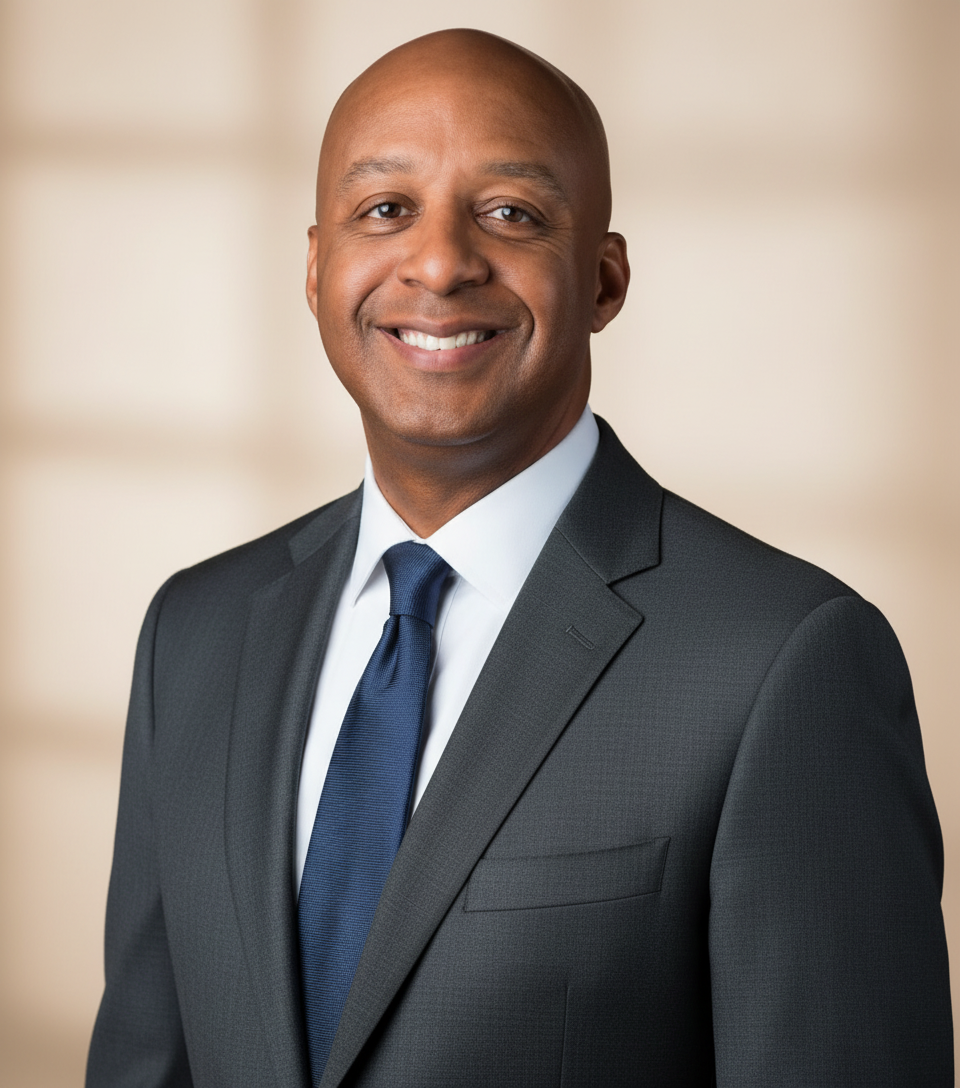
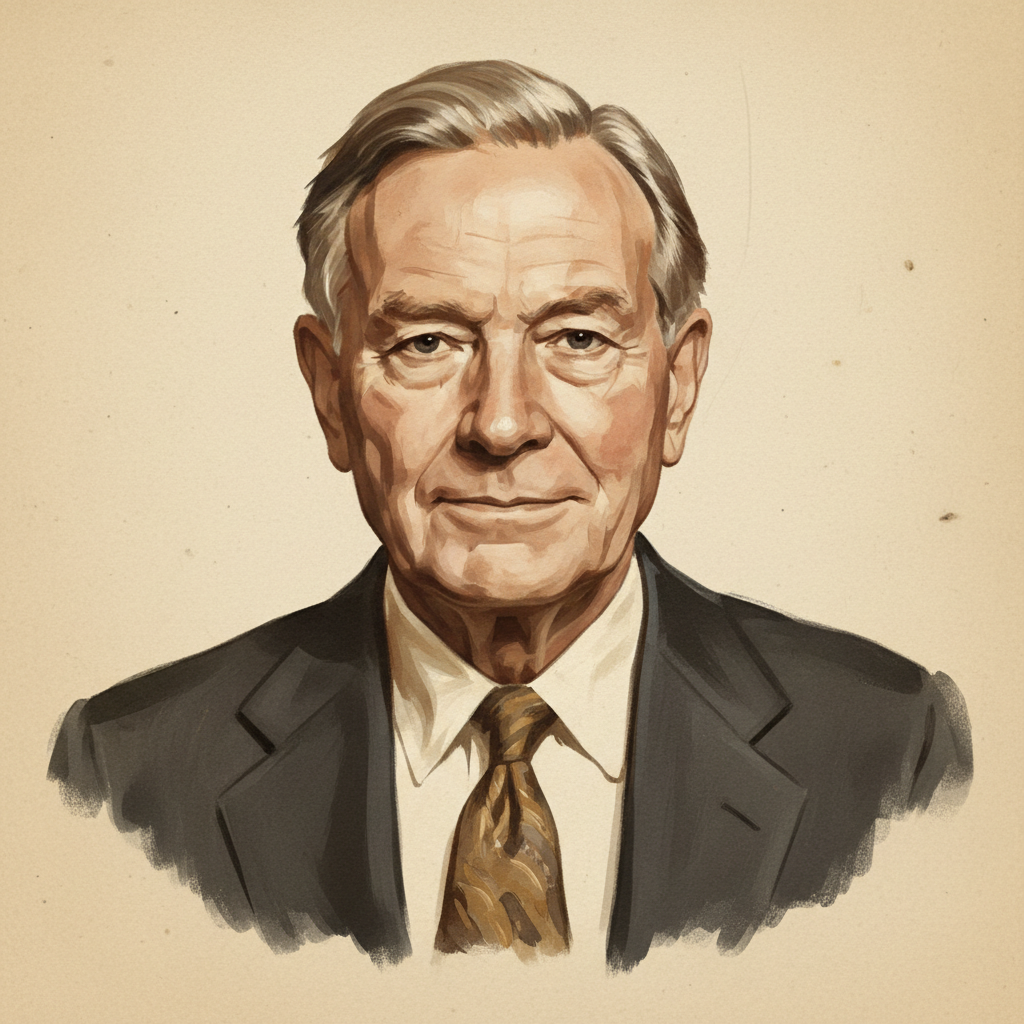
Mike Wirth
A chemical engineer at the helm of a supermajor, navigating energy security, profitability, and decarbonization through strategic capital allocation and technological integration.
Michael 'Mike' K. Wirth is the Chairman and CEO of Chevron Corporation, one of the world's largest integrated energy companies. Wirth joined Chevron in 1982 as a design engineer and steadily rose through the ranks, holding various leadership positions across Chevron's refining, marketing, chemicals, and supply and trading operations. He served as Executive Vice President of Midstream and Development and as Vice Chairman before assuming the CEO role in February 2018. Wirth is recognized for his focus on capital discipline, operational excellence, and balancing traditional hydrocarbon production with strategic investments in lower carbon solutions.
Biography
Accomplishments
- 01Steered Chevron through the post-COVID-19 market recovery and geopolitical energy crises, maintaining a strong balance sheet and delivering record profits in 2022 ($36.5 billion) and 2023 ($21.4 billion).
- 02Implemented a 'capital discipline' strategy that prioritizes returns on capital over production volume growth, leading to enhanced free cash flow generation and shareholder distributions. Chevron achieved a 19.3% return on capital employed in 2022.
- 03Oversaw the significant expansion and optimization of Chevron's Permian Basin assets, growing production and reducing lifting costs, making it a cornerstone of the company's long-term production profile.
- 04Acquired Noble Energy in 2020 for approximately $13 billion (enterprise value), adding complementary assets in the Permian, Colorado's DJ Basin, and the Eastern Mediterranean (Leviathan natural gas field), enhancing Chevron's global portfolio during a downturn.
- 05Initiated and accelerated Chevron's 'New Energies' strategy, committing billions to lower-carbon businesses, including renewable natural gas, sustainable aviation fuel, and carbon capture projects like the Calpine geothermal carbon capture initiative.
- 06Managed a period of significant geopolitical instability, ensuring supply chain resilience and maintaining operational continuity across Chevron's diverse global portfolio.
- 07Maintained Chevron's position as a dividend aristocrat, demonstrating commitment to consistent shareholder returns even through volatile market cycles.
Lessons for Operators
Key Takeaways
Practical lessons distilled for operators, investors, C-levels, and capital allocators.
Dual Energy Mandate
Chevron's strategy under Wirth emphasizes a dual mandate: providing affordable, reliable energy today while simultaneously investing in lower-carbon solutions for the future. This pragmatic approach acknowledges ongoing global energy demand and the necessity of managing a transition.
Disciplined Capital Allocation
A hallmark of Wirth's leadership is rigorous capital discipline. Investments are screened for high returns, leading to a more resilient business model that can weather commodity price fluctuations and generate consistent free cash flow for shareholders.
Permian as a Core Growth Engine
The Permian Basin remains central to Chevron's upstream strategy. Continuous investment in drilling efficiencies, infrastructure, and technology has transformed it into a low-cost, high-return production engine, providing significant cash flow.
Strategic M&A for Portfolio Enhancement
Wirth has demonstrated a willingness to execute strategic acquisitions (e.g., Noble Energy, PDC Energy) during market downturns to acquire quality assets at attractive valuations, bolstering Chevron's core portfolio and future growth prospects.
Pragmatic Energy Transition
Chevron's 'New Energies' division focuses on solutions like renewable fuels, hydrogen, and carbon capture that leverage existing expertise and infrastructure, aiming for financially viable pathways to decarbonization rather than solely speculative ventures.
Shareholder Returns Priority
Despite market volatility and energy transition pressures, Wirth has maintained a steadfast commitment to shareholder returns through consistent dividends and share repurchases, reinforcing Chevron's appeal to long-term investors.
Operational Integration and Efficiency
Wirth's deep background across refining and upstream operations has fostered an integrated approach to value chain management, driving efficiencies and optimizing performance from wellhead to customer.
Frameworks & Principles
Named frameworks and strategic principles they popularized or embodied.
Higher Returns, Lower Carbon
Chevron's overarching strategic framework under Wirth, balancing the imperative to deliver superior financial returns to shareholders with the responsibility to reduce the carbon intensity of its operations and invest in lower-carbon energy solutions.
When to useApplicable for any enterprise navigating evolving market demands and societal expectations while needing to maintain profitability. It provides a blueprint for integrating sustainability goals with financial performance targets.
Capital Discipline Model
A framework for rigorous capital allocation that prioritizes projects based on expected returns on capital employed (ROCE), free cash flow generation, and strategic fit, rather than simply maximizing production volumes or market share.
When to useIdeal for capital-intensive industries or any business seeking to optimize investment decisions, especially during periods of high uncertainty or limited capital, ensuring that every dollar invested generates maximum value.
Advantaged Assets Strategy
A portfolio management approach that focuses investments on assets with competitive advantages such as low operating costs, long production lives, favorable geology, or strategic market positioning, yielding higher and more resilient returns.
When to useUseful for businesses with diverse asset portfolios (e.g., real estate, manufacturing, natural resources) to identify and prioritize investments in assets that provide the strongest competitive edge and long-term profitability.
Value Chain Optimization
A comprehensive approach to managing and improving the entire sequence of activities involved in producing and delivering a product or service, from raw material sourcing to final customer delivery, aiming to maximize efficiency and value creation at every stage.
When to useApplicable to any complex organization, particularly those in integrated industries, to identify bottlenecks, reduce costs, enhance quality, and improve overall operational performance and profitability.
Recent Appearances
Latest interviews, keynotes, and press from the past half year.
 youtube.com
 youtube.com
 youtube.com
 youtube.com
 youtube.com
 youtube.com
 youtube.com
 youtube.com
 youtube.com
 youtube.com
 youtube.com
 youtube.com
 youtube.com
 youtube.com
 youtube.com
 youtube.com
 youtube.com
 youtube.com
Sources & Further Reading
Profiles, interviews, podcasts, and articles used to compile and verify this entry. Each link opens at the original publisher.
Explore Related Titans
Other figures in the archive who share Mike Wirth's domain, geography, or era.
More in Energy & Resources





From United States






Contemporaries — born 1960s