Patrick Pouyanné
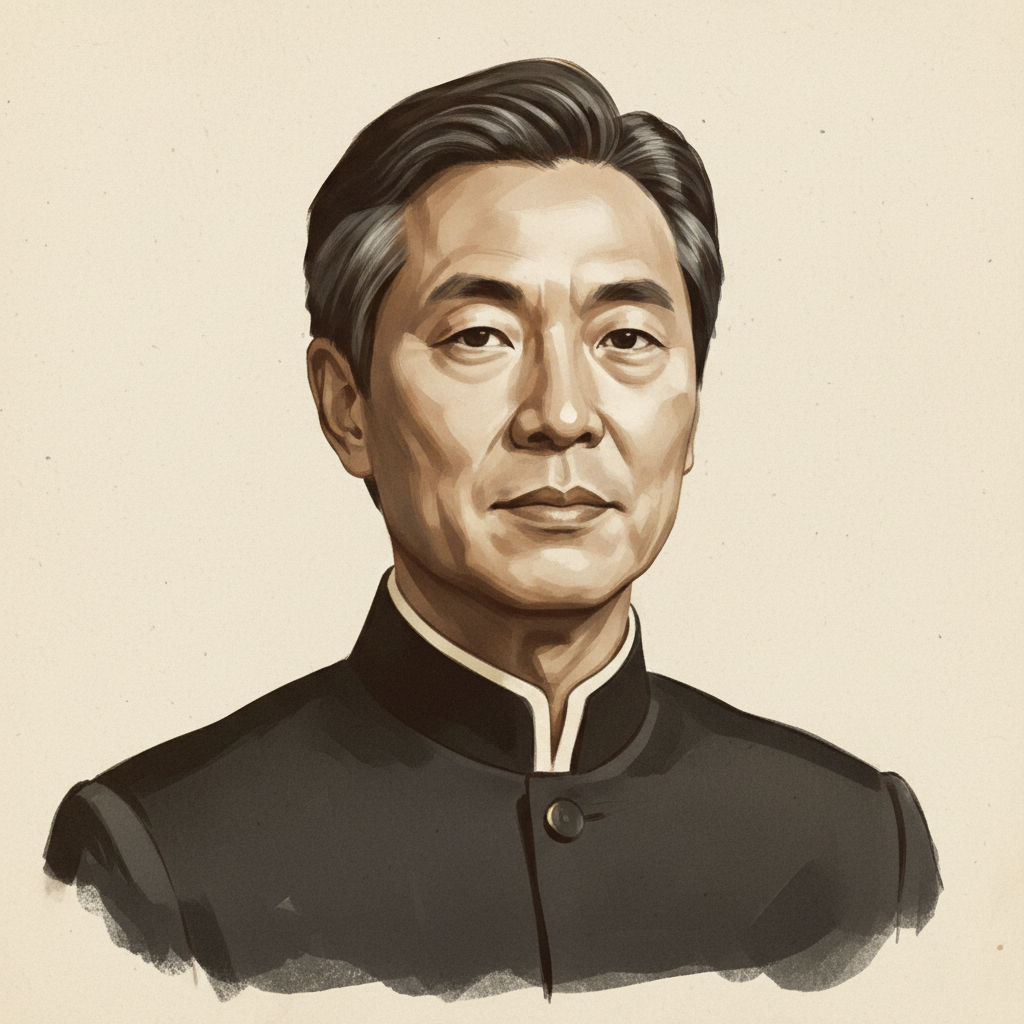
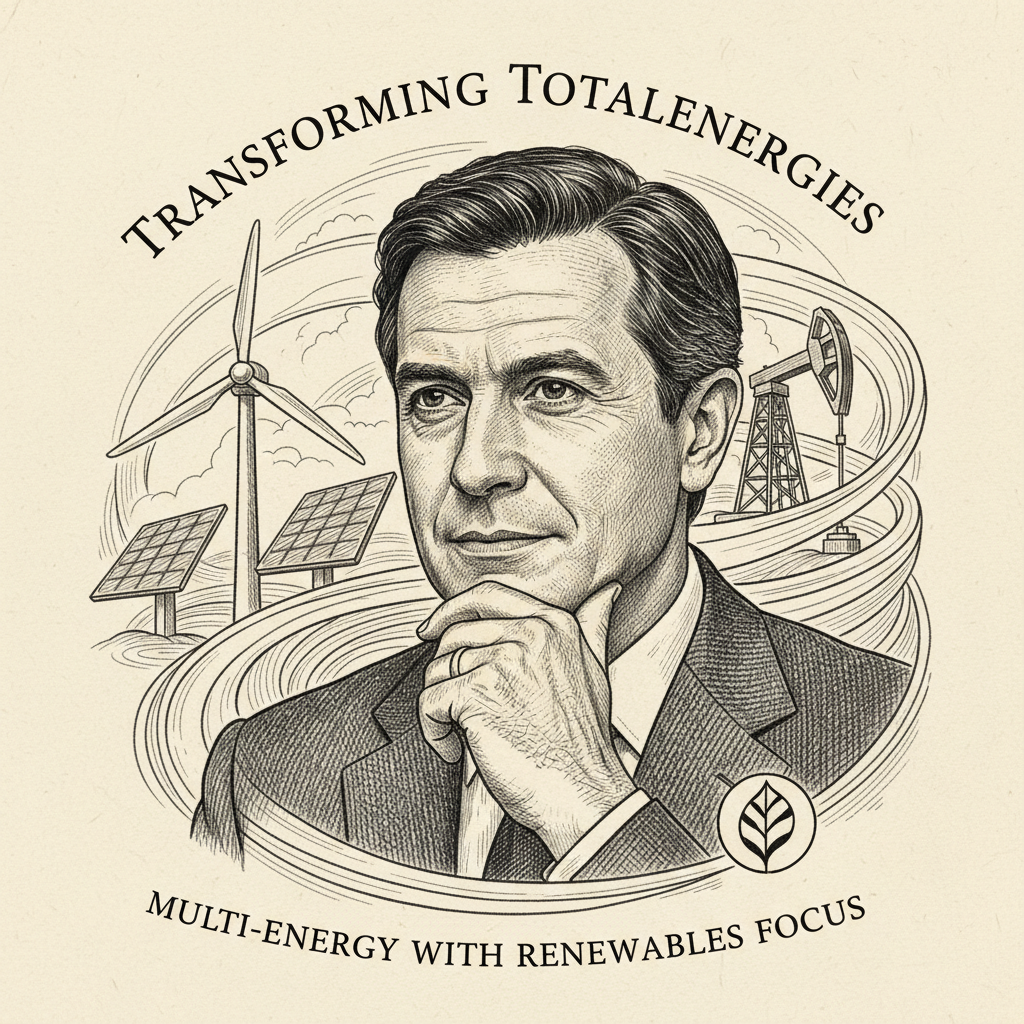
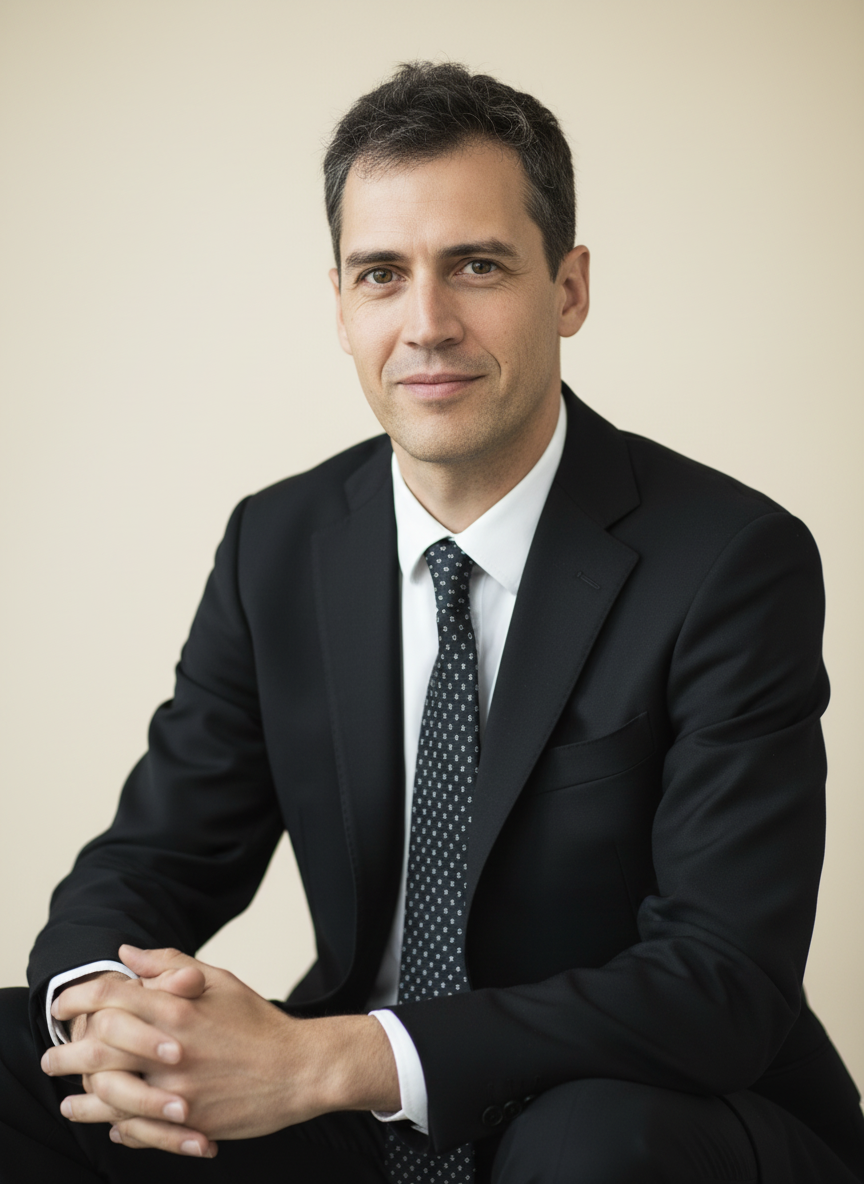
Patrick Pouyanné, Chairman and CEO of TotalEnergies SE, navigates global energy transitions, balancing fossil fuel production with aggressive renewable energy expansion to transform a supermajor into a multi-energy company.
Patrick Pouyanné is a French businessman who has served as the Chairman and CEO of TotalEnergies SE (formerly Total SA) since 2014 and 2015, respectively. Educated at École Polytechnique and Mines ParisTech, he held various roles in French governmental ministries before joining Total in 1997. His leadership is marked by a strategic pivot towards renewable energy and electricity, transforming the traditional oil and gas giant into a broader multi-energy company while maintaining robust hydrocarbon operations.
Biography
Accomplishments
- 01Orchestrated the strategic transformation and rebranding of Total SA to TotalEnergies SE in 2021, signaling a commitment to a broader energy portfolio beyond oil and gas.
- 02Led TotalEnergies to become a global leader in liquefied natural gas (LNG), securing major projects and supply agreements, notably with QatarEnergy (North Field East, North Field South) and the expansion of the Mozambique LNG project.
- 03Accelerated TotalEnergies' entry and expansion into renewable energy, targeting 100 GW of gross renewable generation capacity by 2030, with significant investments in solar (e.g., Adani Green Energy partnership, Qatari solar projects) and offshore wind (e.g., projects in the UK, USA, Germany).
- 04Navigated the company through periods of extreme oil price volatility (2014-2016 downturn, COVID-19 pandemic) and geopolitical shifts (e.g., withdrawal from Russian assets), maintaining financial resilience and profitability.
- 05Implemented a robust capital allocation strategy, balancing shareholder returns, debt reduction, and investments in both traditional hydrocarbons and new energies, resulting in strong financial performance.
- 06Initiated and oversaw major upstream projects globally, such as the Tilenga and EACOP projects in Uganda and Tanzania, and the restart of the Abadi LNG project in Indonesia, demonstrating continued commitment to oil and gas production while adhering to strict environmental standards.
- 07Established a significant position in the electricity sector, including power generation, trading, and electric vehicle charging infrastructure, aiming to leverage the company's integrated model.
Lessons for Operators
Key Takeaways
Practical lessons distilled for operators, investors, C-levels, and capital allocators.
Dual Energy Strategy
Pouyanné's leadership exemplifies a pragmatic 'dual energy strategy' – aggressively investing in new energies (renewables, electricity) while optimizing and profitably managing existing hydrocarbon assets. This approach provides financial stability to fund the transition and maintains market relevance during evolving energy demands.
Proactive Transformation
Instead of resisting the energy transition, Pouyanné initiated a proactive and comprehensive strategic pivot, including a corporate rebranding, significant capital reallocation towards low-carbon solutions, and establishing ambitious carbon neutrality targets. This demonstrates the value of internalizing change before external forces dictate it.
Integrated Value Chain Approach
TotalEnergies' expansion into electricity, including generation, storage, trading, and EV charging, reflects an understanding that value creation in the future energy landscape lies across an integrated value chain, not just in primary resource extraction. This vertical integration creates new revenue streams and customer touchpoints.
Capital Discipline and Shareholder Returns
Despite massive investments in new sectors, Pouyanné has maintained strict capital discipline, prioritizing projects with strong returns and ensuring robust cash flow generation to support competitive shareholder distributions. This balance is crucial for retaining investor confidence during periods of significant strategic change.
Global Asset Optimization
The strategy involves continuous optimization of the global asset portfolio, divesting non-core or less profitable assets and acquiring strategic ones that align with the company's long-term vision. This dynamic portfolio management enhances efficiency and strategic alignment.
Navigating Geopolitical Complexities
Pouyanné has demonstrated adeptness in navigating complex geopolitical landscapes, making difficult decisions regarding international operations (e.g., Russia) while securing critical energy projects (e.g., Qatar LNG, African upstream) to ensure diversification and long-term supply.
Frameworks & Principles
Named frameworks and strategic principles they popularized or embodied.
The 'Multi-Energy Company' Transformation Model
This framework involves a deliberate, phased transition of a traditional fossil fuel company into a broader energy provider. It emphasizes diversification across electricity, renewables (solar, wind), biofuels, and hydrogen, alongside optimizing existing oil and gas operations for profitability and lower emissions. The goal is to leverage existing capital, engineering expertise, and global reach to build a diversified, integrated energy portfolio.
When to useApplicable for large incumbent energy companies facing decarbonization pressures, seeking to evolve their business model to remain competitive and relevant in a changing energy landscape. Also useful for investors analyzing the long-term viability of energy majors.
Pragmatic Energy Transition Capital Allocation
This framework focuses on balancing capital expenditure between legacy, high-cash-flow generating assets (e.g., oil and gas) and growth-oriented, future-proof assets (e.g., renewables, electricity infrastructure). The key is to use the cash flows from mature businesses to fund the growth of new, lower-carbon businesses, while maintaining strict financial discipline and targeting specific return on capital employed (ROCE) metrics for all investments.
When to useSuitable for companies in transitioning industries that need to fund significant strategic shifts without compromising short-to-medium term profitability or shareholder returns. Helps avoid premature abandonment of profitable core businesses.
Integrated Value Chain Optimization
This framework extends beyond primary production to encompass the entire value chain, from energy generation and conversion to storage, distribution, and end-user services (e.g., EV charging, power trading). The objective is to capture additional value and build stronger customer relationships by integrating various energy components and services.
When to useIdeal for energy companies looking to differentiate themselves, build resilience against commodity price volatility, and unlock new revenue streams by engaging directly with end-consumers or managing broader energy systems.
Recent Appearances
Latest interviews, keynotes, and press from the past half year.
 youtube.com
 youtube.com
 youtube.com
 youtube.com
 youtube.com
 youtube.com
 youtube.com
 youtube.com
 youtube.com
 youtube.com
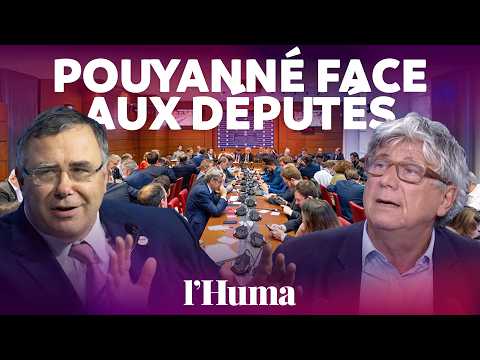 youtube.com
 youtube.com
 youtube.com
 youtube.com
 youtube.com
 youtube.com
 youtube.com
 youtube.com
 youtube.com
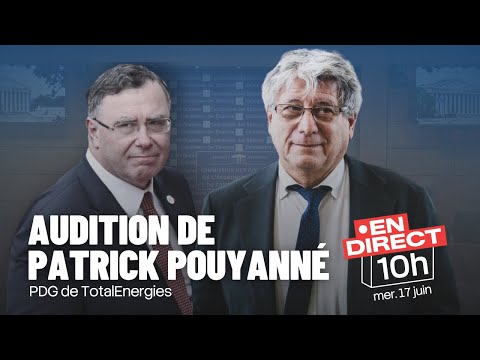 youtube.com
 youtube.com
 youtube.com
 youtube.com
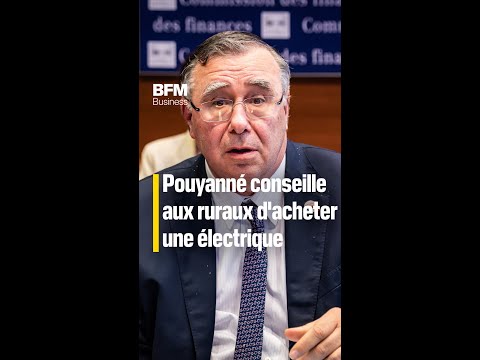 youtube.com
 youtube.com
 youtube.com
![[DIRECT] Patrick Pouyanné , PDG de TotalEnergies est ...](https://i.ytimg.com/vi/04U9780IlI4/hqdefault.jpg) youtube.com
youtube.comSources & Further Reading
Profiles, interviews, podcasts, and articles used to compile and verify this entry. Each link opens at the original publisher.
Explore Related Titans
Other figures in the archive who share Patrick Pouyanné's domain, geography, or era.
More in Energy & Resources


From France



Contemporaries — born 1960s