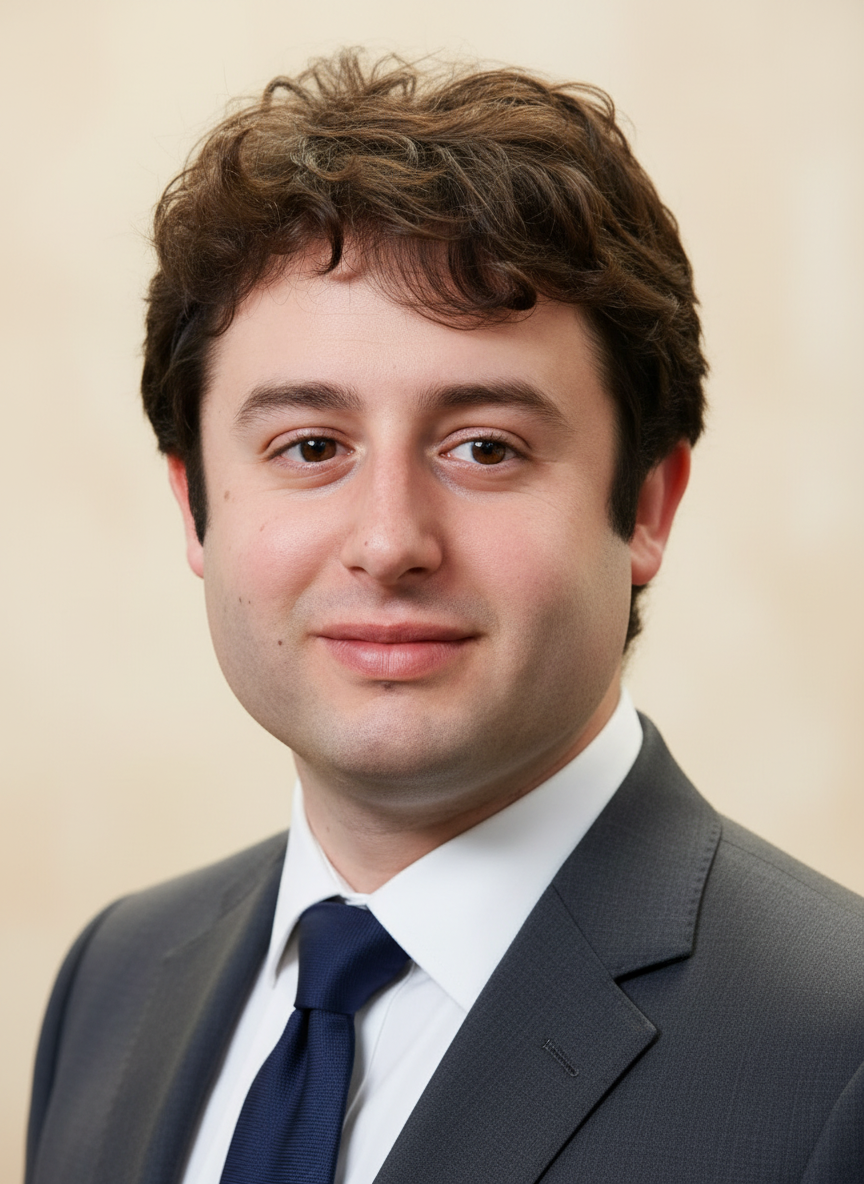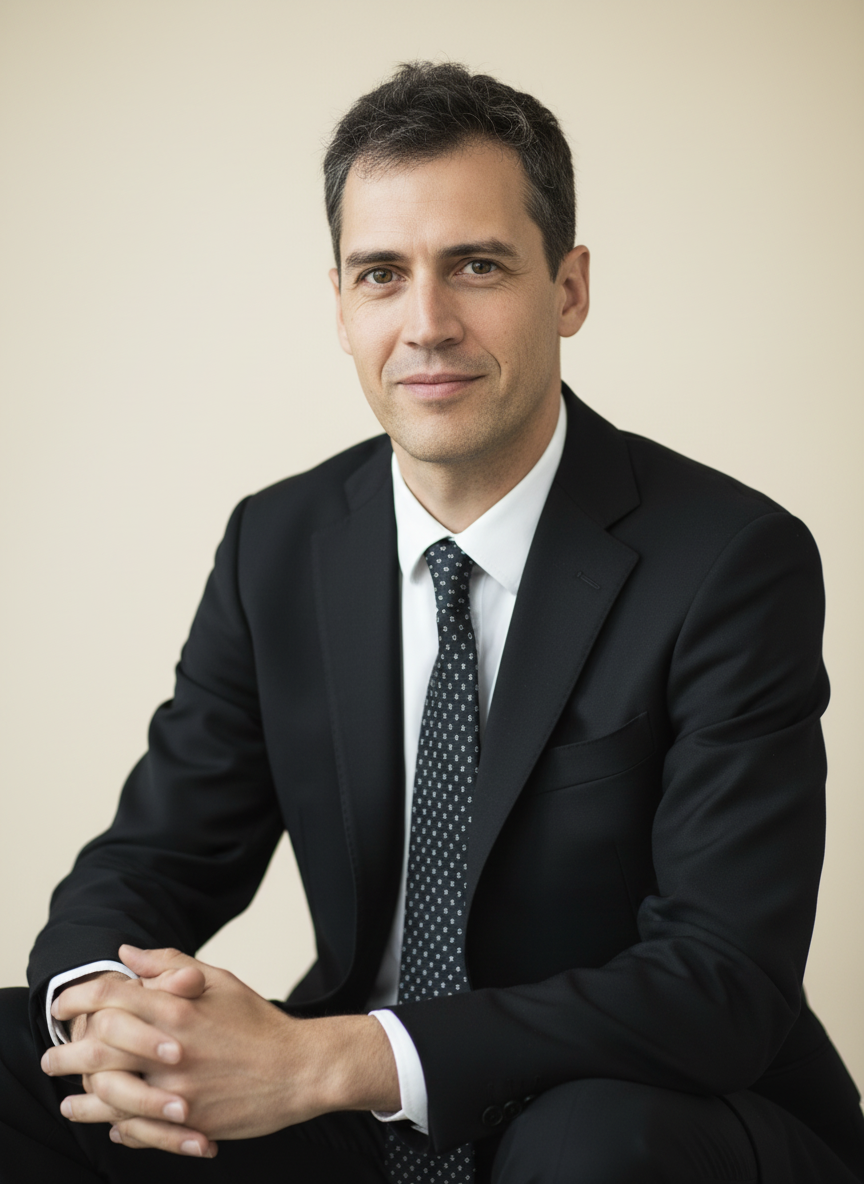
Arthur Mensch
Co-founder and CEO of Mistral AI, a leading European artificial intelligence startup, renowned for his contributions to large language models.
Arthur Mensch is a French AI researcher and entrepreneur, best known as the co-founder and CEO of Mistral AI. Prior to Mistral, he held prominent research roles at Google DeepMind and Meta AI, specializing in large language models. His work focuses on developing efficient, open-source, and performant AI models, challenging established market leaders.
Biography
Accomplishments
- 01Co-founded Mistral AI in 2023, securing €105 million in seed funding and subsequent larger Series A rounds, becoming one of Europe's fastest-growing AI startups.
- 02Led the development and release of highly performant large language models including Mistral 7B, Mixtral 8x7B, and Mistral Large, which have garnered widespread industry adoption and recognition.
- 03Held researcher positions at Google DeepMind and Meta AI, contributing to foundational large language model research before co-founding Mistral AI.
- 04Earned a PhD in applied mathematics from École Normale Supérieure (ENS), specializing in machine learning applications.
- 05Successfully positioned Mistral AI as a leading European contender in the global AI race, emphasizing open-source principles and superior model efficiency.
Lessons for Operators
Key Takeaways
Practical lessons distilled for operators, investors, C-levels, and capital allocators.
Founder Technical Depth
Mensch's direct experience as a leading AI researcher at top-tier institutions (Meta AI, Google DeepMind) provided the credibility and technical foundation essential for building a complex AI product from scratch. For investors, evaluate founders' technical mastery in deep-tech ventures. For operators, ensure technical leadership is capable of guiding R&D efforts effectively.
Open-Source Strategic Advantage
Mistral AI's commitment to open-source models (initially) has been a key differentiator, fostering community engagement and rapid iteration. This strategy can accelerate adoption and build a strong ecosystem. Consider how open-source elements can drive competitive advantage in your technology development.
Scaling Talent and Capital
Raising significant seed and Series A funding enabled Mistral AI to rapidly attract high-caliber AI talent and invest in the substantial computational resources required for LLM development. C-levels and fund managers should recognize the critical need for adequate, timely capital to scale ambition in computationally intensive fields.
Challenging Incumbents with Efficiency
Mistral AI demonstrated that it's possible to build highly performant LLMs, often with smaller footprints, challenging larger players. This focus on efficiency can lead to cost advantages and broader accessibility. Enterprise leaders should seek solutions that offer 'more for less' in AI deployments, and operators should prioritize efficiency in model design.
European AI Leadership
Mensch positioned Mistral AI as a beacon for European AI innovation, attracting both talent and political support. This national/regional pride can be a powerful motivator and differentiator in global markets. Consider how geopolitical context and regional innovation hubs can influence startup success and funding.
Frameworks & Principles
Named frameworks and strategic principles they popularized or embodied.
Technical Founder-Led Product Development
A model where the company's core product strategy and execution are directly driven by founders with deep, hands-on expertise in the underlying technology. This allows for rapid iteration, novel approaches, and a clear understanding of technical feasibility and limitations.
When to useApplicable in deep technology sectors (e.g., AI, biotech, quantum computing) where founders' scientific or engineering breakthroughs are central to the product. Useful when technical complexity is high and requires nuanced decision-making beyond generalist management.
Open-Source Ecosystem Strategy
Developing and releasing core products or components as open-source, fostering a community around the technology to drive adoption, contributions, and rapid feedback loops. Monetization often comes from premium features, support, or hosted services.
When to useEffective for platform technologies, developer tools, or foundational models (like LLMs) where community buy-in and widespread experimentation are beneficial. Suitable when aiming to establish industry standards or accelerate market penetration against proprietary alternatives.
Efficient-Frontier AI Development
Focusing on creating AI models that achieve state-of-the-art performance with significantly fewer parameters or computational resources compared to competitors. This prioritizes optimization, novel architectures, and careful engineering to maximize output per unit of input.
When to useCritical in resource-constrained environments, when targeting edge deployment, or when cost-effectiveness is a primary competitive differentiator. Applicable for startups challenging well-funded incumbents with more resource-intensive approaches.
Recent Appearances
Latest interviews, keynotes, and press from the past half year.
 youtube.com
 youtube.com
 youtube.com
 youtube.com
 youtube.comyoutube.comyoutube.com
 youtube.com
 youtube.com
 youtube.com
 youtube.com
 youtube.com
 youtube.com
![Is Arthur Mensch right? [Tech Podcast] - YouTube](https://i.ytimg.com/vi/jIE4AJKviPk/hqdefault.jpg) youtube.com
youtube.com youtube.com
 youtube.com
 youtube.com
 youtube.com
 youtube.com
 youtube.com
 youtube.com
![Arthur Mensch alerts the National Assembly on AI [Tech podcast]](https://i.ytimg.com/vi/3KGJ8IKUf9c/hqdefault.jpg) youtube.com
youtube.com youtube.com
 youtube.com
 youtube.com
 youtube.com
 youtube.com
 youtube.com
 youtube.com
 youtube.com
 youtube.com
 youtube.com
 youtube.com
 youtube.com
 youtube.com
 youtube.com
 youtube.com
 youtube.com
 youtube.com
 youtube.com
 youtube.com
 youtube.com
 youtube.com
 youtube.com
 youtube.com
 youtube.com
 youtube.com
 youtube.com
 youtube.com
 youtube.com
 youtube.com
 youtube.com
 youtube.com
 youtube.com
 youtube.com
 youtube.com
 youtube.com
 youtube.com
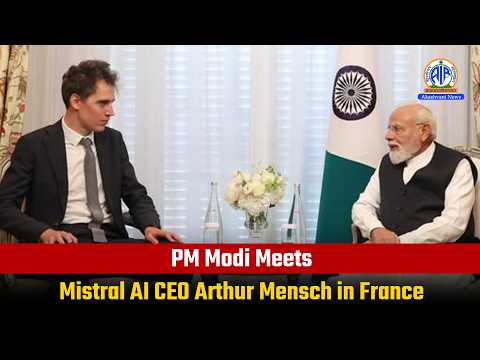 youtube.com
 youtube.com
 youtube.com
 youtube.com
 youtube.com
 youtube.com
 youtube.com
 youtube.com
 youtube.com
 youtube.com
 youtube.com
 youtube.comyoutube.com
 youtube.com
 youtube.com
 youtube.com
![[Podcast] · Mistral (1/3): How was the European AI champion born?](https://i.ytimg.com/vi/TsqJPb4j07A/hqdefault.jpg) youtube.com
youtube.com youtube.com
 youtube.com
![[SITL2026] - Romain Nicolle, Head of industrial Capital Market - YouTube](https://i.ytimg.com/vi/8NDcsy8LoVw/hqdefault.jpg) youtube.com
youtube.com youtube.com
 youtube.com
 youtube.com
 youtube.com
Explore Related Titans
Other figures in the archive who share Arthur Mensch's domain, geography, or era.
More in Technology





From France





Contemporaries — born 1990s