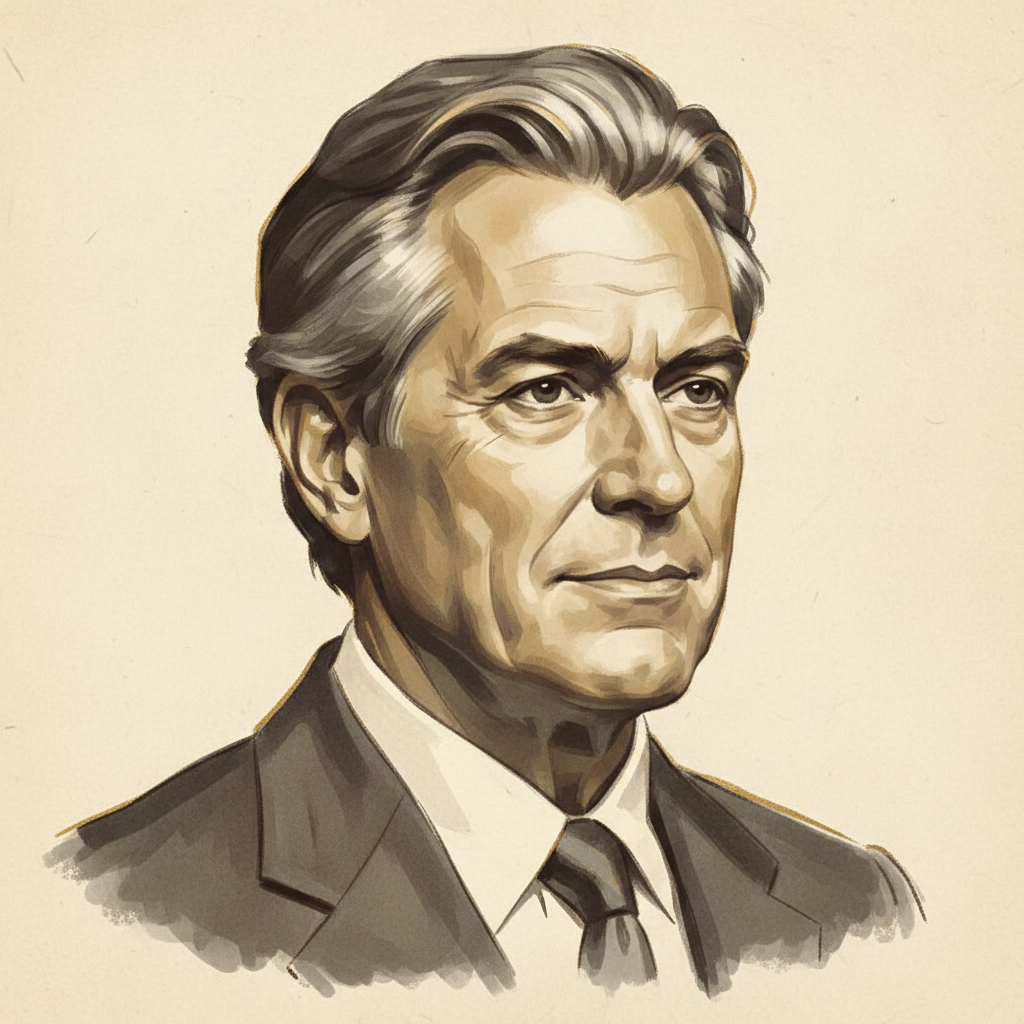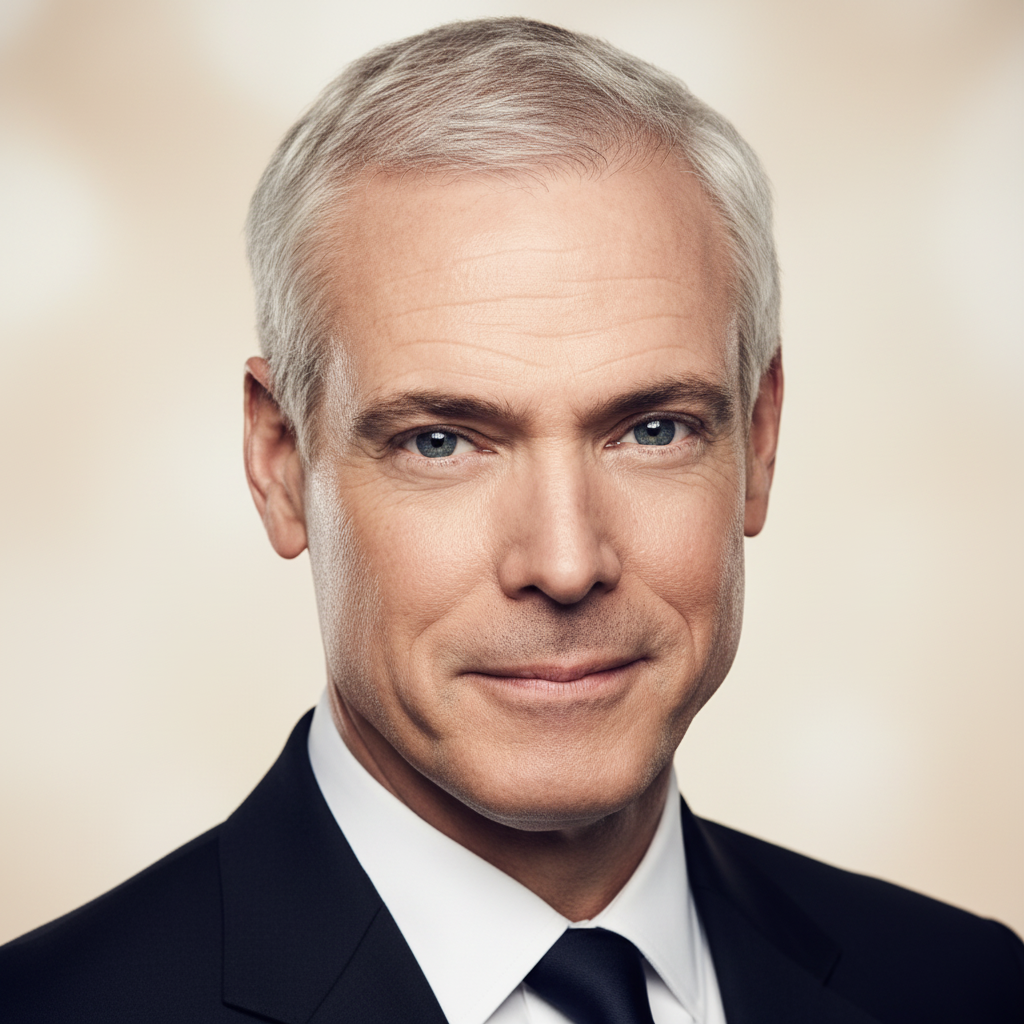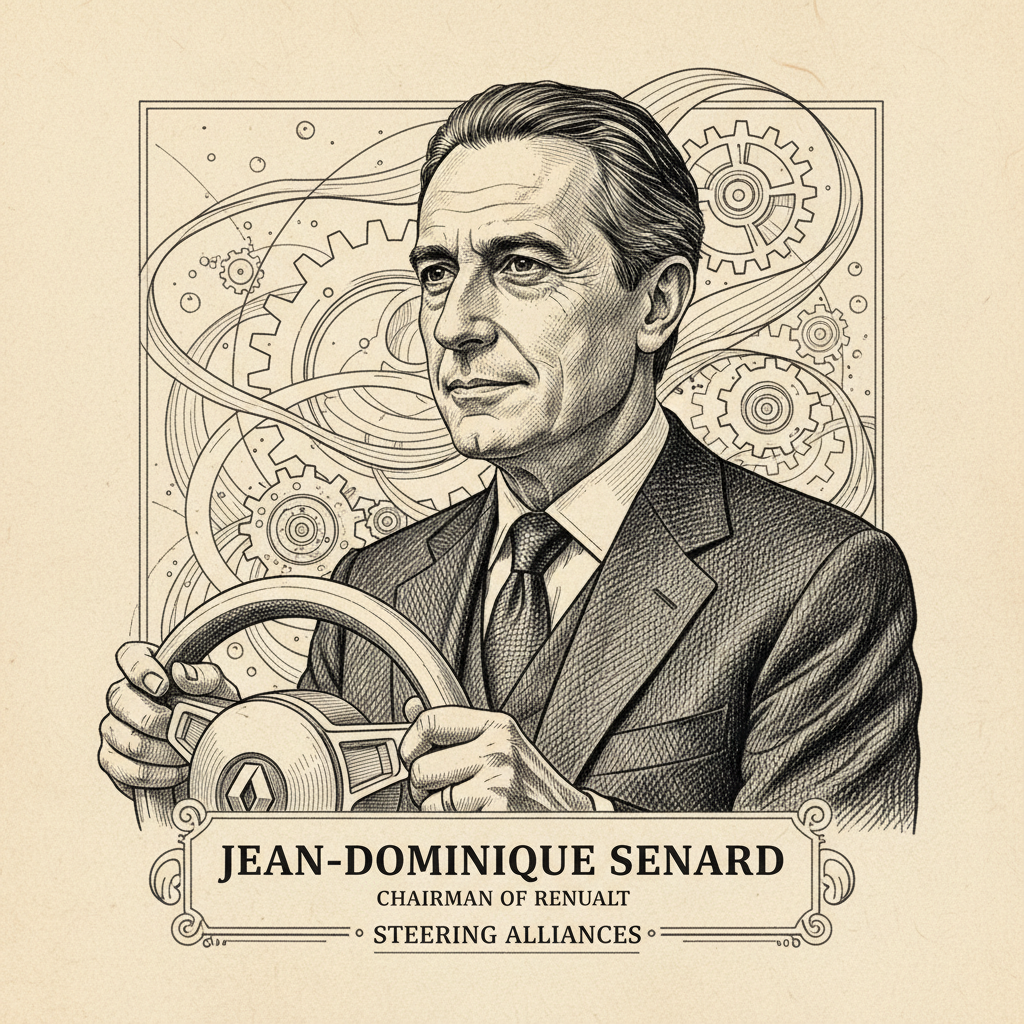
Jean-Dominique Senard
A pragmatic leader known for navigating complex corporate alliances and fostering industrial transformation.
Jean-Dominique Senard is a French business executive, currently serving as the Chairman of Renault. He previously served as CEO of Michelin from 2012 to 2019. His career is marked by strategic leadership in manufacturing and complex multinational alliance management, most notably stabilizing the Renault-Nissan-Mitsubishi Alliance post-Carlos Ghosn.
Biography
Accomplishments
- 01Successfully led Michelin as CEO (2012-2019), overseeing record profits and implementing a strategy focused on sustainable mobility and diversification beyond tire manufacturing, including the acquisition of Fenner PLC for approximately £1.3 billion in 2018.
- 02Stabilized the Renault-Nissan-Mitsubishi Alliance post-Carlos Ghosn (2019-present) by redefining governance structures and fostering renewed collaboration between the alliance partners, averting potential dissolution.
- 03Initiated and oversaw the 'Renaulution' strategic plan at Renault (announced January 2021), pivoting the company from a volume-centric to a value-centric model, focusing on electrification, software, and new mobility services.
- 04Engineered the agreement for Renault and Nissan to rebalance their cross-shareholdings (announced January 2023), reducing Renault's stake in Nissan from 43% to 15% and formalizing Nissan's reciprocal stake in Ampere (Renault's EV and software entity), thereby creating a more equitable and stable alliance structure.
- 05Drove significant advancements in sustainable development initiatives at Michelin, integrating environmental and social responsibility into core business strategy and product development, including the 'All-Sustainable' vision.
- 06Managed and integrated multiple complex international acquisitions during his tenure at Pechiney and Michelin, demonstrating proficiency in post-merger integration and value realization.
- 07Chaired the World Business Council for Sustainable Development (WBCSD) from 2018 to 2020, influencing global corporate sustainability agendas.
Lessons for Operators
Key Takeaways
Practical lessons distilled for operators, investors, C-levels, and capital allocators.
Proactive Alliance Re-evaluation
Regularly assess and adjust the strategic rationale, governance, and equity structures of joint ventures and alliances. Senard's rebalancing of the Renault-Nissan shareholdings exemplifies how proactive recalibration can prevent future conflicts and strengthen long-term cooperation.
Shift from Volume to Value
In mature or highly competitive industries, prioritize profitability and brand differentiation over market share. Implement strategies that focus on high-margin products, innovative services, and targeted market segments, as seen in Renault's 'Renaulution' plan.
Leadership in Crisis
During corporate crises, decisive and stabilizing leadership is essential. Senard's approach to the Ghosn aftermath involved clear communication, immediate governance reforms, and a focus on rebuilding trust, which is crucial for maintaining investor and employee confidence.
Sustainable Business Integration
Embed sustainability into the core business model, not just as a CSR initiative. Senard's work at Michelin demonstrates how environmental and social considerations can drive innovation, attract talent, and enhance long-term shareholder value.
Diversify for Resilience
Explore strategic diversification that leverages existing capabilities and opens new growth avenues. Michelin's expansion into non-tire mobility solutions under Senard illustrates how broadening the product and service portfolio can build resilience against market fluctuations.
Governance as a Strategic Asset
Treat corporate governance as a strategic tool. Robust, transparent, and equitable governance structures are critical for multinational alliances and complex organizational arrangements to ensure long-term stability and effective decision-making.
Frameworks & Principles
Named frameworks and strategic principles they popularized or embodied.
Alliance Lifecycle Management
This framework involves understanding alliances as dynamic entities that require periodic review, renegotiation, and potential restructuring through different stages (formation, operation, evolution, termination). Senard's work with the Renault-Nissan-Mitsubishi Alliance exemplifies proactive management at the 'evolution' stage to ensure long-term viability.
When to useApplicable when managing complex joint ventures, strategic partnerships, or multi-entity alliances, particularly during periods of market change, leadership transition, or internal conflict, to ensure continued strategic alignment and equitable value distribution.
Value-Based Strategy
A strategic approach that prioritizes the creation and capture of economic value over sheer volume or market share. It involves focusing on product differentiation, innovation, brand premium, and optimizing cost structures to enhance profitability per unit.
When to useIdeal for industries facing commoditization, intense competition, or significant technological shifts (e.g., automotive's transition to EVs). Useful when a company needs to pivot from a 'race to the bottom' on price to sustainable, high-margin growth.
Stakeholder Dialogue and Consensus Building
A process of actively engaging with diverse stakeholders (employees, shareholders, partners, governments, customers) to understand their interests, address concerns, and build consensus around strategic initiatives or critical decisions. Senard's negotiation of the Renault-Nissan shareholding rebalancing required extensive dialogue.
When to useCrucial during corporate transformations, M&A activities, or complex international negotiations where numerous parties with potentially conflicting interests need to align for a successful outcome. Helps in mitigating resistance and fostering commitment.
Recent Appearances
Latest interviews, keynotes, and press from the past half year.
 youtube.com
 youtube.com
 youtube.com
 youtube.com
 youtube.com
 youtube.com
 youtube.com
 youtube.com
 youtube.com
 youtube.com
 youtube.com
 youtube.com
 youtube.com
Sources & Further Reading
Profiles, interviews, podcasts, and articles used to compile and verify this entry. Each link opens at the original publisher.
Explore Related Titans
Other figures in the archive who share Jean-Dominique Senard's domain, geography, or era.
More in Transportation & Logistics

From France



Contemporaries — born 1950s