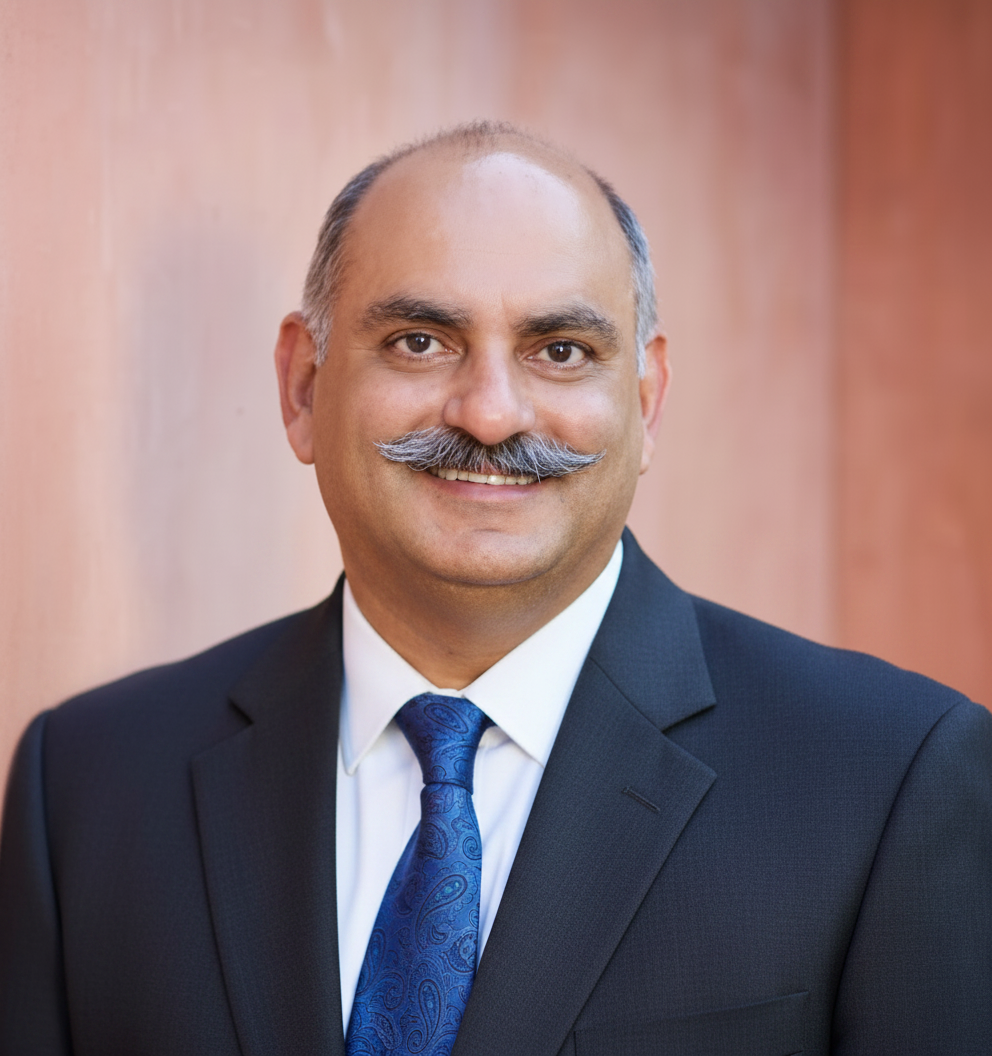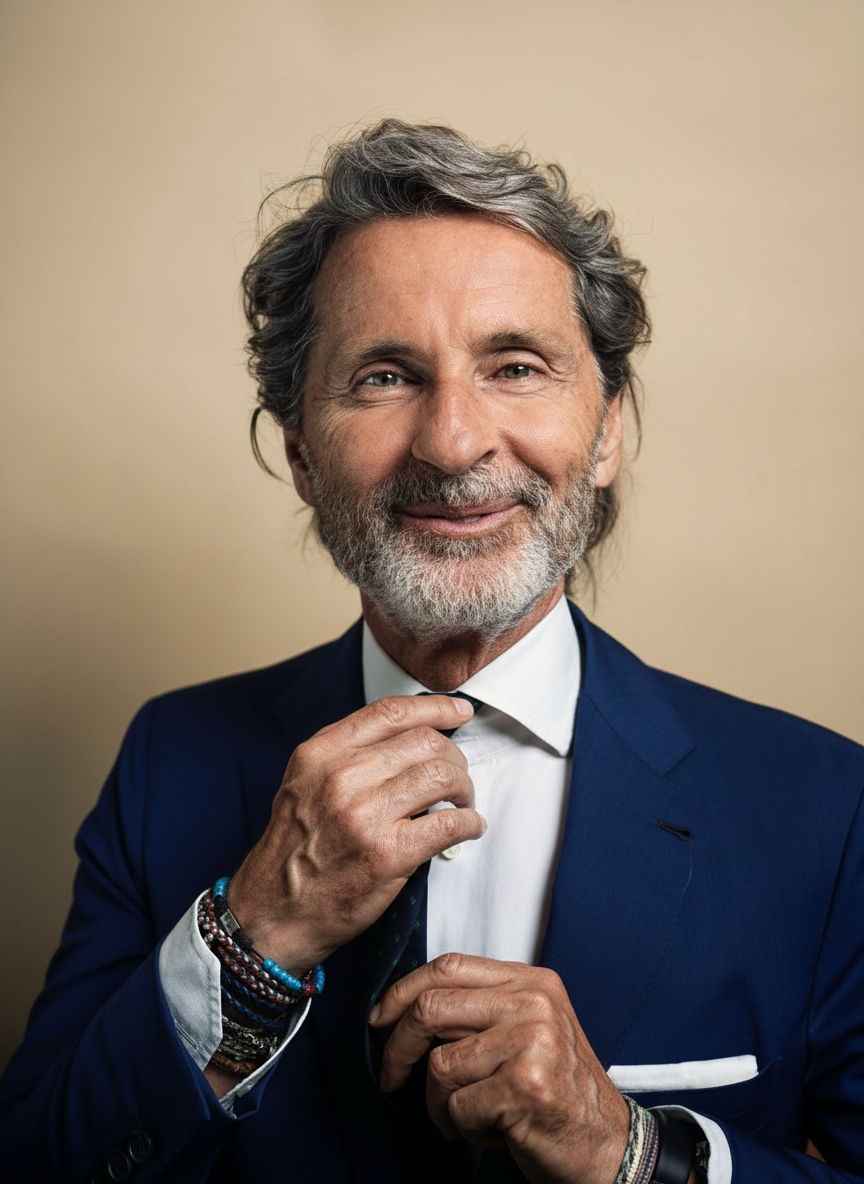
Stefan Winkelmann
Architect of luxury automotive brand transformations, known for revitalizing Lamborghini and Bugatti.
Stefan Winkelmann is a German business executive renowned for his leadership in luxury and high-performance automotive brands. He served as President and CEO of Automobili Lamborghini S.p.A. from 2005 to 2016, and again from 2020. He also held CEO positions at Bugatti Automobiles S.A.S. (2018-2020) and Audi Sport GmbH (2016-2018). His career is marked by strategic product portfolio expansion, brand positioning, and significant sales growth.
Biography
Accomplishments
- 01Orchestrated significant sales growth at Lamborghini, from approximately 2,000 units annually in 2005 to over 3,400 units in 2016, and record sales exceeding 10,000 units in 2023 following his second tenure.
- 02Successfully launched and managed the development of the Lamborghini Urus SUV project, diversifying the brand's portfolio and opening new market segments (first tenure, launched in second).
- 03Spearheaded the revitalization and strong market positioning of Bugatti with models like the Chiron and Divo, cementing its status as an ultra-luxury hypercar manufacturer (2018-2020).
- 04Managed the brand evolution and product portfolio expansion at Audi Sport GmbH, focusing on performance models and brand identity.
- 05Oversaw the successful launch of key supercar models at Lamborghini, including the Aventador (2011) and Huracán (2014), defining new eras for the brand.
- 06Cultivated an 'ad personam' customization program at Lamborghini, driving exclusivity and increasing profit margins per vehicle.
- 07Navigated the integration of new technologies, including hybrid powertrains, into Lamborghini's future product strategy (second tenure).
Lessons for Operators
Key Takeaways
Practical lessons distilled for operators, investors, C-levels, and capital allocators.
Brand-Centric Growth
Winkelmann's success stems from a deep understanding of each brand's DNA, using it as a North Star for product development, market positioning, and expansion. Growth is achieved by enhancing, not diluting, the brand's core values.
Calculated Risk-Taking
Introducing the Urus SUV for Lamborghini was a significant departure from its supercar-only tradition. This calculated risk, based on market analysis and brand extension potential, demonstrates the value of strategic innovation in mature industries.
Premium Market Mastery
His approach to luxury automotive is characterized by maintaining exclusivity, offering highly personalized experiences, and commanding premium pricing through meticulous product execution and strong brand storytelling. This model is adaptable for any premium offering.
Adaptive Leadership
Winkelmann's ability to seamlessly transition between brands (Lamborghini, Audi Sport, Bugatti, and back to Lamborghini) showcases versatile leadership capable of adapting strategies to distinct organizational cultures and market segments while achieving consistent results.
Long-Term Vision
His strategic planning extends beyond immediate sales, encompassing product roadmaps that include electrification and sustainable growth, ensuring brand relevance and resilience in a rapidly changing automotive landscape.
Frameworks & Principles
Named frameworks and strategic principles they popularized or embodied.
Brand DNA Preservation & Expansion
A strategic approach where a brand's core heritage and identity are rigorously maintained while carefully expanding into new product categories or market segments. This ensures growth without diluting the brand's essence.
When to useApplicable when a legacy brand seeks to grow its market share or revenue streams without compromising its established identity, particularly in luxury or niche markets. E.g., when launching an SUV for a sports car manufacturer.
Luxury Product Portfolio Management
Focuses on balancing ultra-exclusive, high-margin halo products with more accessible (but still premium) models to achieve both brand prestige and volume targets, often including extensive customization options to boost profitability.
When to useRelevant for companies operating in the luxury goods sector that need to manage product lines ranging from aspirational to ultra-exclusive, ensuring each product reinforces the overall brand value. E.g., managing a supercar lineup alongside a luxury SUV.
The 'Second Act' Leadership
Describes a leader returning to a previous organization or industry after gaining new experiences elsewhere. This re-engagement often brings fresh perspectives, refined strategies, and renewed energy to the original context.
When to useUseful for organizations considering re-hiring a successful former leader who has since broadened their experience, or for leaders considering a return to a past role with enhanced insights. E.g., a CEO returning to a company after a stint at a competitor or a different industry.
Recent Appearances
Latest interviews, keynotes, and press from the past half year.
 youtube.com
 youtube.com
 youtube.com
 youtube.com
 youtube.com
 youtube.com
 youtube.com
 youtube.com
 youtube.com
 youtube.com
 youtube.com
 youtube.com
 youtube.com
 youtube.com
 youtube.com
 youtube.com
 youtube.com
 youtube.com
 youtube.com
 youtube.com
Explore Related Titans
Other figures in the archive who share Stefan Winkelmann's domain, geography, or era.
More in Transportation & Logistics





From Germany



Contemporaries — born 1960s