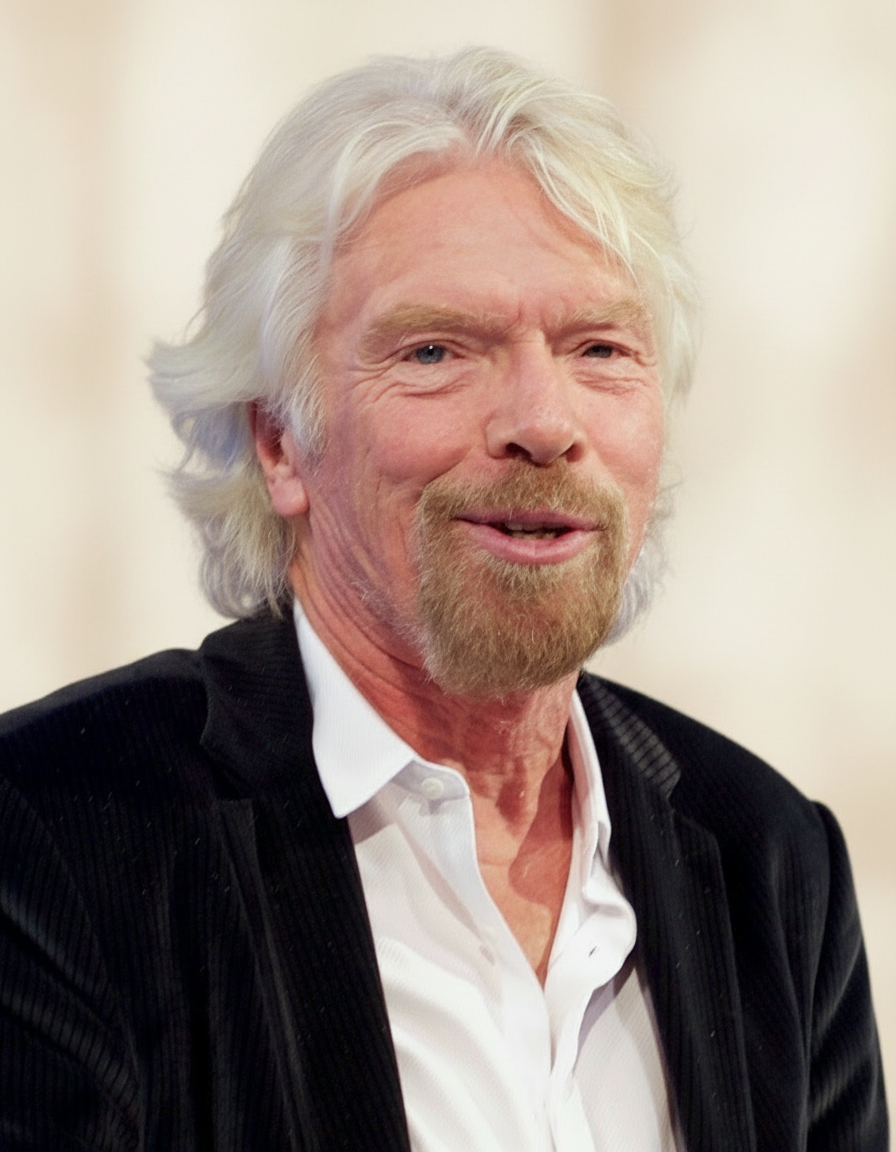
Tom Enders
Tom Enders: The Unifier and Transformer who steered Airbus from a manufacturing conglomerate to an integrated aerospace giant.
Tom Enders is a German business executive known for his transformative leadership at Airbus Group. Serving as CEO from 2012 to 2019, he led crucial integration efforts, divested non-core assets, consolidated the company's structure, and pushed for digital transformation and innovation, navigating significant geopolitical and industrial challenges.
Biography
Accomplishments
- 01Orchestrated the rebranding of EADS to Airbus Group in 2014, solidifying a unified corporate identity and simplifying a complex multinational structure.
- 02Led the successful commercialization and ramp-up of the A350 XWB program, a key competitor to Boeing's 787 and 777, achieving strong order books and delivery milestones.
- 03Executed significant portfolio rationalization, including the divestment of Dassault Aviation and various defense electronics units to focus on core aerospace activities.
- 04Implemented a major corporate governance overhaul, reducing the influence of national shareholders (France and Germany) to promote a more commercially-driven board and management structure.
- 05Initiated and oversaw extensive digital transformation and innovation efforts, including establishing Airbus Ventures for disruptive technologies and integrating data analytics into design and production processes.
- 06Successfully navigated and resolved substantial financial and political challenges related to the A400M military transport program, ensuring its continued manufacturing and delivery.
Lessons for Operators
Key Takeaways
Practical lessons distilled for operators, investors, C-levels, and capital allocators.
Integration as a Growth Strategy
Enders demonstrated that true integration — not just acquisition — across diverse operations results in synergetic gains, cost reductions, and a stronger global brand identity. This is critical for post-merger integration or conglomerates seeking to unlock value.
The Imperative of Digital Transformation
His foresight in pushing digital initiatives, even in a traditionally hardware-heavy industry, underlines that digital capabilities are no longer optional but foundational for innovation, operational efficiency, and future market leadership.
Navigating Geopolitical Complexities
Leading a multinational entity like Airbus requires exceptional diplomatic and political acumen to balance national interests with corporate objectives, especially in defense and strategically important sectors. This applies to any large enterprise with global operations or diverse stakeholder groups.
Operationalizing Innovation
Enders moved beyond rhetoric, establishing concrete vehicles like Airbus Ventures and integrating new technologies into core processes, demonstrating that innovation must be systematically funded, managed, and applied to yield tangible results.
Bold Governance Reforms
Challenging deeply entrenched shareholder structures and national interests to rationalize governance can be highly contentious but is often necessary to transition an organization from political influence to commercial agility. This applies to any legacy organization facing structural inertia.
Frameworks & Principles
Named frameworks and strategic principles they popularized or embodied.
Portfolio Rationalization
A systematic review and restructuring of an organization's business units or product lines to divest non-core assets and focus resources on strategically aligned, high-potential areas.
When to useWhen an organization has diversified beyond its core competencies, accumulated underperforming assets, or needs to free up capital and management attention for strategic growth initiatives.
Unified Brand Strategy
Consolidating multiple sub-brands or disparate entity names under a single, cohesive corporate brand to enhance market recognition, internal synergy, and overall identity.
When to useSuitable for companies formed through mergers, acquisitions, or those with a historically fragmented brand architecture, seeking to present a stronger, unified front to customers and employees.
Digital End-to-End Transformation
An overarching strategy to integrate digital technologies and data-driven approaches across all facets of an organization – from R&D and manufacturing to sales, services, and corporate functions.
When to useEssential for traditional industries facing disruptive innovation, seeking to improve operational efficiency, personalize customer experiences, or develop new business models through technology.
Sources & Further Reading
Profiles, interviews, podcasts, and articles used to compile and verify this entry. Each link opens at the original publisher.
Explore Related Titans
Other figures in the archive who share Tom Enders's domain, geography, or era.
More in Transportation & Logistics








From Germany



Contemporaries — born 1950s