Steve Jobs
Co-founder of Apple Inc. and visionary credited with transforming multiple industries.
Steven Paul Jobs was an American business magnate, industrial designer, investor, and media proprietor. He was the chairman, chief executive officer (CEO), and co-founder of Apple Inc.; chairman and majority shareholder of Pixar; a member of The Walt Disney Company's board of directors following its acquisition of Pixar; and the founder, chairman, and CEO of NeXT Inc. Jobs is widely recognized as a pioneer of the personal computer revolution of the 1970s and 1980s, along with Apple co-founder Steve Wozniak.
Biography
Accomplishments
- 01Co-founded Apple Computer Inc. (1976), launching the Apple II and Macintosh, establishing the personal computer market.
- 02Founded NeXT Inc. (1985), developing advanced computing workstations and the NeXTSTEP operating system, which became the basis for macOS.
- 03Acquired and transformed Pixar Animation Studios (1986), producing the first computer-animated feature film 'Toy Story' (1995) and establishing it as an industry leader.
- 04Engineered Apple's turnaround (1997-2011) from near bankruptcy to the world's most valuable company, introducing the iMac, iPod, iTunes, iPhone, and iPad.
- 05Pioneered digital music distribution with the iPod and iTunes Store (2003), effectively saving the music industry from piracy and establishing a new business model.
- 06Revolutionized the mobile phone industry with the iPhone (2007), creating the smartphone as we know it and launching the App Store (2008), fostering a new app economy.
Lessons for Operators
Key Takeaways
Practical lessons distilled for operators, investors, C-levels, and capital allocators.
Obsession with Product Excellence
Jobs's unwavering commitment to creating technically superior and aesthetically pleasing products, like the original Macintosh, iMac, and iPhone, drove consumer desire and premium pricing. Investors should look for founders with an unyielding dedication to product quality and user experience, as this forms the bedrock of sustainable competitive advantage.
Visionary Ecosystem Building
Apple's success under Jobs was largely due to integrating hardware (iPod, iPhone), software (iTunes, iOS), and services (App Store) into a cohesive ecosystem. This created powerful network effects and customer lock-in. Enterprise leaders must consider how their products and services can form interconnected ecosystems to increase customer value and retention.
Strategic Comeback and Reinvention
Jobs's return to Apple in 1997 and subsequent revitalization demonstrated his ability to make tough strategic decisions (e.g., cutting product lines, partnering with Microsoft) and innovate under pressure. Capital allocators should identify companies and leaders who can navigate crises, pivot effectively, and reinvent core offerings to adapt to changing market dynamics.
Master of Marketing and Storytelling
Jobs transformed product launches into cultural events and articulated a clear 'why' behind Apple's products ('Think Different'). This cultivated emotional connections with consumers. C-levels and fund managers should recognize the power of compelling brand narratives and effective communication in driving market adoption and investor confidence.
Unconventional Leadership and Decisive Action
Jobs was known for his demanding and sometimes confrontational leadership style, but he also inspired intense loyalty and pushed teams to achieve what seemed impossible. His decisive actions, like acquiring NeXT and pushing for the iPhone, exemplify this. Operators must cultivate environments where challenging conventional wisdom and swift execution are valued, while balancing intensity with team well-being.
Beyond Incremental Innovation
Many of Apple's iconic products under Jobs were not merely iterations but fundamental disruptions to existing markets. The iPhone, for example, redefined mobile computing. Enterprise leaders should fund 'moonshot' projects that aim for paradigm shifts, not just incremental feature improvements, to secure long-term relevance.
Frameworks & Principles
Named frameworks and strategic principles they popularized or embodied.
The Product-Centric Ecosystem Model (Apple Model)
Focuses on delivering a seamless and integrated user experience by controlling critical layers of the product stack (hardware, software, services). The value crescendos as more components are added to the user's personal ecosystem.
When to useApplicable when a company has the capability or ambition to own multiple parts of the value chain to enhance user experience, create network effects, and build significant barriers to entry for competitors. Often seen in consumer electronics, automotive, and smart home industries.
The 'Crazy Ones' / 'Think Different' Marketing Philosophy
Emphasizes challenging the status quo, appealing to innovators and early adopters, and building a brand identity around creativity, rebellion, and a higher purpose beyond the product itself. Marketing becomes an act of inspiration rather than just feature communication.
When to useSuitable for companies launching disruptive products, entering established markets as challengers, or seeking to revitalize a brand image. This framework helps differentiate by speaking to customer aspirations and values, not just their needs.
The 'Saying No' Prioritization Principle
A leadership and strategic framework where effective prioritization means ruthlessly eliminating non-core projects, products, or initiatives to focus intensely on a few high-impact opportunities. The goal is depth and excellence over breadth.
When to useCrucial for startups with limited resources, turnarounds of floundering companies, or established businesses facing competitive pressure. It ensures resources are not diluted and prevents 'feature bloat' or scattered efforts.
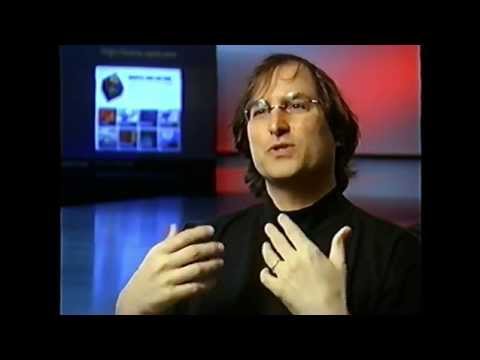
Evergreen Talks & Interviews
Foundational talks, lectures, and interviews worth revisiting.


Sources & Further Reading
Profiles, interviews, podcasts, and articles used to compile and verify this entry. Each link opens at the original publisher.
Explore Related Titans
Other figures in the archive who share Steve Jobs's domain, geography, or era.
More in Technology






From USA






Contemporaries — born 1950s