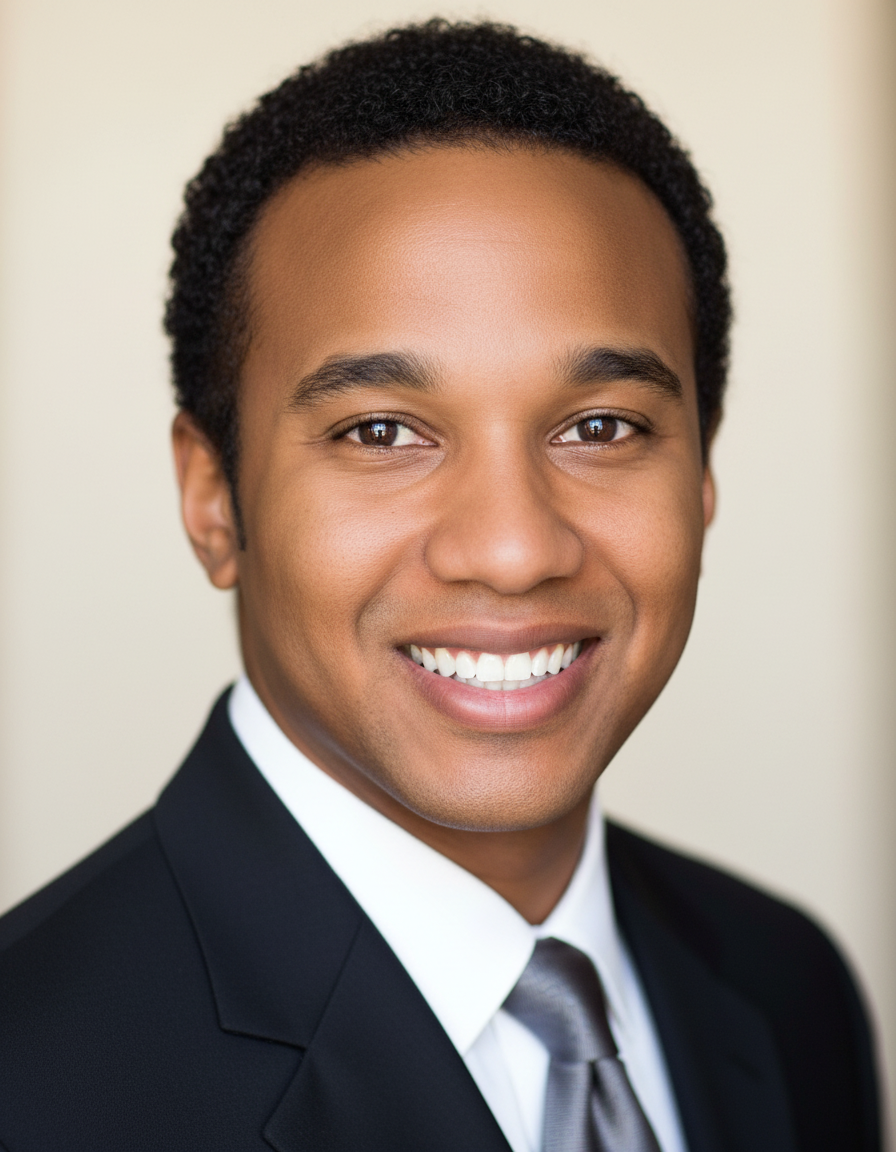
Vlad Tenev
Co-founder and CEO of Robinhood, pioneering commission-free stock trading and democratizing financial markets.
Vlad Tenev is best known as the co-founder and CEO of Robinhood Markets, Inc., a financial services company that popularized commission-free trading. Under his leadership, Robinhood grew rapidly, attracting millions of users, primarily younger demographics, by simplifying access to the stock market.
Biography
Accomplishments
- 01Co-founded Robinhood Markets, Inc. in 2013, disrupting the brokerage industry with commission-free stock trading.
- 02Led Robinhood to attract over 22 million funded accounts by Q2 2021, democratizing access to financial markets for a new generation of investors.
- 03Successfully took Robinhood public on Nasdaq (HOOD) in July 2021, achieving a market capitalization of over $30 billion at its IPO.
- 04Preceded Robinhood with two successful financial technology startups, Celeris and Chronos Research, providing foundational experience in trading systems.
- 05Pioneered the 'zero-commission' model that forced established brokerages like Charles Schwab and Fidelity to eliminate their own trading fees.
- 06Expanded Robinhood's product offerings beyond stocks to include options, cryptocurrency trading, and cash management features.
Lessons for Operators
Key Takeaways
Practical lessons distilled for operators, investors, C-levels, and capital allocators.
Disruptive Business Models
Tenev's success with Robinhood demonstrates that fundamental changes to pricing structures (e.g., zero commissions) can unilaterally reshape an entire industry, forcing competitors to adapt or perish. Operators should consider how their business models could be re-engineered for greater customer value, even at the expense of traditional revenue streams, to unlock massive new markets.
Democratization through Technology
Robinhood's impact extends beyond just a business model; it leveraged technology to make investing accessible to millions previously excluded due to cost or complexity. C-levels and enterprise leaders should explore how digitizing and simplifying access to their core services can broaden their addressable market and achieve significant scale.
Scalability and Infrastructure
The GameStop saga highlighted the immense operational and technical challenges of scaling a financial platform rapidly, particularly concerning clearing and settlement. Investors and fund managers evaluating high-growth fintechs must scrutinize the underlying infrastructure and risk management capabilities, not just user growth metrics.
Regulatory and Public Relations Acumen
Leading a highly visible, disruptive company requires a strong grasp of regulatory landscapes and public sentiment. Entrepreneurs entering regulated industries must proactively engage with regulators and be prepared for potential public backlash, maintaining transparent communication under pressure.
Product-Market Fit for New Generations
Robinhood's success is deeply rooted in understanding the preferences of younger investors – mobile-first, intuitive design, and low barriers to entry. Capital allocators should seek out ventures that deeply understand and cater to evolving demographic preferences and technology adoption patterns.
The Power of a Clear Vision
Despite the controversies, Robinhood's core mission to 'democratize finance' remained a powerful narrative. Enterprises should articulate a clear and ambitious vision that transcends mere profit motives, as it can be a potent driver for attracting talent, customers, and investment, even through challenging periods.
Frameworks & Principles
Named frameworks and strategic principles they popularized or embodied.
Zero-Commission Disruption Model
A strategy where a service or product, traditionally burdened by fees or commissions, is offered for free to attract massive user adoption, funded by alternative revenue streams (e.g., payment for order flow, premium subscriptions).
When to useApplicable when entering mature industries with high consumer-facing fees, where technology can significantly reduce operational costs, and where scale can unlock alternative monetization strategies (e.g., advertising, data, premium tiers).
Mobile-First User Experience Design
Prioritizing the design and functionality of a product or service for mobile devices, optimizing for simplicity, speed, and intuitive interaction, often appealing to younger, digitally native demographics.
When to useEssential for new ventures targeting broad consumer markets, especially in industries undergoing digital transformation. Also relevant for established companies seeking to revitalize their digital offerings and attract new user segments.
Regulatory-Aware Innovation
Developing new products or services with an explicit understanding of existing and potential regulatory frameworks. This involves proactive engagement with regulators, building robust compliance systems, and preparing for public and governmental scrutiny.
When to useCritical for startups and enterprises operating in highly regulated sectors like finance, healthcare, legal, or any industry where innovation could impact consumer protection or systemic stability. Implementing this early mitigates future risks.
Sources & Further Reading
Profiles, interviews, podcasts, and articles used to compile and verify this entry. Each link opens at the original publisher.
Explore Related Titans
Other figures in the archive who share Vlad Tenev's domain, geography, or era.
More in Technology








From USA








Contemporaries — born 1980s