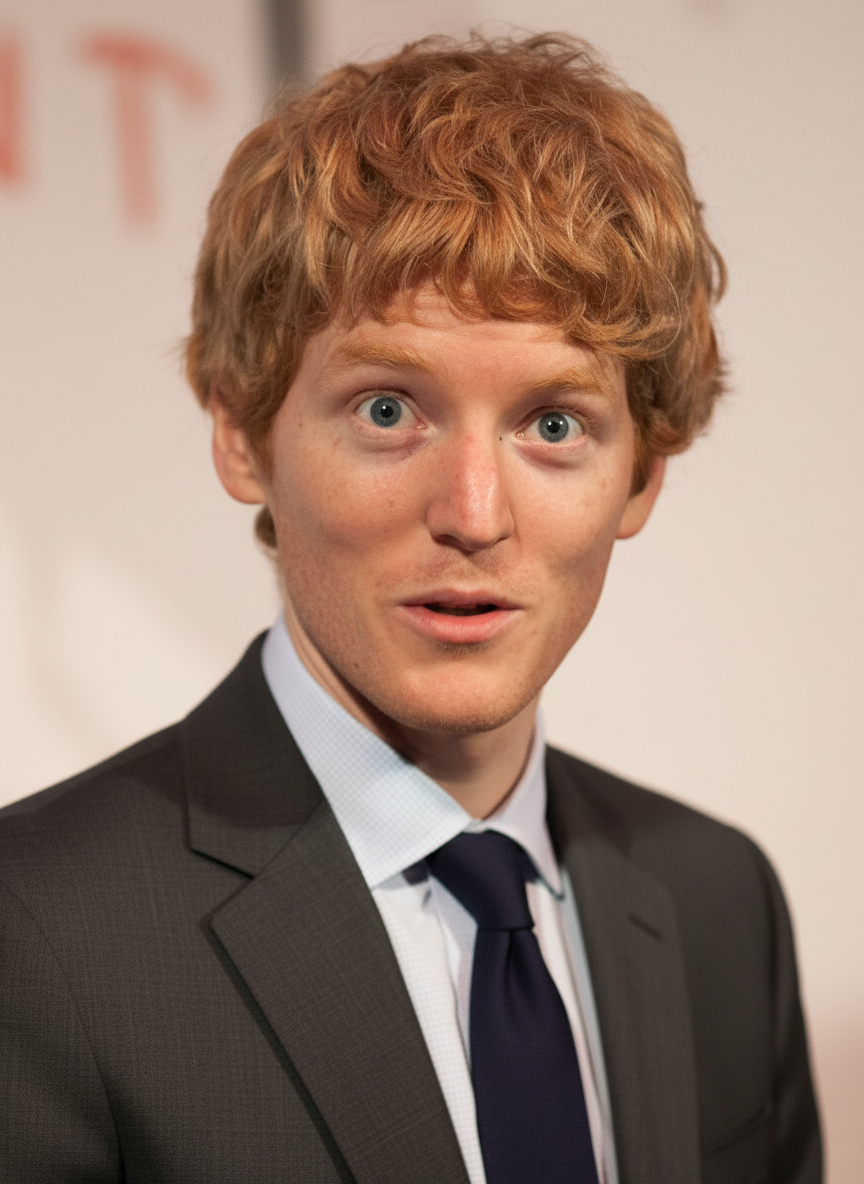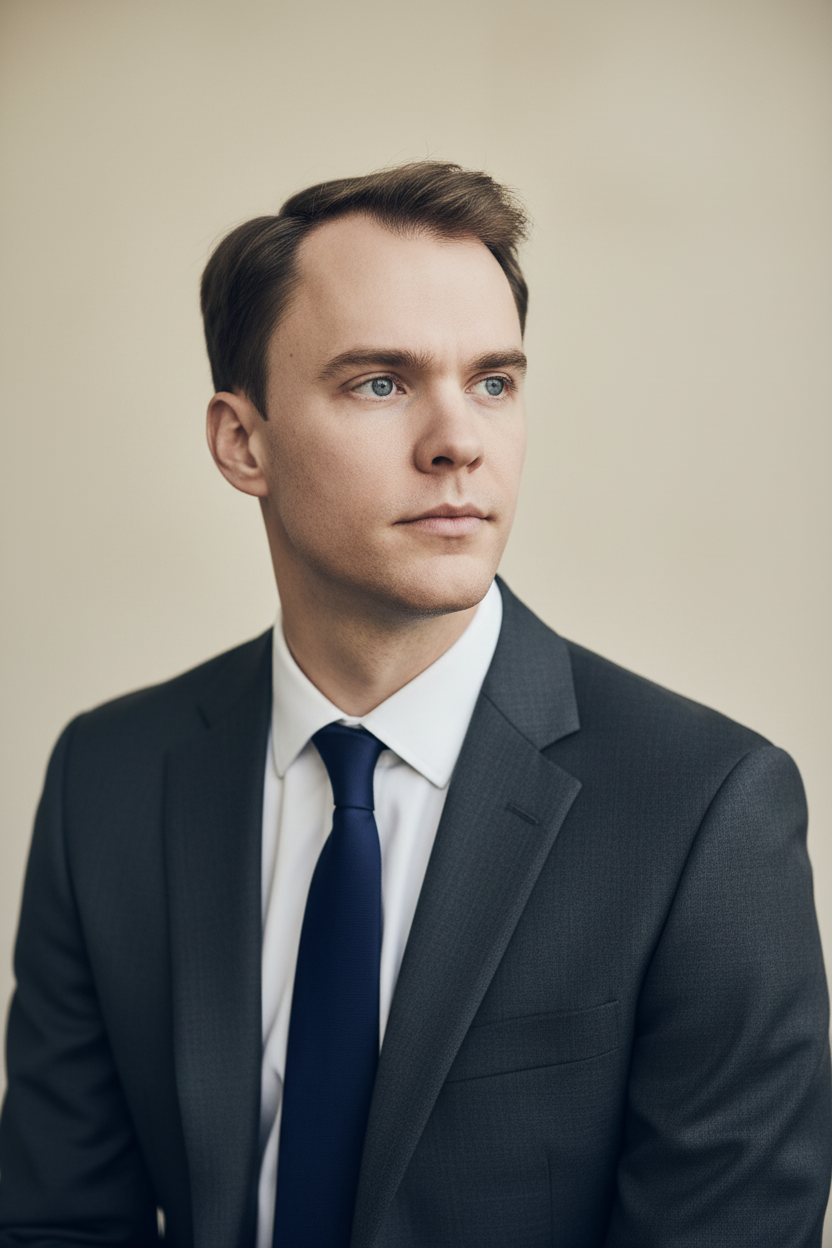
Nick Schrock
A foundational architect in cloud-native data platforms, known for co-creating GraphQL and establishing industry standards for data interoperability.
Nick Schrock is an American software engineer and entrepreneur, best known as a key contributor to the development of GraphQL at Facebook. His work has profoundly influenced how modern applications fetch and interact with data, becoming a de facto standard in API design. After Facebook, he co-founded Elementl (now Dagster Labs), creating Dagster, an open-source data orchestrator designed for the modern data stack.
Biography
Accomplishments
- 01Co-created GraphQL while at Facebook, fundamentally changing API design and data fetching for modern web and mobile applications.
- 02Led the open-sourcing of GraphQL in 2015, fostering a global community and widespread industry adoption.
- 03Architected key components of Facebook's data infrastructure, scaling to billions of users and petabytes of data.
- 04Co-founded Elementl (now Dagster Labs) in 2018, developing Dagster, a leading open-source data orchestrator.
- 05Introduced software engineering best practices, such as strong typing and testability, into the data pipeline orchestration domain with Dagster.
- 06Contributed to establishing GraphQL as a de facto industry standard for API development, recognized by major tech companies and startups alike.
Lessons for Operators
Key Takeaways
Practical lessons distilled for operators, investors, C-levels, and capital allocators.
Paradigm Shift Architect
Nick Schrock demonstrates the impact of conceptualizing and building entirely new paradigms (e.g., GraphQL) rather than merely optimizing existing ones. This requires deep technical insight and a willingness to challenge established conventions.
Open Source as a Strategic Lever
His role in open-sourcing GraphQL illustrates how sharing foundational technology can accelerate adoption, build a vibrant ecosystem, and establish a de facto industry standard, creating immense long-term value.
Elevating Data Engineering
Through Dagster, Schrock champions the application of rigorous software engineering principles to data infrastructure. This focus on testability, observability, and modularity is critical for building resilient and scalable data platforms in the modern enterprise.
The Power of Developer Productivity
Both GraphQL and Dagster are designed to make developers more efficient. Investors and operators should prioritize technologies and initiatives that significantly enhance developer experience and workflow, as this directly fuels innovation velocity.
Full-Stack Data Responsibility
Schrock's work emphasizes the need for comprehensive data orchestration that covers definition, execution, and observation. Enterprises should seek solutions that provide end-to-end visibility and control over their data assets.
Frameworks & Principles
Named frameworks and strategic principles they popularized or embodied.
GraphQL
A query language for your API, and a server-side runtime for executing queries by using a type system you define for your data.
When to useWhen needing flexible data fetching, reducing over-fetching/under-fetching, consolidating multiple microservices into a single API endpoint, or rapidly iterating on front-end features.
Software-Defined Assets (Dagster)
A conceptual framework and implementation approach (via Dagster) where data assets (tables, models, reports) are defined and managed as software objects, enabling version control, testing, and dependency tracking.
When to useWhen building complex data pipelines, managing data lineage, ensuring data quality and testability, or operationalizing machine learning models within a structured data ecosystem.
API First Design
An approach to software development where the API is treated as a 'first-class citizen' and designed before or in conjunction with implementation, emphasizing its role as a contract for external consumers.
When to useWhen developing microservices, building public APIs, or ensuring consistent data access across multiple client applications (web, mobile, IoT).
Recent Appearances
Latest interviews, keynotes, and press from the past half year.
 youtube.com
 youtube.com
 youtube.com
 youtube.com
 youtube.com
 youtube.com
 youtube.com
 youtube.com
 youtube.com
 youtube.com
 youtube.com
 youtube.com
 youtube.com
 youtube.com
 youtube.com
 youtube.com
 youtube.com
 youtube.com
 youtube.com
 youtube.com
 youtube.com
 youtube.com
 youtube.com
 youtube.com
 youtube.com
Explore Related Titans
Other figures in the archive who share Nick Schrock's domain, geography, or era.
More in Technology






From United States
Contemporaries — born 1980s