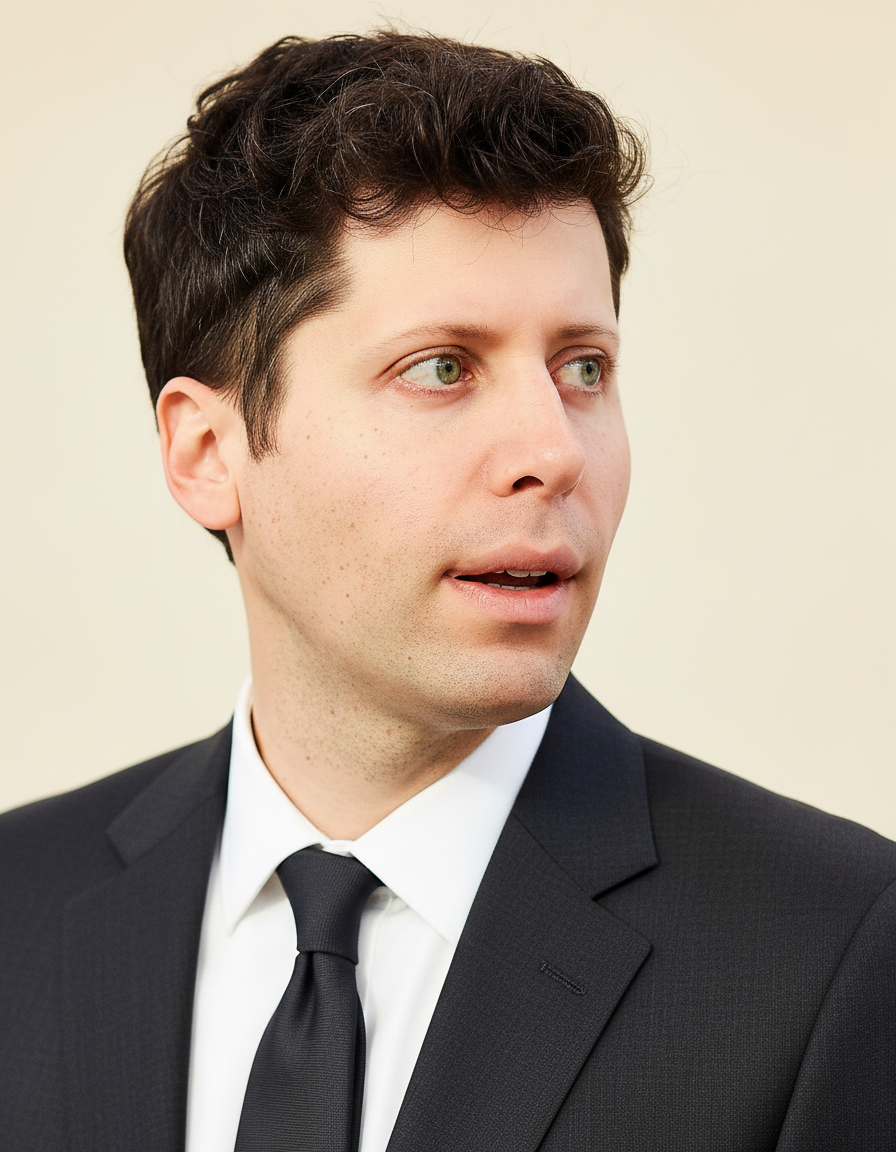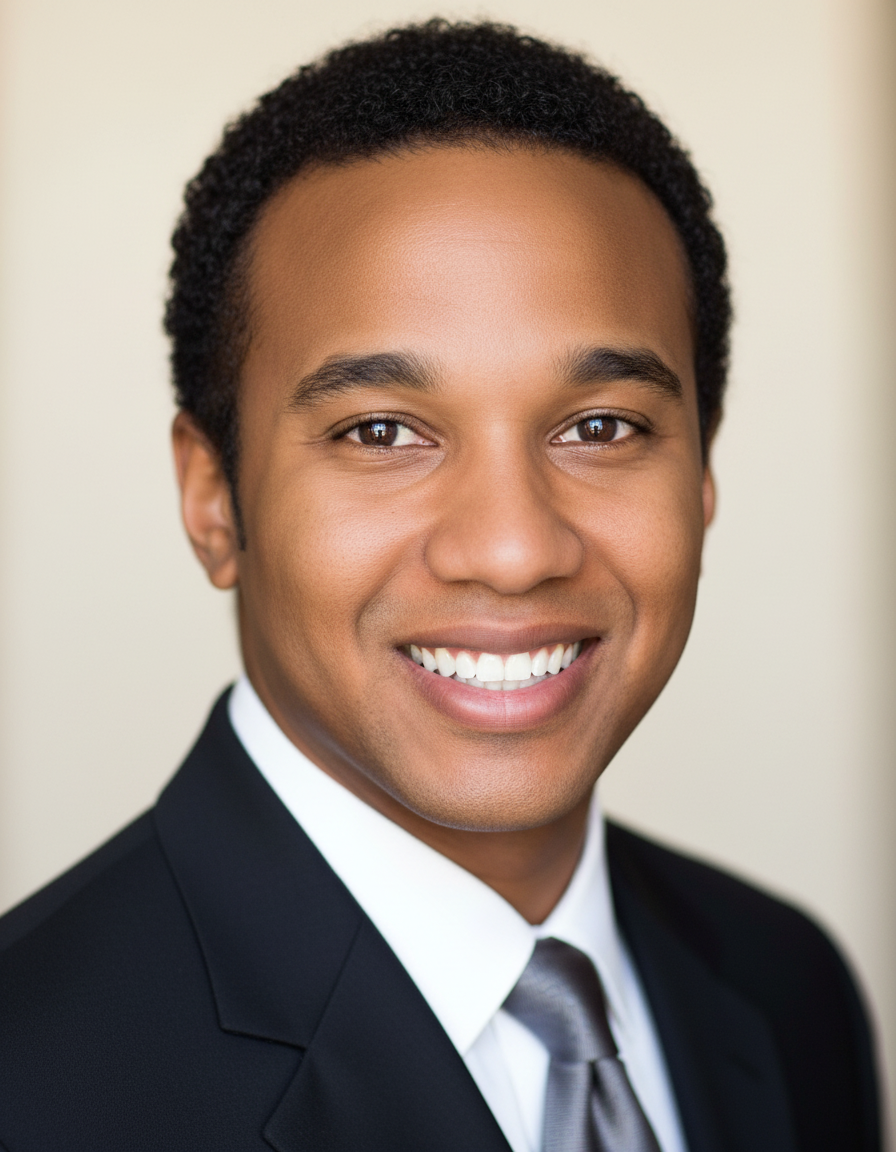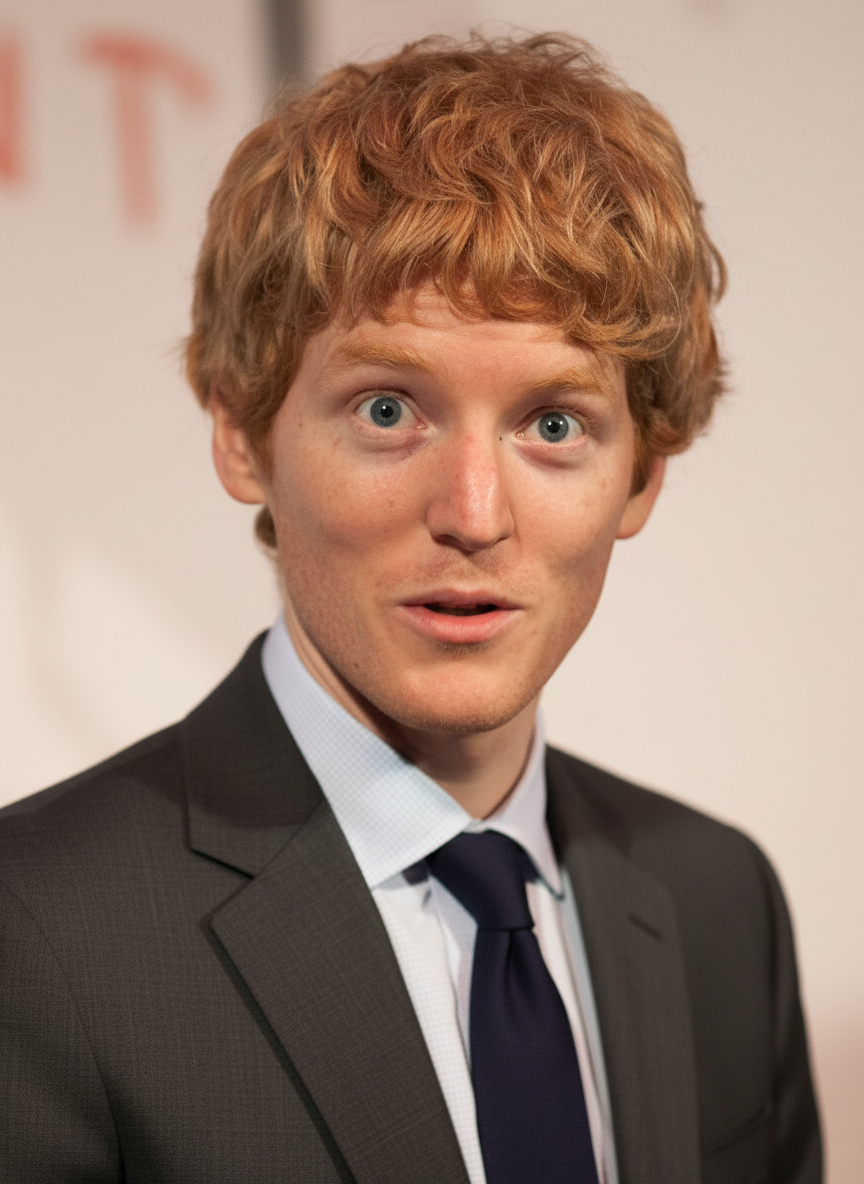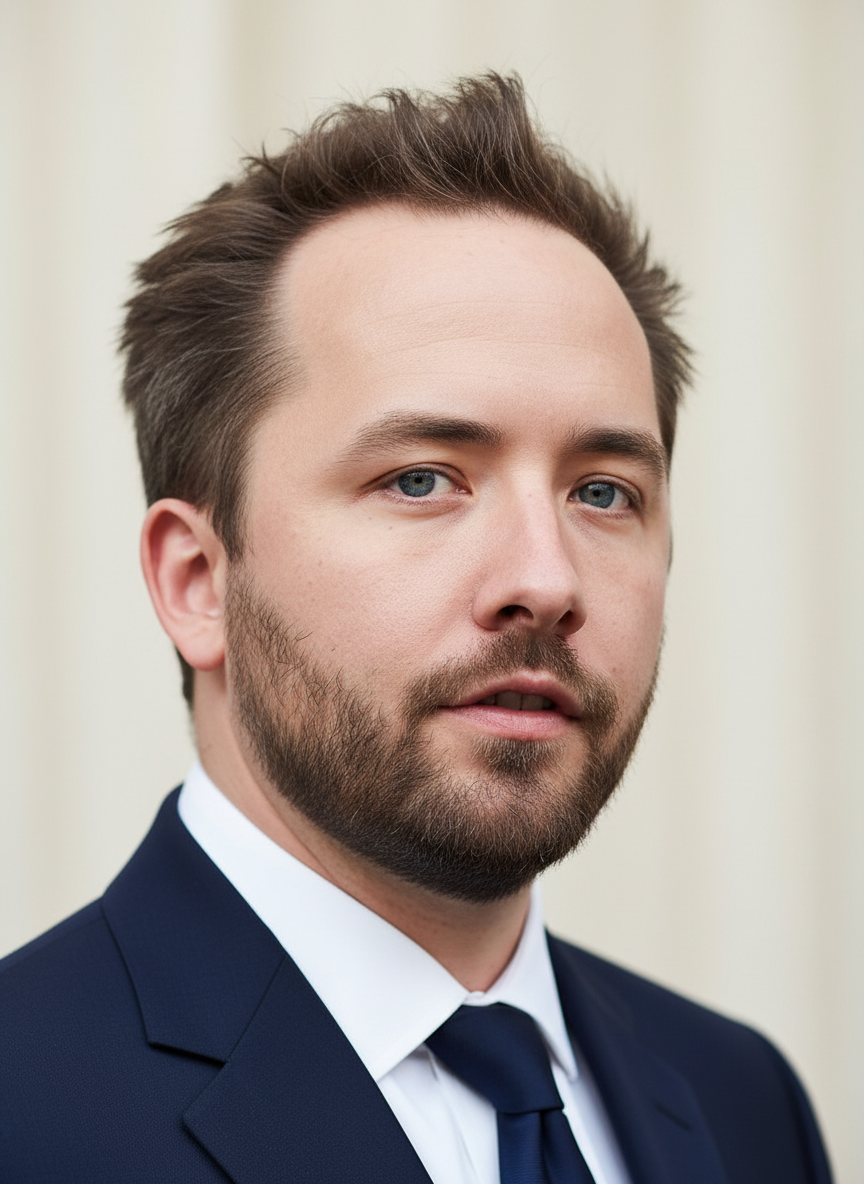
Fred Ehrsam
Co-founder of Coinbase and Paradigm, pioneering infrastructure and investment in the cryptocurrency and neurotechnology sectors.
Fred Ehrsam is an American entrepreneur and investor, widely recognized for co-founding Coinbase, one of the world's largest cryptocurrency exchanges. He later co-founded Paradigm, a prominent crypto-focused venture capital firm. Ehrsam's recent endeavors include co-founding and leading Nudge, a neurotechnology startup focused on non-invasive brain-computer interfaces, demonstrating his continued commitment to foundational technological innovation.
Biography
Accomplishments
- 01Co-founded Coinbase in 2012, building it into one of the world's largest and most compliant cryptocurrency exchanges, facilitating mainstream adoption of digital assets.
- 02Led Coinbase as President until 2017, overseeing critical early growth phases, product expansion, and strategic partnerships, including its expansion into institutional services.
- 03Co-founded Paradigm in 2018, establishing it as a leading multi-stage venture capital firm exclusively focused on the cryptocurrency and Web3 space, managing billions in assets.
- 04Successfully raised multiple multi-billion dollar funds for Paradigm, attracting significant institutional capital into the crypto ecosystem.
- 05Invested in and supported numerous foundational crypto projects through Paradigm, including Uniswap, Optimism, and StarkWare, contributing to the development of decentralized finance (DeFi) and scaling solutions.
- 06Pioneered investment and infrastructure building in two distinct, highly disruptive technological fields: cryptocurrency and neurotechnology (via Nudge).
- 07Navigated Coinbase through early regulatory uncertainties, positioning it as a compliant and trusted platform for cryptocurrency transactions.
- 08Articulated a compelling vision for the future of decentralized internet (Web3) through Paradigm's investment thesis and thought leadership.
Lessons for Operators
Key Takeaways
Practical lessons distilled for operators, investors, C-levels, and capital allocators.
Visionary Infrastructure Building
Ehrsam demonstrated the power of building essential, user-friendly infrastructure (Coinbase) for a nascent, complex technology (cryptocurrency). Identifying foundational needs within emerging markets can unlock immense value and drive adoption.
Strategic Capital Allocation in Disruptive Tech
Through Paradigm, Ehrsam showcased how deep sectoral expertise can be translated into highly effective venture capital strategies, identifying and nurturing the next generation of industry leaders within a specific, complex domain like Web3.
Operator-Turned-Investor Advantage
His transition from a hands-on operational role at Coinbase to a strategic investment role at Paradigm highlights the unique advantage operators bring to venture capital. Such experience provides unparalleled insight into market dynamics, team quality, and execution challenges.
Long-Term Conviction in Fundamental Shifts
Ehrsam's career reflects a consistent belief in the transformative power of decentralized technologies and, more recently, neurotechnology. This long-term conviction, even when faced with skepticism, allows for sustained effort and significant impact.
Pivoting to New Frontiers of Innovation
His engagement with Nudge, a neurotechnology startup, signifies a willingness to apply entrepreneurial acumen to entirely new, high-risk, high-reward fields. This demonstrates a continuous pursuit of cutting-edge innovation beyond established successes.
Importance of Early Regulatory Engagement
Coinbase's early focus on compliance set a precedent in a largely unregulated space, proving that proactive engagement with legal frameworks is critical for building trusted and sustainable businesses in new industries.
Building Ecosystems, Not Just Companies
By co-founding both a leading exchange and a leading VC firm, Ehrsam has actively contributed to building a robust ecosystem for crypto and Web3, demonstrating how entrepreneurs can influence entire industries.
Leveraging Technical Depth for Business Strategy
Ehrsam's computer science background and deep understanding of cryptographic principles informed his strategic decisions at Coinbase and his investment thesis at Paradigm, underscoring the value of technical expertise in leadership roles within tech-driven industries.
Frameworks & Principles
Named frameworks and strategic principles they popularized or embodied.
Ecosystem Building Strategy
Focuses on identifying and addressing key bottlenecks or missing components within a nascent industry to foster its overall growth and adoption. This involves building foundational tools, infrastructure, or investment vehicles that benefit the entire ecosystem, not just a single company.
When to useWhen entering a new or rapidly developing market where significant gaps exist in infrastructure, financing, or user access. Applicable for entrepreneurs and investors aiming to have a systemic impact.
Operator-Investor Synergy Model
A model where individuals transition from hands-on operational roles in a specific industry to become specialized investors within that same industry. Their deep operational experience provides a critical edge in due diligence, deal sourcing, and portfolio support.
When to useApplicable for experienced operators looking to leverage their domain expertise to become venture capitalists or angel investors, or for venture firms seeking to hire partners with specific industry depth.
Foundational Layer Investment Thesis
An investment approach that prioritizes funding projects or companies that are building the core, underlying infrastructure or protocols for a new technological paradigm, rather than just applications on top. These investments often have a longer time horizon but higher potential for systemic impact.
When to useFor investors or corporate strategists assessing opportunities in highly disruptive and nascent technological fields (e.g., AI, biotech, blockchain) where the fundamental layers are still being established.
Recent Appearances
Latest interviews, keynotes, and press from the past half year.
 youtube.com
 youtube.com
 youtube.com
 youtube.com
 youtube.com
 youtube.com
 youtube.com
 youtube.com
 m.youtube.com
 youtube.com
 youtube.com
 youtube.com
 youtube.com
 youtube.com
 youtube.com
Sources & Further Reading
Profiles, interviews, podcasts, and articles used to compile and verify this entry. Each link opens at the original publisher.
Explore Related Titans
Other figures in the archive who share Fred Ehrsam's domain, geography, or era.
More in Technology




From United States

Contemporaries — born 1980s