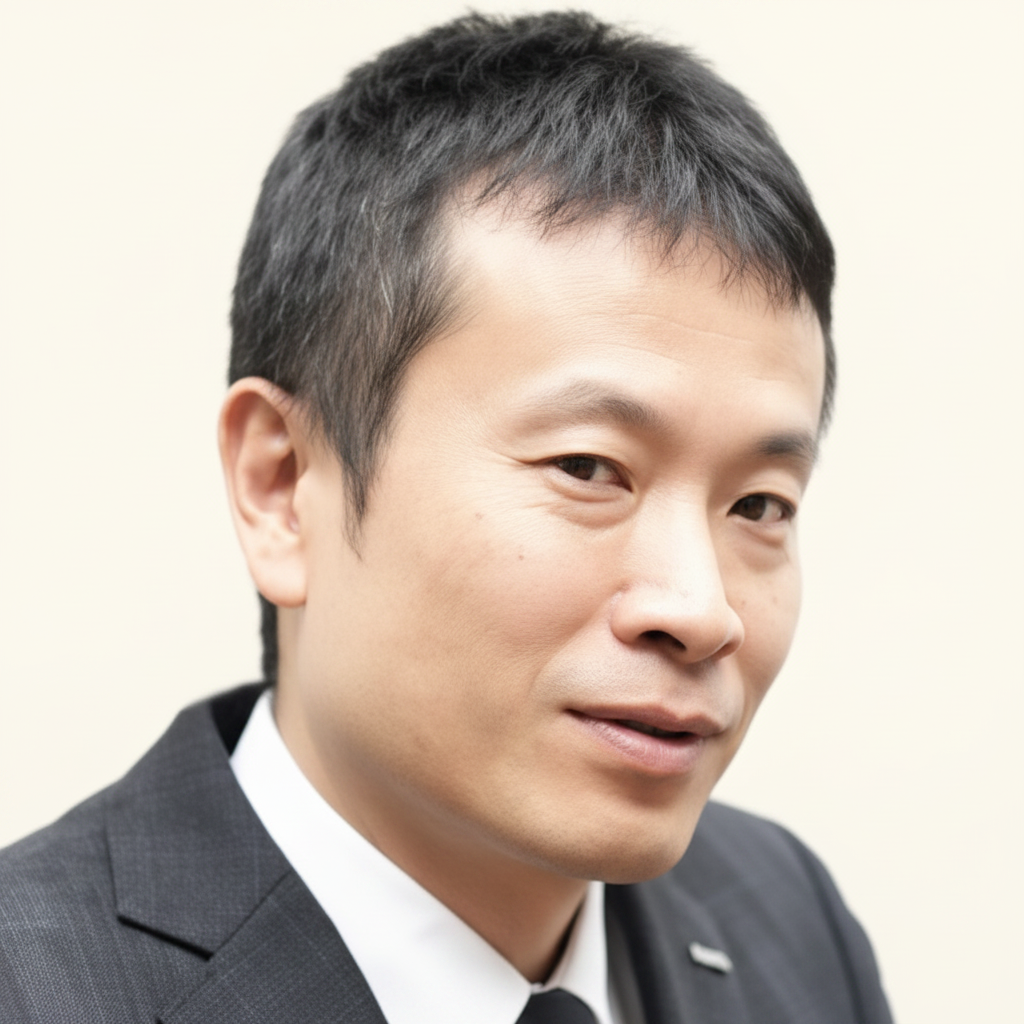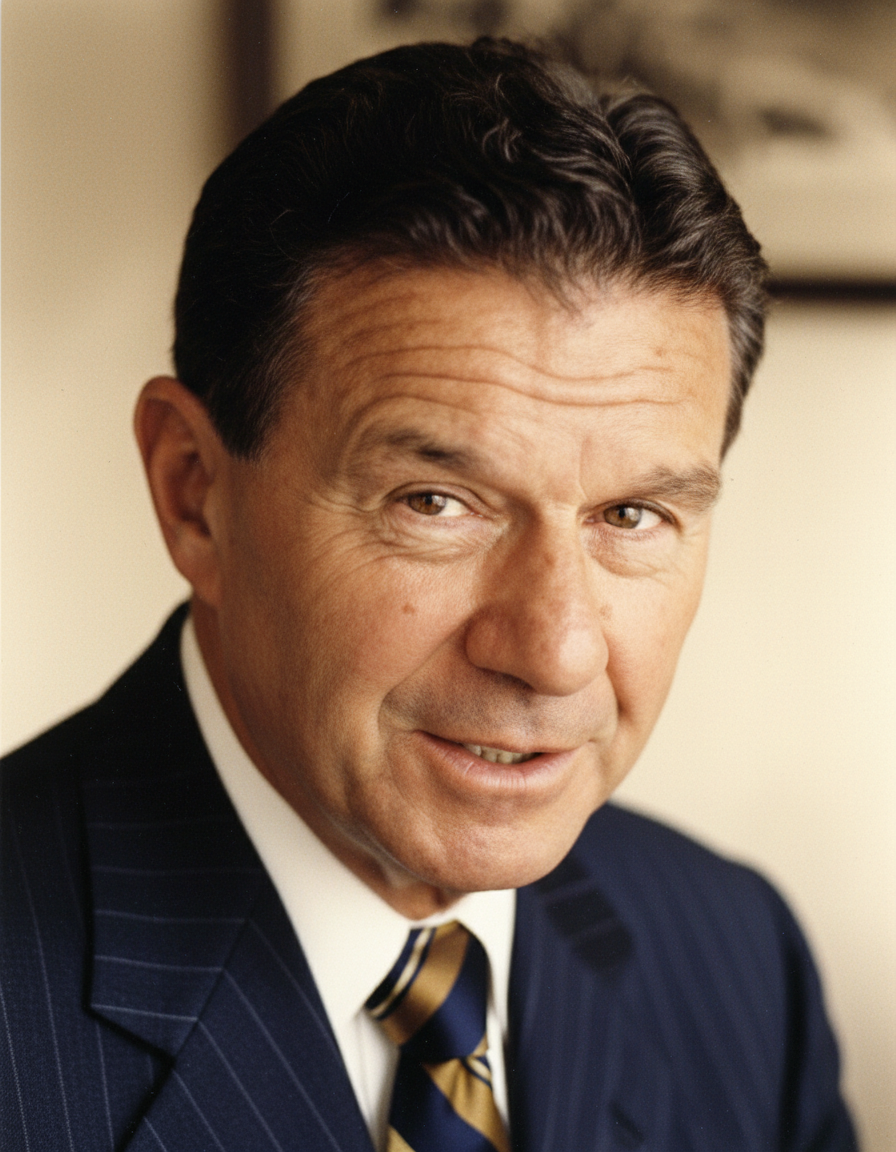
Armand V. Feigenbaum
Pioneering the concept of Total Quality Control as a strategic business imperative.
Armand V. Feigenbaum was an American quality control expert and businessman. He is best known for originating the concept of Total Quality Control (TQC), a comprehensive, system-wide approach to quality management that emphasizes organizational commitment and customer satisfaction, rather than merely inspecting products post-production. His work fundamentally shifted the perception of quality from a technical function to a strategic business driver, impacting manufacturing and service industries globally.
Biography
Accomplishments
- 01Authored the influential book 'Total Quality Control' (first edition 1951, revised 1961), defining a holistic approach to quality management.
- 02Served as President and CEO of General Systems Company, Inc., a Massachusetts-based international engineering company for over 40 years, implementing his quality methodologies for clients worldwide.
- 03Coined and popularized the term 'Total Quality Control,' establishing it as a foundational concept that integrates quality considerations across all business functions.
- 04Identified the 'cost of quality' as a critical metric, differentiating between prevention, appraisal, internal failure, and external failure costs, providing a financial framework for quality investments.
- 05Held a significant executive role at General Electric as Manager of Manufacturing Operations and Quality Control for the International Division, where he directly applied and validated his TQC principles on a global scale.
- 06Received numerous accolades, including the Edwards Medal from the American Society for Quality (ASQ) in 1965 for his profound contributions to quality management.
Lessons for Operators
Key Takeaways
Practical lessons distilled for operators, investors, C-levels, and capital allocators.
Total Quality Control (TQC)
Feigenbaum's seminal concept emphasizes that quality is not confined to the manufacturing floor but is an organization-wide function involving every employee and department, from design to sales and service. This holistic view ensures consistent, integrated quality practices.
Cost of Quality (COQ)
He pioneered the categorization of quality costs into: prevention (avoiding defects), appraisal (inspecting products), internal failure (defects before delivery), and external failure (defects after delivery). Understanding COQ allows businesses to quantify the financial benefits of investment in quality improvement.
Quality as a Strategic Imperative
Feigenbaum elevated quality from a technical function to a strategic business driver. He argued that quality leadership leads to market leadership, directly impacting profitability, market share, and long-term sustainability. This resonates with C-levels and investors seeking competitive advantage.
Customer-Centric Quality
At its core, TQC is about meeting and exceeding customer expectations. Every process and decision within the organization should ultimately contribute to enhancing customer satisfaction and delivering value.
Leadership Commitment
Feigenbaum stressed that TQC implementation requires unequivocal commitment and active participation from top management. Without visible leadership, quality initiatives are unlikely to succeed across the depth and breadth of an enterprise.
Integrated Systems Approach
Rather than isolated quality inspections, TQC promotes a systemic view where all organizational processes are designed and managed to produce quality outputs, fostering seamless operation and reducing errors inherently.
Frameworks & Principles
Named frameworks and strategic principles they popularized or embodied.
Total Quality Control (TQC)
A comprehensive organizational system for achieving and maintaining desired quality levels across all business functions. It integrates quality principles into every stage of the product or service lifecycle, from design to after-sales support, emphasizing prevention over detection.
When to useApplicable for any organization facing quality issues, seeking to reduce costs from defects, improve customer satisfaction, or establish a sustainable competitive advantage through product/service excellence. Best used when a company aims for a culture-wide shift in how quality is perceived and managed, requiring top-down commitment.
Cost of Quality (COQ) Model
A framework for categorizing and quantifying the financial expenditures associated with maintaining and improving quality (costs of conformance: prevention, appraisal) versus those resulting from poor quality (costs of non-conformance: internal failure, external failure).
When to useUtilize when seeking to justify investments in quality initiatives, identify areas where quality failures are most costly, or to measure the financial impact of quality improvement projects. Essential for C-levels and capital allocators to make data-driven decisions on quality strategies.
Four Steps to Quality
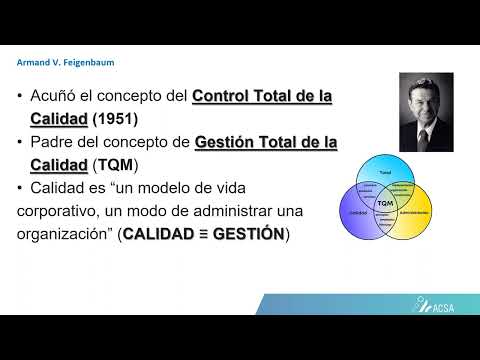
Feigenbaum outlined four key steps: 1) Setting Quality Standards, 2) Appraising Conformance to Standards, 3) Acting When Standards Are Exceeded, and 4) Planning for Improvement. This provides a cyclical approach to quality management.
When to useApplicable for organizations establishing or refining a structured quality management system. Operators can use this for specific process improvements; executives can use it to frame entire quality programs and ensure continuous organizational learning and adaptation.
Recent Appearances
Latest interviews, keynotes, and press from the past half year.
 youtube.com
 youtube.com
 youtube.com
 youtube.com
 youtube.com
 youtube.com
 youtube.com
 youtube.com
 youtube.com
 youtube.com
 youtube.com
 youtube.com
 youtube.com
 youtube.com
 youtube.com
 youtube.com
 youtube.com
 youtube.com
 youtube.com
 youtube.com
 youtube.com
 youtube.com
 youtube.com
 youtube.com
 youtube.com
 youtube.com
 youtube.com
 youtube.com
 youtube.com
 youtube.com
 youtube.com
 youtube.com
 youtube.com
 youtube.com
 youtube.com
 youtube.com
 youtube.com
 youtube.com
 m.youtube.com
 youtube.com
 youtube.com
 youtube.com
 youtube.com
 youtube.com
 youtube.com
 youtube.com
 youtube.com
 m.youtube.com
 youtube.com
 m.youtube.com
 youtube.com
 youtube.com
 youtube.com
 m.youtube.com
 youtube.com
 youtube.com
 youtube.comyoutube.com
Sources & Further Reading
Profiles, interviews, podcasts, and articles used to compile and verify this entry. Each link opens at the original publisher.
- interviewFeigenbaum's Total Quality Control Explained | PDFscribd.com→
- interviewQuality is everyone's job.”— A cornerstone of TQM: quality is ...instagram.com→
- interviewCrosby | Juran | Feigenbaumgapimprove.org→
- interviewLa citation du jour d'Armand V. FEIGENBAUMexcellence-operationnelle.tv→
- interviewTo have a measurement without an implementation in ...instagram.com→
- interview(PDF) A review of research on cost of quality models and ...researchgate.net→
- interview7 Gurus of Quality: Timeless Lessons in Excellencelinkedin.com→
- interviewToday, we celebrate Kaoru Ishikawa, one of the most ...facebook.com→
Explore Related Titans
Other figures in the archive who share Armand V. Feigenbaum's domain, geography, or era.
More in Other

From USA





Contemporaries — born 1920s