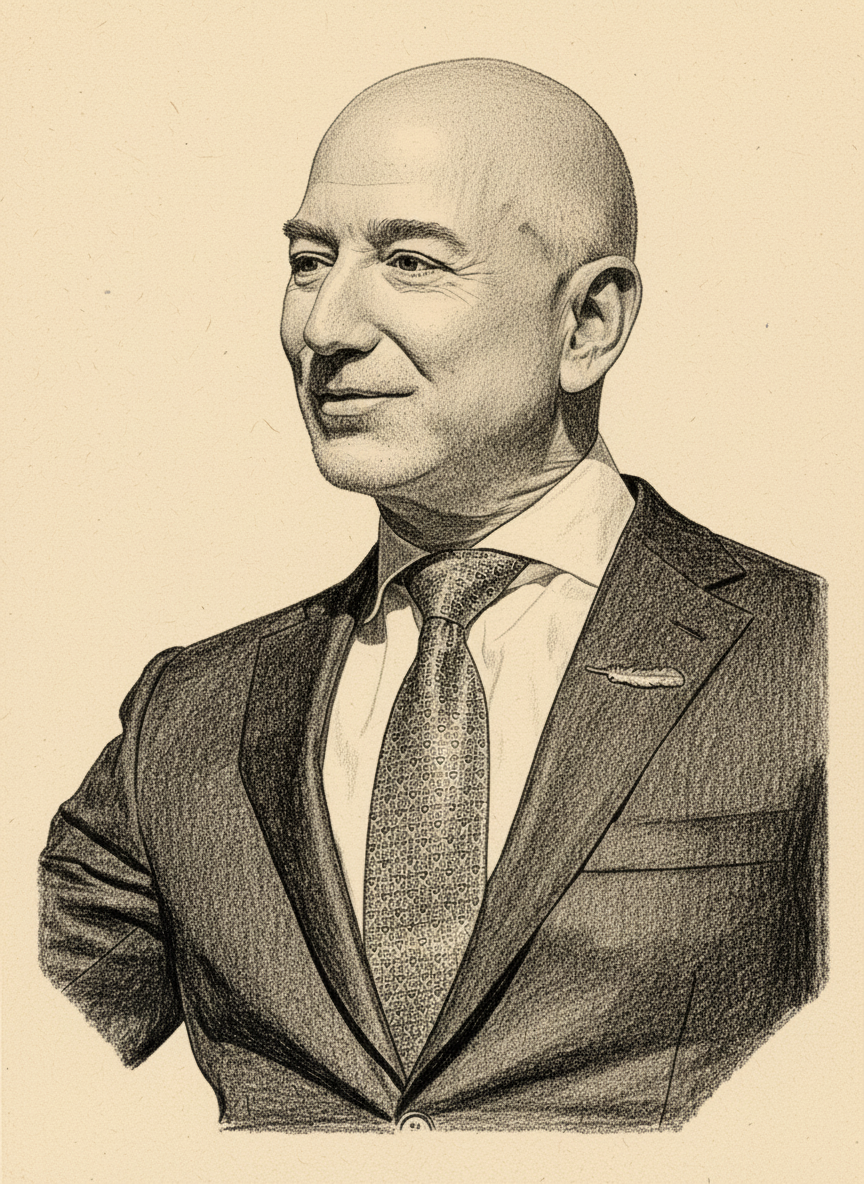
Muriel Siebert
The First Woman of Wall Street: Breaking Barriers and Building Businesses.
Muriel Siebert was a trailblazing American businesswoman who shattered gender barriers on Wall Street. She became the first woman to own a seat on the New York Stock Exchange (NYSE) in 1967 and subsequently founded Muriel Siebert & Co., Inc. (now Siebert Financial Corporation), pioneering discount brokerage services. Her career spanned decades, marked by financial innovation, advocacy for women in finance, and public service.
Biography
Accomplishments
- 01First woman to purchase a seat on the New York Stock Exchange (NYSE) in 1967, breaking a 175-year-old barrier.
- 02Founded Muriel Siebert & Co., Inc. in 1967, an institutional brokerage firm.
- 03Pioneered discount brokerage services in 1975, transforming her firm into the first to offer reduced commissions following the deregulation of fixed brokerage fees.
- 04Served as Superintendent of Banks for New York State from 1977 to 1982, becoming the first woman to hold this cabinet-level position.
- 05Successfully navigated and adapted her business through significant market changes, including the 'May Day' deregulation and subsequent market volatility.
Lessons for Operators
Key Takeaways
Practical lessons distilled for operators, investors, C-levels, and capital allocators.
Proactive Disruption
Do not wait for opportunities to be given; actively create them. Siebert's purchase of a NYSE seat when it was not offered to women demonstrates the power of being a first-mover in challenging norms.
Strategic Adaptability
Market and regulatory changes are inevitable. Siebert's quick pivot to discount brokerage in 1975, despite operating a traditional firm, exemplifies how rapid strategic adjustment can lead to competitive advantage.
Brand from Authenticity
Operating as 'the first woman' became a core, authentic brand differentiator for Siebert. Her advocacy for women in finance was not just a personal passion but also intrinsically linked to her firm's public identity and client base.
Integrate External Experience
Siebert's five-year stint in public service as a bank regulator provided her a unique, macro-level perspective on the financial industry ecosystem, enriching her understanding and strategic decision-making upon returning to her firm.
Grit over Privilege
Despite lacking traditional credentials (no college degree), Siebert's relentless dedication and perseverance in a male-dominated field created opportunities and success where formal qualifications often failed.
Frameworks & Principles
Named frameworks and strategic principles they popularized or embodied.
First-Mover Advantage in Niche Markets
Exploiting an unmet need or an unaddressed demographic to establish a dominant position. Siebert identified the 'woman investor' and, more broadly, the need for cost-efficient brokerage services.
When to useWhen entering a market with established competitors, look for overlooked segments or innovative service models that can capture early market share before incumbents adapt.
Regulatory Arbitrage (Strategic Adaptation)
The ability to rapidly understand and capitalize on changes in regulatory environments. Siebert's swift transition to discount brokerage immediately after the SEC's 'May Day' ruling exemplifies this.
When to useWhen significant policy or regulatory shifts are anticipated or announced, assess how these changes create new opportunities or invalidate old business models, and pivot quickly.
Personal Brand as Competitive Differentiator
Utilizing one's unique identity, position, or story as a core component of a business's brand and value proposition.
When to useWhen personal authority, unique background, or a compelling narrative can attract customers, talent, and build credibility in competitive or emerging fields.
Sources & Further Reading
Profiles, interviews, podcasts, and articles used to compile and verify this entry. Each link opens at the original publisher.
Explore Related Titans
Other figures in the archive who share Muriel Siebert's domain, geography, or era.
More in Finance & Investing










From USA









Contemporaries — 20th century