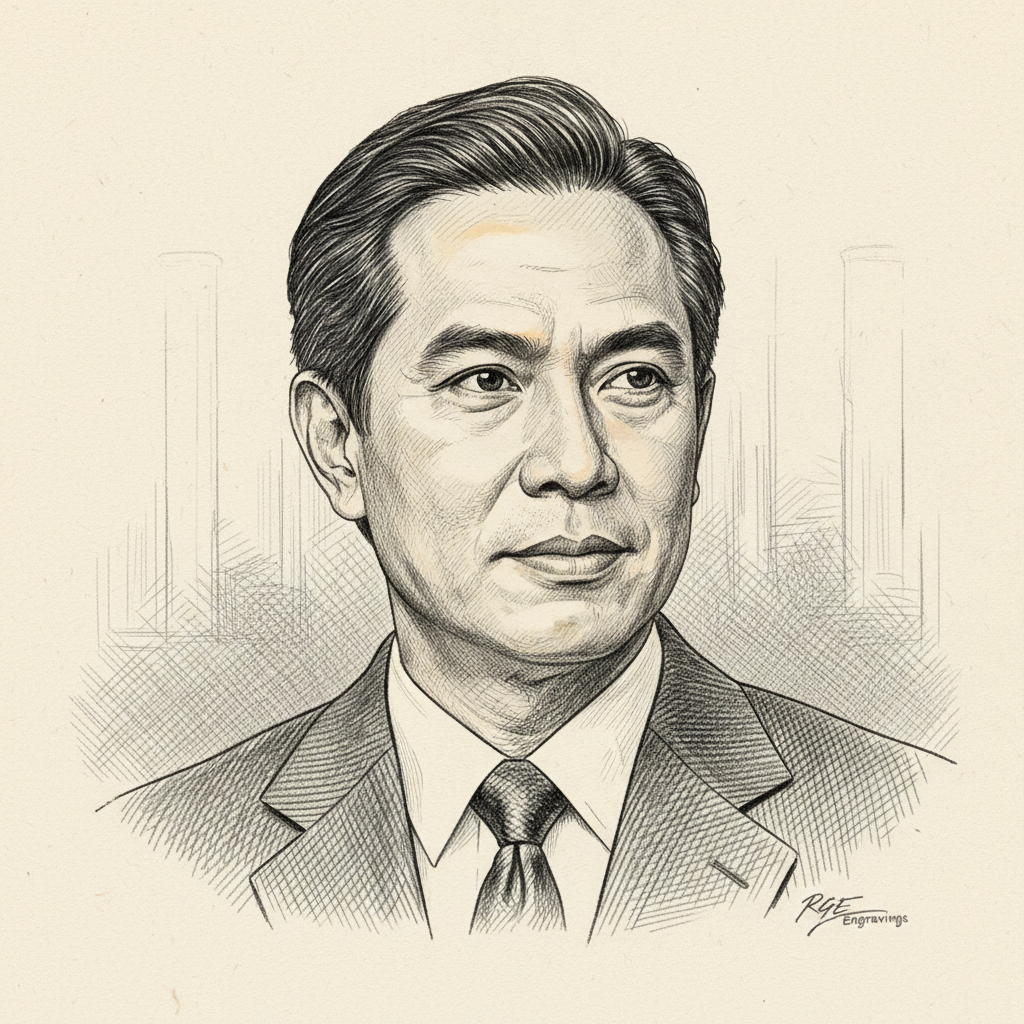
Tom Fanning
A leading architect of the modern utility landscape, navigating energy transition while championing nuclear power and infrastructure investment.
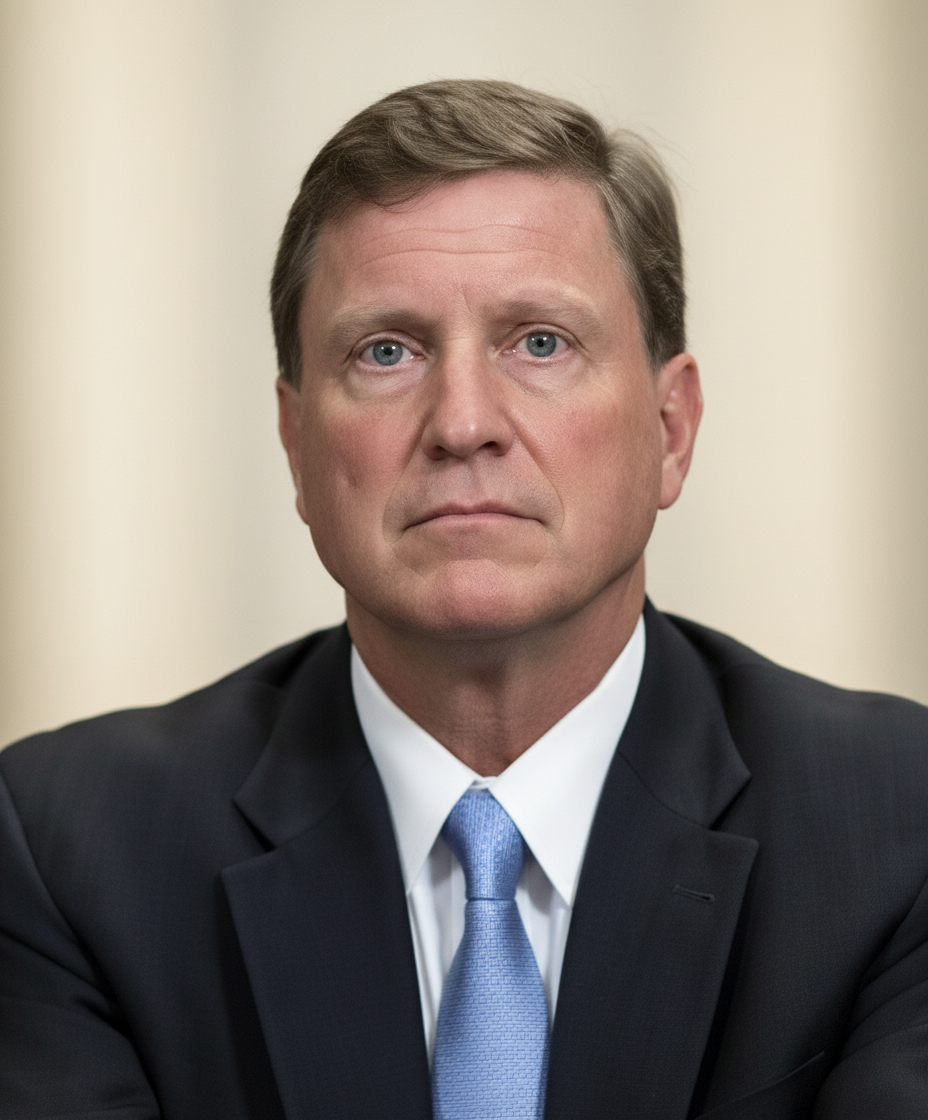
Thomas A. Fanning served as Chairman, President, and CEO of Southern Company from 2010 to 2023, and remained Executive Chairman until 2024. He presided over significant capital projects, including the Vogtle nuclear expansion, and positioned Southern Company as a leader in sustainable energy and grid modernization. His tenure balanced traditional power generation with substantial investments in renewable energy and carbon reduction technologies.
Biography
Accomplishments
- 01Oversaw the construction and successful commissioning of Vogtle Units 3 and 4 (2023-2024), adding over 2,200 MW of carbon-free nuclear generation capacity.
- 02Engineered significant growth in Southern Company's renewable energy portfolio, with over 4,000 MW of renewable generation in operation or under development by the end of his tenure.
- 03Led Southern Company to establish an industry-leading goal of 'net zero' carbon emissions by 2050, with interim targets for a 50% reduction from 2007 levels by 2030.
- 04Navigated critical regulatory environments and stakeholder relations throughout complex infrastructure projects, including the Kemper County IGCC project and the Vogtle expansion.
- 05Championed technological innovation within the utility sector, including investments in smart grid technologies, energy storage, and advanced research initiatives.
- 06Served as a prominent voice for the utility industry on national energy policy, emphasizing grid reliability, energy security, and sustainable energy solutions.
Lessons for Operators
Key Takeaways
Practical lessons distilled for operators, investors, C-levels, and capital allocators.
Capital Project Management
Mega-projects like Vogtle demand exceptional foresight, risk management, and sustained political and financial capital. While successful, the project's difficulties underscore the crucial need for robust contingency planning and transparent communication with stakeholders, particularly investors and regulators.
Energy Transition Strategy
Fanning's approach to decarbonization was pragmatic, integrating both firm, carbon-free generation (nuclear) and intermittent renewables. This 'all-of-the-above' strategy provides a template for utilities seeking to reduce emissions without compromising grid reliability.
Regulatory Acumen
Successfully navigating complex state and federal regulatory frameworks is non-negotiable for utility CEOs. Fanning's effectiveness highlights the importance of understanding regulatory economics, political dynamics, and stakeholder advocacy in shaping business outcomes.
Infrastructure Investment Imperative
His tenure emphasized the continuous need for investment in both new generation capacity and grid modernization. Investors in utilities should scrutinize a company's capital expenditure plans for long-term growth and resilience against climate change and cyber threats.
Leadership in Evolving Markets
Fanning led through periods of significant technological change and policy shifts in the energy sector. His ability to adapt strategy while providing consistent earnings suggests that dynamic leadership, capable of internal transformation, is paramount for sustained success in utilities.
Frameworks & Principles
Named frameworks and strategic principles they popularized or embodied.
Balanced Energy Portfolio (BEP)
This framework involves strategically combining diverse energy sources (e.g., nuclear, natural gas, renewables, hydro) to ensure grid stability, affordability, and environmental responsibility, rather than over-relying on a single technology.
When to useApplicable for utility executives and policymakers designing long-term energy generation strategies; investors evaluating the risk profile and resilience of energy companies' asset bases.
Integrated Resource Planning (IRP)
A comprehensive planning process utility companies use to evaluate future electricity needs and determine the most cost-effective and reliable mix of energy resources to meet those needs, considering demand-side management, generation, and transmission.
When to useEssential for utility operators and strategists when forecasting demand, making capital allocation decisions for new plants or grid upgrades, and ensuring regulatory compliance.
Stakeholder Engagement Matrix
A tool used to identify, analyze, and strategically engage with various groups (customers, regulators, investors, environmental groups, employees) critical to the success of large-scale projects or organizational change, prioritizing communication and influence efforts.
When to useCrucial for C-suite executives and project managers overseeing significant capital projects (like Vogtle) or navigating complex regulatory and public relations landscapes.
Sources & Further Reading
Profiles, interviews, podcasts, and articles used to compile and verify this entry. Each link opens at the original publisher.
Explore Related Titans
Other figures in the archive who share Tom Fanning's domain, geography, or era.
More in Energy & Resources





From USA







Contemporaries — born 1950s