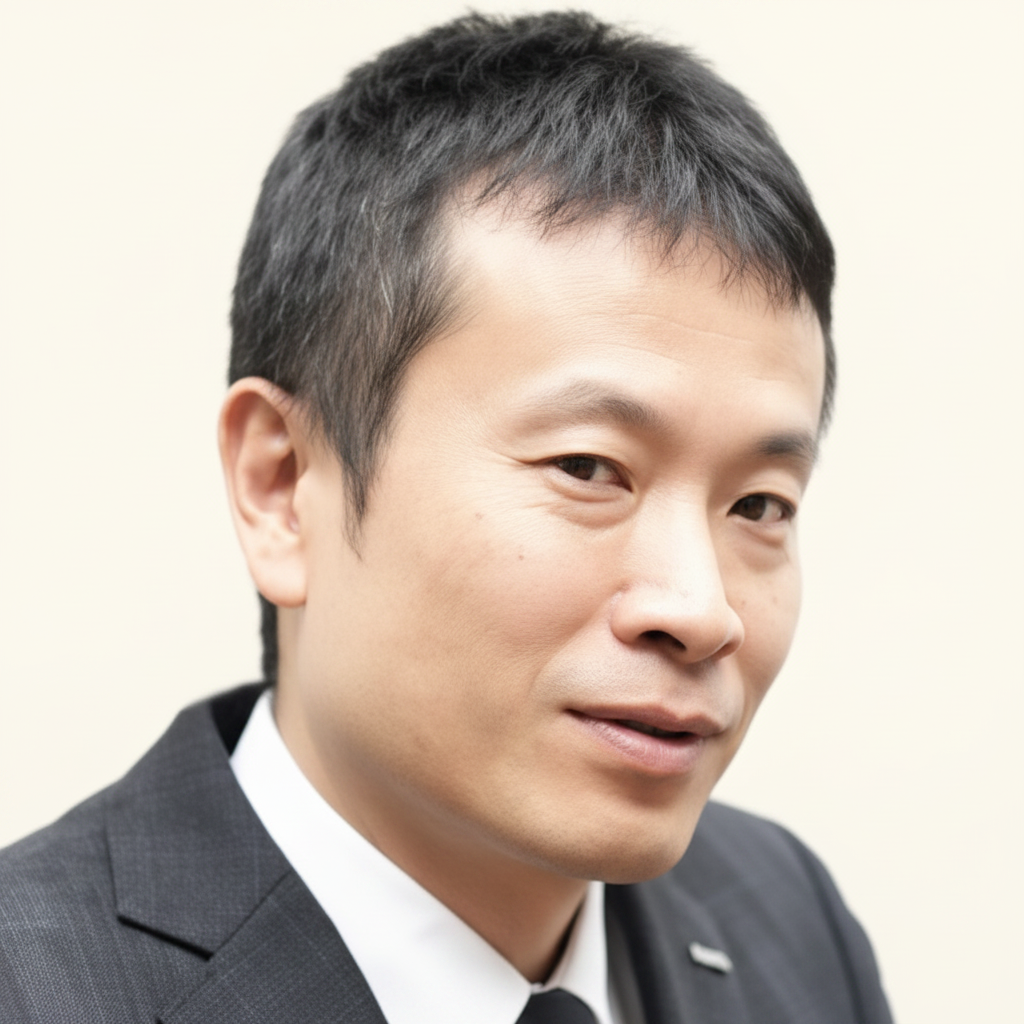
Takeshi Mitani
Takeshi Mitani: Architect of Japan's post-war aerospace modernization and strategic defense technology.
Takeshi Mitani was a pivotal figure in the resurgence of Japan's aerospace and defense industries, leading foundational technological advancements and fostering international collaborations crucial for national security and economic growth.
Biography
Accomplishments
- 01Led the engineering and production phases for the YS-11 turboprop airliner at Nihon Aircraft Manufacturing Corporation (NAMC) in the 1960s, marking Japan's first successful post-war commercial aircraft program.
- 02Spearheaded the domestic development and licensed production of advanced fighter aircraft, including substantial contributions to the F-2 fighter program (a joint Japan-U.S. F-16 derivative) at Mitsubishi Heavy Industries in the 1990s.
- 03Orchestrated technology transfer agreements and domestic integration efforts for complex missile defense systems and naval platforms, significantly enhancing Japan's self-reliance in critical defense capabilities.
- 04Served on key governmental advisory councils, influencing policy decisions that stimulated investment and innovation in Japan's aerospace and defense industrial base from the 1970s through the 1990s.
- 05Fostered long-term strategic alliances with international aerospace and defense contractors, facilitating access to cutting-edge technologies vital for Japan's defense modernization.
Lessons for Operators
Key Takeaways
Practical lessons distilled for operators, investors, C-levels, and capital allocators.
Dual-Use Technology Synergy
Investments in commercial aerospace can yield significant spin-off benefits and foundational capabilities for defense projects. Executives should explore how civil sector advancements can be leveraged for national security applications, and vice-versa, to optimize resource allocation and foster innovation ecosystems.
Phased Approach to Independence
Achieving technological sovereignty in complex industries often requires a multi-stage process, beginning with licensed production, then localized integration and modification, and finally, full indigenous design. Strategists should define clear milestones for each phase and commit long-term.
Mastering IP and Partnership Terms
In international defense collaborations, meticulously negotiate intellectual property rights, technology access, and manufacturing work share. Failure to do so can lead to dependency or restrict future domestic innovation. Legal and technical due diligence is paramount.
Policy Advocacy is a Strategic Imperative
Leaders in critical industries must actively engage with government bodies to shape industrial policy, secure R&D funding, and advocate for regulatory frameworks that support long-term sectoral growth and competitiveness. Mitani's advisory roles underscore this.
Talent Development Pipeline
Sustainable growth in high-tech sectors mandates a continuous investment in human capital, from specialized engineering education to vocational training. Building a robust talent pipeline internally and through academic partnerships is non-negotiable for future capabilities.
Frameworks & Principles
Named frameworks and strategic principles they popularized or embodied.
Technology Absorption and Adaptation Model
A strategic model for developing domestic capabilities by systematically absorbing foreign technology through licensing, adapting it to local requirements, and eventually evolving it into unique indigenous innovations. Emphasizes learning-by-doing and incremental skill building rather than sole reliance on R&D.
When to useWhen entering a technologically advanced sector with significant existing foreign expertise, or when aiming to reduce reliance on external suppliers over time. Applicable for national industrial policy, major corporate R&D initiatives, or large-scale technology transfer projects.
Strategic Industry Ecosystem Development
A holistic approach to fostering a competitive national or regional industry by coordinating efforts across government policy (funding, regulation), academic research (talent, basic science), and private enterprise (R&D, manufacturing, commercialization). Focuses on creating symbiotic relationships to achieve collective strategic goals.
When to useWhen a government or consortium of large enterprises aims to build or revitalize a critical industrial sector (e.g., semiconductors, biotechnology, aerospace) from the ground up, requiring long-term, coordinated investment and policy support.
Integrated Program Management for Complex Systems
A methodology for managing large-scale, high-complexity projects, particularly in aerospace and defense, by integrating technical development, risk management, supply chain coordination, and regulatory compliance. Emphasizes cross-functional teams, robust configuration control, and continuous stakeholder engagement.
When to useApplicable for managing the development and production of sophisticated products (e.g., aircraft, spacecraft, missile systems, major infrastructure projects) that involve numerous subsystems, diverse engineering disciplines, and strict performance or safety standards.
Explore Related Titans
Other figures in the archive who share Takeshi Mitani's domain, geography, or era.
More in Transportation & Logistics








From Japan




Contemporaries — born 1920s