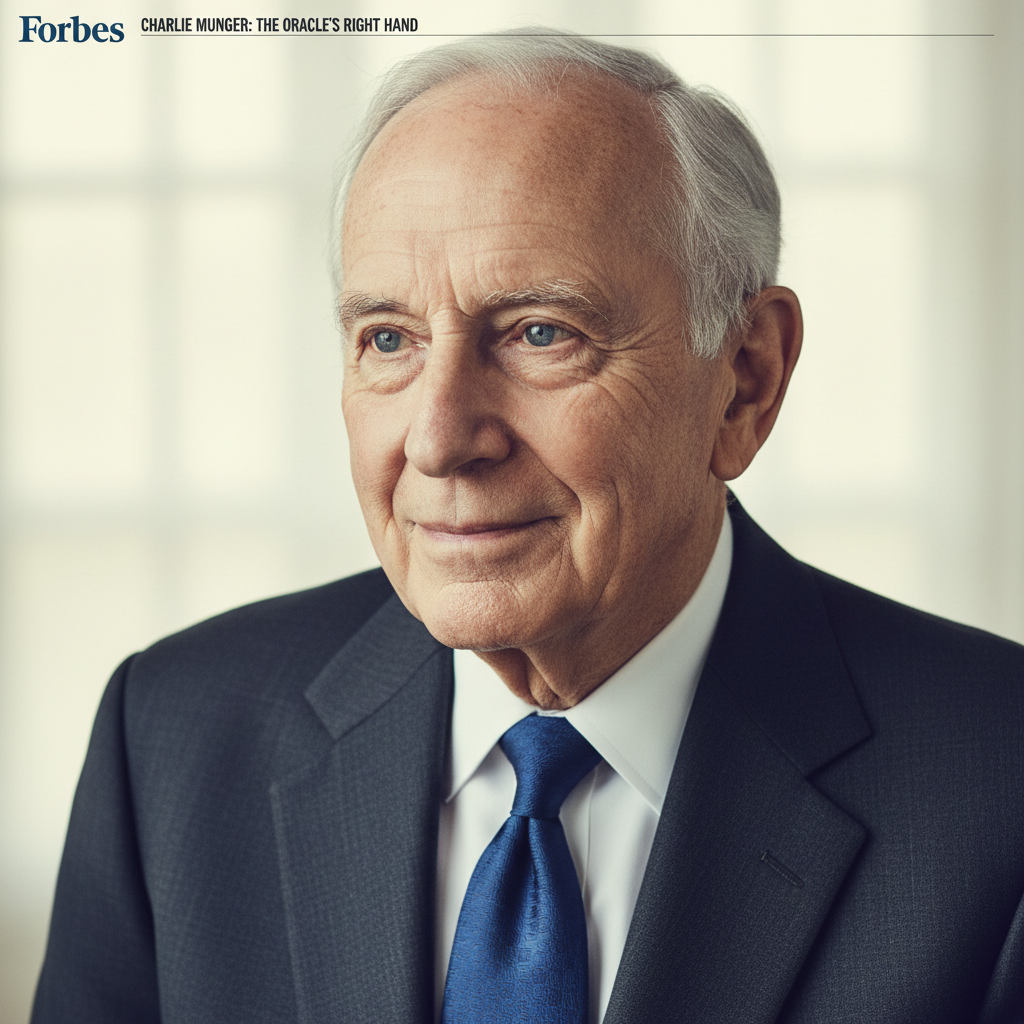
Akio Morita
Akio Morita, co-founder of Sony Corporation, transformed a war-torn electronics repair shop into a global consumer electronics giant, championing innovation, global branding, and design-led product development.
Akio Morita, alongside Masaru Ibuka, co-founded Tokyo Tsushin Kogyo (Tokyo Telecommunications Engineering Corporation) in 1946, which later became Sony Corporation. A visionary leader, Morita drove Sony's global expansion, establishing its brand identity and pioneering iconic products like the Trinitron television and the Walkman. He was instrumental in Sony's strategic shift from OEM supplier to a global brand, emphasizing design, marketing, and direct consumer engagement.
Biography
Accomplishments
- 01Co-founded Tokyo Tsushin Kogyo (later Sony Corporation) in 1946, transforming it into a global consumer electronics leader.
- 02Led Sony's strategic rebranding in 1955, choosing the globally recognizable name 'Sony' to transcend its Japanese origins.
- 03Pioneered direct market entry in the United States, establishing Sony America in 1960 and successfully building a premium brand against entrenched competitors.
- 04Oversaw the development and launch of iconic products including the TR-63 transistor radio, Trinitron color TV, and the Walkman, which created entirely new product categories.
- 05Expanded Sony into the entertainment industry with the acquisitions of CBS Records (1988) and Columbia Pictures (1989), laying the groundwork for Sony Music and Sony Pictures.
- 06Authored 'Made in Japan,' a bestselling autobiography and business philosophy treatise that articulated his views on global competition and corporate management.
- 07Implemented a design-first philosophy, believing that aesthetics and user experience were as crucial as technological innovation.
- 08Cultivated a unique corporate culture at Sony that emphasized creativity, engineering excellence, and a global mindset among employees.
Lessons for Operators
Key Takeaways
Practical lessons distilled for operators, investors, C-levels, and capital allocators.
Global Brand Building
Morita understood that a powerful global brand transcends national origin. By choosing 'Sony' and aggressively marketing internationally, he established a global identity long before many contemporaries, demonstrating the imperative of a universally appealing brand.
Market Creation
Rather than solely competing in existing categories, Morita was adept at identifying latent consumer desires and creating entirely new product markets, exemplified by the Walkman. This strategy shifts competition from price to innovation and user experience.
Integrated Strategy (Hardware + Content)
Morita's controversial acquisitions of CBS Records and Columbia Pictures highlighted an early vision of synergy between hardware and content. He foresaw a future where device manufacturers would need proprietary content to drive product adoption and create ecosystems.
Design as a Differentiator
Sony's products were consistently praised for their sleek design and intuitive interfaces. Morita recognized that superior aesthetics and user experience could elevate a product beyond its technical specifications, commanding premium pricing and loyalty.
Entrepreneurial Leadership
His willingness to take personal risks (e.g., moving to the US to establish Sony America) and challenge internal resistance (e.g., the Walkman) underscores the importance of a founder's vision and conviction in steering a company toward breakthrough success.
Quality and Precision
Sony built its reputation in post-war Japan on unwavering commitment to manufacturing quality. This foundation of reliable, well-engineered products was crucial for overcoming initial skepticism about 'Made in Japan' goods and establishing a global premium brand.
Strategic Patience
Many of Sony's major initiatives, from global expansion to entertainment acquisitions, took years to fully mature or gain acceptance. Morita's long-term perspective allowed these strategic bets to unfold and eventually yield significant returns.
Empowering Talent
Morita fostered an environment at Sony that empowered engineers and designers, giving them significant autonomy and resources to innovate. This culture of creativity was a cornerstone of Sony's continuous stream of groundbreaking products.
Frameworks & Principles
Named frameworks and strategic principles they popularized or embodied.
Market-Creating Innovation
This framework, exemplified by the Walkman, involves identifying unarticulated consumer needs or developing entirely new product categories that create new demand rather than competing within existing, saturated markets. It requires foresight, risk-taking, and strong conviction.
When to useWhen seeking to break free from intense competition, achieve disproportionate growth, or redefine an industry. This is suitable for leaders willing to invest in R&D and marketing for products that may initially face skepticism.
Global Branding & Localization
Morita's approach to global branding involved selecting a universally appealing name ('Sony') while simultaneously understanding and adapting to local market nuances (e.g., establishing direct sales channels in the U.S.). It balances a consistent global identity with local relevance.
When to useEssential for companies aiming for international expansion. It requires developing a brand identity that transcends cultural barriers and building effective localized distribution and marketing strategies.
Hardware-Content Synergy
Morita's vision to acquire music and film assets (CBS Records, Columbia Pictures) demonstrated a belief in the strategic importance of integrating content with hardware. This creates ecosystems where proprietary content drives device sales and vice-versa, enhancing competitive moats.
When to useApplicable for technology companies whose products benefit from exclusive or integrated content, or content providers seeking new distribution channels. It's a strategy for creating a holistic user experience and locking in customers.
Design-Led Product Development
This framework prioritizes aesthetics, user experience, and industrial design as core pillars of product development, alongside technical specifications. Morita believed that design was critical for consumer appeal and brand differentiation.
When to useCrucial for consumer-facing products where emotional connection and ease of use are paramount. It requires integrating designers early into the product development lifecycle and giving them significant influence.
Recent Appearances
Latest interviews, keynotes, and press from the past half year.
 youtube.com
 youtube.com
 youtube.com
 youtube.com
 youtube.com
 youtube.com
 youtube.com
 youtube.com
 youtube.com
 youtube.com
 youtube.com
 youtube.com
 youtube.com
 youtube.com
 youtube.com
 youtube.com
 youtube.com
 youtube.com
 youtube.com
 youtube.com
 youtube.com
 youtube.com
 youtube.com
![[Sony Founder Akio Morita] The Passion and Legacy of ... - YouTube](https://i.ytimg.com/vi/7FAHKZGTkTk/hqdefault.jpg) youtube.com
youtube.com youtube.com
 youtube.com
 youtube.com
 youtube.com
 youtube.com
 youtube.com
 youtube.com
 youtube.com
 youtube.com
 youtube.com
 youtube.com
 youtube.com
 youtube.com
 youtube.com
 youtube.com
 youtube.com
 youtube.com
 youtube.com
 youtube.com
 youtube.com
 youtube.com
 youtube.com
 youtube.com
 youtube.com
 youtube.com
 youtube.com
 youtube.com
 youtube.com
 youtube.com
![[The Dark Times of a Legend] Akio Morita—The Man Who ...](https://i.ytimg.com/vi/_GmAySf5nXM/hqdefault.jpg) youtube.com
youtube.com youtube.com
 youtube.com
 youtube.com
 youtube.com
 youtube.com
 youtube.com
 youtube.com
 youtube.com
 youtube.com
 youtube.com
 youtube.com
 youtube.com
 youtube.com
 youtube.com
 youtube.com
 youtube.com
 youtube.com
 youtube.com
 youtube.com
 youtube.com
 youtube.com
 youtube.com
 youtube.com
 youtube.com
 youtube.com
 youtube.com
 youtube.com
 youtube.com
 youtube.com
 youtube.com
 youtube.com
 youtube.com
 youtube.com
 youtube.com
 youtube.com
 youtube.com
 youtube.com
 youtube.comyoutube.com
 youtube.com
 youtube.com
 youtube.com
 youtube.com
 youtube.com
 youtube.com
 youtube.com
 youtube.com
 m.youtube.com
 youtube.com
 m.youtube.com
 youtube.com
 youtube.com
 youtube.com
 youtube.com
 youtube.com
Sources & Further Reading
Profiles, interviews, podcasts, and articles used to compile and verify this entry. Each link opens at the original publisher.
Explore Related Titans
Other figures in the archive who share Akio Morita's domain, geography, or era.
More in Technology








From Japan





Contemporaries — 20th century