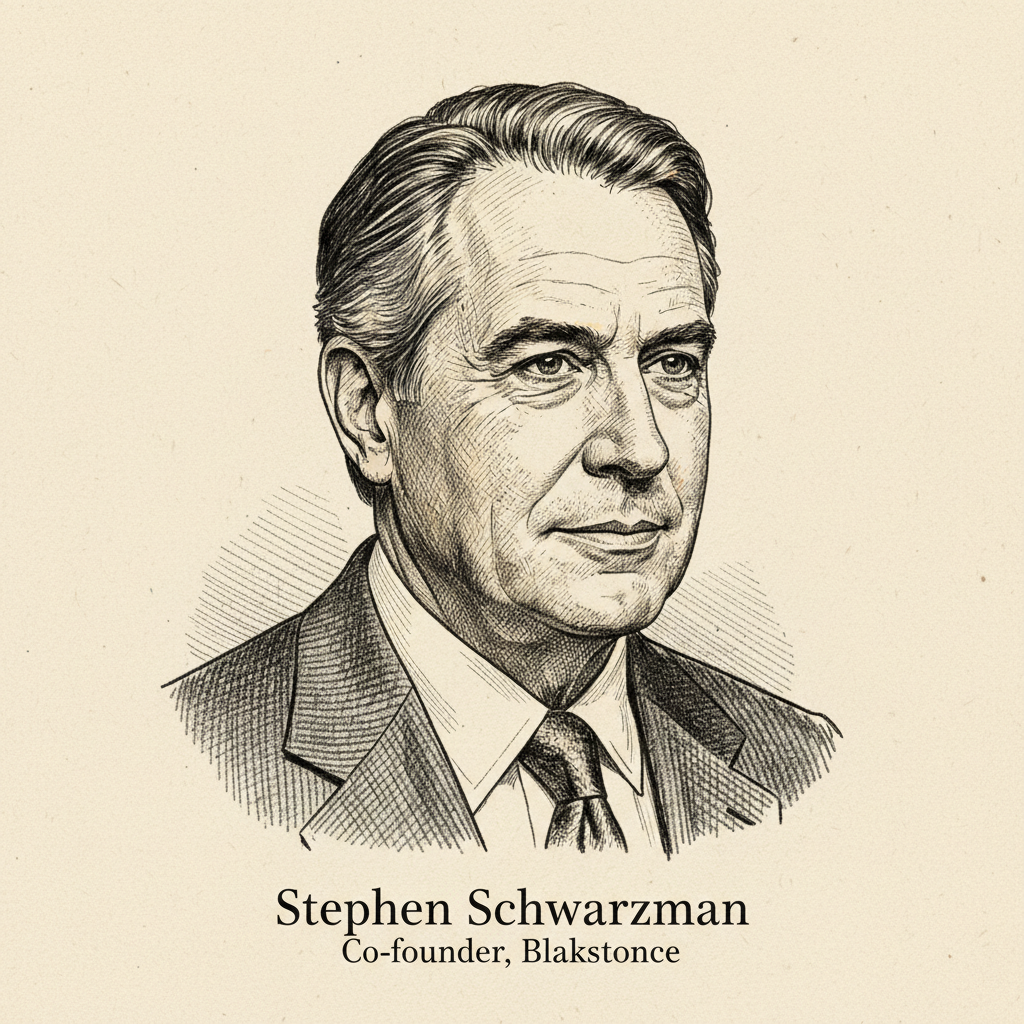
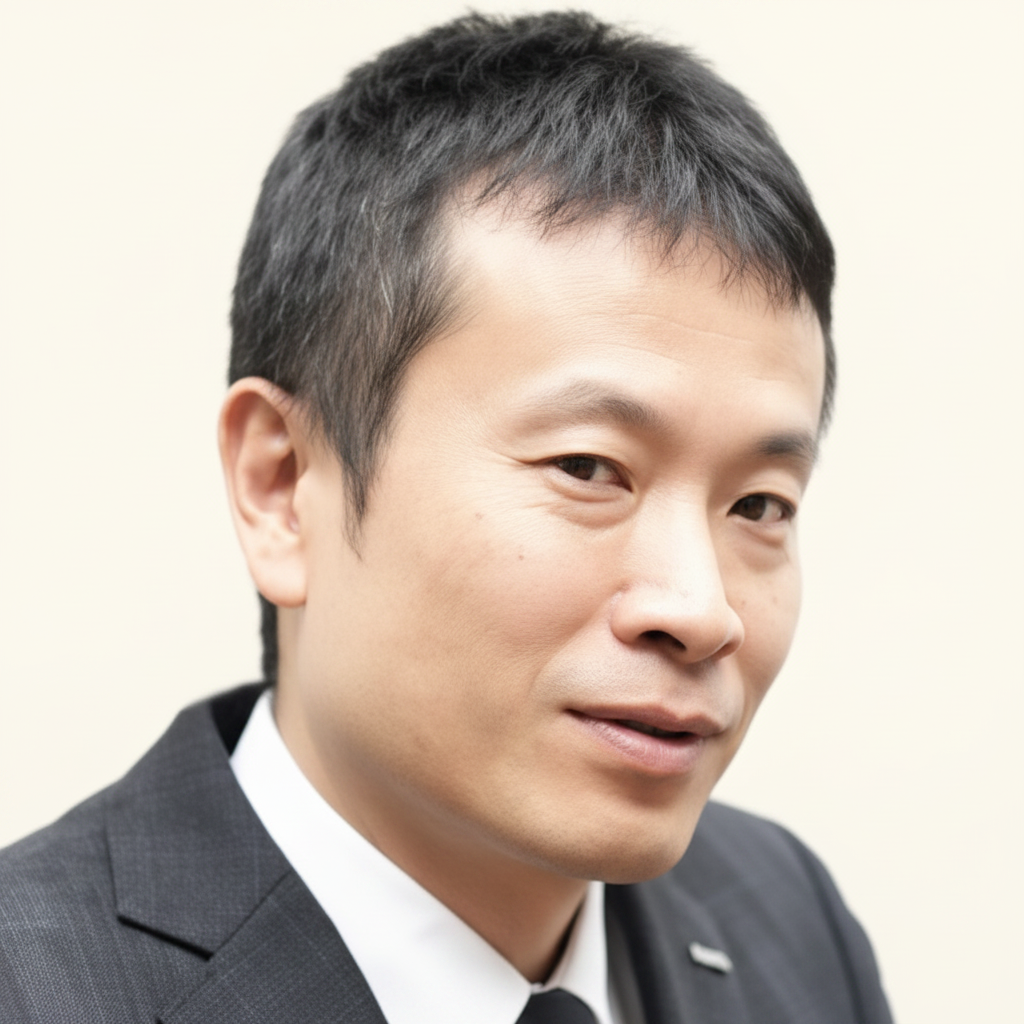
Hajime Satomi
Hajime Satomi: The Architect of SEGA Sammy Holdings and a Japanese Entertainment Conglomerate Leader
Hajime Satomi is a Japanese entrepreneur who founded Sammy Corporation in 1975, initially focused on pachinko and pachislot machines. Through strategic acquisitions, most notably the merger with Sega Corporation in 2004 to form SEGA Sammy Holdings, he transformed his company into a global entertainment powerhouse. He served as Chairman and Group CEO of SEGA Sammy Holdings until his son, Haruki Satomi, took over as Group CEO in 2017, and then as Chairman of the Board until 2021. He remains Executive Chairman.
Biography
Accomplishments
- 01Founded Sammy Corporation in 1975, growing it into a dominant force in the Japanese pachinko and pachislot machine market.
- 02Engineered the acquisition of Sega Corporation in 2003, leading to the formation of SEGA Sammy Holdings on October 1, 2004, a major consolidation event in the Japanese entertainment industry.
- 03Spearheaded the diversification of SEGA Sammy Holdings beyond traditional gaming into integrated resorts, such as the Paradise City project in Incheon, South Korea (opened 2017).
- 04Successfully navigated SEGA Sammy through the challenging transition period from dedicated console and arcade markets to the rise of PC and mobile gaming, maintaining profitability and market relevance.
- 05Oversaw the development and continued success of iconic gaming franchises (e.g., Sonic the Hedgehog, Yakuza, Persona, Total War) while fostering new IP creation and expanding into animation.
- 06Implemented a robust corporate structure that allowed for a smooth leadership transition to his son, Haruki Satomi, demonstrating long-term succession planning.
Lessons for Operators
Key Takeaways
Practical lessons distilled for operators, investors, C-levels, and capital allocators.
Acquisition as Transformation
Satomi didn't just acquire Sega; he fundamentally transformed Sammy's business model and global reach. This demonstrates how a well-executed, strategic acquisition can redefine a company's core identity and unlock entirely new growth avenues. For investors, evaluating potential M&A involves understanding the target's strategic value beyond immediate financials, focusing on brand equity, intellectual property, and market access.
Diversification for Resilience
SEGA Sammy's expansion into integrated resorts and various gaming segments showcases the importance of diversification. Relying on a single revenue stream, especially in volatile entertainment markets, can be perilous. Enterprise leaders should continuously assess opportunities to expand their offerings and mitigate risks across different market cycles.
IP as the Core Asset
Under Satomi, the value of Sega's intellectual property (e.g., Sonic, Persona, Yakuza) was consistently leveraged across multiple platforms – home consoles, mobile, PC, and arcade. This highlights that for entertainment and media companies, IP is often the most valuable asset. Operational strategy should focus on maximizing the lifecycle and monetization potential of these assets through cross-platform distribution and merchandising.
Adaptability in Tech-Driven Industries
Satomi guided SEGA Sammy through significant technological shifts, from the dominance of arcades to console wars, and then to the rise of mobile and PC gaming. This adaptability underscores the need for continuous technological investment, market research, and a flexible organizational structure capable of pivoting quickly in fast-evolving industries. C-levels must foster a culture of innovation and readiness for change.
The Value of Founders' Vision
Satomi's long tenure and continued involvement as Executive Chairman illustrate the sustained impact a founder's vision can have. His strategic foresight in both expanding his original business and later orchestrating a major merger shaped the company for decades. Capital allocators should recognize the long-term strategic potential in companies with strong, forward-thinking founder leadership.
Frameworks & Principles
Named frameworks and strategic principles they popularized or embodied.
Ansoff Matrix (Product-Market Expansion Grid)
Explains how companies can grow through market penetration, market development, product development, or diversification. Satomi's career involved elements of all, culminating in significant diversification strategies with the Sega merger and integrated resorts.
When to useWhen evaluating potential growth strategies for an existing business, especially contemplating new product lines or entering new markets (e.g., Sega Sammy's entry into integrated resorts).
Porter's Five Forces
Analyzes the competitive intensity and attractiveness of an industry. Satomi's moves (e.g., acquiring Sega) can be seen as attempts to consolidate market power and reduce competitive rivalry, particularly within the Japanese entertainment sector.
When to useTo understand the competitive landscape of an industry before making strategic investment decisions or planning market entry/exit strategies, such as assessing the video game or resort industry.
Core Competency Analysis
Identifies the unique strengths and capabilities of an organization that provide a competitive advantage. Satomi leveraged Sammy's financial strength and pachinko expertise, combined with Sega's IP and development capabilities, to form SEGA Sammy's new core competencies.
When to useFor internal strategic planning, to identify and build upon unique organizational strengths, or for investors, to assess a company's sustainable competitive advantages.
Sources & Further Reading
Profiles, interviews, podcasts, and articles used to compile and verify this entry. Each link opens at the original publisher.
Explore Related Titans
Other figures in the archive who share Hajime Satomi's domain, geography, or era.
More in Technology









From Japan



Contemporaries — born 1940s