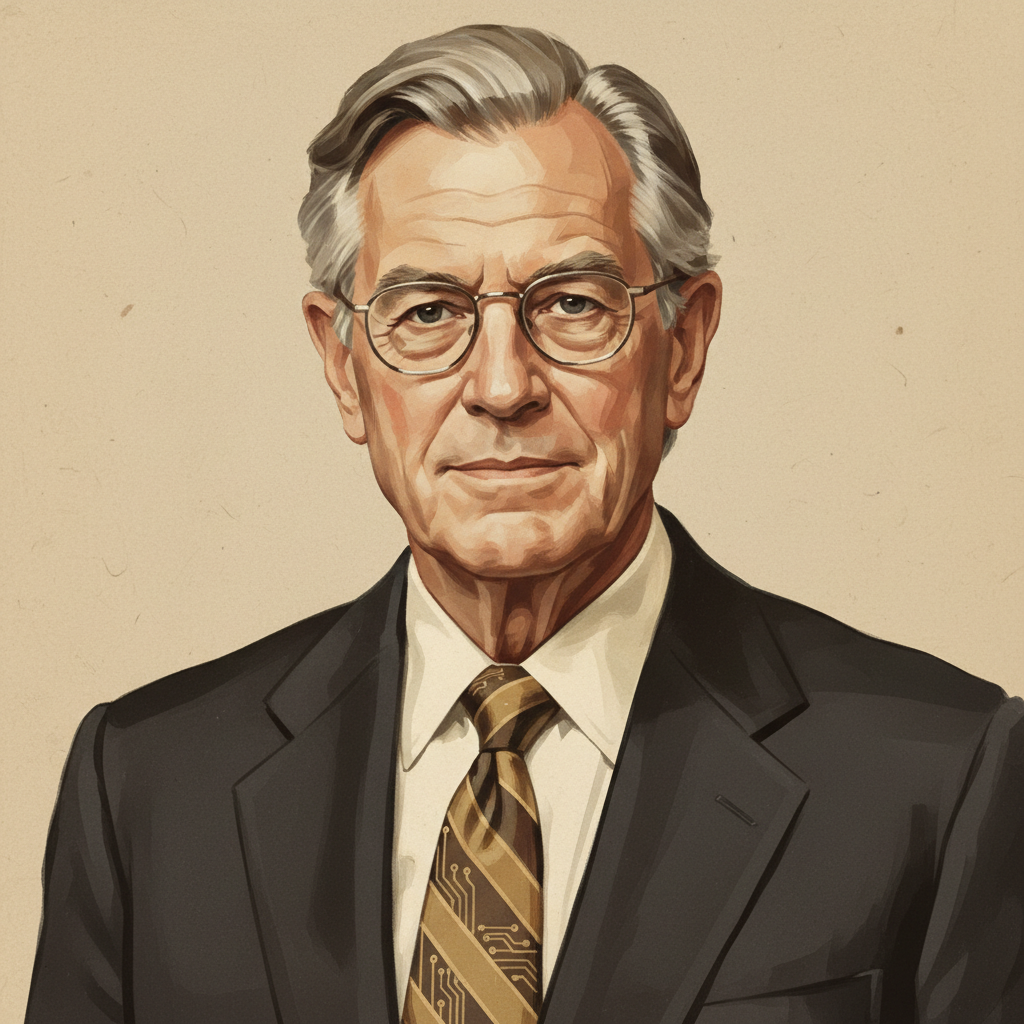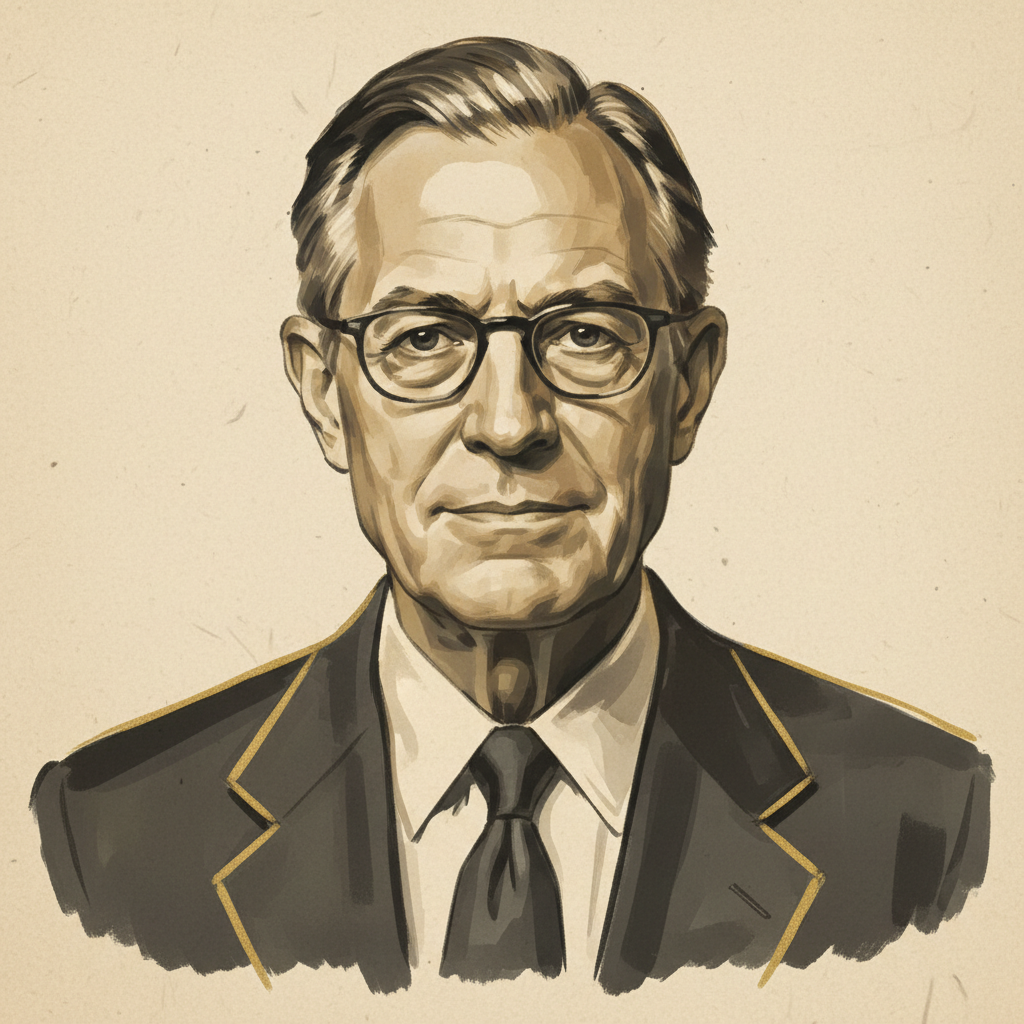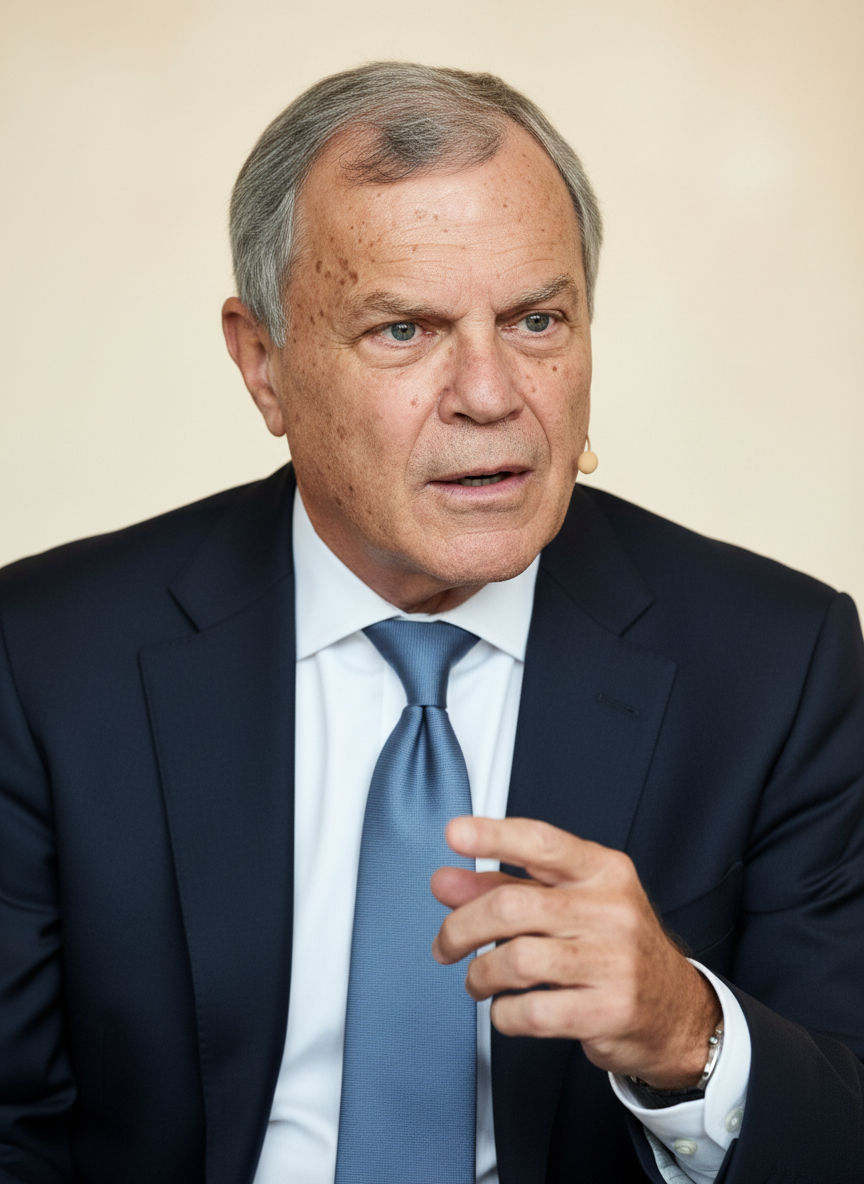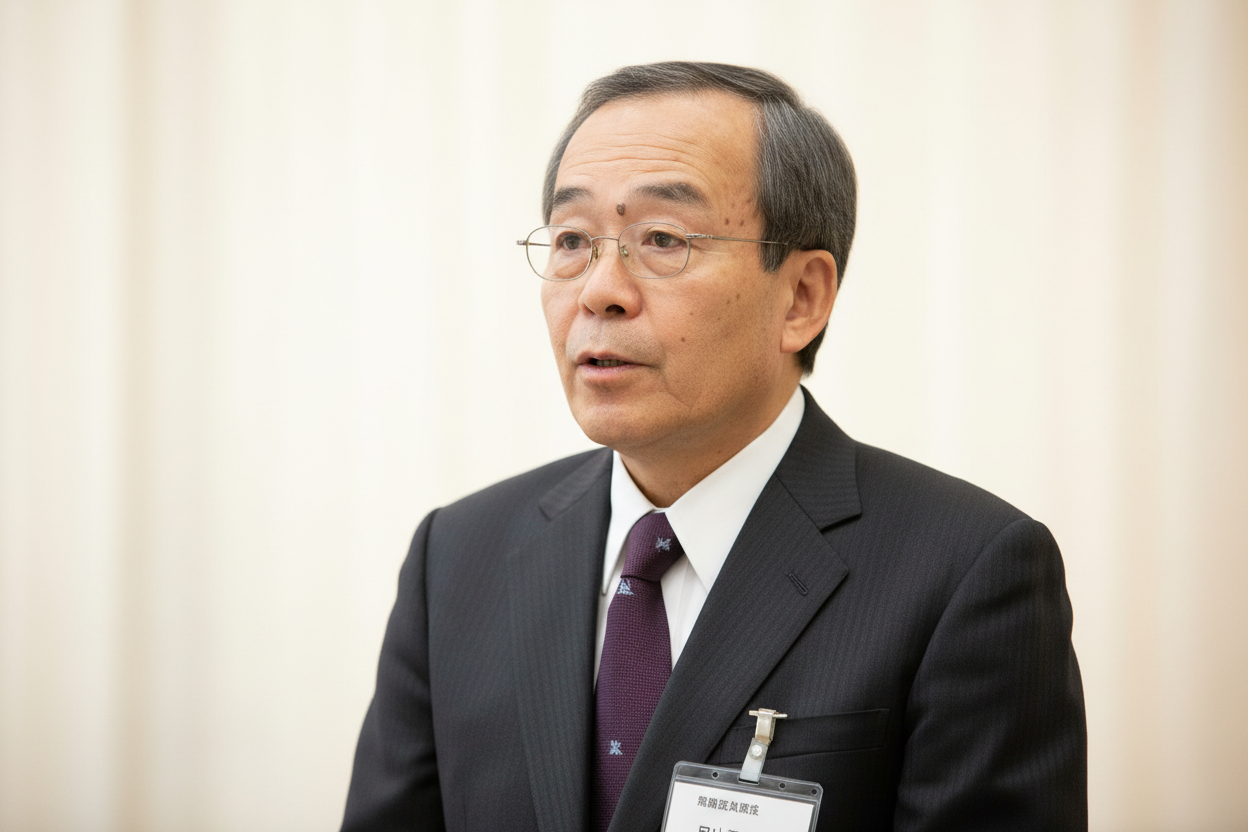
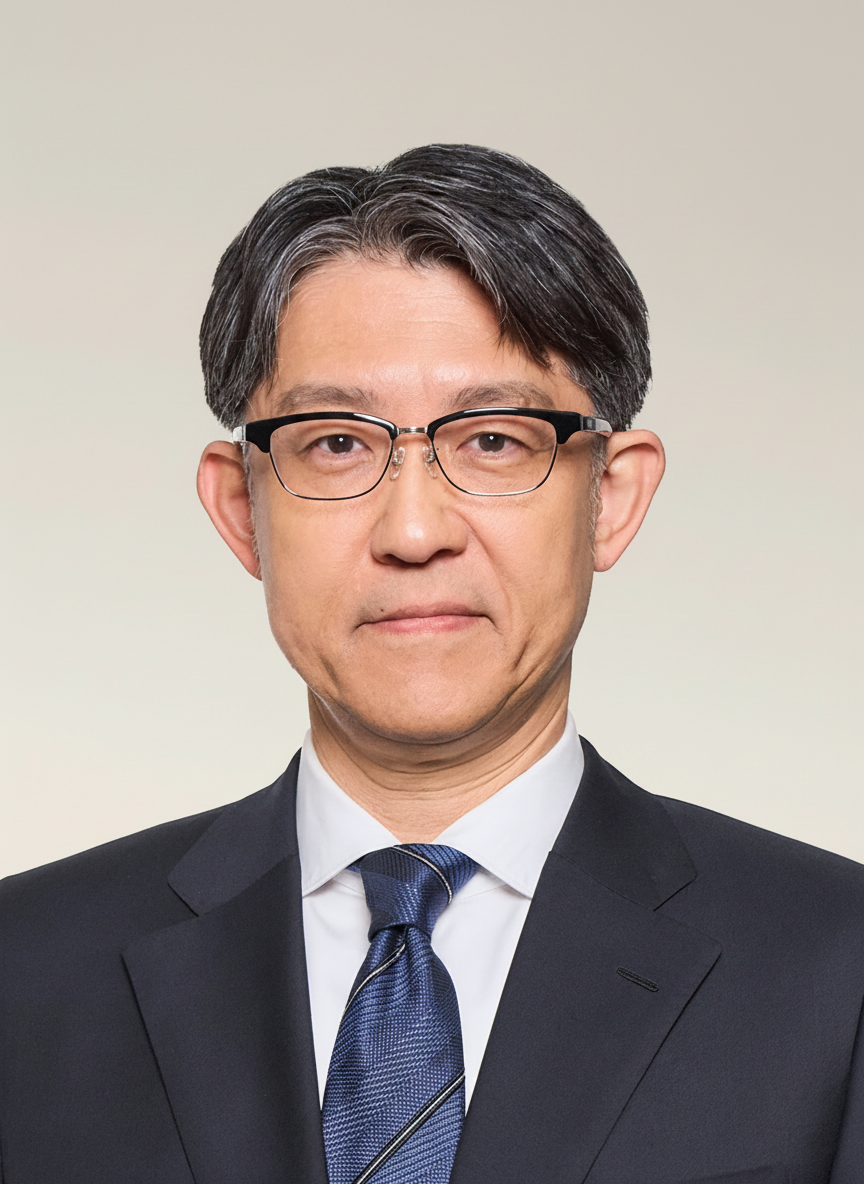
Takeshi Uchiyamada
The 'Father of the Prius,' whose engineering leadership transformed automotive propulsion and positioned Toyota as a leader in sustainable mobility.
Takeshi Uchiyamada is a Japanese engineer and business executive best known for leading the development of the Toyota Prius, the world's first mass-produced gasoline-electric hybrid car. His career at Toyota, spanning decades, culminated in his chairmanship of the company, where he continued to advocate for technological innovation and sustainable automotive solutions.
Biography
Accomplishments
- 01Led the development and launch of the Toyota Prius (1997), the world's first mass-produced hybrid electric vehicle, fundamentally altering the automotive industry's approach to fuel efficiency.
- 02Achieved an ambitious 50% fuel efficiency improvement target for the Prius over conventional vehicles of its class, significantly surpassing initial expectations.
- 03Successfully navigated immense internal and external skepticism to bring hybrid technology from a niche concept to a mainstream commercial success.
- 04Served as Chairman of the Board of Toyota Motor Corporation from 2013 to 2023, guiding strategic direction during a period of intense technological disruption in the automotive sector.
- 05Promoted continued investment in diverse powertrain technologies, including fuel cell electric vehicles (FCEVs) like the Toyota Mirai (2014), reinforcing Toyota's multi-pathway strategy for decarbonization.
Lessons for Operators
Key Takeaways
Practical lessons distilled for operators, investors, C-levels, and capital allocators.
Strategic Patience for Innovation
Uchiyamada's career exemplifies that breakthrough innovation doesn't always yield immediate, overwhelming market dominance. The Prius's success was built on sustained engineering effort and strategic patience over decades, which ultimately paid off in widespread adoption and market leadership in hybrid technology. Investors should recognize that transformative R&D often has longer maturation cycles.
Culture of Challenging the Status Quo
His ability to push the hybrid concept against significant internal resistance within Toyota demonstrates the importance of nurturing a culture where challenging established norms is not only tolerated but encouraged for long-term survival and competitiveness. Leaders must create avenues for 'unpopular' but potentially revolutionary ideas to flourish.
Engineering-Driven Leadership is Key for Deep Tech
Uchiyamada's ascension from lead engineer to Chairman highlights the value of deep technical expertise at the highest levels of a technology-intensive organization. His understanding of the underlying science and engineering challenges enabled him to make informed strategic decisions and maintain credibility with R&D teams.
Adaptability in Decarbonization
Toyota's continued emphasis on a diversified approach to decarbonization (hybrids, plug-in hybrids, fuel cells, battery electrics) under his influence, rather than betting solely on one technology, shows a pragmatic recognition of diverse global energy infrastructures and consumer needs. This 'all hands on deck' strategy mitigates market risk and expands optionality for future energy transitions.
Frameworks & Principles
Named frameworks and strategic principles they popularized or embodied.
Project G21 (Global 21st Century)
A clandestine, cross-functional project tasked with developing a highly fuel-efficient car for the 21st century. It operated with a small, dedicated team under strict deadlines and ambitious targets, ultimately producing the Toyota Prius.
When to useApplicable when a large established organization needs to innovate rapidly and disruptively, often requiring a 'skunkworks' approach to bypass traditional bureaucratic processes and focus intense resources on a single, high-stakes objective.
Multi-Pathway Decarbonization Strategy
Investing simultaneously in various powertrain technologies—such as hybrid electric, plug-in hybrid electric, battery electric, and fuel cell electric vehicles—rather than committing exclusively to one. This aims to meet diverse market demands and adapt to evolving energy infrastructure and regulatory environments.
When to useSuitable for industries facing significant technological transitions or regulatory uncertainty, where committing to a single dominant technology is risky. It allows for flexibility, hedging against future unknowns, and catering to a broader customer base with varying needs and access to infrastructure.
Engineer-to-Chairman Progression
A career path where deep technical expertise and engineering leadership are recognized as foundational for ascending to the highest executive positions, including Chairman of the Board. This emphasizes the value of domain-specific knowledge in strategic decision-making.
When to useRelevant for technology-driven companies where product innovation and R&D are core competitive advantages. Prioritizing leaders with a strong engineering background ensures that strategic vision is grounded in technical feasibility and long-term product development capabilities.
Sources & Further Reading
Profiles, interviews, podcasts, and articles used to compile and verify this entry. Each link opens at the original publisher.
Explore Related Titans
Other figures in the archive who share Takeshi Uchiyamada's domain, geography, or era.
More in Transportation & Logistics






From Japan


Contemporaries — born 1940s