Bernard Arnault
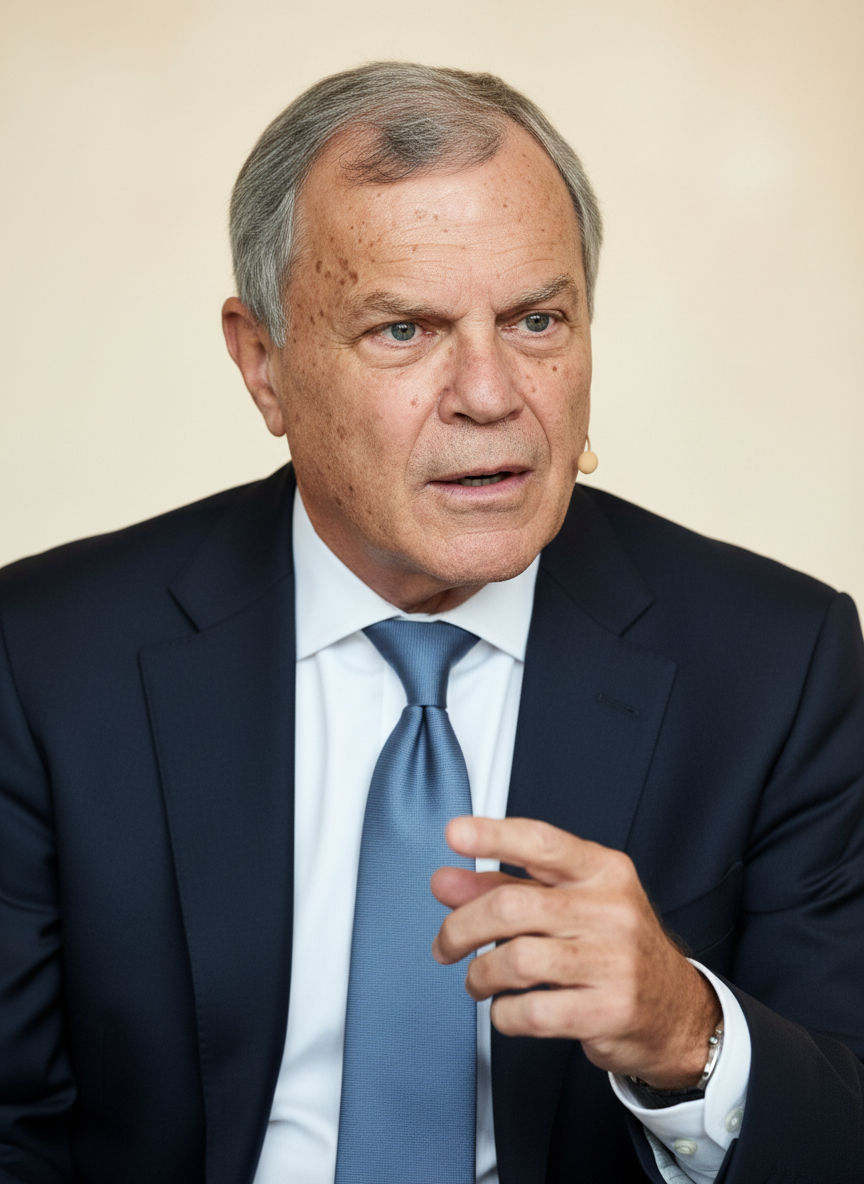
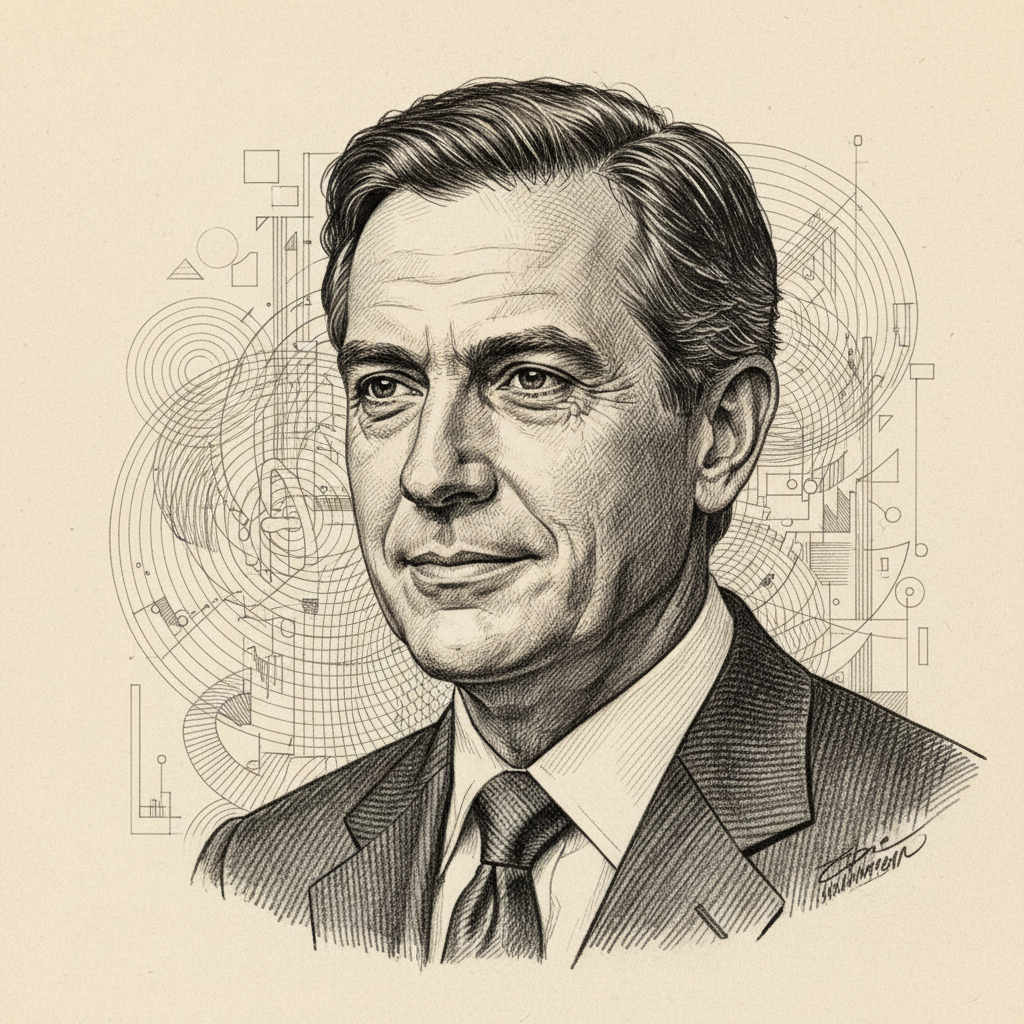
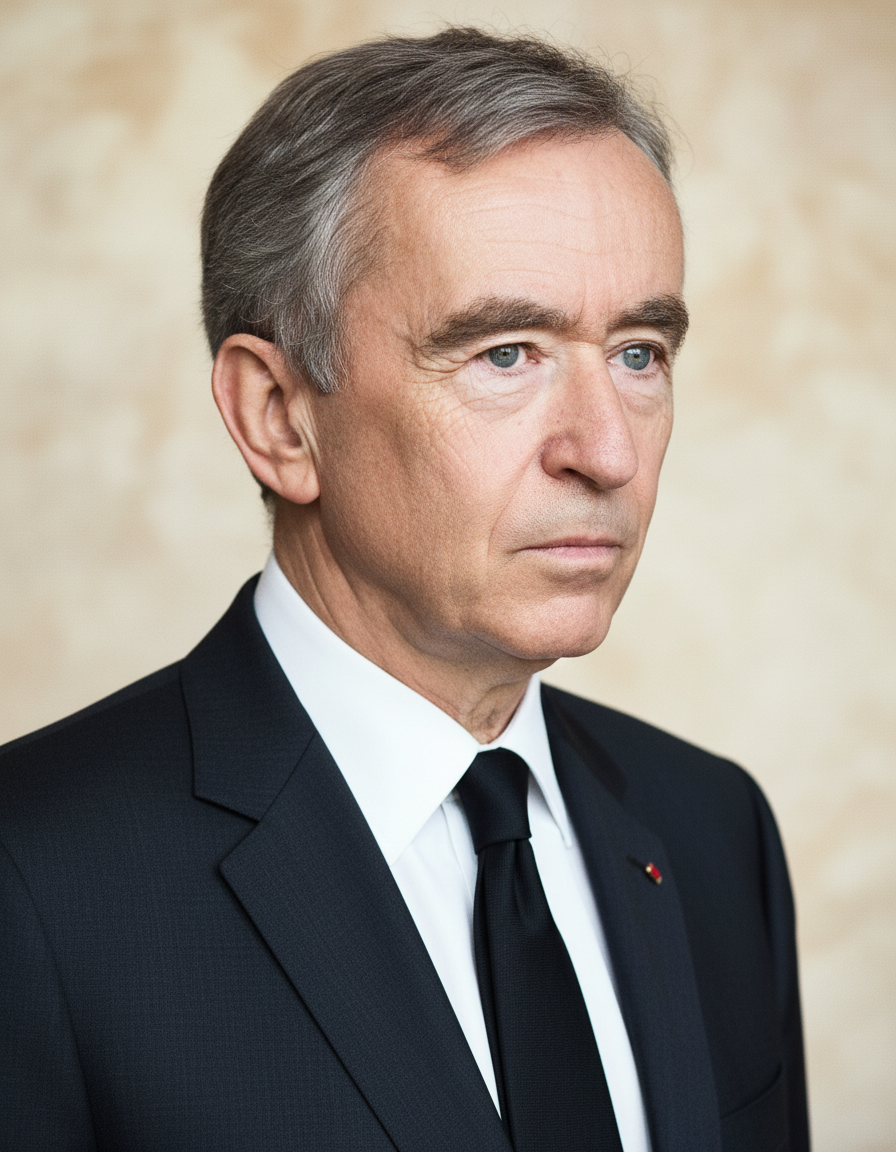
The architect of modern luxury, Bernard Arnault transformed LVMH into the world's leading luxury conglomerate.
Bernard Arnault is a French businessman and investor, primarily known as the chairman and chief executive of LVMH Moët Hennessy Louis Vuitton, the world's largest luxury goods company. He built his empire through a series of shrewd acquisitions and strategic integration, transforming disparate brands into a cohesive, globally dominant portfolio.
Biography
Accomplishments
- 01Acquired Boussac Saint-Frères in 1984, specifically targeting and retaining Christian Dior, initiating his foray into luxury.
- 02Engineered the hostile takeover and consolidation of LVMH Moët Hennessy Louis Vuitton between 1987-1989, securing chairmanship and CEO roles.
- 03Integrated over 75 renowned luxury brands into LVMH, including Givenchy, Fendi, Bulgari, and Tiffany & Co., creating the world's largest luxury conglomerate.
- 04Achieved global market leadership across diverse luxury segments, consistently outperforming competitors through strategic brand management and expansion.
- 05Spearheaded LVMH's digital transformation and e-commerce initiatives, ensuring luxury brands maintained relevance in a changing retail landscape.
- 06Cultivated a unique operational model that balances centralized financial control with decentralized creative autonomy for individual brands, fostering innovation and brand integrity.
Lessons for Operators
Key Takeaways
Practical lessons distilled for operators, investors, C-levels, and capital allocators.
The Power of Aggregation
Arnault's success showcases that aggregating disparate, high-value brands under a single, well-managed operational and financial structure can create disproportionate market power and synergy. For private equity or strategic acquirers, this implies looking beyond single-asset plays to platform opportunities.
Strategic Unbundling and Rebundling
His initial move with Boussac demonstrates the strategic power of acquiring a conglomerate, divesting non-core assets, and then focusing intensely on the valuable core. This 'unbundle-rebundle' strategy can unlock significant shareholder value.
Culture of Ownership and Accountability
While centrally managed, Arnault empowers individual brand leaders. This structure fosters a strong sense of ownership and accountability, crucial for maintaining brand authenticity and agility across a vast empire. Allocate capital and responsibility to those closest to the brand.
Perpetual Acquisition Machine
LVMH's sustained growth is partially due to its continuous, disciplined acquisition strategy. This highlights that M&A can be a core competency and driver of long-term value, not just an opportunistic event. Maintain a pipeline and integrate systematically.
Brand as a Capital Asset
Arnault treats brands as long-term capital assets requiring constant investment, protection, and enhancement. Valuation and investment decisions should reflect the enduring, often exponential value of strong brands, which appreciate with careful stewardship.
Frameworks & Principles
Named frameworks and strategic principles they popularized or embodied.
Arnault's Luxury Brand Conglomerate Model
This framework involves acquiring and integrating multiple luxury brands across diverse categories (e.g., fashion, jewelry, spirits) under a centralized financial and strategic umbrella. It emphasizes maintaining distinct brand identities and creative autonomy for each brand while benefiting from group synergies in areas like supply chain, retail infrastructure, and marketing leverage.
When to useApplicable for investors and operators seeking to dominate a premium market segment by consolidating strong, distinct brands. It is particularly effective when economies of scale exist in back-office functions and distribution, but brand uniqueness is paramount for customer appeal.
Heritage-Driven Modernization Strategy
A strategy focused on preserving the historical legacy and craftsmanship of luxury brands while simultaneously investing heavily in modernizing retail experiences (online and offline), expanding into new geographic markets, and engaging contemporary consumers through relevant marketing. It's about respecting the past to build the future.
When to useUseful for brands or businesses with significant historical equity that need to remain relevant and competitive in a fast-evolving market. It requires balancing reverence for tradition with aggressive innovation and digital adoption.
Hostile Takeover as a Growth Catalyst
This involves actively identifying and pursuing control of target companies, even against management's wishes, to unlock perceived value or achieve strategic objectives. Arnault famously used this tactic with LVMH to establish control.
When to useRarely employed due to complexity and potential reputational risk, but can be considered by well-capitalized, decisive investors when significant underlying value is locked within poorly managed or internally conflicted entities, and traditional negotiations are unlikely to succeed.
Recent Appearances
Latest interviews, keynotes, and press from the past half year.
 youtube.com
 youtube.com
 youtube.com
 youtube.com
 youtube.com
 youtube.com
 youtube.com
 youtube.com
 youtube.com
 youtube.com
 youtube.com
 youtube.com
 youtube.com
 youtube.com
 youtube.com
 youtube.com
 youtube.com
 youtube.com
 youtube.com
 youtube.com
 youtube.com
 youtube.com
 youtube.com
 youtube.com
 youtube.com
 youtube.com
 youtube.comyoutube.com
 youtube.com
 youtube.com
 youtube.com
 youtube.com
 youtube.com
 youtube.com
 youtube.com
 youtube.com
 youtube.comyoutube.com
 youtube.com
 youtube.com
 youtube.com
 youtube.com
 youtube.com
 youtube.com
 youtube.com
 youtube.com
 youtube.com
 youtube.com
 youtube.com
 youtube.com
 youtube.com
 youtube.com
 youtube.com
 youtube.com
 youtube.com
 youtube.com
 youtube.com
 youtube.com
 youtube.com
 youtube.com
 youtube.com
 youtube.com
 youtube.com
 youtube.com
 youtube.com
 youtube.com
 youtube.com
 youtube.com
 youtube.com
 youtube.com
 youtube.com
 youtube.com
 youtube.com
 youtube.com
 youtube.com
 youtube.com
 youtube.com
 youtube.com
 youtube.com
 youtube.com
 youtube.com
 youtube.com
 youtube.com
 youtube.com
 youtube.com
 youtube.com
 youtube.com
 youtube.com
 youtube.com
 youtube.com
 youtube.com
 youtube.com
 youtube.com
 youtube.com
 youtube.com
 youtube.com
 youtube.com
 youtube.com
 youtube.com
 youtube.com
 youtube.com
 youtube.com
 youtube.com
 youtube.com
 youtube.com
 youtube.com
 youtube.com
 youtube.com
 youtube.com
 youtube.com
 youtube.com
 youtube.com
 m.youtube.com
 youtube.com
 youtube.com
 youtube.com
 youtube.com
 youtube.com
 youtube.com
 youtube.com
 youtube.com
 youtube.com
 youtube.com
 youtube.com
 youtube.com
 youtube.com
 youtube.com
 youtube.com
 youtube.com
 youtube.com
 youtube.com
Sources & Further Reading
Profiles, interviews, podcasts, and articles used to compile and verify this entry. Each link opens at the original publisher.
Explore Related Titans
Other figures in the archive who share Bernard Arnault's domain, geography, or era.
More in Consumer & Retail
From France

Contemporaries — born 1940s