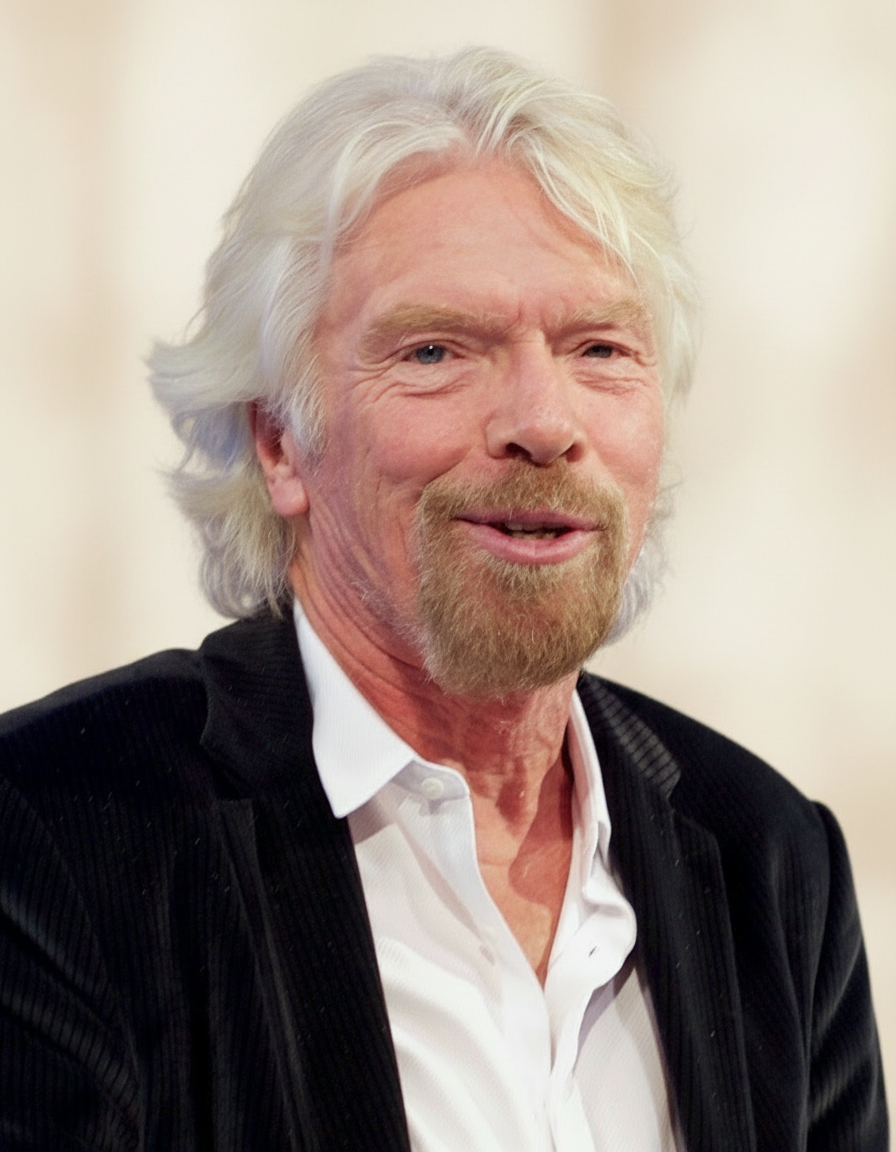
Paul Polman
The architect of purpose-driven capitalism and sustainable business transformation at Unilever.
Paul Polman is a Dutch business executive who served as the Chief Executive Officer of Unilever from 2009 to 2018. He is widely recognized for his pioneering leadership in integrating sustainability into the core business strategy, shifting the company's focus from short-term financial gains to long-term value creation through the 'Unilever Sustainable Living Plan.'
Biography
Accomplishments
- 01Implemented the 'Unilever Sustainable Living Plan' (USLP) in 2010, which aimed to decouple growth from environmental impact and increase positive social contributions, leading to significant advances in sustainable sourcing and water/waste reduction.
- 02Eliminated quarterly earnings guidance upon becoming CEO in 2009, a bold move to redirect focus from short-term investor demands to long-term strategic value creation.
- 03Grew Unilever's sales from approximately €40 billion in 2009 to over €50 billion by 2018, with sales of sustainable living brands outpacing overall company growth.
- 04Successfully defended against a hostile takeover bid from Kraft Heinz in 2017, reinforcing Unilever's long-term strategy and independence.
- 05Co-founded 'The B Team' in 2012 with Richard Branson, a global initiative to accelerate business's commitment to social and environmental responsibility.
- 06Championed initiatives like the 'Global Commission on the Economy and Climate' and served as a member of the 'High-Level Panel of Eminent Persons on the Post-2015 Development Agenda' for the United Nations.
Lessons for Operators
Key Takeaways
Practical lessons distilled for operators, investors, C-levels, and capital allocators.
Long-Term Value Creation
Polman demonstrated that decoupling from short-term financial pressures and focusing on long-term societal and environmental value creation leads to superior and more resilient business performance. This requires executive courage and investor education.
Sustainability as a Growth Driver
Sustainability is not merely a cost center or compliance burden, but a powerful engine for innovation, brand differentiation, consumer loyalty, and market share gains. Brands with purpose resonate more deeply with modern consumers.
Leadership Beyond the Company Walls
True systemic change requires leaders to engage actively in global dialogues, advocate for policy shifts, and collaborate with diverse stakeholders. A CEO's influence extends far beyond their organizational boundaries.
Purpose-Driven Culture
Embedding a clear purpose throughout the organization fosters employee engagement, attracts top talent, and aligns decision-making at all levels, leading to more cohesive and impactful execution.
Resilience in the Face of Pressure
Successfully resisting a hostile takeover allowed Unilever to maintain its strategic direction and demonstrate the commitment of its board and management to its unique business model. This highlights the importance of strong governance and conviction.
Frameworks & Principles
Named frameworks and strategic principles they popularized or embodied.
Unilever Sustainable Living Plan (USLP)
A comprehensive strategic framework integrating social, environmental, and economic goals into the core business model. It focused on improving health and well-being, reducing environmental impact, and enhancing livelihoods.
When to useApplicable for large enterprises seeking to embed sustainability as a central pillar of their long-term growth strategy, measure holistic impact, and differentiate brands through purpose.
Stakeholder Capitalism Model
An approach that prioritizes satisfying the needs of all stakeholders – customers, employees, suppliers, communities, and shareholders – rather than solely maximizing shareholder value. Polman's tenure exemplified this through various initiatives.
When to useRelevant for leaders aiming to build more resilient and ethical businesses by fostering long-term relationships and shared value creation across their entire ecosystem.
Purpose-Driven Brand Strategy
Developing and marketing brands based on a clear societal or environmental purpose, leveraging this purpose to connect with consumers, drive innovation, and foster loyalty.
When to useEffective for marketing and product development teams looking to enhance brand equity, capture evolving consumer preferences, and create stronger emotional connections with their target audience through authentic purpose.
Sources & Further Reading
Profiles, interviews, podcasts, and articles used to compile and verify this entry. Each link opens at the original publisher.
Explore Related Titans
Other figures in the archive who share Paul Polman's domain, geography, or era.
More in Consumer & Retail





From Netherlands





Contemporaries — born 1950s