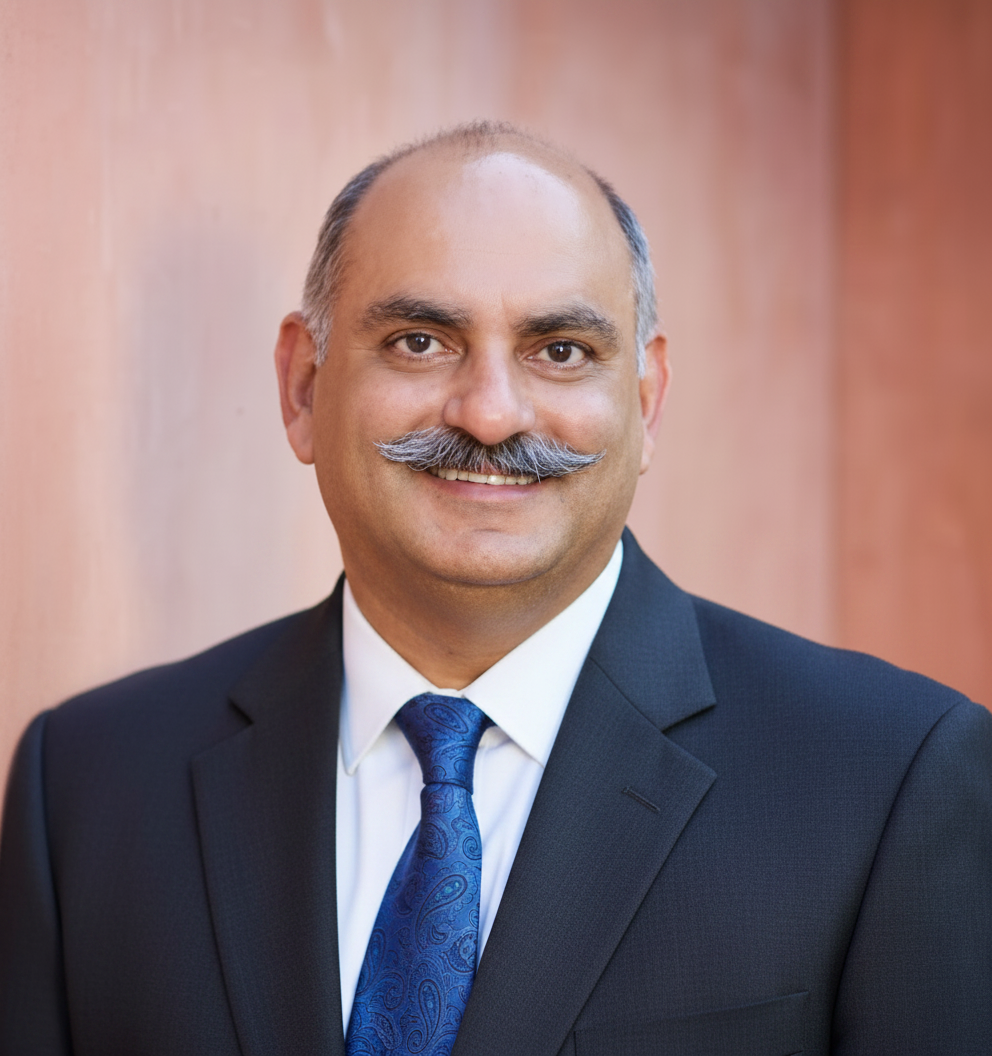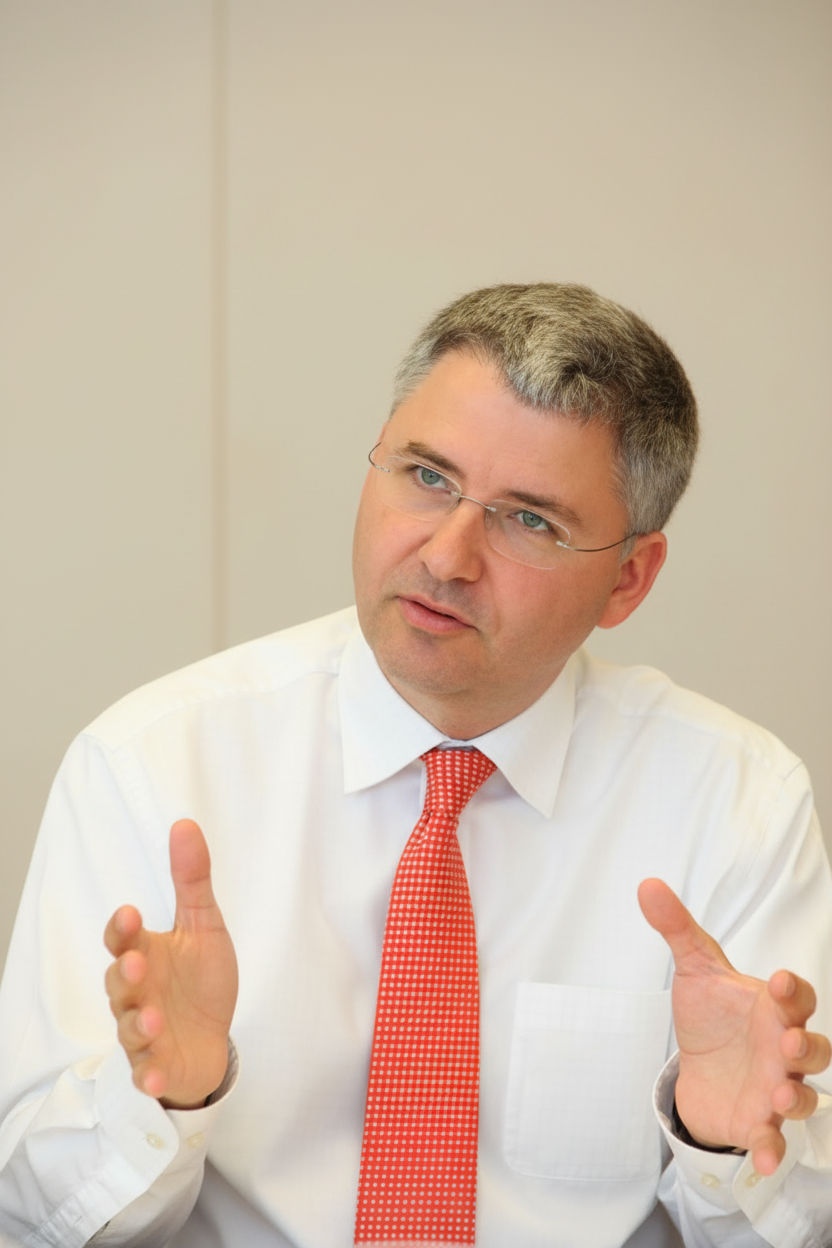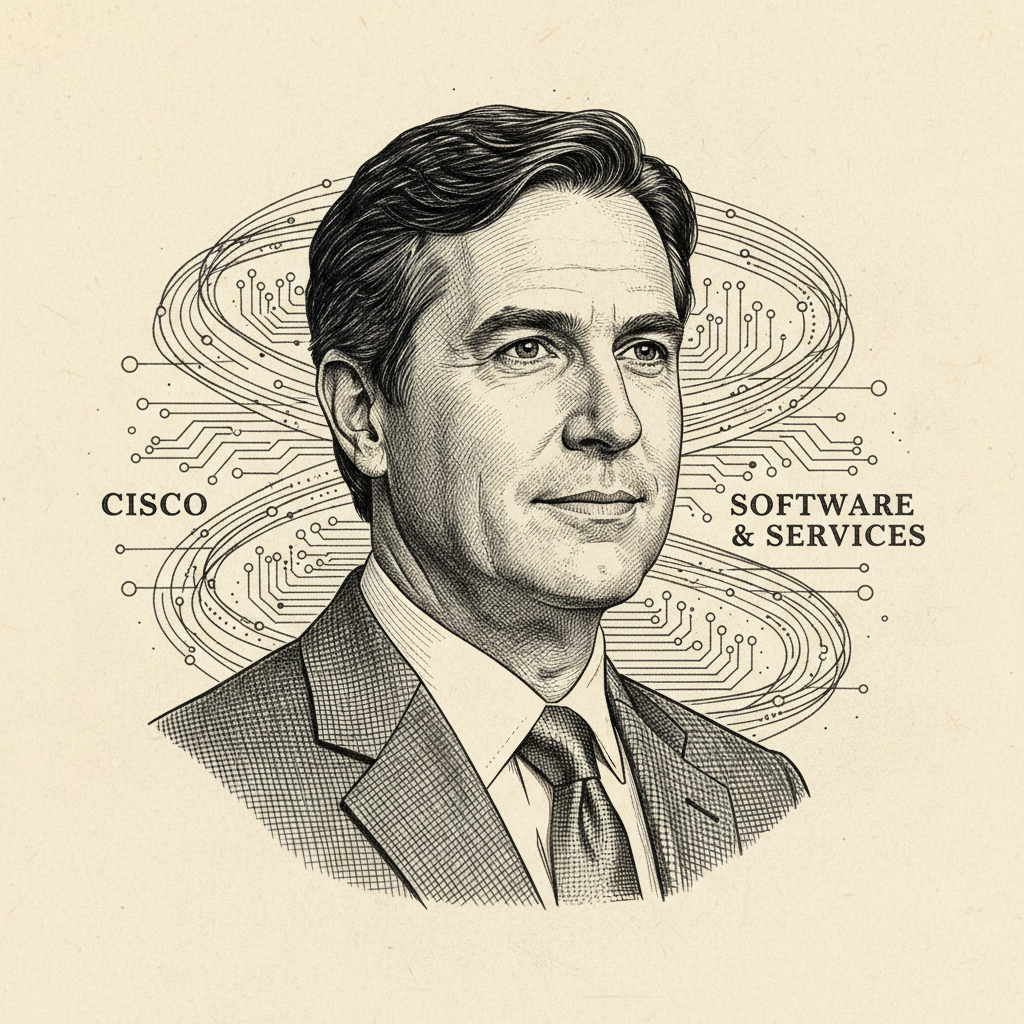
Frans van Houten
Architect of Philips' transformation from diversified conglomerate to focused health technology leader.
Frans van Houten led Royal Philips' strategic pivot from a diversified electronics conglomerate to a health technology pure-play. His tenure, from 2011 to 2022, was marked by significant divestitures, targeted acquisitions, and a reorientation towards professional healthcare and consumer health solutions, driving enhanced value through focused innovation and digital transformation.
Biography
Accomplishments
- 01Orchestrated the strategic transformation of Royal Philips from a diversified consumer electronics and lighting conglomerate into a focused health technology company (2011-2022).
- 02Successfully executed the spin-off of Philips Lighting (now Signify) in 2016, unlocking significant shareholder value and allowing the core company to concentrate on healthcare.
- 03Divested the Philips Television (2012) and Audio (2014) businesses, streamlining operations and reducing exposure to low-margin consumer electronics markets.
- 04Drove significant acquisitions in health technology, including Volcano Corporation (2015) for advanced imaging and therapy, and BioTelemetry (2021) for remote patient monitoring, expanding Philips' diagnostic and connected care capabilities.
- 05Led the shift towards a solutions-oriented and recurring revenue model within health technology, emphasizing connected care, precision diagnosis, and personalized health.
- 06Achieved substantial R&D investment and innovation in digital health, AI, and data analytics, positioning Philips as a leader in integrated health technology solutions.
Lessons for Operators
Key Takeaways
Practical lessons distilled for operators, investors, C-levels, and capital allocators.
Conglomerate Discount Elimination
Eliminating the 'conglomerate discount' by divesting non-core assets allows investors to value the remaining, focused entity more accurately and often at a higher multiple. Philips' stock performance post-lighting spin-off reflected this.
Purpose-Driven Reorientation
A clear, purpose-driven mission (health technology) can galvanize an organization through extensive change, providing a north star for innovation and operational decisions, even if it means shedding traditional revenue streams.
Integrated Solutions over Products
The shift from selling standalone products to providing integrated, connected solutions (e.g., patient monitoring systems, digital pathology) drives higher customer stickiness, recurring revenue, and competitive advantage in modern markets.
M&A for Capability Building
Strategic acquisitions are most effective when they fill specific technological or market gaps, enhancing existing capabilities rather than just acquiring revenue. Volcano (interventional diagnostics) and BioTelemetry (remote cardiac monitoring) are prime examples for Philips.
Culture and Leadership Alignment
Transformative change requires consistent leadership communication and a concerted effort to align organizational culture, talent, and incentives with the new strategic direction, fostering buy-in at all levels.
Frameworks & Principles
Named frameworks and strategic principles they popularized or embodied.
Portfolio Rationalization & Strategic Focus
Analyzing and divesting non-core business units to concentrate resources on high-growth, high-margin areas aligned with a new strategic vision. This liberates capital and management attention.
When to useWhen a company suffers from a 'conglomerate discount,' has disparate business units with limited synergies, or needs to aggressively re-position for future market opportunities.
Inside-Out Innovation & External Acquisition
Balancing organic R&D investment with strategic external acquisitions to quickly build capabilities and market share in key technology domains. This allows for both foundational and accelerated growth.
When to useWhen operating in rapidly evolving industries where time-to-market is crucial and internal development alone cannot meet strategic objectives or competitive pressures.
Solutions-Oriented Business Model Transformation
Shifting from a product-centric sales approach to delivering integrated solutions that address broader customer problems, often involving services, software, and recurring revenue models.
When to useWhen markets are maturing, customers demand more comprehensive value, or competitors are bundling offerings; it enables deeper customer relationships and higher lifetime value.
Sources & Further Reading
Profiles, interviews, podcasts, and articles used to compile and verify this entry. Each link opens at the original publisher.
Explore Related Titans
Other figures in the archive who share Frans van Houten's domain, geography, or era.
More in Technology








From Netherlands




Contemporaries — born 1960s