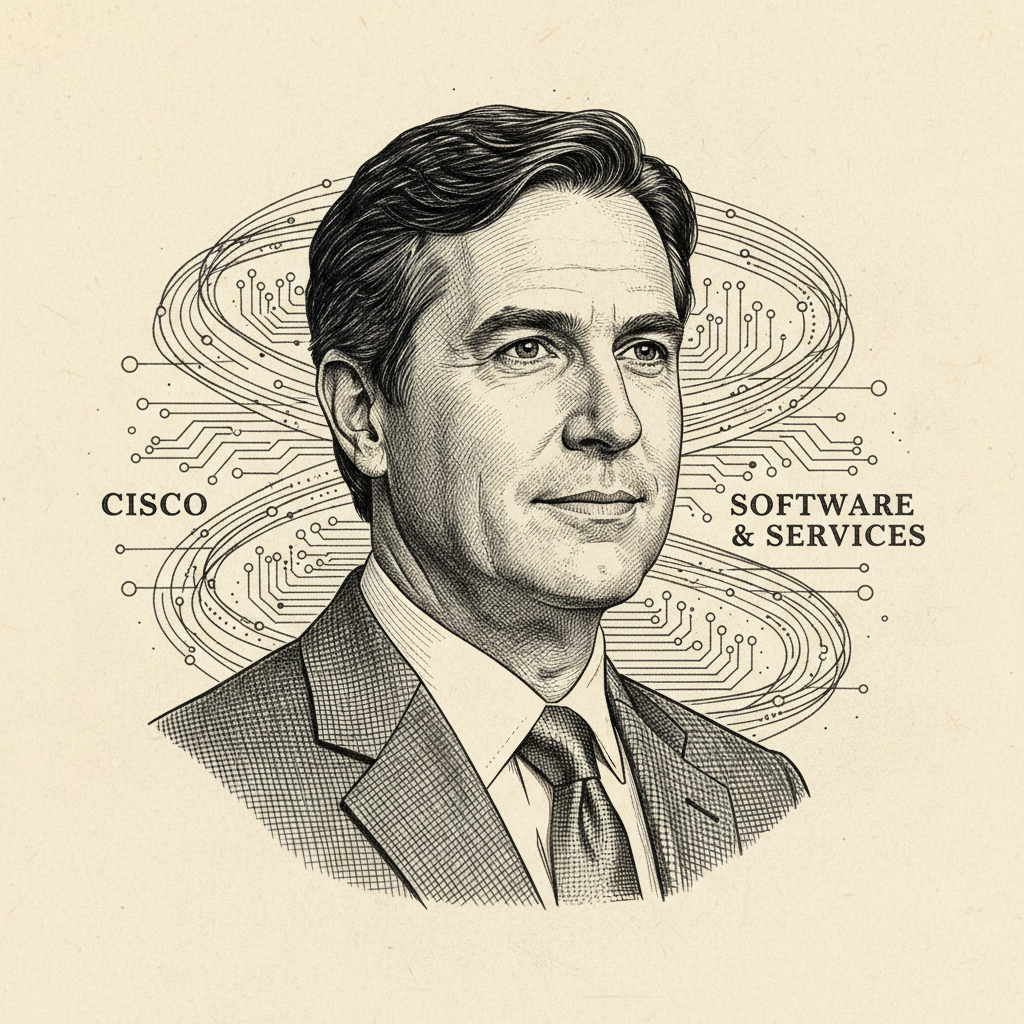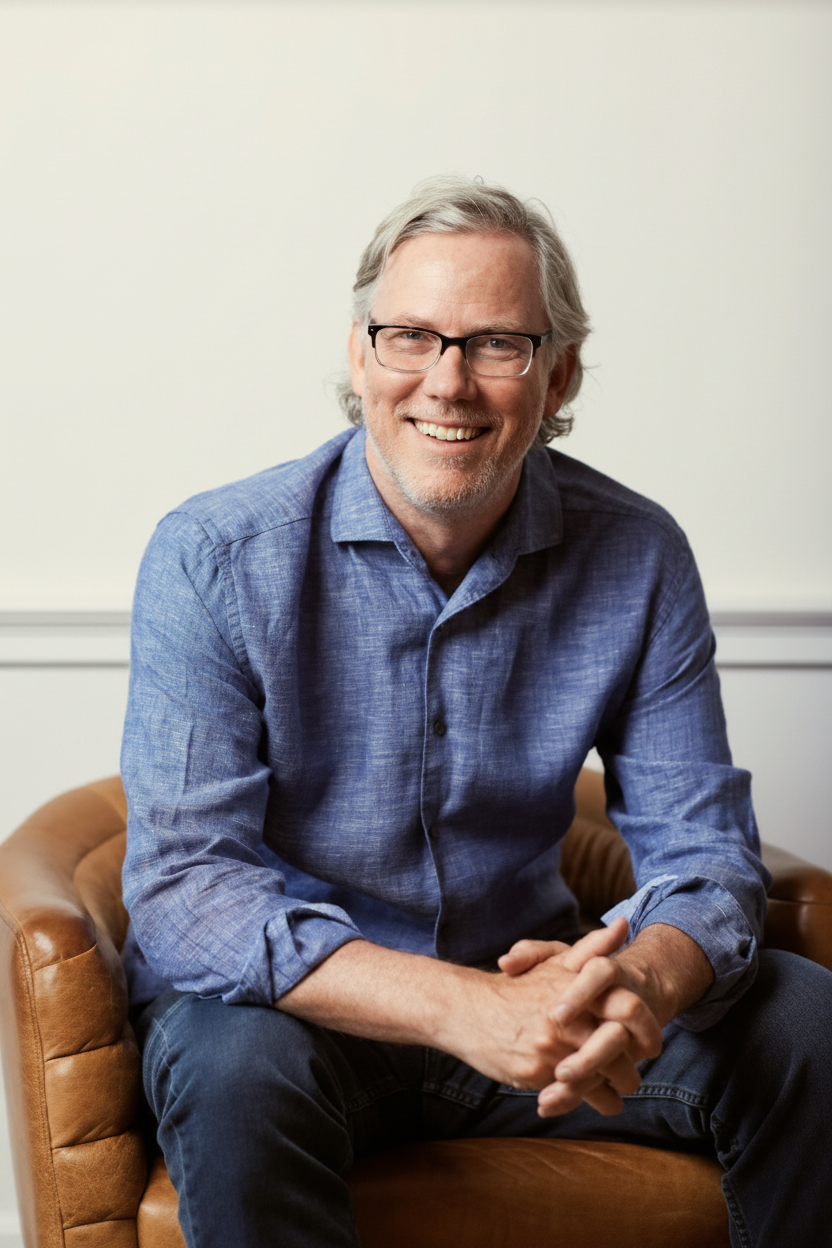
Jean-Marc Huët
Financial architect and strategic leader known for transforming global consumer goods and technology companies.
Jean-Marc Huët is a Dutch finance executive recognized for his impactful CFO roles at Unilever and Bristol Myers Squibb, and his strategic board leadership at companies like Heineken and Booking Holdings. He is noted for driving financial performance, capital allocation, and M&A activities in complex global organizations.
Biography
Accomplishments
- 01Served as CFO of Unilever (2010-2015), overseeing financial strategy for a global consumer goods giant with €50+ billion in annual revenue, driving efficiency and capital allocation.
- 02Led financial operations as CFO of Bristol Myers Squibb (2003-2010), contributing to strategic portfolio restructuring, including significant M&A activities in the pharmaceutical sector.
- 03Appointed Chairman of the Supervisory Board of Heineken N.V. in 2014, guiding the board and company through strategic shifts in the global beverage industry.
- 04Played a key role in the Audit Committee of Booking Holdings Inc. (since 2012), contributing to the financial oversight and strategic direction of a leading global online travel company.
- 05Managed robust financial control and reporting at two S&P 500 companies, ensuring compliance and transparency in complex regulatory environments.
- 06Guided investor relations and communication strategies for publicly traded companies, fostering strong relationships with institutional investors and analysts.
Lessons for Operators
Key Takeaways
Practical lessons distilled for operators, investors, C-levels, and capital allocators.
Strategic CFO Leadership
The CFO is not merely a financial guardian but a strategic architect. Huët demonstrated this by actively shaping portfolio strategy, M&A decisions, and capital allocation at global corporations, directly influencing long-term value creation.
Portfolio Management Expertise
Understanding when to acquire, when to divest, and how to optimize a diverse business portfolio is crucial. His experience with complex carve-outs and strategic growth investments highlights the importance of dynamic portfolio management for sustained competitive advantage.
Governance through Non-Executive Roles
Transitioning to chairman and non-executive director roles allows seasoned executives to apply their deep operational knowledge to guide strategic direction and robust governance, benefiting a wider array of companies and industries.
Global Perspective
Operating at the highest levels of multinational corporations like Unilever and Heineken, Huët brings a truly global lens to financial strategy, market entry, and risk management, essential in today's interconnected economy.
Financial Discipline as a Growth Enabler
His approach consistently links rigorous financial discipline and cost management not just to profitability, but as a mechanism to fund innovation, drive market expansion, and unlock shareholder value.
Frameworks & Principles
Named frameworks and strategic principles they popularized or embodied.
Strategic Capital Deployment Model
A structured approach to evaluating investment opportunities, allocating capital based on strategic priorities, and tracking Return on Invested Capital (ROIC). This involves a clear hierarchy for capital allocation: reinvestment in core business, strategic organic growth, M&A, and shareholder returns.
When to useWhen making significant investment decisions, evaluating M&A targets, divesting non-core assets, or setting annual budget priorities for an enterprise or substantial business unit.
Portfolio Optimization & Review (POR)
A cyclical process for continuously assessing the performance and strategic fit of all businesses or product lines within an organization's portfolio. It often involves 'build, hold, harvest, divest' strategies for different segments.
When to useFor C-levels and fund managers seeking to rationalize and optimize their investment or business portfolio, particularly in dynamic industries, to ensure focus on high-growth, high-margin opportunities.
CFO as Strategic Partner Model
This framework positions the CFO beyond traditional financial reporting, making them an integral part of strategic planning, M&A due diligence, and risk management alongside the CEO and operational heads. It emphasizes proactive financial forecasting and scenario planning to support strategic decisions.
When to useApplicable for CFOs and executive teams aiming to elevate the finance function from a support role to a core strategic driver, particularly during periods of significant growth, transformation, or market disruption.
Explore Related Titans
Other figures in the archive who share Jean-Marc Huët's domain, geography, or era.
More in Technology



From Netherlands
Contemporaries — born 1960s