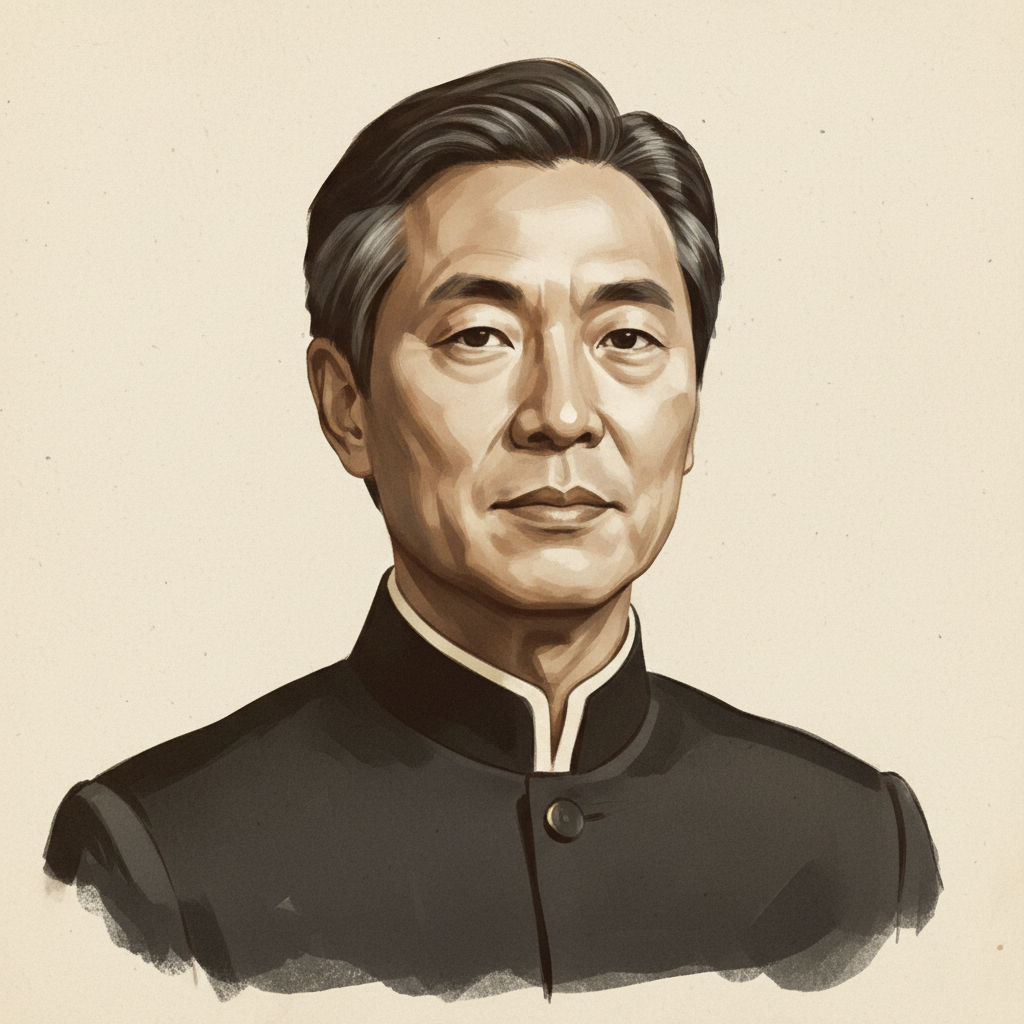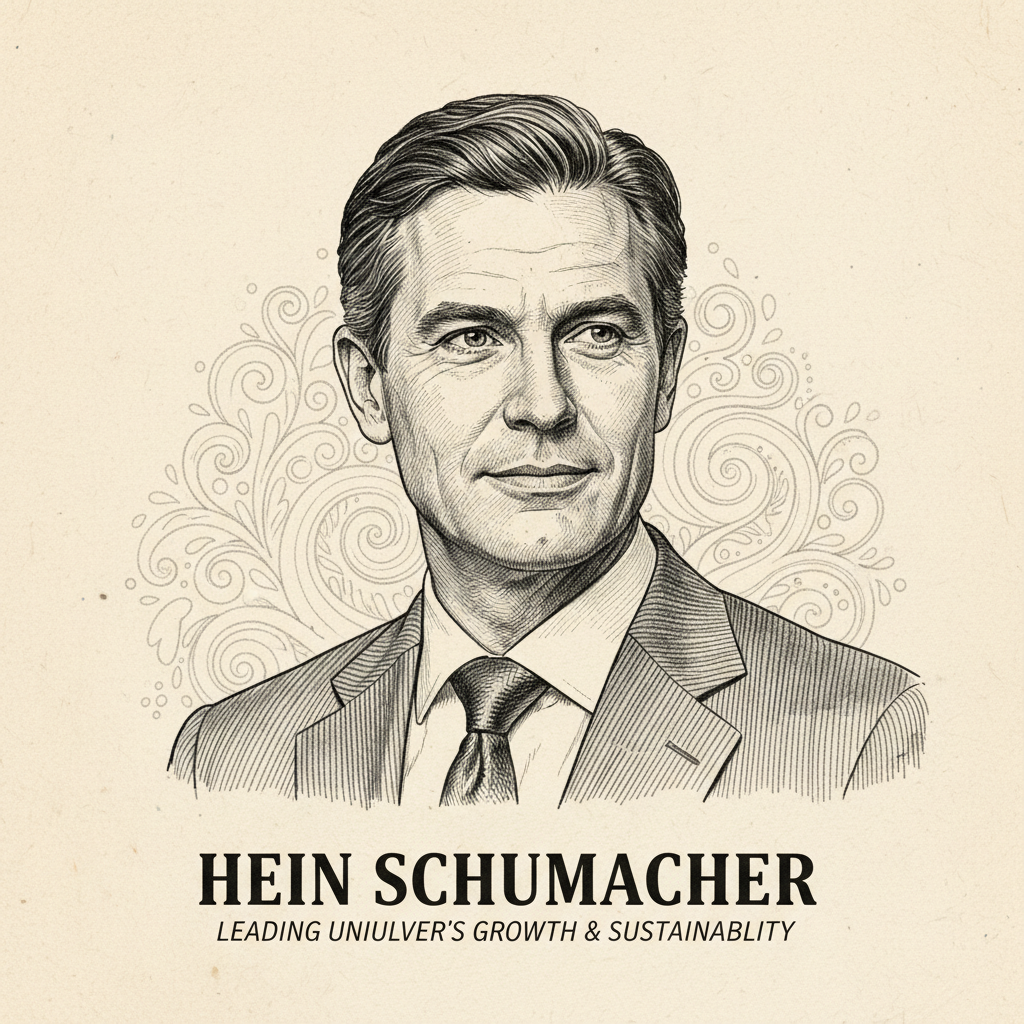
Hein Schumacher
Architect of Focus and Performance in Global Consumer Goods
Hein Schumacher is a Dutch business executive known for his leadership roles in global food and dairy, culminating in his appointment as CEO of Unilever in July 2023. He previously served as CEO of Royal FrieslandCampina, where he significantly restructured the organization and improved profitability.
Biography
Accomplishments
- 01Appointed CEO of Unilever, a global consumer goods giant, effective July 2023, succeeding Alan Jope and signaling a new strategic direction for the company.
- 02Led Royal FrieslandCampina as CEO from 2018 to 2023, where he orchestrated a significant strategic transformation, streamlining operations and improving financial performance through portfolio optimization and efficiency drives.
- 03Served as CFO and COO of Royal FrieslandCampina prior to his CEO appointment, demonstrating a comprehensive understanding of the business from financial strategy to operational execution.
- 04Held various senior leadership roles at H.J. Heinz Company for over a decade, including CFO for Heinz Europe, gaining extensive international experience in brand management and financial leadership across diverse markets (US, Europe, Asia).
- 05Successfully navigated FrieslandCampina through market volatility and increased competition, strengthening its position in key dairy markets while ensuring sustainable returns for its member farmers.
Lessons for Operators
Key Takeaways
Practical lessons distilled for operators, investors, C-levels, and capital allocators.
Strategic Focus
Schumacher's track record indicates a strong propensity for narrowing focus on high-potential segments and divesting non-core assets. For any business, regularly auditing the portfolio for strategic fit and profitability is critical for sustained growth.
Execution Discipline
Beyond strategy, Schumacher emphasizes rigorous execution and operational excellence. Organizations must develop robust tracking mechanisms and accountability frameworks to ensure strategic plans are translated into measurable results and efficiency gains.
Phased Leadership Integration
His onboarding at Unilever, starting as a Non-Executive Director before full CEO assumption, highlights a best practice for high-stakes leadership transitions. This allows for deep immersion and alignment before taking the helm, minimizing disruption.
Financial Acumen as a Competitive Edge
Schumacher's CFO background underpins his strategic decisions. Leaders with strong financial literacy can better identify value creation opportunities, manage risk, and communicate performance effectively to stakeholders.
Global Market Adaptation
His experience across diverse geographies informs his ability to tailor strategies to local market nuances while maintaining a global brand vision. Companies must invest in leaders who understand both global trends and regional specificities.
Frameworks & Principles
Named frameworks and strategic principles they popularized or embodied.
Portfolio Optimization Model
A strategic approach that involves continuously evaluating each brand or business unit within a portfolio based on its market attractiveness, competitive strength, and alignment with core strategic objectives. Underperforming or non-strategic assets are divested, while resources are concentrated on high-growth, high-margin opportunities.
When to useApplicable for diversified companies facing stagnant growth or resource allocation challenges. Useful before undertaking major strategic shifts or responding to market disruption.
Operational Excellence (OpEx) Initiatives
A continuous improvement methodology focused on driving efficiency, reducing waste, and enhancing quality across all business processes, from supply chain and manufacturing to sales and marketing. Aims to deliver maximum value at the lowest cost.
When to useIdeal for organizations seeking to improve profitability, reduce costs, enhance customer satisfaction, or increase speed to market in competitive industries.
Value Chain Analysis
A systematic method for breaking down a company's activities into primary and support activities to identify sources of competitive advantage and areas for cost reduction or differentiation. It helps in understanding where value is created and how it can be optimized.
When to useUseful when assessing the efficiency of operations, identifying competitive advantages, or planning strategic cost-cutting and process improvement initiatives.
Sources & Further Reading
Profiles, interviews, podcasts, and articles used to compile and verify this entry. Each link opens at the original publisher.
Explore Related Titans
Other figures in the archive who share Hein Schumacher's domain, geography, or era.
More in Consumer & Retail







From Netherlands




Contemporaries — born 1960s