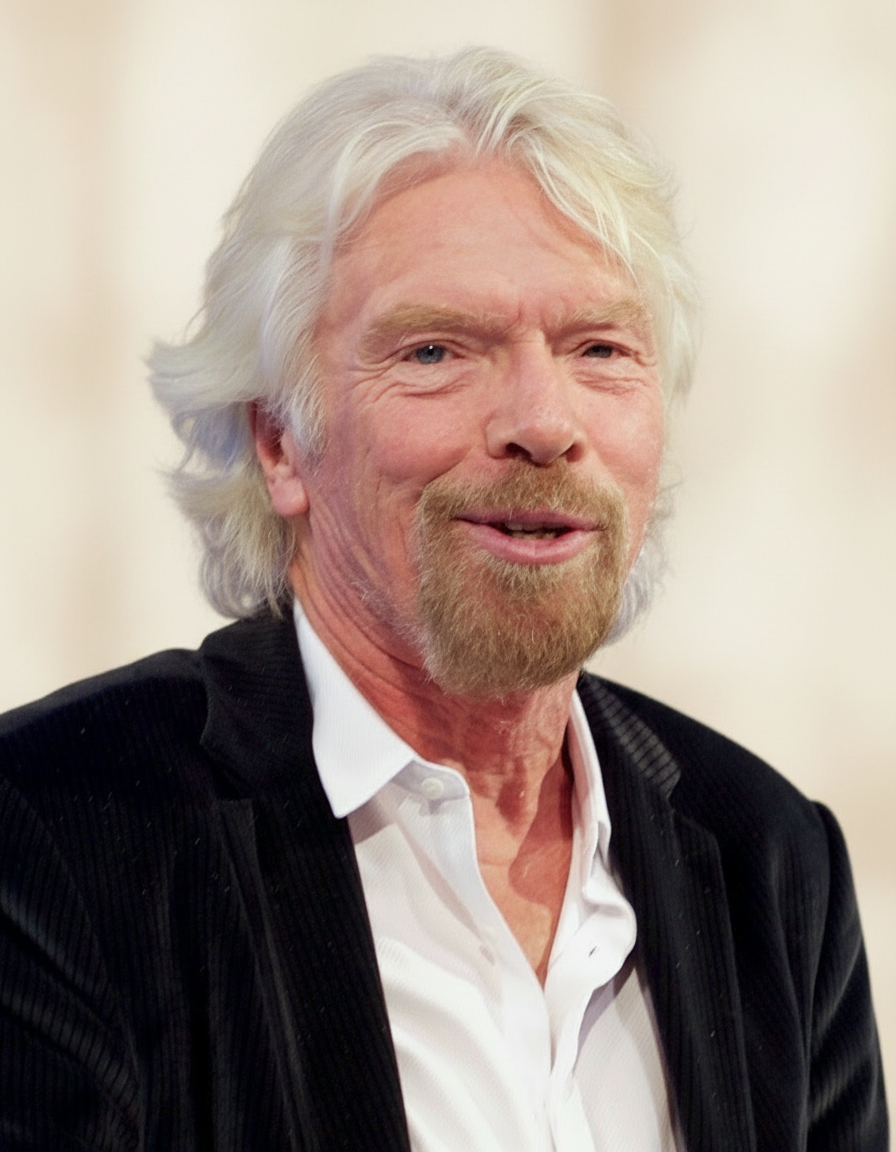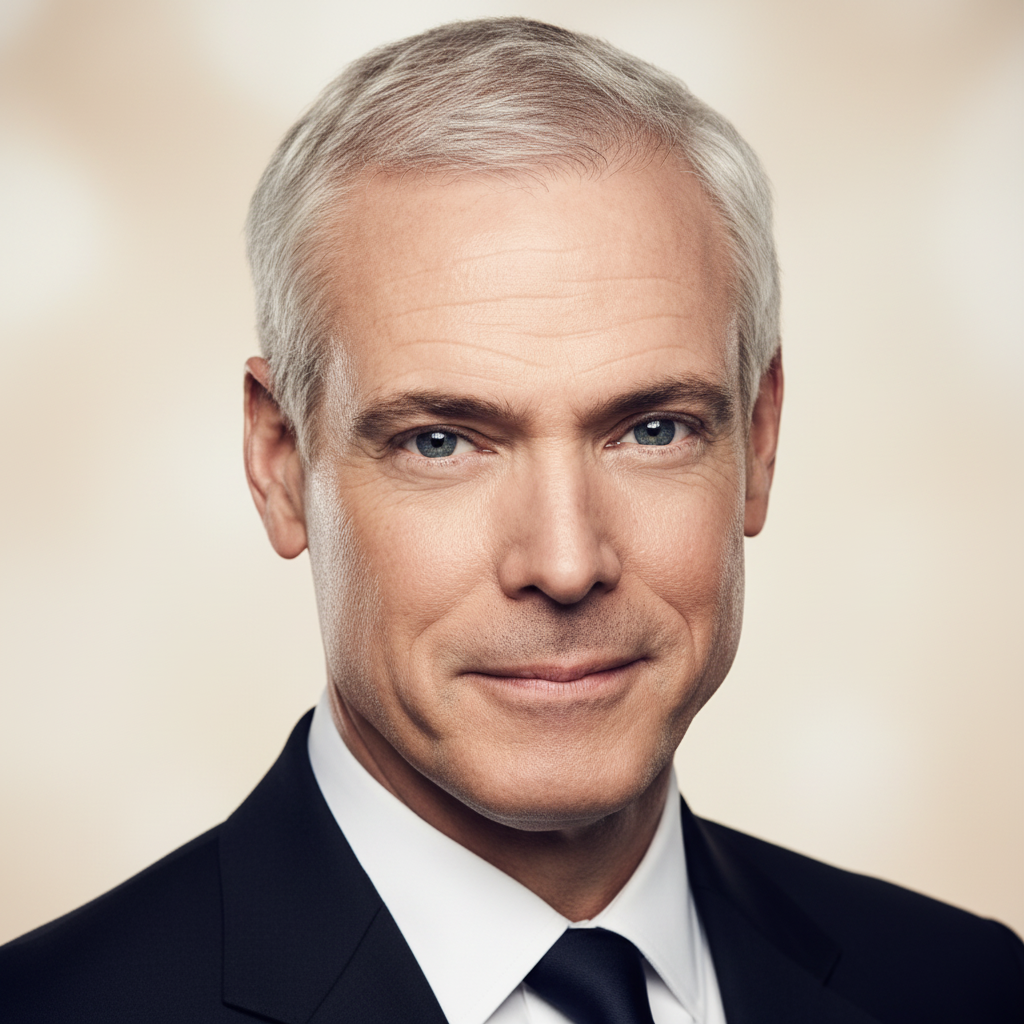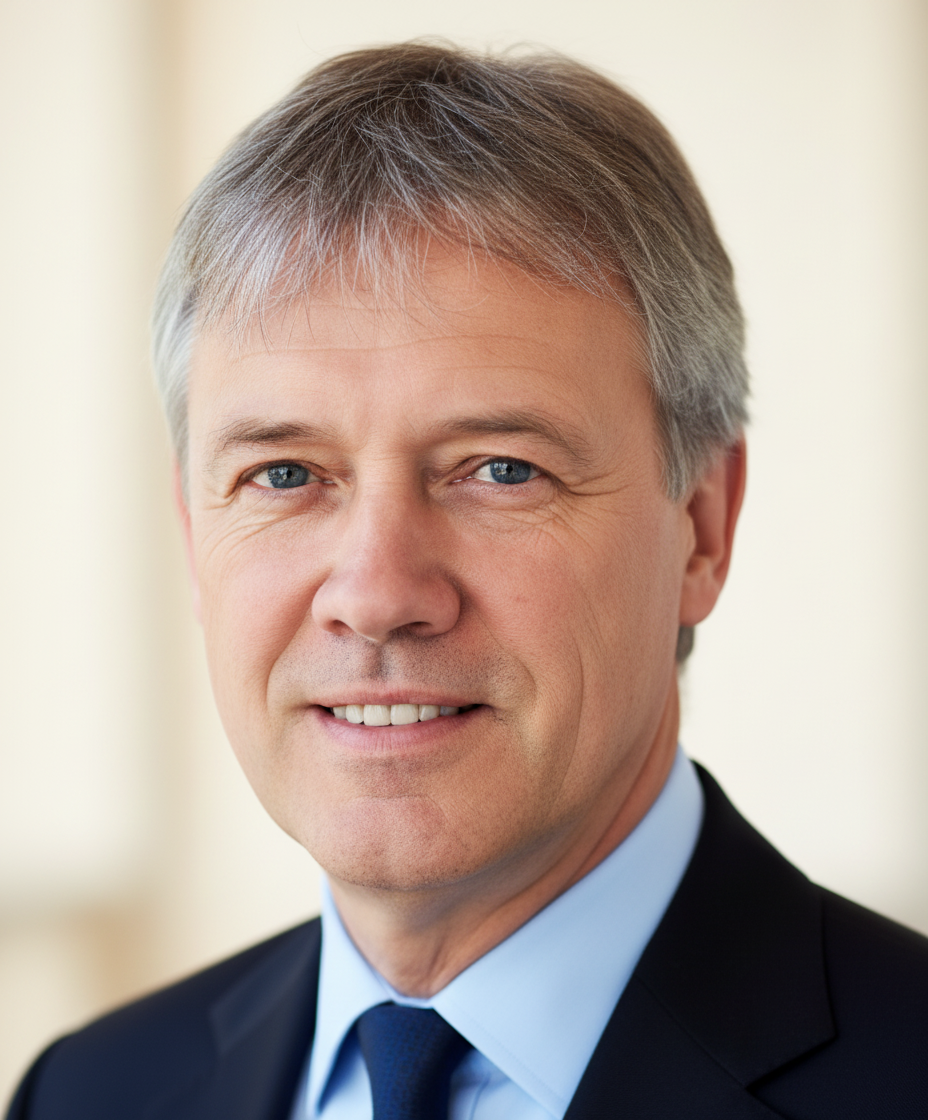
Peter Wennink
The architect of ASML's Extreme Ultraviolet Lithography dominance, indispensable to global semiconductor manufacturing.
Peter Wennink is a Dutch business executive who has served as the CEO of ASML Holding N.V. since 2013. He previously held the position of Chief Financial Officer from 1999. Under his leadership, ASML solidified its position as the sole provider of Extreme Ultraviolet (EUV) lithography systems, critical for manufacturing advanced semiconductor chips, making ASML a lynchpin in the global technology supply chain.
Biography
Accomplishments
- 01Successfully commercialized Extreme Ultraviolet (EUV) lithography, a technology requiring decades of R&D and multi-billion euro investment, making ASML the world's sole supplier of these critical systems by 2016.
- 02Orchestrated the 'Customer Co-investment Program' in 2012, securing 3.85 billion euros from Intel, Samsung, and TSMC, accelerating EUV development and solidifying strategic partnerships.
- 03Led ASML to achieve unprecedented market dominance and financial performance, with its market capitalization exceeding 300 billion euros under his CEO tenure, positioning it as one of Europe's most valuable tech companies.
- 04Expanded ASML's technological portfolio through strategic acquisitions, including the 2016 acquisition of Hermes Microvision Inc. (HMI) for 3.1 billion euros, enhancing ASML's metrology and inspection capabilities.
- 05Navigated significant geopolitical challenges, including export restrictions on advanced lithography technology, maintaining a delicate balance between national interests and global supply chain stability.
- 06Maintained ASML's position at the forefront of semiconductor innovation by consistently investing over 15% of net sales into R&D, ensuring continued leadership in next-generation lithography solutions.
Lessons for Operators
Key Takeaways
Practical lessons distilled for operators, investors, C-levels, and capital allocators.
Indispensability as a Business Model
By mastering and exclusively controlling a critical bottleneck technology (EUV lithography), ASML has become indispensable to the digital economy, dictating terms to even the largest chipmakers. Operators should identify and aggressively pursue unique, complex technological niches that solve fundamental industry problems.
Patient Capital for Grand Challenges
ASML's EUV success stemmed from sustained, multi-decade capital commitment to a singular, extremely difficult problem. Investors and capital allocators should recognize that true breakthrough innovation often requires patient capital and a willingness to absorb significant R&D expenditures over extended periods without immediate returns.
Co-innovation and Risk Sharing
The 'Customer Co-investment Program' exemplifies how to de-risk monumental R&D efforts. Enterprise leaders should explore models where key stakeholders (customers, governments, suppliers) share directly in the financial burden and upside of developing foundational, high-cost technologies.
Mastering the Supply Chain
ASML manages an incredibly complex global supply chain for EUV, sourcing components from thousands of suppliers worldwide. This demonstrates that mastering and orchestrating a vast, interconnected ecosystem is critical for delivering cutting-edge products, often more so than purely internal capabilities.
Geopolitical Acumen as a Core Competency
In an era of increasing technological nationalism, Wennink's leadership highlights the necessity for CEOs to possess exceptional geopolitical acumen, understanding how to navigate international trade policies, export controls, and national security interests to protect and advance their company's strategic position.
Frameworks & Principles
Named frameworks and strategic principles they popularized or embodied.
Strategic Bottleneck Control
Focusing resources to achieve exclusive mastery over a core, unavoidable component or process within a larger value chain. This grants disproportionate power and pricing leverage.
When to useApplicable when a company can identify or create a critical technological or process constraint that is fundamental to an entire industry, and has the capital and R&D capability to dominate it.
Customer Co-investment Model
A financial and strategic framework where key customers become direct investors in the R&D and capital expenditures of a supplier, aligning incentives and sharing risks for critical technology development.
When to useIdeal for projects requiring massive, long-term capital outlays and high risk, where successful development will benefit a concentrated group of end-users whose operations depend on the innovation.
Ecosystem Orchestration
Managing and integrating a vast network of thousands of specialized suppliers and partners to produce a complex, high-technology product, ensuring quality, timely delivery, and continuous innovation across the entire ecosystem.
When to useEssential for companies building highly complex products that rely on specialized, distributed expertise and components, where no single entity can possess all necessary capabilities internally.
Sources & Further Reading
Profiles, interviews, podcasts, and articles used to compile and verify this entry. Each link opens at the original publisher.
Explore Related Titans
Other figures in the archive who share Peter Wennink's domain, geography, or era.
More in Technology


From Netherlands
Contemporaries — born 1950s