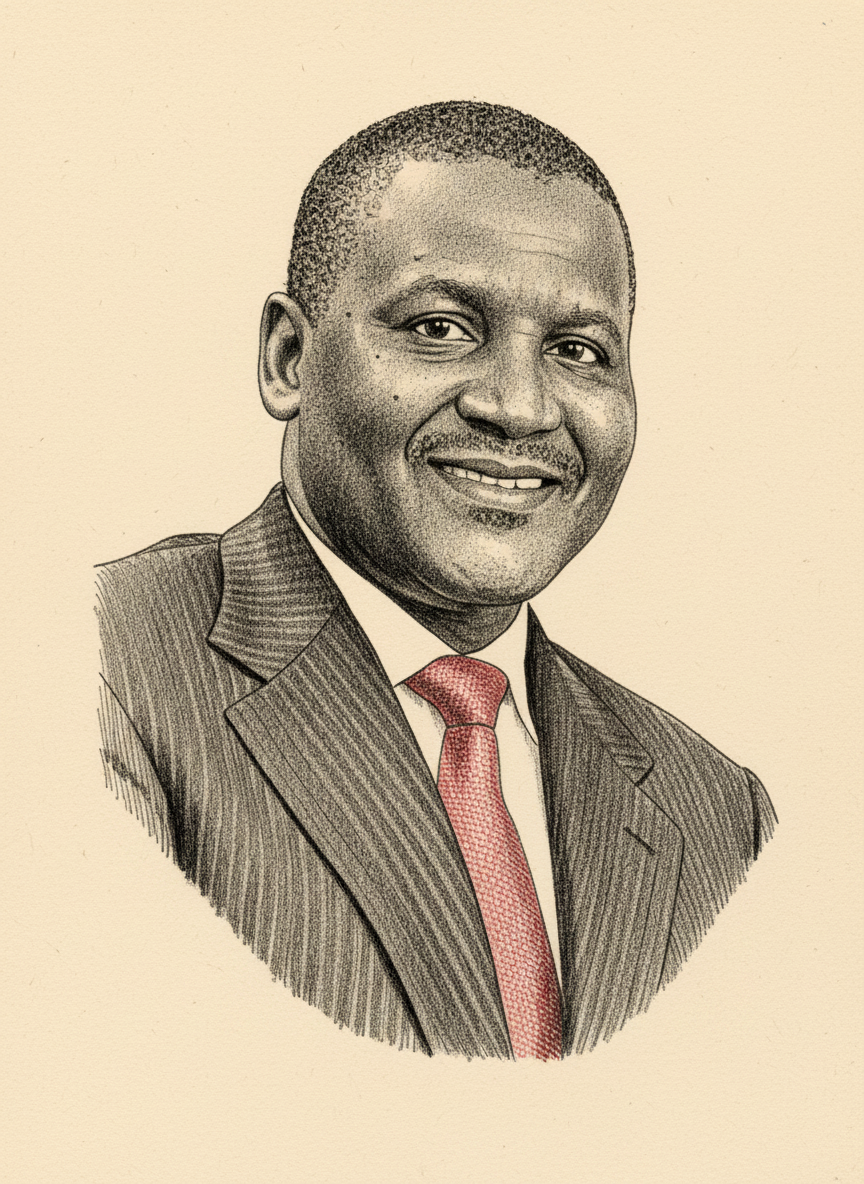
Aart de Geus
Aart de Geus is a pivotal figure in Electronic Design Automation (EDA), co-founding Synopsys and driving its evolution into a multi-billion dollar leader in semiconductor design software, influencing countless chip designs globally.
Aart de Geus co-founded Synopsys in 1986, leading it as CEO from 1994 to 2024, and now serving as Executive Chairman. Under his leadership, Synopsys transformed from a niche synthesis tool provider to a dominant force in the EDA industry, providing comprehensive solutions for chip design and verification. His vision of 'Silicon to Software' guided the company's expansion into IP and software integrity, making Synopsys a critical enabler for the semiconductor ecosystem.
Biography
Accomplishments
- 01Co-founded Synopsys in 1986, establishing one of the foundational companies in the Electronic Design Automation (EDA) industry.
- 02Led Synopsys as CEO for 30 years (1994-2024), transforming it from a startup into a multi-billion dollar global leader in chip design software.
- 03Pioneered and commercialized logic synthesis technology with Design Compiler, revolutionizing how integrated circuits are designed and significantly reducing time-to-market.
- 04Orchestrated numerous strategic acquisitions (e.g., Avant!, Magma, Ansys's EDA assets) to build a comprehensive 'Silicon to Software' solution portfolio, expanding Synopsys's market dominance.
- 05Championed industry collaboration, co-founding the EDAC (Electronic Design Automation Consortium) and driving initiatives that fostered technological advancements and interoperability.
- 06Successfully navigated multiple semiconductor cycles and technological shifts, including the transition to advanced process nodes, System-on-Chip (SoC) design, and AI-driven EDA.
- 07Built a resilient, innovation-focused company culture at Synopsys, attracting and retaining top engineering talent globally.
- 08Oversaw Synopsys's consistent financial growth and profitability, delivering significant shareholder value over three decades.
Lessons for Operators
Key Takeaways
Practical lessons distilled for operators, investors, C-levels, and capital allocators.
The Power of Platform Thinking
Synopsys's success stemmed from evolving from a single tool provider to a comprehensive 'Silicon to Software' platform, integrating design, verification, IP, and software integrity. This ecosystem approach captured greater market share and created deeper customer lock-in.
Long-Term R&D Pays Dividends
De Geus consistently prioritized substantial investment in R&D, often 20% or more of revenue. This commitment to innovation allowed Synopsys to anticipate and define future technologies, maintaining its leadership position in a rapidly evolving industry.
Strategic M&A for Market Domination
Synopsys used a disciplined acquisition strategy to broaden its technological scope, eliminate competitors, and consolidate market share. Success hinged on identifying targets that filled portfolio gaps or offered complementary, high-value IP.
Indispensable Partner in the Ecosystem
By working closely with leading foundries and semiconductor companies, Synopsys embedded its tools and methodologies into critical design flows, making its technology essential for the development of next-generation chips.
Visionary Leadership Sustains Growth
De Geus's three-decade tenure provided stability and consistent strategic direction, allowing Synopsys to execute long-term plans that transcended short-term market fluctuations and quarterly pressures.
Technical Acumen at the Helm
As a technologist himself, De Geus fostered an engineering-driven culture, which was crucial for an EDA company. This ensured that technical excellence and innovation remained at the core of Synopsys's product development.
Frameworks & Principles
Named frameworks and strategic principles they popularized or embodied.
Silicon to Software Strategy
A strategic framework for technology companies that emphasizes providing comprehensive solutions across the entire value chain, from hardware (silicon) design and manufacturing to embedded software and application development. It aims to offer integrated tools and IP that address challenges at every layer of the technology stack.
When to useApplicable for companies in complex technology sectors (e.g., semiconductors, IoT, automotive) that seek to expand beyond niche products, offering end-to-end solutions, and capturing a greater share of customer spending by integrating various stages of product development.
Ecosystem Integration Model
A business model focused on deeply embedding a company's products or services into the operations of key partners (customers, suppliers, or complementary service providers) to create mutual dependency and shared value. This often involves co-development, interoperability standards, and robust support for partners' needs.
When to useIdeal for B2B technology companies in industries with complex supply chains or intricate product development processes (e.g., EDA, cloud platforms, industrial automation) where collaboration with other industry players is critical for widespread adoption and sustained relevance.
Disciplined M&A for Market Consolidation
A strategic approach where mergers and acquisitions are systematically used not just for revenue growth but to acquire critical technologies, talent, or market share to consolidate a leadership position within an industry. It often involves integrating diverse product lines into a unified platform.
When to useSuitable for mature or consolidating industries where organic growth is slowing, or for high-tech sectors where acquiring specific IP or engineering teams is faster than internal development. Requires strong post-acquisition integration capabilities.
Recent Appearances
Latest interviews, keynotes, and press from the past half year.
 youtube.com
 youtube.com
 youtube.com
 youtube.com
 youtube.com
 youtube.com
 youtube.com
 youtube.com
 youtube.com
 youtube.com
 youtube.com
 youtube.com
 youtube.com
 youtube.com
 youtube.com
 youtube.com
 youtube.com
 youtube.com
 youtube.com
 youtube.com
 youtube.com
 youtube.com
 youtube.com
 youtube.com
 youtube.com
 youtube.com
 youtube.com
 youtube.com
 youtube.com
 youtube.com
 youtube.com
 youtube.com
 youtube.com
 youtube.com
 youtube.com
 youtube.com
 youtube.com
 youtube.com
 youtube.com
 youtube.com
 youtube.com
 youtube.com
 youtube.com
 youtube.com
 youtube.com
Sources & Further Reading
Profiles, interviews, podcasts, and articles used to compile and verify this entry. Each link opens at the original publisher.
Explore Related Titans
Other figures in the archive who share Aart de Geus's domain, geography, or era.
More in Technology










From Netherlands









Contemporaries — born 1950s